When it comes to driveways, homeowners and businesses often debate: concrete or asphalt? Both materials have loyal fans, but choosing the right one depends on budget, climate, and long-term goals. At We Love Paving, we’re breaking down the nitty-gritty of driveways, answering your top questions, and sharing pro tips to help you make the best decision.
1. Concrete vs. Asphalt: Which is Better?
Let’s start with the most Googled question in paving. Here’s a quick comparison:
| Factor | Concrete | Asphalt |
|---|---|---|
| Cost |
15 per sq. ft. |
8 per sq. ft. |
| Lifespan | 30–40 years (with maintenance) | 20–30 years (with maintenance) |
| Durability | Resists cracking but can stain | Flexible, repairs easily |
| Climate Fit | Best for warm, dry climates | Ideal for cold, snowy regions |
| Aesthetic Options | Stamped, colored, or exposed aggregate | Limited to black/gray |
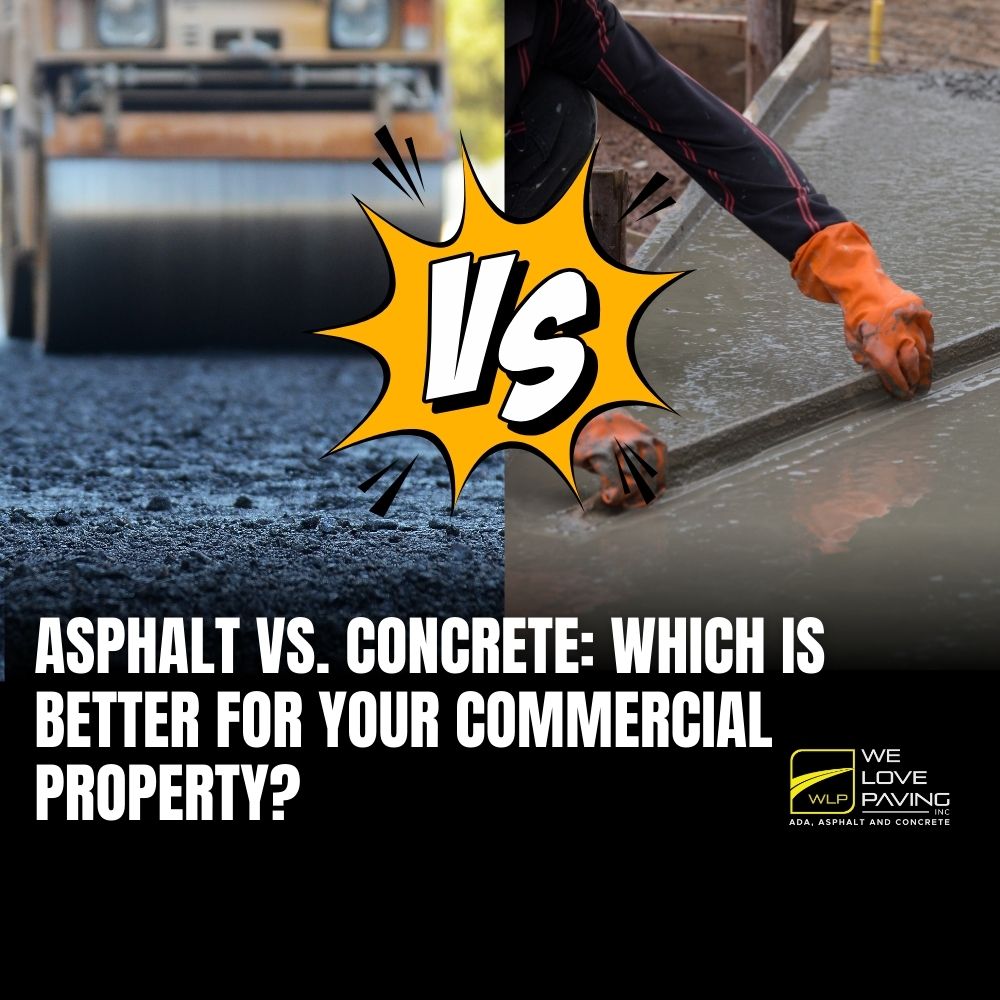
Verdict: Asphalt is cheaper upfront, but concrete lasts longer. Choose asphalt for cold climates and concrete for curb appeal.
2. Top 5 Driveway Questions (Answered)
Q1: “How much does a new driveway cost?”
- Concrete:
12,000 (average 600 sq. ft. driveway).
- Asphalt:
6,000 (same size).
Tip: Add 10–20% for complex designs, slopes, or soil prep.
Q2: “How do I repair cracks in my driveway?”
- Asphalt: Fill cracks with rubberized crack sealant. For large gaps, patch with hot asphalt mix.
- Concrete: Use epoxy filler or hydraulic cement. Resurface if cracks cover >25% of the area.
Q3: “Should I seal my driveway?”
- Yes! Sealing protects against stains, UV damage, and water penetration.
- Asphalt: Seal every 2–3 years.
- Concrete: Seal every 4–5 years.
Q4: “How long does a driveway last?”
- Concrete: 30–40 years (if sealed and maintained).
- Asphalt: 15–25 years (requires resealing every 2–3 years).
Q5: “Can I pour concrete over asphalt?”
Technically yes, but not recommended. Asphalt flexes with temperature changes, which can crack rigid concrete. Remove old asphalt first.
3. Asphalt Driveways: Cold-Weather Champions
Asphalt thrives in snowy climates because:
- Its dark color absorbs heat, melting ice faster.
- Flexibility prevents cracks during freeze-thaw cycles.
- Repairs are quick and affordable (e.g., pothole patching).
Drawbacks:
- Requires frequent sealing to prevent oxidation (graying).
- Less design versatility.
4. Concrete Driveways: Beauty Meets Longevity
Concrete is the go-to for homeowners prioritizing aesthetics:
- Design Options: Stamped patterns (brick, stone), stained colors, or exposed aggregate.
- Low Maintenance: Resists oil stains better than asphalt.
- Eco-Friendly: Reflects sunlight, reducing urban heat islands.
Drawbacks:
- Prone to cracking in freezing temperatures.
- Higher upfront cost.
5. Driveway Maintenance Tips to Save $$$
- Clean Regularly: Pressure wash to remove dirt and prevent stains.
- Fix Cracks ASAP: Small cracks become expensive gaps.
- Avoid Heavy Loads: RVs or dump trucks can dent asphalt or crack concrete.
- Winter Care: Use calcium chloride (not salt) to melt ice without damaging surfaces.
6. Enhancing Curb Appeal: Driveway Ideas
- Borders: Add brick or stone edges to asphalt driveways for a polished look.
- Stamped Concrete: Mimic cobblestone or slate for high-end appeal.
- Lighting: Install solar-powered pavers or LED strips along pathways.
7. Eco-Friendly Driveway Options
- Permeable Pavers: Allow rainwater to recharge groundwater (great for drainage issues).
- Recycled Asphalt: Crushed old asphalt reused for new driveways (30% cheaper).
- Grass Pavers: Grid systems that let grass grow through, reducing runoff.
8. Frequently Asked Questions (FAQ)
Q: How long does it take to install a driveway?
- Asphalt: 1–2 days (cures in 3–5 days).
- Concrete: 3–7 days (requires 7 days to cure before use).
Q: Can I DIY a driveway?
- Asphalt is tricky (needs hot mix and compaction tools). Concrete is DIY-friendly for small projects, but pros ensure proper grading and durability.
Q: What’s better for resale value?
- Concrete driveways boost curb appeal and attract buyers in warm climates.
“Before planning your next project, it’s important to understand what’s the best base for asphalt driveways to ensure long-lasting results.”
Final Word
Whether you choose asphalt for its affordability or concrete for its timeless look, your driveway is an investment. Regular maintenance and smart material choices will keep it functional and beautiful for decades.