What is Paving in Construction? A Comprehensive Guide by WeLovePaving


Introduction
Paving is a cornerstone of modern construction, essential for creating durable, functional, and visually appealing surfaces. At WeLovePaving, we’re passionate about transforming spaces through expert paving solutions. This blog explores the intricacies of paving, its types, processes, and benefits.

1. What is Paving?
Paving involves installing hard surfaces using materials like asphalt, concrete, or stone to create pathways, roads, driveways, and more. It combines engineering and artistry to ensure longevity and aesthetics.

2. Types of Paving

  • Asphalt Paving: Ideal for roads and driveways, known for flexibility and cost-effectiveness.

  • Concrete Paving: Durable and low-maintenance, perfect for heavy-traffic areas.

  • Brick/Stone Paving: Offers timeless charm for patios and walkways.

  • Permeable Paving: Eco-friendly option allowing water infiltration, reducing runoff.

3. The Paving Process

  • Site Preparation: Clearing debris and grading the area for proper drainage.

  • Base Installation: Layering crushed stone for stability.

  • Material Application: Spreading and compacting the chosen material.

  • Compaction & Curing: Ensuring density and allowing time to harden.

  • Sealing: Protecting the surface with sealant for longevity.

4. Benefits of Paving

  • Durability: Withstands weather and heavy use.

  • Safety: Smooth surfaces reduce accidents.

  • Aesthetics: Enhances curb appeal.

  • Sustainability: Permeable options support eco goals.

  • Property Value: Boosts resale potential.

5. Key Applications

  • Roads & Highways

  • Residential Driveways

  • Commercial Parking Lots

  • Pedestrian Walkways

  • Industrial Facilities

6. Maintenance Tips

  • Regular Cleaning: Remove debris to prevent damage.

  • Sealcoating: Reapply every 2–3 years.

  • Crack Repair: Address issues early to avoid expansion.

  • Drainage Checks: Prevent water pooling.

  • Professional Inspections: Ensure optimal condition.

7. Trends in Paving

  • Eco-Friendly Materials: Recycled asphalt/concrete.

  • Smart Paving: Sensors for real-time monitoring.

  • Decorative Options: Stamped concrete, colored asphalt.

  • Permeable Innovations: Urban stormwater management.

Conclusion
Paving is vital for creating safe, durable, and attractive environments. Whether for residential, commercial, or industrial use, choosing the right materials and professionals matters. At WeLovePaving, we blend expertise with passion to deliver exceptional results. Ready to start your project? for a consultation!


Share

WHO IS FRED?

Fred, Regional Operations Manager, comes from a family of immigrant roots and a story built on sacrifice, discipline, and hard work. Growing up, Fred watched his parents work long hours and weekends to create a better future teaching him the values of perseverance, determination, and doing things the right way every single time.
We Love Paving began with Fred’s father, who started doing what he knew best: paving. Over the years, he built experience alongside respected professionals in the industry, refining his methods and developing a reputation for quality work that speaks for itself. As his clientele grew, so did the vision one built not only on skill, but on integrity and pride in every job.

Posts that might interest you

What Is Asphalt Patching? Complete Guide for Commercial Property Owners

What Is Asphalt Patching? Complete Guide for Commercial Property Owners

November 11, 2025

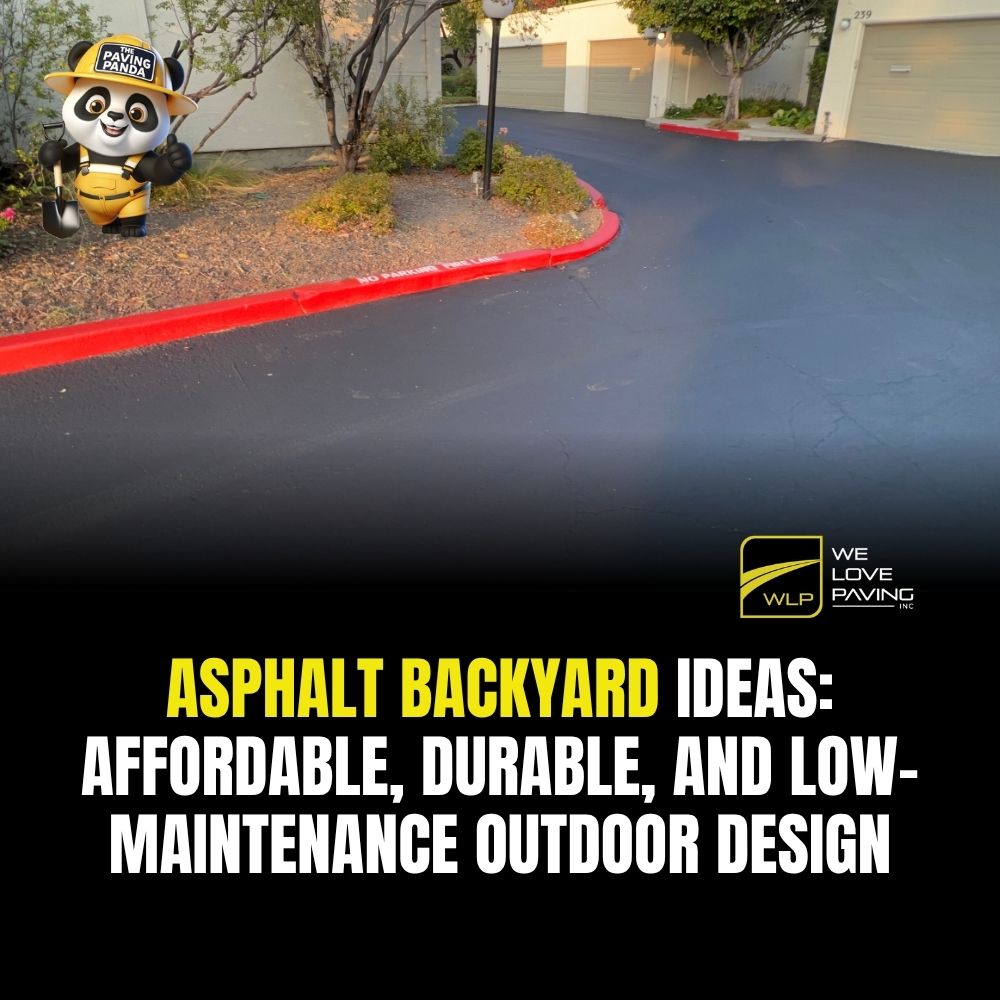
Asphalt Backyard Ideas: Affordable, Durable, and Low-Maintenance Outdoor Design

Asphalt Backyard Ideas: Affordable, Durable, and Low-Maintenance Outdoor Design

November 5, 2025

What Is Tandem Parking? Meaning, Rules, and ADA Compliance Tips

What Is Tandem Parking? Meaning, Rules, and ADA Compliance Tips

November 5, 2025

What Is Tandem Parking? Tandem parking refers to two or more vehicles parked end-to-end within a single elongated parking space. In this setup, one car must move to let the other exit, similar to cars sharing a narrow driveway. It’s a design solution often used in space-limited properties, such as multi-family buildings, apartment complexes, or

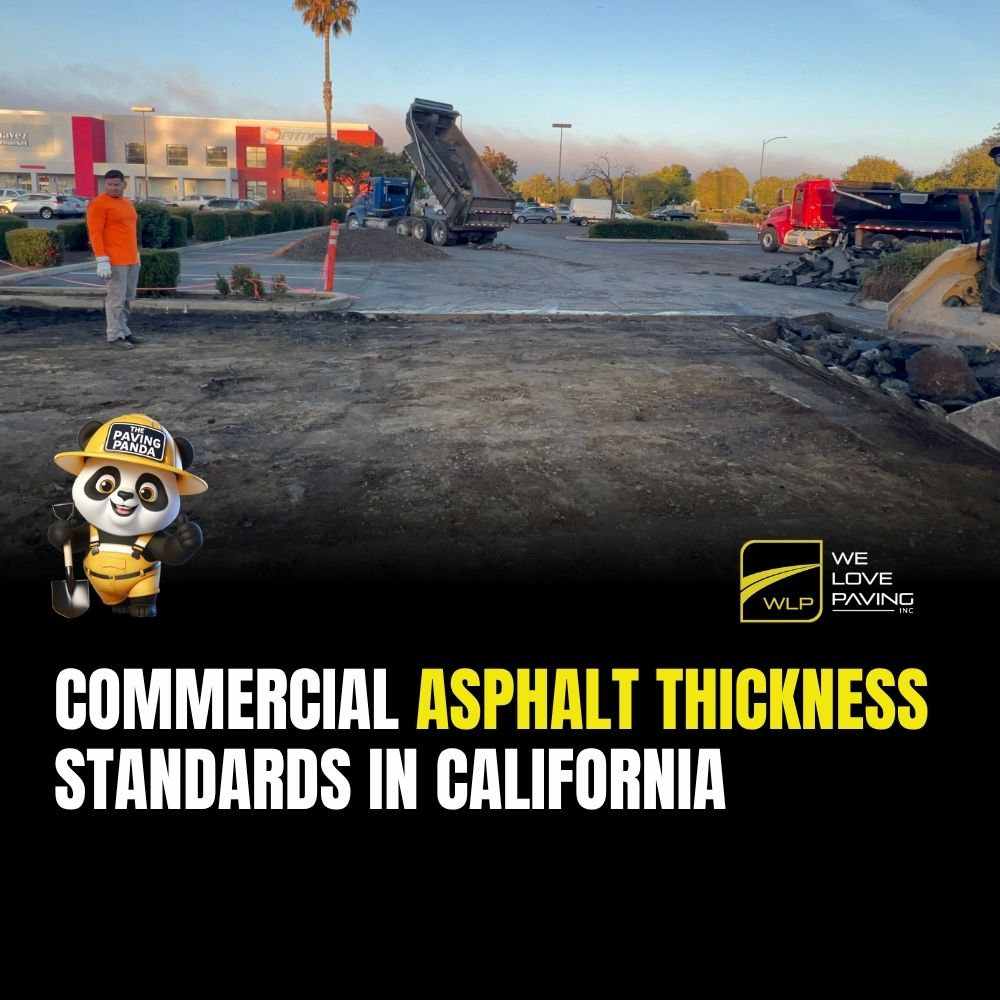
Commercial Asphalt Thickness Standards in California

Commercial Asphalt Thickness Standards in California

November 4, 2025

Top 5 Safety Hazards in Commercial Parking Lots (and How to Fix Them)

Top 5 Safety Hazards in Commercial Parking Lots (and How to Fix Them)

November 1, 2025

Your parking lot is more than a place to park — it’s the first and last part of your property that every visitor experiences.And if it’s not maintained properly, it can quickly become a liability nightmare. From trip hazards to poor visibility, these seemingly small issues can lead to accidents, lawsuits, and damaged reputations.Here are

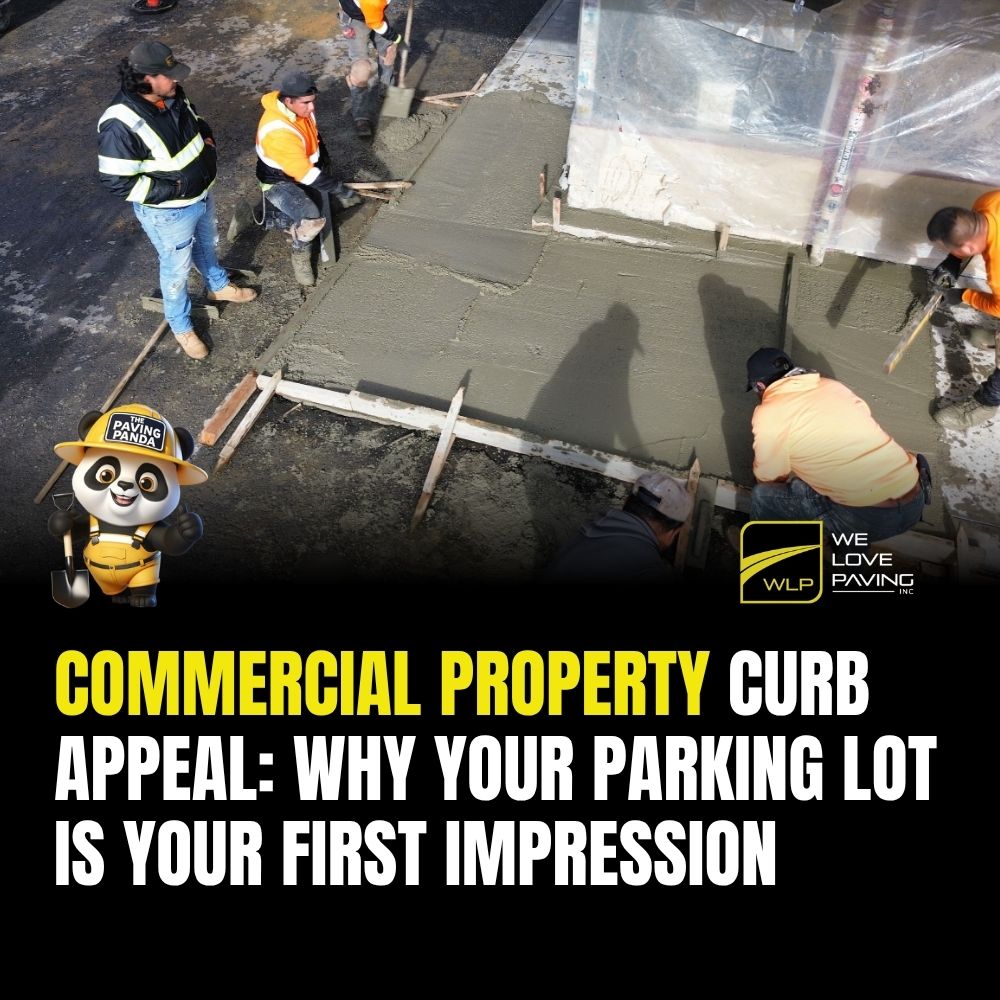
Commercial Property Curb Appeal: Why Your Parking Lot Is Your First Impression

Commercial Property Curb Appeal: Why Your Parking Lot Is Your First Impression

November 1, 2025

Why Winter Prep Starts Now: Protecting Your Parking Lot Before the Rain Hits

Why Winter Prep Starts Now: Protecting Your Parking Lot Before the Rain Hits

November 1, 2025

Pavement Density Testing: Why Compaction Is the #1 Factor in Asphalt Longevity

October 30, 2025

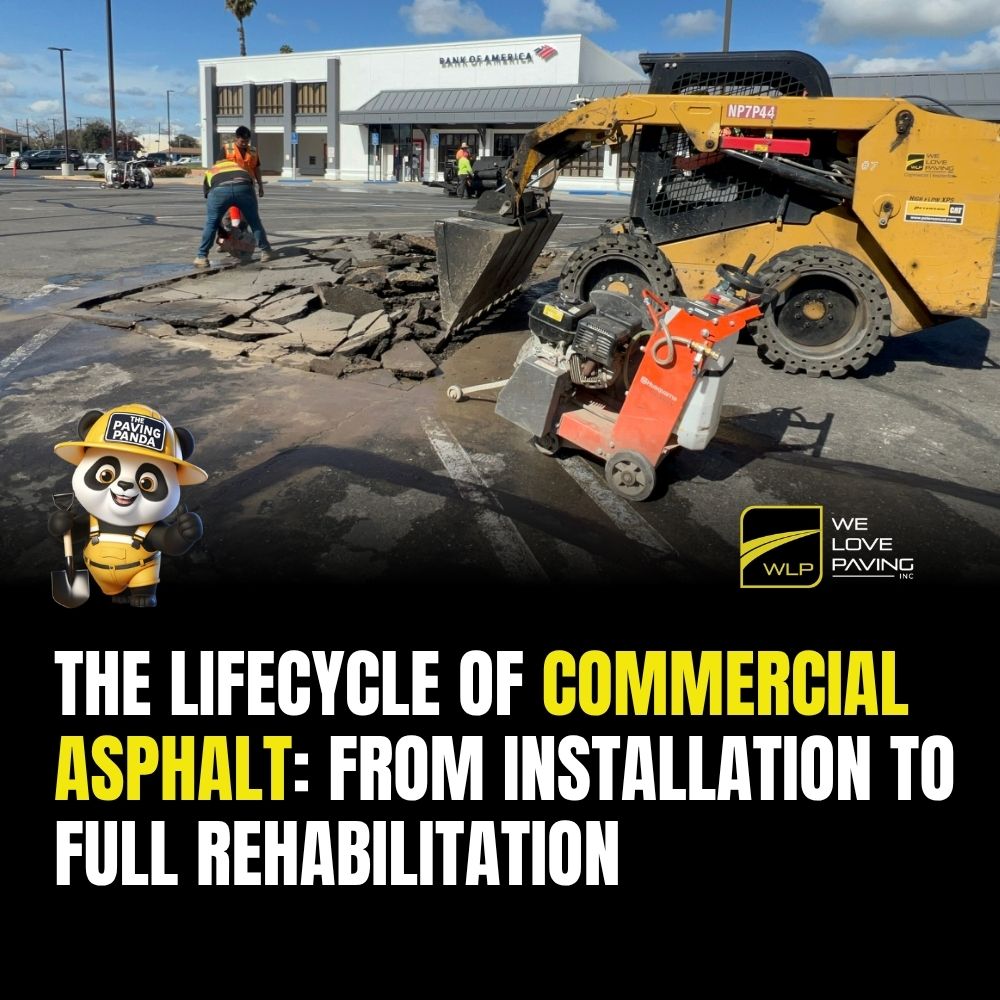
The Lifecycle of Commercial Asphalt: From Installation to Full Rehabilitation

The Lifecycle of Commercial Asphalt: From Installation to Full Rehabilitation

October 30, 2025

Why Understanding Pavement Lifecycle Matters Every parking lot and roadway has a lifespan — but how long it lasts depends on how it’s designed, installed, and maintained.For property owners and facility managers, understanding the lifecycle of asphalt pavement is key to planning budgets, extending surface life, and avoiding costly full replacements. At We Love Paving,

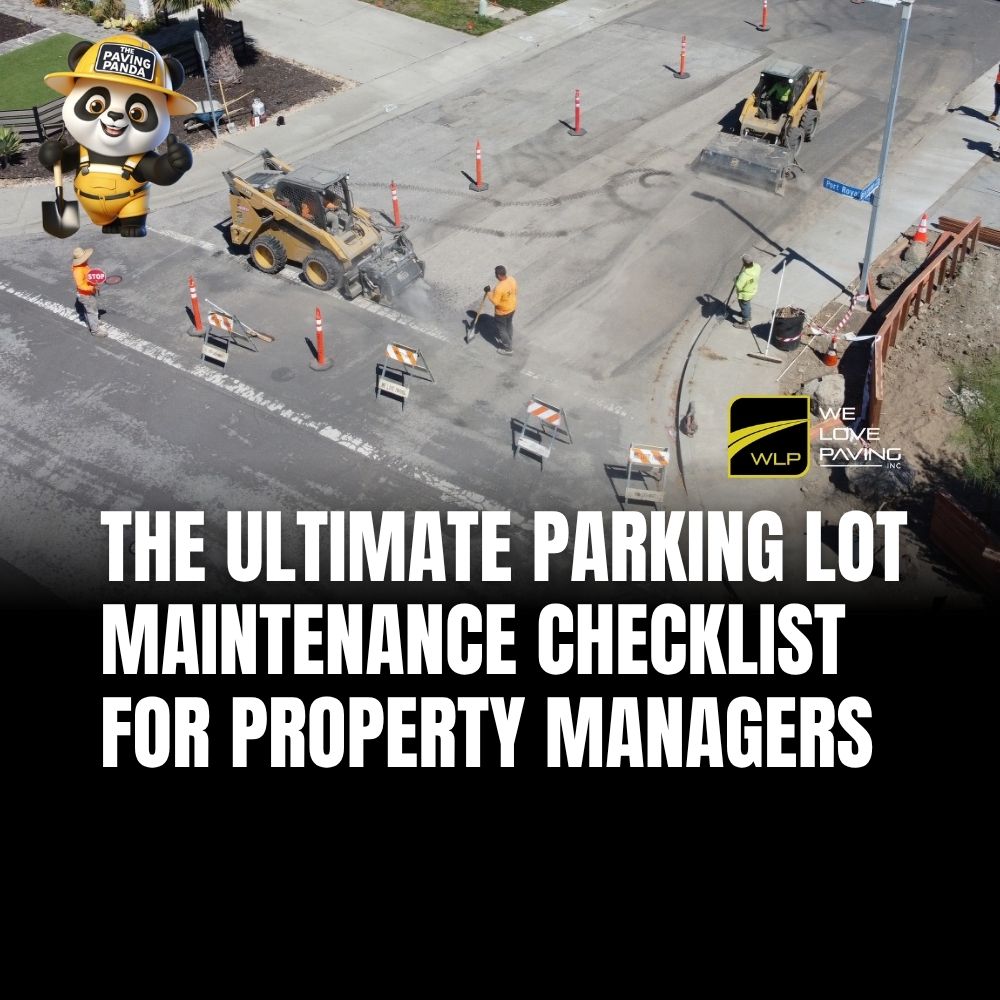
The Ultimate Parking Lot Maintenance Checklist for Northern California Property Managers

The Ultimate Parking Lot Maintenance Checklist for Northern California Property Managers

October 27, 2025

Previous Next