⚖️ Is Your Property Liability-Free? Pavement Hazards That Can Get You Sued

When most property owners think about liability, they picture insurance policies — not parking lots.
But the truth is, asphalt is one of the biggest hidden risks on your property.

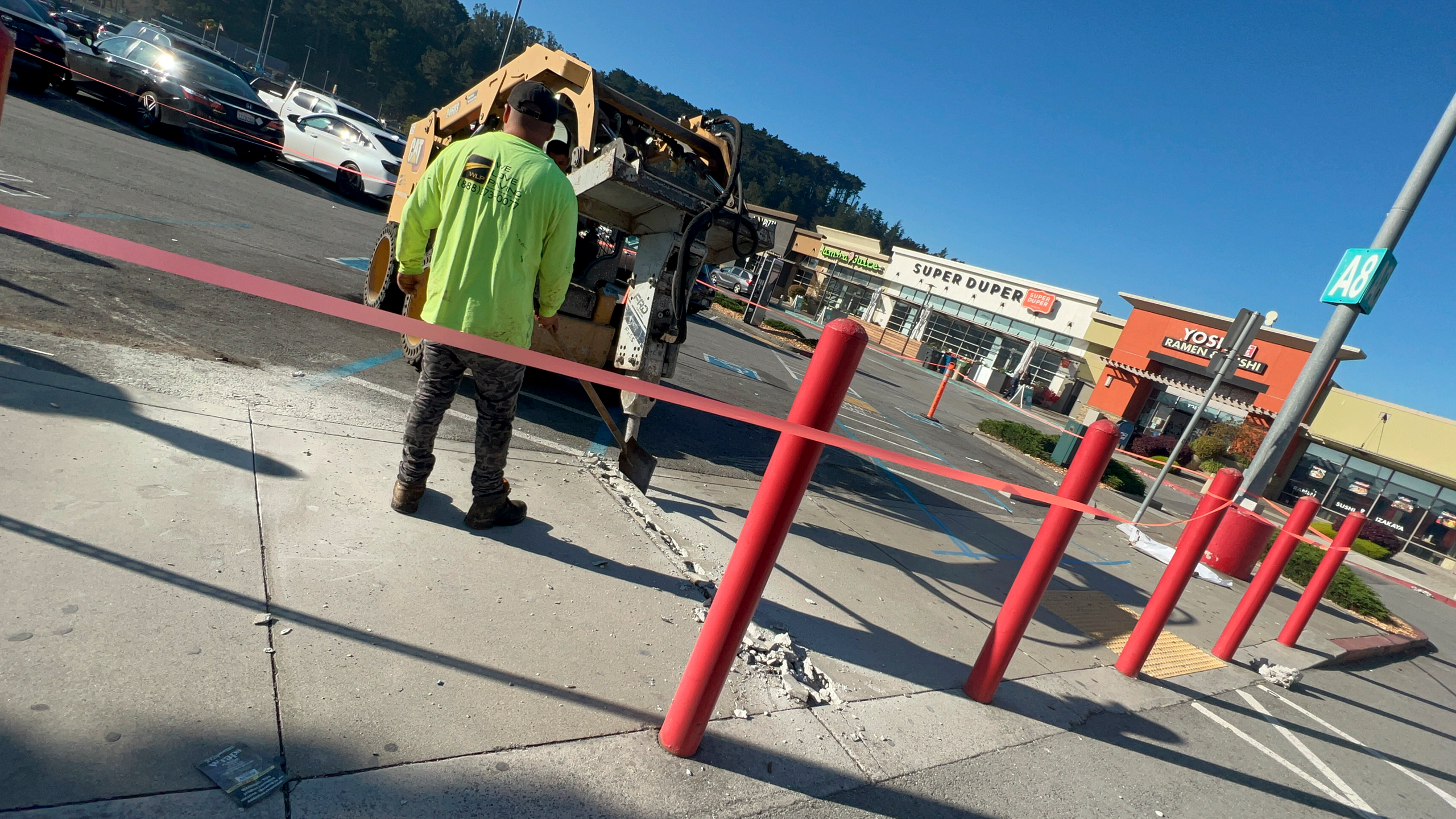
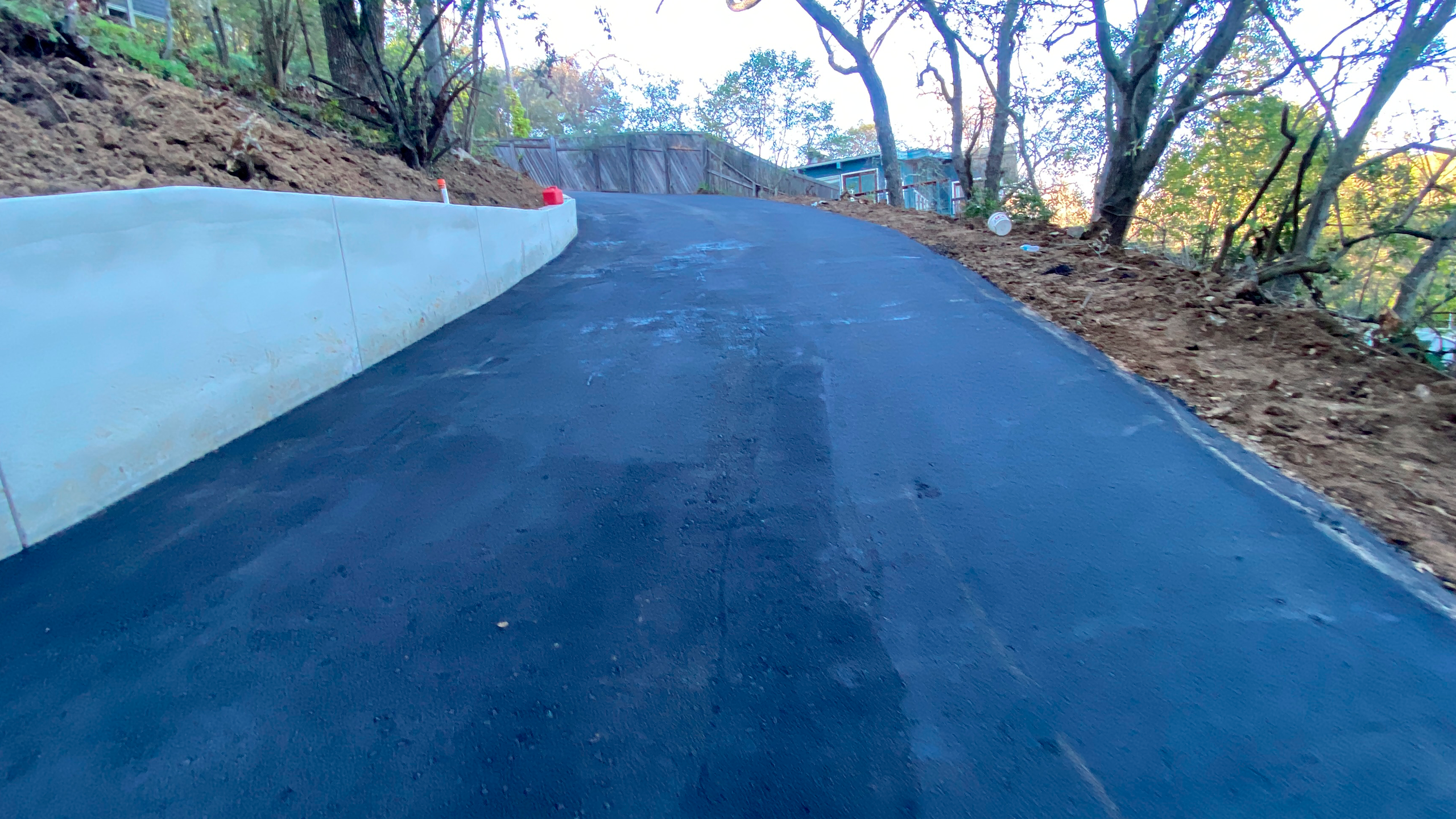
Cracks, faded striping, potholes, and uneven surfaces can all lead to injuries, vehicle damage, and ADA violations — and that means lawsuits.

Let’s break down the most common pavement hazards that can get you into legal trouble, and how to prevent them before they happen.


🚶‍♀️ 1. Trip-and-Fall Hazards

Small cracks or dips might seem harmless, but to a tenant or visitor, they’re a trap.

Under premises liability law, property owners are responsible for maintaining safe walking surfaces.
If someone trips over a crack, raised edge, or uneven patch — you could be held liable for:

  • Medical expenses

  • Lost wages

  • Pain and suffering

  • Legal fees

💡 Tip: Schedule regular inspections to catch surface changes before they cause accidents.


🚗 2. Potholes and Vehicle Damage

Potholes don’t just damage cars — they damage your reputation.
Even one complaint on Google or a tenant review about “dangerous parking conditions” can cost you far more than a repair.

Legally, if a pothole causes an accident and the owner was aware of it but failed to fix it, the property can be found negligent.

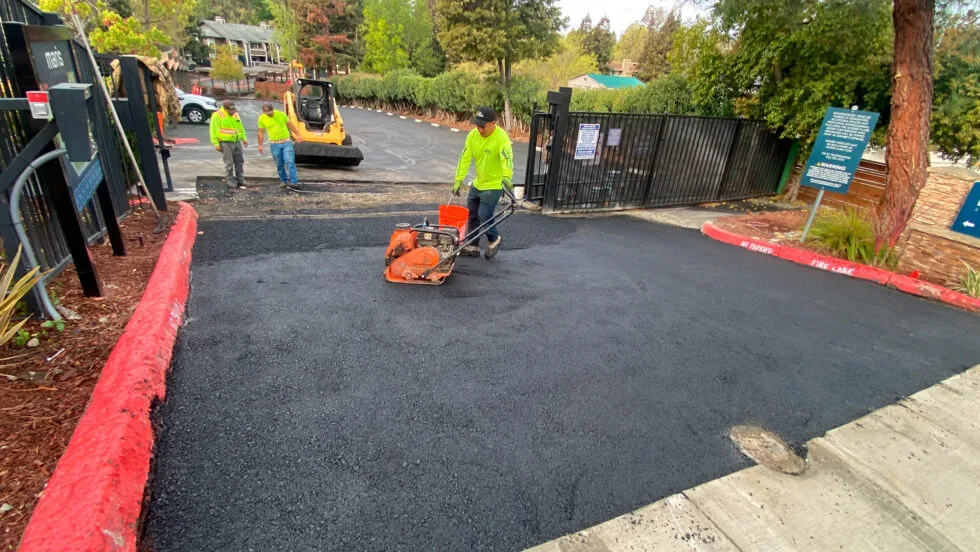
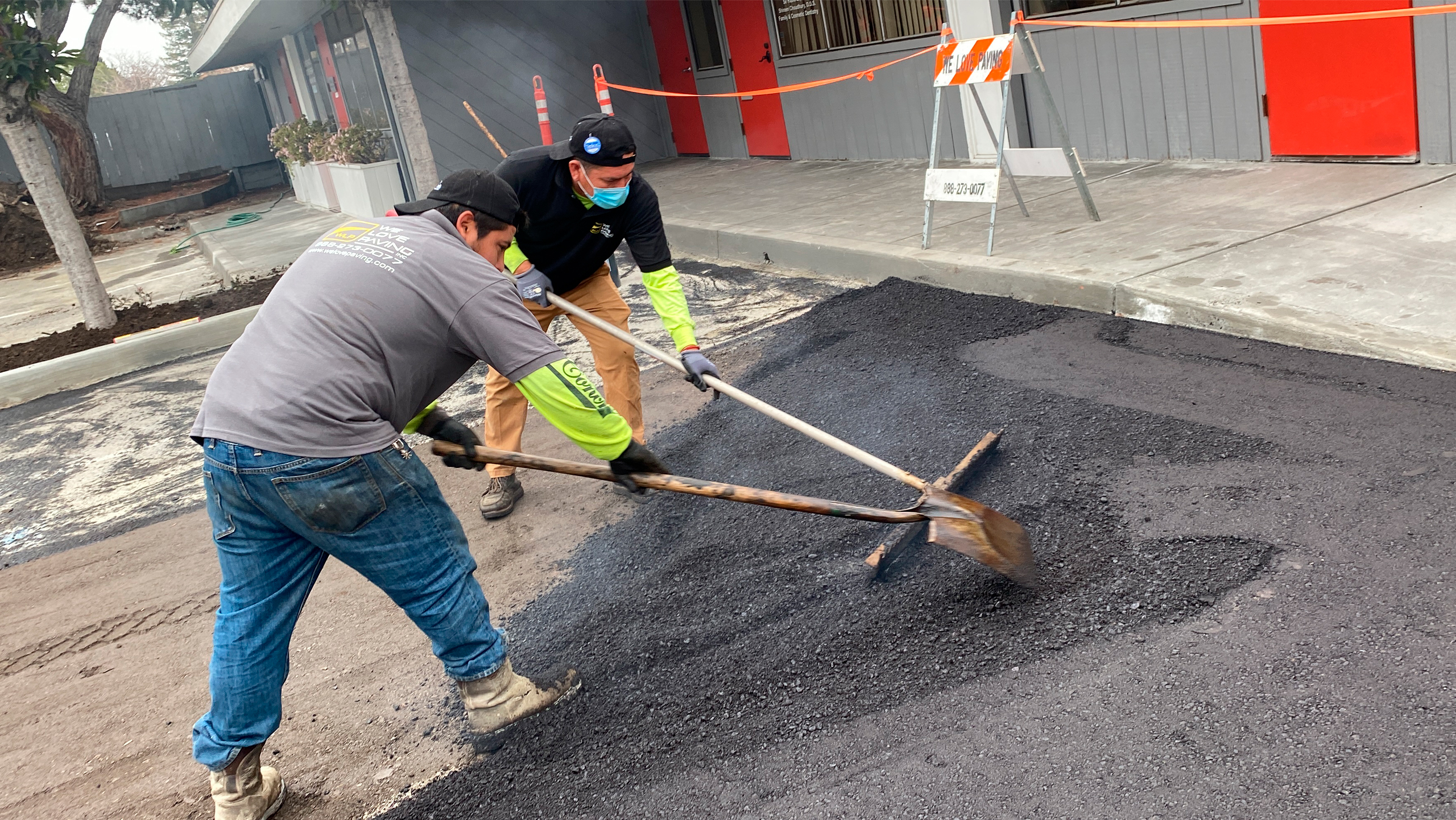
💡 Tip: Fix potholes as soon as they appear. Patching costs a fraction of what a lawsuit or insurance claim would.


♿ 3. ADA Non-Compliance

The Americans with Disabilities Act (ADA) requires that all public and commercial properties provide accessible parking and routes.

Violations can include:

  • Incorrect slope or ramp angles

  • Faded handicap striping or signage

  • Uneven transitions between ramps and surfaces

  • Missing van-accessible spaces

Fines start around $5,000–$10,000 per violation, not counting the cost of reconstruction and legal defense.

💡 Tip: Re-stripe and re-sign every 2–3 years to maintain compliance.


🌧️ 4. Poor Drainage and Standing Water

Water pooling on your pavement isn’t just inconvenient — it’s a sign of structural failure.
When water doesn’t drain properly, it penetrates the asphalt base, softens it, and causes premature cracking.

Slippery conditions from puddles can also cause slip-and-fall claims, especially in shaded or high-traffic zones.

💡 Tip: Include drainage checks in every maintenance plan. Preventing water damage is much cheaper than rebuilding a collapsed base.


🚧 5. Faded Striping and Lack of Visibility

When lines, crosswalks, and directional arrows fade, accidents become more likely — and so does liability.

Property owners can be held responsible for unsafe traffic flow or poor visibility that leads to collisions, especially in shared parking lots or HOAs.

💡 Tip: Re-stripe every 2–4 years, depending on traffic volume and sun exposure.


🧠 The Legal Bottom Line

Neglecting pavement maintenance isn’t just bad for business — it’s a liability time bomb.
The good news? Every risk listed here is 100% preventable with a proactive maintenance plan.

At We Love Paving, we help property managers and HOAs:
✅ Identify potential ADA and liability hazards
✅ Create affordable preventive maintenance plans
✅ Keep properties safe, compliant, and looking sharp year-round


✅ The Smart Move

Don’t wait until a resident or visitor files a claim.
Start with a free pavement inspection and know exactly where your risks are.

📅 Book your free liability-check inspection today — and keep your property compliant, safe, and lawsuit-proof.

Share

WHO IS FRED?

Fred, Regional Operations Manager, comes from a family of immigrant roots and a story built on sacrifice, discipline, and hard work. Growing up, Fred watched his parents work long hours and weekends to create a better future teaching him the values of perseverance, determination, and doing things the right way every single time.
We Love Paving began with Fred’s father, who started doing what he knew best: paving. Over the years, he built experience alongside respected professionals in the industry, refining his methods and developing a reputation for quality work that speaks for itself. As his clientele grew, so did the vision one built not only on skill, but on integrity and pride in every job.

Posts that might interest you

What is the Best Quality Asphalt for Driveways?

What is the Best Quality Asphalt for Driveways?

June 28, 2024

Choosing the best quality asphalt for your driveway is essential to ensure durability, aesthetic appeal, and cost-effectiveness. This guide explores the types of asphalt, their benefits, and how to select the best option for your driveway needs. Understanding Asphalt Factors to Consider When Choosing Asphalt Types of Asphalt for Driveways Comparing Asphalt to Other Materials

How Thick Should Asphalt Paving Be?

How Thick Should Asphalt Paving Be?

June 28, 2024

Choosing the right thickness for asphalt paving is crucial for the longevity and durability of the surface, whether it’s a driveway, parking lot, or roadway. The thickness of asphalt paving affects its ability to withstand traffic loads, weather conditions, and overall wear and tear. This article will explore the factors influencing asphalt thickness and provide

How Close to My Property Line Can I Pour Concrete?

How Close to My Property Line Can I Pour Concrete?

June 28, 2024

Pouring concrete close to your property line is a common issue for homeowners looking to enhance their outdoor spaces. Whether it’s for a driveway, patio, or walkway, understanding the legal and practical considerations is crucial to avoid disputes with neighbors and comply with local regulations. This guide explores the key factors influencing how close you

How to Fix a Crumbling Concrete Driveway: The Ultimate Repair Guide

How to Fix a Crumbling Concrete Driveway: The Ultimate Repair Guide

June 27, 2024

When a concrete driveway starts to crumble, it’s more than a cosmetic issue—it’s a warning sign that the surface is losing its structural integrity. Left untreated, it can lead to major damage, higher repair costs, and safety hazards. Whether you’re a homeowner or manage a commercial property, this guide will show you how to restore

Do You Need a Permit to Replace a Driveway? A Comprehensive Guide

Do You Need a Permit to Replace a Driveway? A Comprehensive Guide

June 25, 2024

Replacing a driveway is a significant home improvement project that can enhance curb appeal, increase property value, and improve functionality. However, before you start tearing up your old driveway and pouring new concrete or laying pavers, it’s crucial to understand the legal and regulatory requirements involved. One of the most common questions homeowners have is

Steps Involved in Asphalt Paving

Steps Involved in Asphalt Paving

June 25, 2024

Asphalt paving is a necessary part of the construction industry. It’s a versatile material used to build roads, parking lots, and driveways. Understanding the steps involved in asphalt paving will help you choose the right pavement for your needs. Asphalt is an extremely durable material that withstands traffic and the elements. It is also environmentally

The Cost of Asphalt Cutting Per Linear Foot: What to Expect

The Cost of Asphalt Cutting Per Linear Foot: What to Expect

June 24, 2024

When it comes to construction and repair projects, asphalt cutting is often a necessary task, whether for roadworks, driveways, or other paved surfaces. Understanding the cost involved in asphalt cutting per linear foot can help you budget more accurately for your project. This article will break down the factors affecting these costs and provide a

The Best Base for an Asphalt Driveway: A Comprehensive Guide

The Best Base for an Asphalt Driveway: A Comprehensive Guide

June 24, 2024

What Do You Lay Under Asphalt?

What Do You Lay Under Asphalt?

June 24, 2024

The Process of Asphalt Paving

The Process of Asphalt Paving

June 19, 2024

Asphalt Paving is a complex process that involves numerous stages. A good paving contractor will be willing to walk you through their work processes and answer any questions. Inquire about an asphalt paving contractor’s license, worker’s compensation, and liability insurance. Ask them to provide references and project examples. Also, ask about their education and training.

Previous Next