When does paving season end?

Paving season isn’t an abstract concept; it’s a concrete consideration for anyone embarking on a paving project, whether it’s for a residential driveway or a commercial parking lot. Knowing when to schedule your paving work can make all the difference between a smooth, durable surface and a potential headache down the road. Let’s explore the optimal timing for paving projects and why it matters.

Understanding Seasonal Constraints

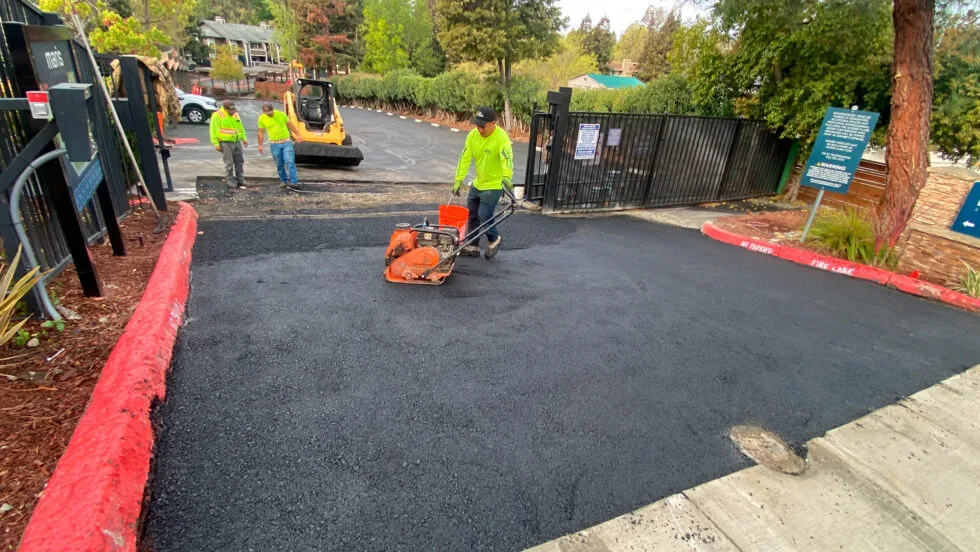
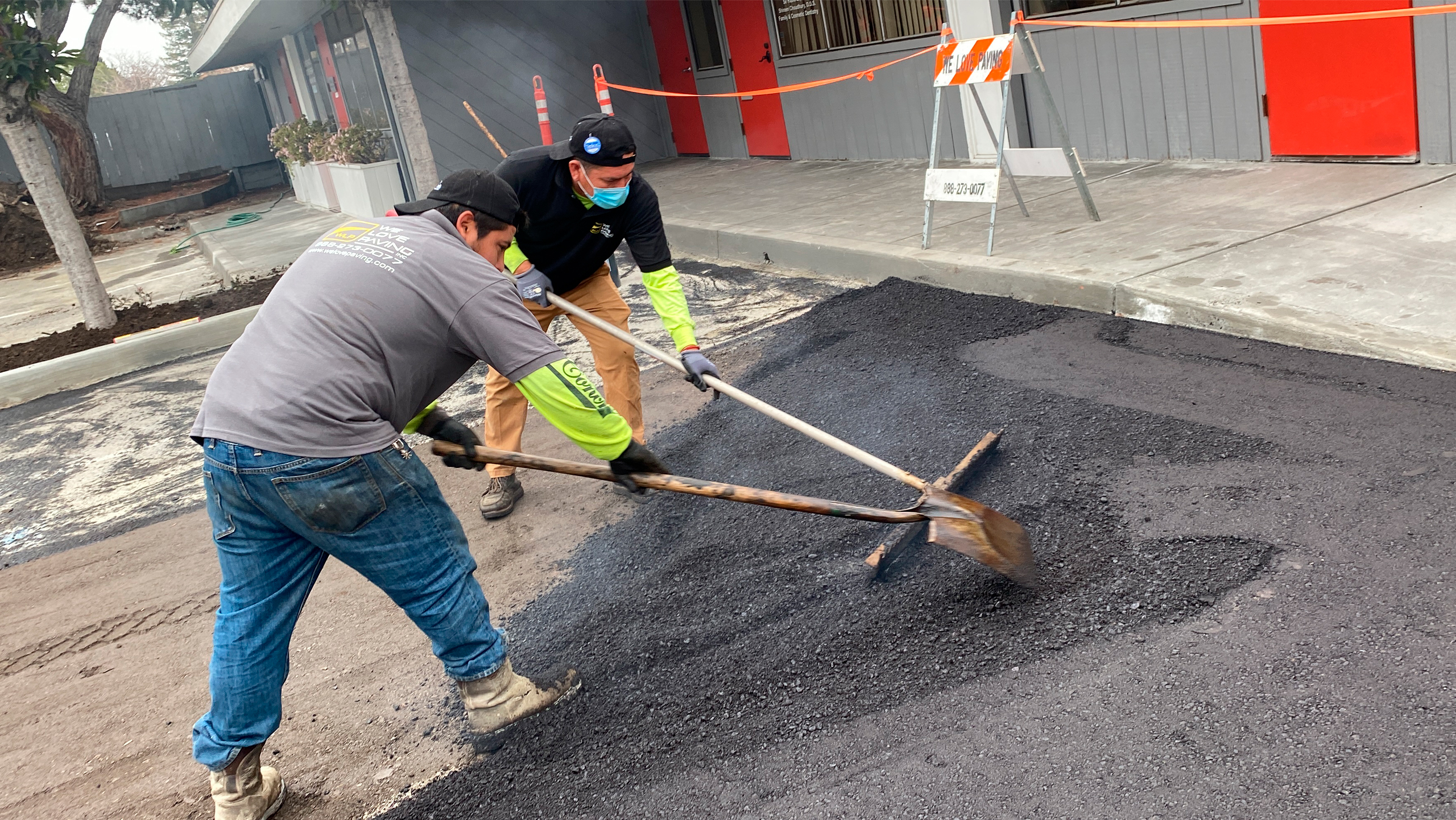
For paving companies, the season reaches its endpoint when the ground freezes, making it impractical to continue working. This limitation is particularly evident with asphalt, the favored paving material for its versatility and cost-effectiveness. Asphalt achieves its best results in warm weather, typically during the summer months.

During winter, the ground becomes too rigid for effective asphalt installation. Attempting to lay asphalt in these conditions often leads to subpar outcomes, as the material sets too quickly for proper smoothing and finishing. Consequently, poorly executed paving increases susceptibility to wear and tear, hastening the need for repairs or replacement.

Seal coating, essential for protecting asphalt surfaces, is also compromised by inclement weather. Because it relies on water-based sealers, seal coating cannot adhere correctly when applied in inappropriate conditions.

Temperature Considerations

The ideal temperature for asphalt paving is above 45 degrees Fahrenheit. Cooler temperatures hinder the workability of the asphalt mix, resulting in premature hardening and reduced pourability. Conversely, excessively cold conditions cause asphalt to crumble and separate from its binder, jeopardizing the pavement’s structural integrity.

Optimal Timing for Concrete Paving

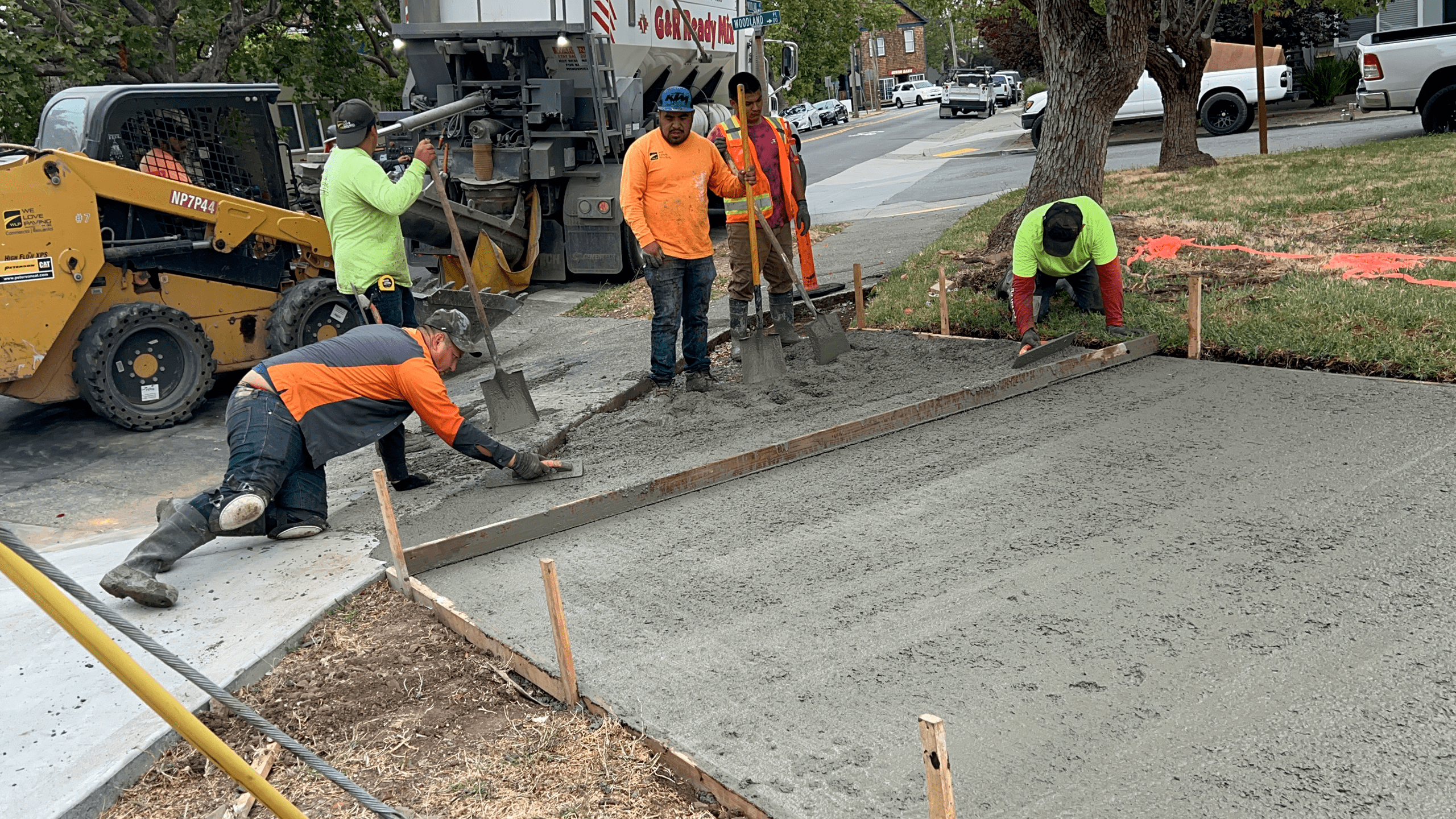
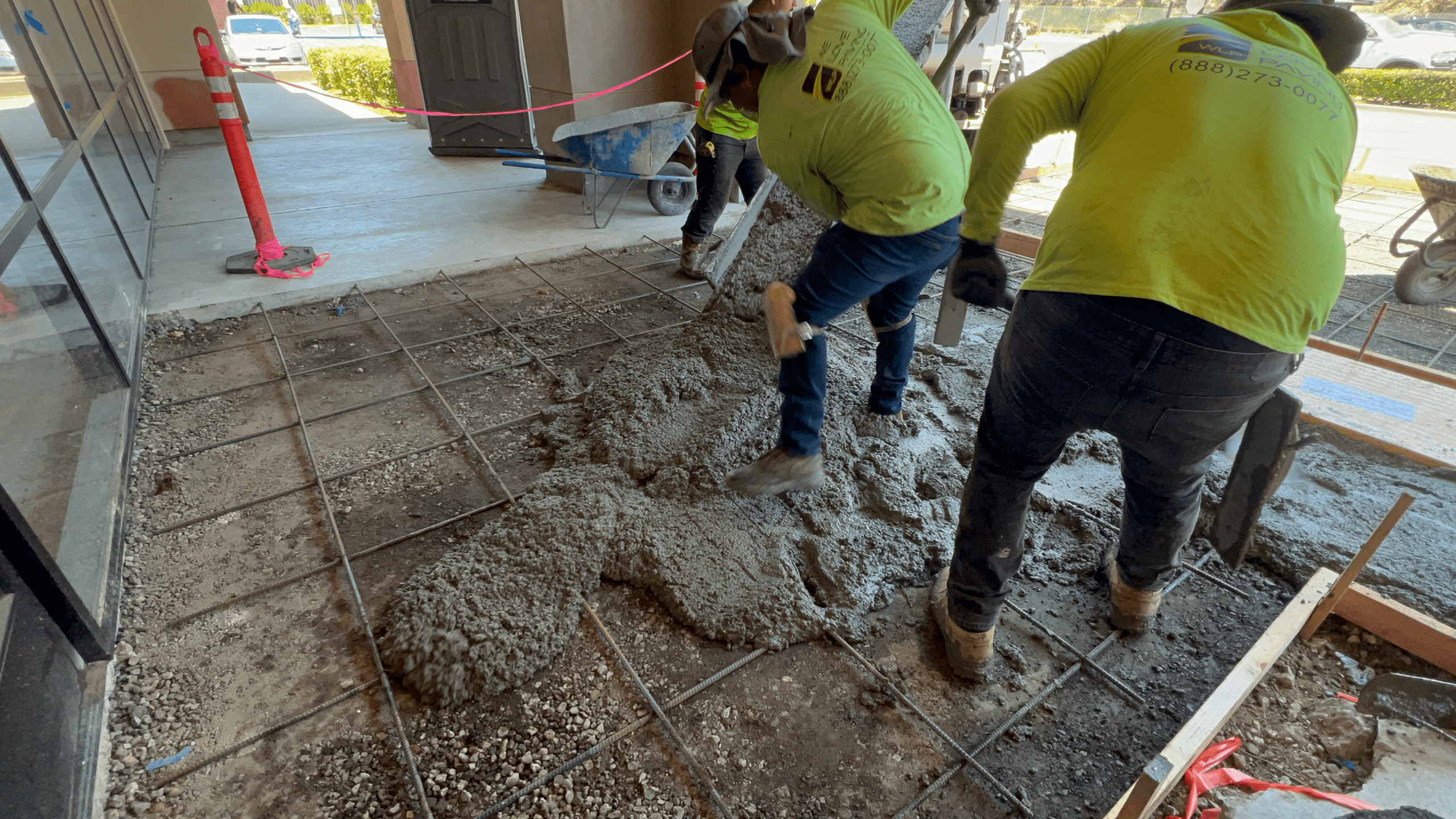
While asphalt prefers warmer weather, concrete paving thrives in cooler, moderate climates. Spring and early summer present viable options, but fall emerges as the prime season for concrete pouring. Stable ambient and air temperatures, along with moderate humidity levels, create ideal conditions for concrete projects. During fall, the days offer warmth without excessive heat, and nights bring cooler temperatures conducive to proper curing.

Mitigating Precipitation Risks

In addition to temperature, precipitation poses significant challenges for paving projects. Early spring brings melting snow and increased rainfall, leading to wet ground conditions unsuitable for paving. Water infiltration compromises the structural integrity of the pavement and can damage base layers, impeding proper asphalt curing. Delaying paving projects until drier conditions prevail reduces the risk of moisture-related issues and ensures a more robust end result.

Conclusion

The timing of your paving project is more than just a matter of convenience; it’s a critical factor in achieving optimal results. Understanding the seasonal constraints, temperature requirements, and precipitation risks associated with paving helps you plan effectively and avoid potential pitfalls. Whether you’re considering asphalt or concrete paving, choosing the right time ensures a smoother process and a durable, long-lasting surface for years to come.

Share

WHO IS FRED?

Fred, Regional Operations Manager, comes from a family of immigrant roots and a story built on sacrifice, discipline, and hard work. Growing up, Fred watched his parents work long hours and weekends to create a better future teaching him the values of perseverance, determination, and doing things the right way every single time.
We Love Paving began with Fred’s father, who started doing what he knew best: paving. Over the years, he built experience alongside respected professionals in the industry, refining his methods and developing a reputation for quality work that speaks for itself. As his clientele grew, so did the vision one built not only on skill, but on integrity and pride in every job.

Posts that might interest you

How Close to My Property Line Can I Pour Concrete?

How Close to My Property Line Can I Pour Concrete?

June 28, 2024

Pouring concrete close to your property line is a common issue for homeowners looking to enhance their outdoor spaces. Whether it’s for a driveway, patio, or walkway, understanding the legal and practical considerations is crucial to avoid disputes with neighbors and comply with local regulations. This guide explores the key factors influencing how close you

How to Fix a Crumbling Concrete Driveway: The Ultimate Repair Guide

How to Fix a Crumbling Concrete Driveway: The Ultimate Repair Guide

June 27, 2024

When a concrete driveway starts to crumble, it’s more than a cosmetic issue—it’s a warning sign that the surface is losing its structural integrity. Left untreated, it can lead to major damage, higher repair costs, and safety hazards. Whether you’re a homeowner or manage a commercial property, this guide will show you how to restore

Do You Need a Permit to Replace a Driveway? A Comprehensive Guide

Do You Need a Permit to Replace a Driveway? A Comprehensive Guide

June 25, 2024

Replacing a driveway is a significant home improvement project that can enhance curb appeal, increase property value, and improve functionality. However, before you start tearing up your old driveway and pouring new concrete or laying pavers, it’s crucial to understand the legal and regulatory requirements involved. One of the most common questions homeowners have is

Steps Involved in Asphalt Paving

Steps Involved in Asphalt Paving

June 25, 2024

Asphalt paving is a necessary part of the construction industry. It’s a versatile material used to build roads, parking lots, and driveways. Understanding the steps involved in asphalt paving will help you choose the right pavement for your needs. Asphalt is an extremely durable material that withstands traffic and the elements. It is also environmentally

The Cost of Asphalt Cutting Per Linear Foot: What to Expect

The Cost of Asphalt Cutting Per Linear Foot: What to Expect

June 24, 2024

When it comes to construction and repair projects, asphalt cutting is often a necessary task, whether for roadworks, driveways, or other paved surfaces. Understanding the cost involved in asphalt cutting per linear foot can help you budget more accurately for your project. This article will break down the factors affecting these costs and provide a

The Best Base for an Asphalt Driveway: A Comprehensive Guide

The Best Base for an Asphalt Driveway: A Comprehensive Guide

June 24, 2024

What Do You Lay Under Asphalt?

What Do You Lay Under Asphalt?

June 24, 2024

The Process of Asphalt Paving

The Process of Asphalt Paving

June 19, 2024

Asphalt Paving is a complex process that involves numerous stages. A good paving contractor will be willing to walk you through their work processes and answer any questions. Inquire about an asphalt paving contractor’s license, worker’s compensation, and liability insurance. Ask them to provide references and project examples. Also, ask about their education and training.

Understanding the Concrete Business: A Comprehensive Overview

Understanding the Concrete Business: A Comprehensive Overview

June 18, 2024

The term “concrete business” encompasses a wide range of activities within the construction industry. From the production and delivery of ready-mixed concrete to the construction of roads, buildings, and other infrastructure projects, businesses involved in concrete play a crucial role in shaping the built environment. This article delves into the definition of a concrete business,

How Much Does it Cost to Pave One Mile of Road in California?

How Much Does it Cost to Pave One Mile of Road in California?

June 17, 2024

Paving a mile of road in California is a complex process influenced by various factors, including materials, labor, equipment, environmental regulations, and the geographical characteristics of the area. Understanding the costs involved requires breaking down these factors and examining them in detail. This blog delves into the intricacies of road paving in California, providing a

Previous Next