When does paving season end?

Paving season isn’t an abstract concept; it’s a concrete consideration for anyone embarking on a paving project, whether it’s for a residential driveway or a commercial parking lot. Knowing when to schedule your paving work can make all the difference between a smooth, durable surface and a potential headache down the road. Let’s explore the optimal timing for paving projects and why it matters.

Understanding Seasonal Constraints

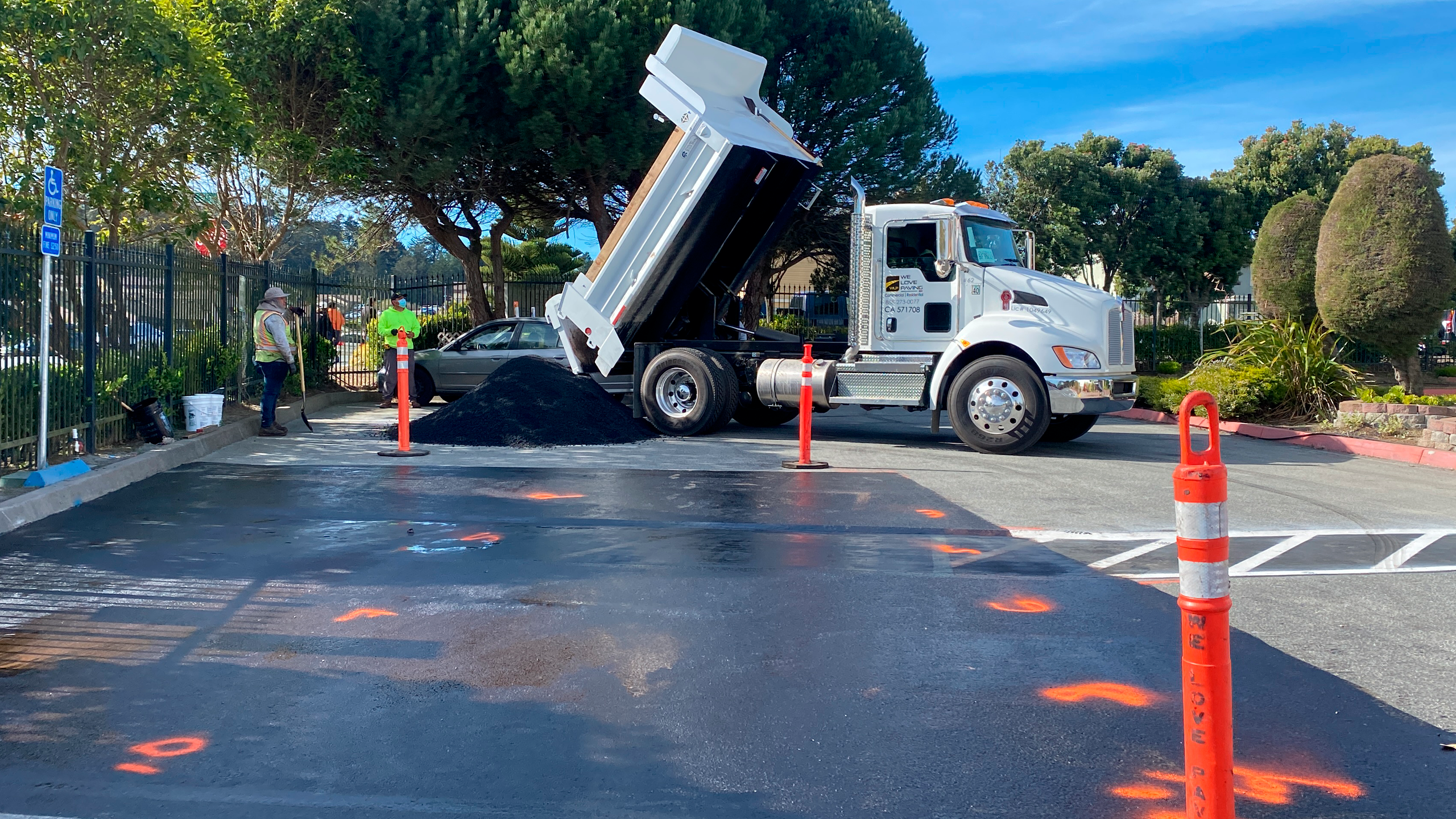
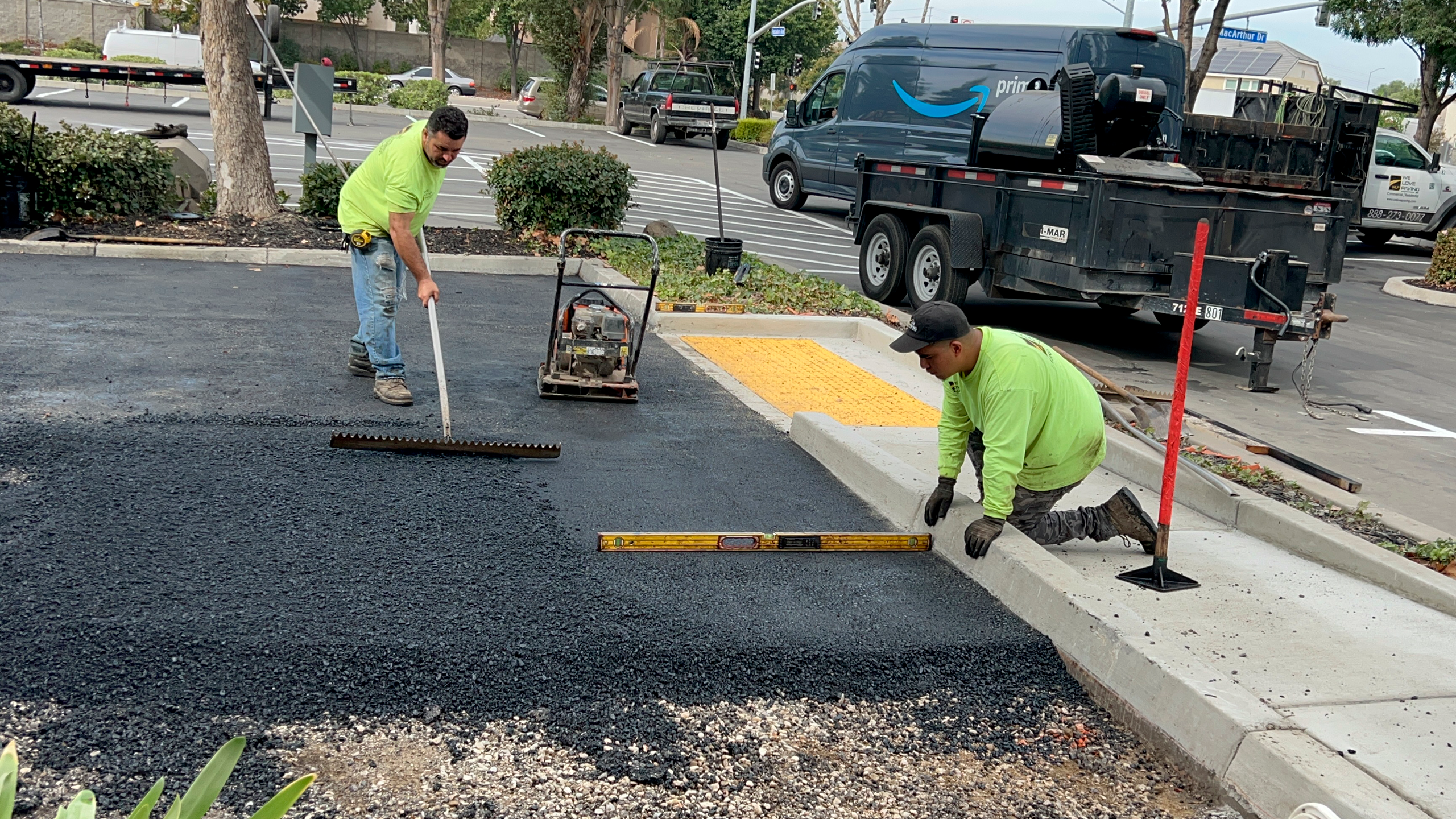
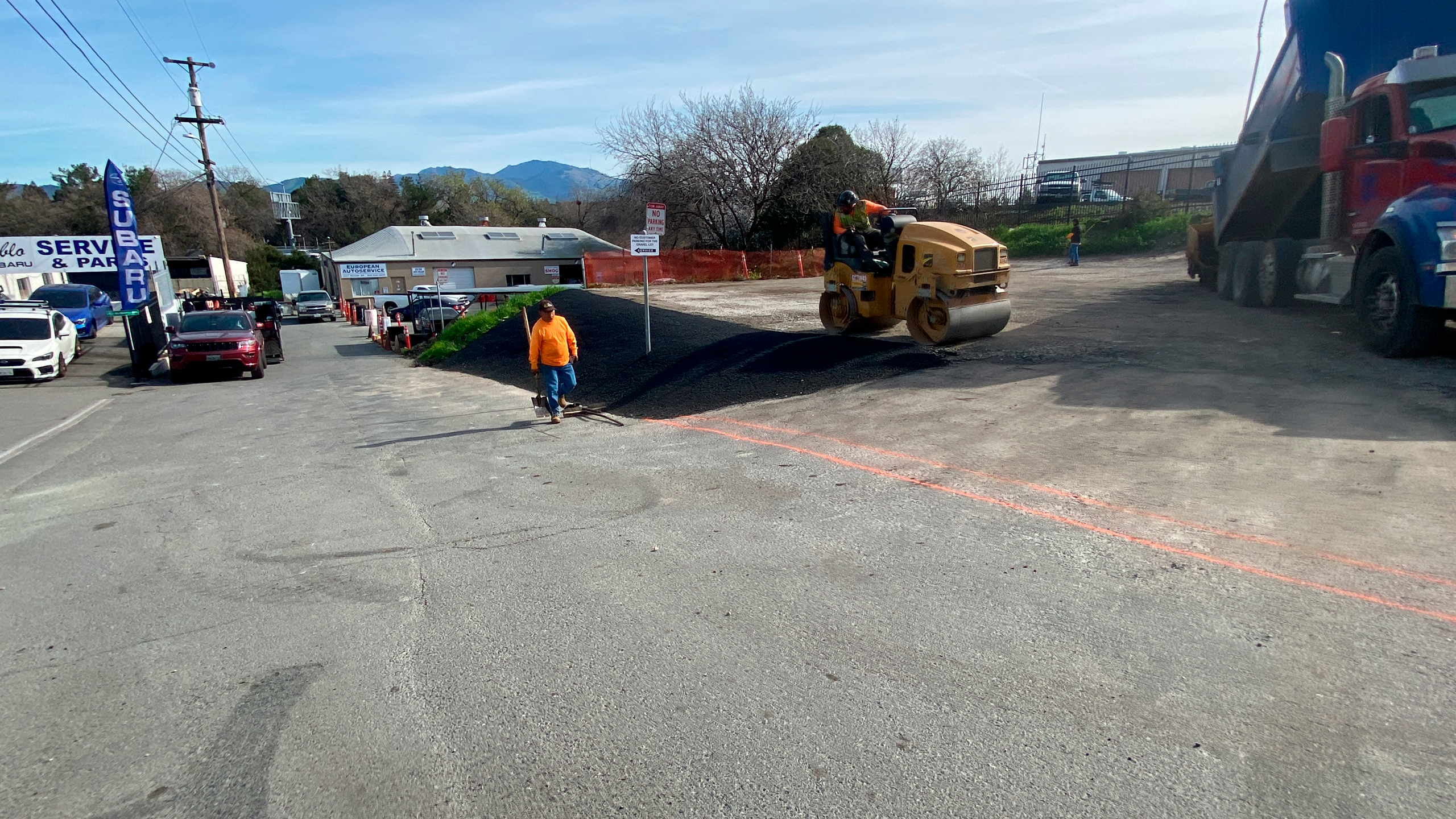
For paving companies, the season reaches its endpoint when the ground freezes, making it impractical to continue working. This limitation is particularly evident with asphalt, the favored paving material for its versatility and cost-effectiveness. Asphalt achieves its best results in warm weather, typically during the summer months.

During winter, the ground becomes too rigid for effective asphalt installation. Attempting to lay asphalt in these conditions often leads to subpar outcomes, as the material sets too quickly for proper smoothing and finishing. Consequently, poorly executed paving increases susceptibility to wear and tear, hastening the need for repairs or replacement.

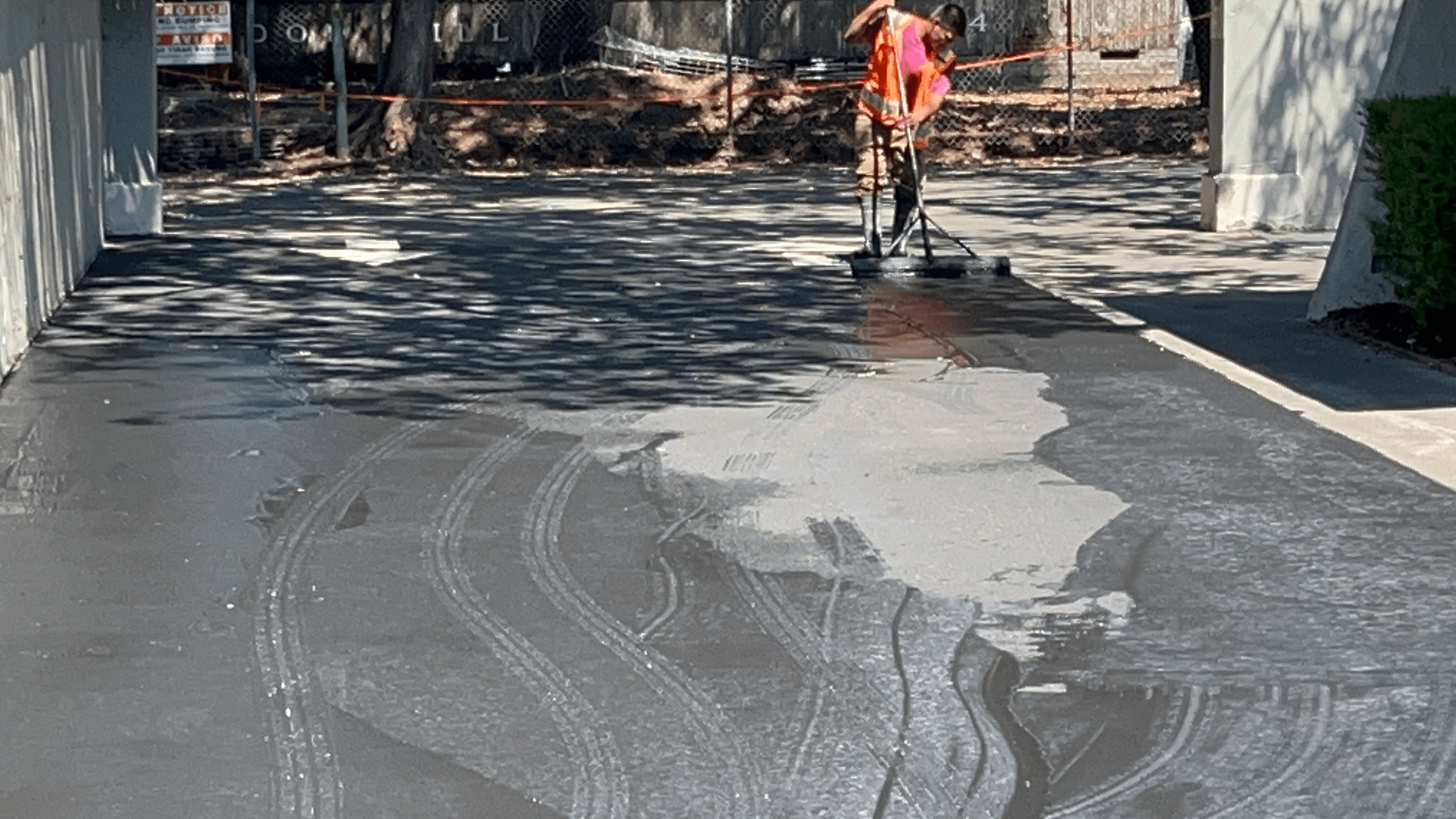
Seal coating, essential for protecting asphalt surfaces, is also compromised by inclement weather. Because it relies on water-based sealers, seal coating cannot adhere correctly when applied in inappropriate conditions.

Temperature Considerations

The ideal temperature for asphalt paving is above 45 degrees Fahrenheit. Cooler temperatures hinder the workability of the asphalt mix, resulting in premature hardening and reduced pourability. Conversely, excessively cold conditions cause asphalt to crumble and separate from its binder, jeopardizing the pavement’s structural integrity.

Optimal Timing for Concrete Paving

While asphalt prefers warmer weather, concrete paving thrives in cooler, moderate climates. Spring and early summer present viable options, but fall emerges as the prime season for concrete pouring. Stable ambient and air temperatures, along with moderate humidity levels, create ideal conditions for concrete projects. During fall, the days offer warmth without excessive heat, and nights bring cooler temperatures conducive to proper curing.

Mitigating Precipitation Risks

In addition to temperature, precipitation poses significant challenges for paving projects. Early spring brings melting snow and increased rainfall, leading to wet ground conditions unsuitable for paving. Water infiltration compromises the structural integrity of the pavement and can damage base layers, impeding proper asphalt curing. Delaying paving projects until drier conditions prevail reduces the risk of moisture-related issues and ensures a more robust end result.

Conclusion

The timing of your paving project is more than just a matter of convenience; it’s a critical factor in achieving optimal results. Understanding the seasonal constraints, temperature requirements, and precipitation risks associated with paving helps you plan effectively and avoid potential pitfalls. Whether you’re considering asphalt or concrete paving, choosing the right time ensures a smoother process and a durable, long-lasting surface for years to come.

Share

WHO IS FRED?

Fred, Regional Operations Manager, comes from a family of immigrant roots and a story built on sacrifice, discipline, and hard work. Growing up, Fred watched his parents work long hours and weekends to create a better future teaching him the values of perseverance, determination, and doing things the right way every single time.
We Love Paving began with Fred’s father, who started doing what he knew best: paving. Over the years, he built experience alongside respected professionals in the industry, refining his methods and developing a reputation for quality work that speaks for itself. As his clientele grew, so did the vision one built not only on skill, but on integrity and pride in every job.

Posts that might interest you

How Long Should an Asphalt Driveway Last Before Cracking?

How Long Should an Asphalt Driveway Last Before Cracking?

July 5, 2024

When investing in an asphalt driveway, homeowners often wonder about its longevity and durability. Asphalt driveways are popular due to their affordability, aesthetic appeal, and resilience. However, like any material, asphalt is not immune to wear and tear, and over time, cracking can occur. This article explores the lifespan of asphalt driveways before cracking, with

What Temperature Should Asphalt Be Between Lifts? Insights from Sacramento, California

What Temperature Should Asphalt Be Between Lifts? Insights from Sacramento, California

July 5, 2024

Asphalt paving is a precise and methodical process where temperature plays a critical role in ensuring the durability and quality of the pavement. This is particularly true for the placement of multiple lifts or layers of asphalt. In Sacramento, California, with its distinctive climate, understanding the optimal temperature for asphalt between lifts is essential for

How Long Does an Asphalt Overlay Last? A Focus on Sacramento, California

How Long Does an Asphalt Overlay Last? A Focus on Sacramento, California

July 4, 2024

Asphalt overlays are a crucial component of road maintenance and construction, offering a cost-effective solution for renewing and extending the life of existing pavements. In Sacramento, California, where urban expansion and infrastructural development are ongoing, understanding the longevity of asphalt overlays is vital for city planners, construction companies, and residents. This article delves into the

How Much Asphalt Can Be Laid in a Day?

How Much Asphalt Can Be Laid in a Day?

July 3, 2024

Asphalt paving is a critical component of many construction projects, from residential driveways to major highways. One of the most important considerations for project managers and homeowners alike is understanding how much asphalt can be laid in a day. This not only impacts the timeline of a project but also its overall cost and logistical

How Steep Can an Asphalt Driveway Be?

How Steep Can an Asphalt Driveway Be?

July 3, 2024

Asphalt driveways are a popular choice for homeowners due to their durability, cost-effectiveness, and ease of installation. However, one critical factor to consider when planning an asphalt driveway is its slope. The steepness of a driveway can significantly impact its functionality, safety, and longevity. In this article, we will explore how steep an asphalt driveway

What is the Life Expectancy of Asphalt Paving in Sacramento, California?

What is the Life Expectancy of Asphalt Paving in Sacramento, California?

July 2, 2024

Asphalt paving is a critical component of urban infrastructure, serving as the backbone of city streets, highways, and parking lots. Its durability, cost-effectiveness, and ease of maintenance make it a popular choice for municipalities worldwide. In Sacramento, California, where urban development and traffic demand are continually increasing, understanding the life expectancy of asphalt paving is

What is the Minimum Thickness of Asphalt Pavement?

What is the Minimum Thickness of Asphalt Pavement?

July 2, 2024

The minimum thickness for asphalt pavement depends on the project: residential driveways require at least 2 inches, while commercial parking lots often start at 4 inches for durability. Factors Influencing Asphalt Pavement Thickness Traffic Load: The volume and weight of traffic that the pavement will support is a primary consideration. Heavier loads, such as those

What is the Tolerance for Asphalt Thickness?

What is the Tolerance for Asphalt Thickness?

July 1, 2024

Asphalt pavement quality is crucial for the longevity and durability of roads, driveways, and parking lots. One key aspect that affects the performance of asphalt surfaces is the thickness tolerance. This detailed guide will explore the importance of asphalt thickness tolerance, the factors that influence it, measurement techniques, and best practices for maintaining accurate thickness

What is the Best Quality Asphalt for Driveways?

What is the Best Quality Asphalt for Driveways?

June 28, 2024

Choosing the best quality asphalt for your driveway is essential to ensure durability, aesthetic appeal, and cost-effectiveness. This guide explores the types of asphalt, their benefits, and how to select the best option for your driveway needs. Understanding Asphalt Factors to Consider When Choosing Asphalt Types of Asphalt for Driveways Comparing Asphalt to Other Materials

How Thick Should Asphalt Paving Be?

How Thick Should Asphalt Paving Be?

June 28, 2024

Choosing the right thickness for asphalt paving is crucial for the longevity and durability of the surface, whether it’s a driveway, parking lot, or roadway. The thickness of asphalt paving affects its ability to withstand traffic loads, weather conditions, and overall wear and tear. This article will explore the factors influencing asphalt thickness and provide

Previous Next