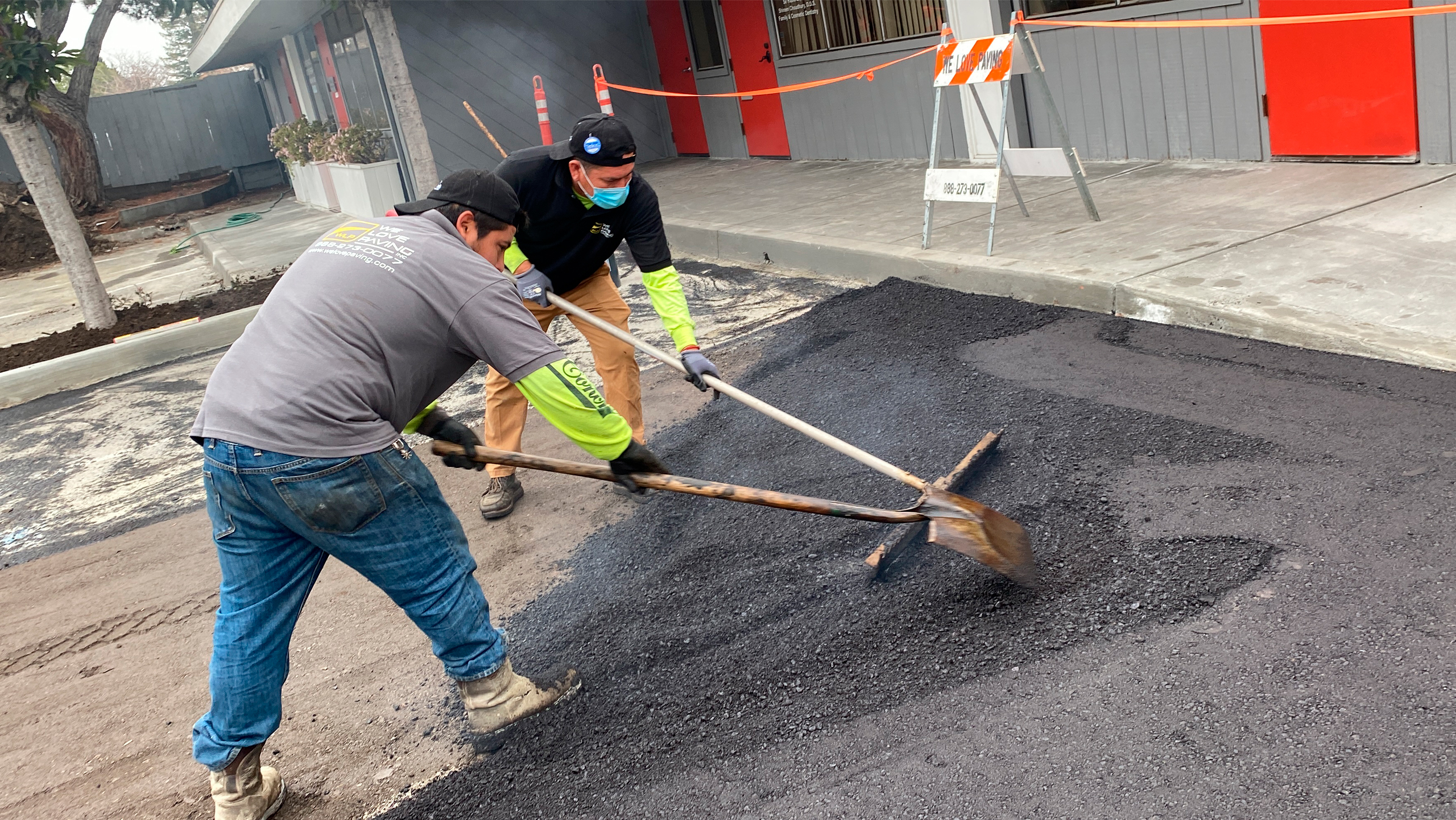
Asphalt paving is a precise and methodical process where temperature plays a critical role in ensuring the durability and quality of the pavement. This is particularly true for the placement of multiple lifts or layers of asphalt. In Sacramento, California, with its distinctive climate, understanding the optimal temperature for asphalt between lifts is essential for successful paving projects. This article explores the importance of temperature in asphalt paving, the ideal temperature range between lifts, and best practices specific to Sacramento.
The Importance of Temperature in Asphalt Paving
Temperature is a fundamental factor in asphalt paving because it affects the asphalt’s workability, compaction, and bonding. Proper temperature management ensures that the asphalt mix can be adequately compacted to achieve the desired density and structural integrity. If the temperature is too low, the asphalt may cool too quickly, leading to poor compaction and weak bonding. Conversely, if the temperature is too high, the asphalt can become overly soft and may deform under traffic loads.
Ideal Temperature Range Between Lifts
The ideal temperature range for asphalt between lifts can vary based on the type of asphalt mix and environmental conditions. However, a general guideline for traditional hot mix asphalt (HMA) is as follows:
Lower Lift Temperature
The lower lift of asphalt should typically be at a temperature between 250°F and 300°F (121°C to 149°C) when the upper lift is placed. This range ensures that the lower lift is sufficiently warm to facilitate proper bonding with the new layer being applied.
Upper Lift Placement Temperature
The upper lift should be placed when the lower lift is still within the aforementioned temperature range. Ideally, the fresh asphalt mix should be between 275°F and 325°F (135°C to 163°C) when delivered to the site and laid down.
Compaction Temperature
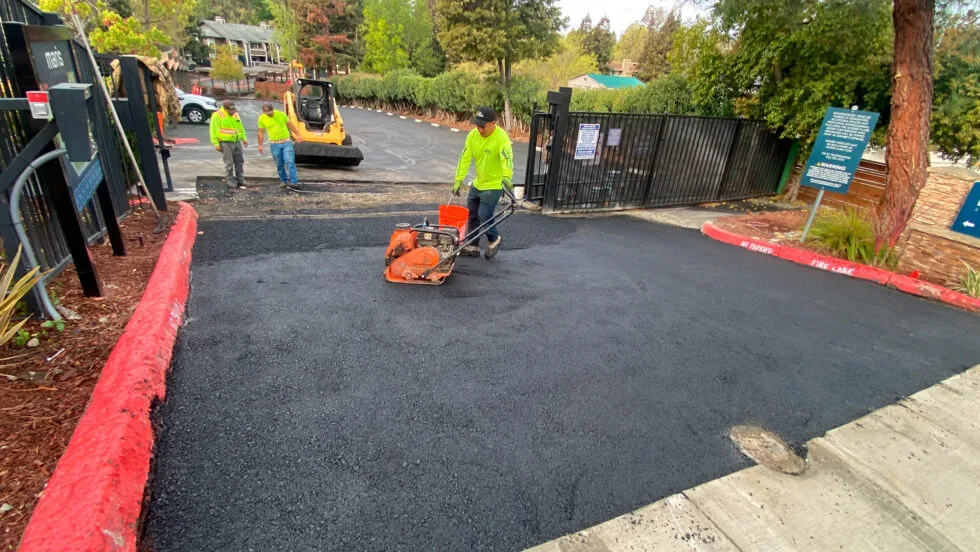
Compaction should begin immediately after the upper lift is placed, typically when the asphalt is between 250°F and 300°F (121°C to 149°C). Compaction at this temperature range helps achieve the necessary density and structural strength.
Best Practices for Temperature Management in Sacramento
Monitoring Environmental Conditions
Sacramento’s climate, with its hot summers and mild winters, requires careful monitoring of environmental conditions during paving projects. In the summer, high ambient temperatures can accelerate the cooling of asphalt, while in cooler periods, maintaining sufficient heat may be challenging. Using temperature monitoring equipment on-site helps ensure that the asphalt is within the optimal range throughout the process.
Adjusting Asphalt Mix
The type of asphalt mix used can be adjusted to suit the prevailing temperatures. For example, polymer-modified asphalt mixes can provide better performance in Sacramento’s hot climate by offering greater resistance to rutting and deformation at higher temperatures.
Efficient Transportation and Placement
Minimizing the time between asphalt production and placement is crucial. In Sacramento, coordinating the timing of asphalt delivery to ensure it remains within the optimal temperature range during transport and placement helps maintain quality. Insulated transport trucks can be used to reduce heat loss.
Layer Thickness
Thicker asphalt layers tend to retain heat longer than thinner layers. In Sacramento, where rapid cooling can be a concern, adjusting the lift thickness to ensure proper temperature retention can be beneficial. However, this must be balanced with the need for adequate compaction and structural integrity.
Use of Warm Mix Asphalt (WMA)
Warm mix asphalt technologies allow for lower production and compaction temperatures. WMA can be particularly advantageous in Sacramento by reducing the risk of asphalt cooling too quickly and improving workability under varying temperature conditions.
Case Studies and Examples from Sacramento
Residential Streets in Sacramento
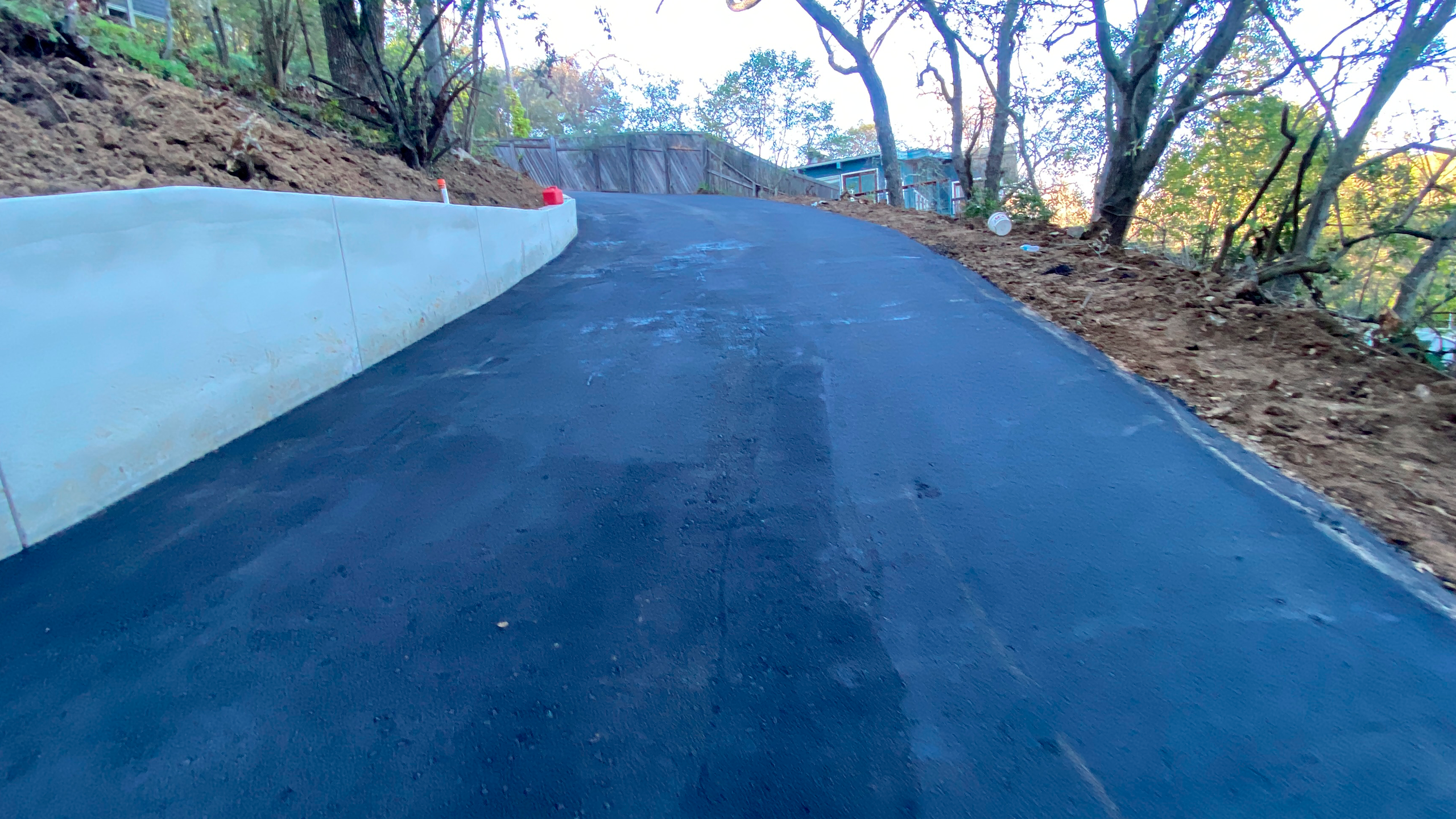
A project involving the resurfacing of residential streets in Sacramento utilized temperature monitoring to ensure optimal conditions between asphalt lifts. By maintaining the lower lift temperature around 280°F (138°C) and placing the upper lift at approximately 300°F (149°C), the project achieved excellent compaction and extended pavement life.
Highway Paving Projects
On highway projects, where the volume of asphalt and traffic loads are significant, maintaining the correct temperature between lifts has proven critical. For instance, a section of Interstate 5 was paved with an emphasis on temperature control, resulting in a smooth, durable surface that withstands heavy traffic.
Future Trends and Innovations
Advanced Temperature Monitoring Systems
The use of advanced infrared temperature sensors and GPS-based monitoring systems is becoming more common. These technologies provide real-time data on asphalt temperatures during transport, placement, and compaction, allowing for immediate adjustments to ensure optimal conditions.
Innovative Asphalt Mixes
Research and development in asphalt technology are leading to new mixes that can better withstand temperature variations. For example, high-performance asphalt mixes designed for extreme climates can offer improved durability and resistance to thermal cracking.
Sustainable Paving Practices
Incorporating recycled materials and using sustainable paving practices can contribute to better temperature management. Recycled asphalt pavement (RAP) can retain heat longer, aiding in temperature maintenance between lifts.
Conclusion
Maintaining the correct temperature between asphalt lifts is crucial for the success of paving projects in Sacramento, California. By understanding the ideal temperature ranges and implementing best practices for temperature management, construction professionals can ensure durable, high-quality pavements. As technological advancements continue to emerge, the ability to monitor and control asphalt temperatures will further enhance the efficiency and longevity of asphalt paving projects in Sacramento and beyond.