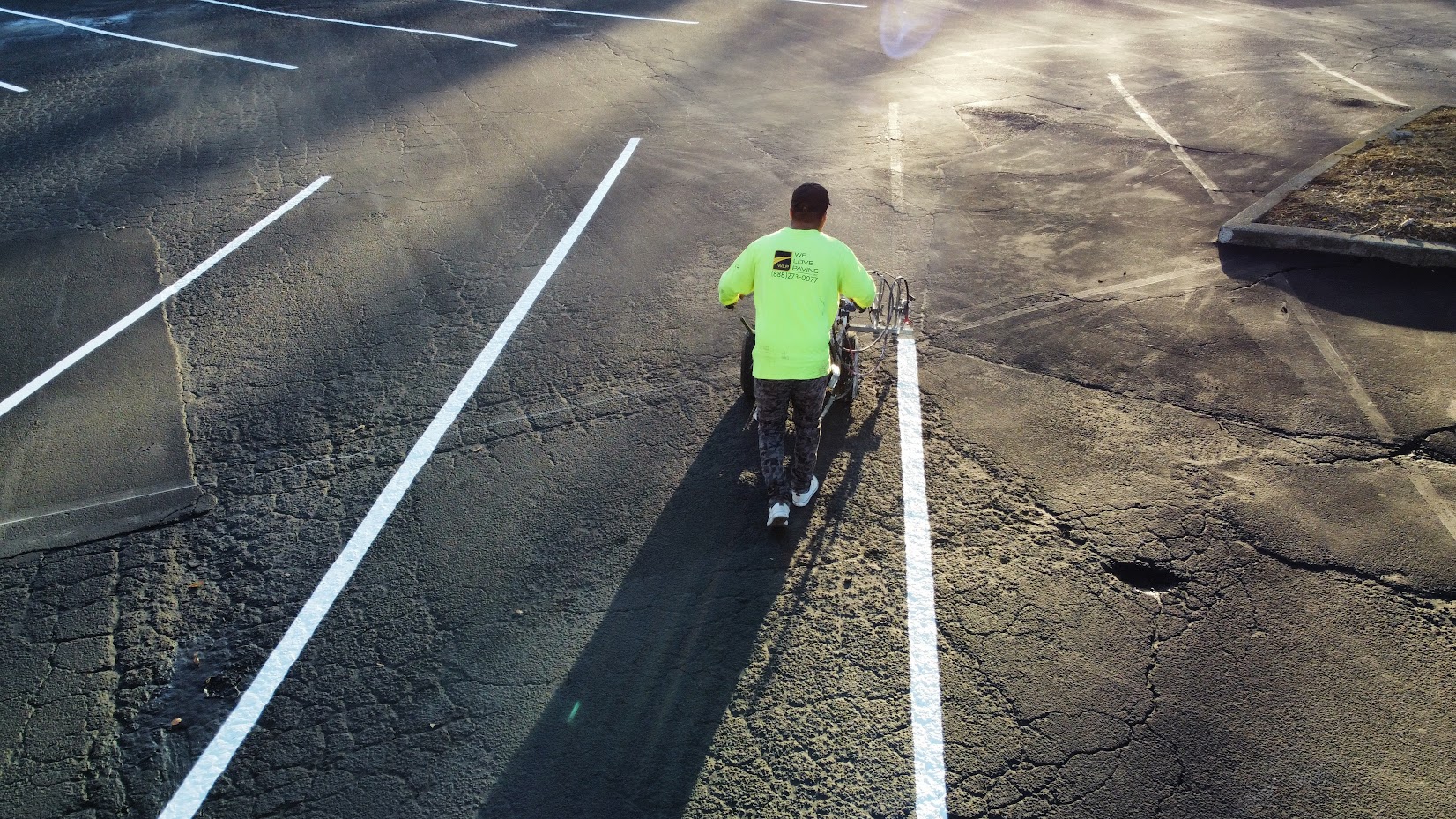
The minimum thickness for asphalt pavement depends on the project: residential driveways require at least 2 inches, while commercial parking lots often start at 4 inches for durability.
Factors Influencing Asphalt Pavement Thickness
- Traffic Load: The volume and weight of traffic that the pavement will support is a primary consideration. Heavier loads, such as those from trucks and buses, require thicker pavement to prevent damage and ensure longevity. For instance, residential driveways typically support lighter loads compared to commercial parking lots or highways, which endure constant heavy traffic.
- Soil Conditions: The quality of the underlying soil, or subgrade, affects the required thickness. Weak or unstable soils require a thicker asphalt layer to distribute the loads effectively and prevent deformation. Soil stabilization techniques or additional base layers might be necessary for poor soil conditions.
- Climate: Areas with extreme weather conditions, such as freezing and thawing cycles, may require thicker asphalt to withstand the stresses caused by temperature fluctuations. In regions with harsh winters, the freeze-thaw cycle can cause significant damage to asphalt if it’s not thick enough.
- Pavement Use: Different applications, such as residential driveways, commercial parking lots, and highways, have varying requirements for asphalt thickness based on their specific use cases. For example, a highway subjected to heavy truck traffic will need a thicker pavement than a residential driveway used only by passenger cars.
Minimum Thickness for Different Applications
- Residential Driveways:
- Light Duty: For residential driveways with light traffic (passenger cars), a minimum thickness of 2-3 inches of compacted hot-mix asphalt (HMA) is typically recommended.
- Heavy Duty: For driveways that may occasionally support heavier vehicles, such as RVs or delivery trucks, a thickness of 3-4 inches is advisable.
- Commercial Parking Lots:
- Light Traffic Areas: In areas with light traffic, such as parking spaces, a minimum thickness of 3 inches is generally sufficient.
- Heavy Traffic Areas: For areas with heavier traffic, including drive lanes and entrances, a minimum thickness of 4-6 inches is recommended to withstand the increased load.
- Roadways and Highways:
- Local Roads: For local or residential roads with moderate traffic, a minimum thickness of 4 inches of asphalt pavement is typically required.
- Highways: For highways and major roads that experience heavy traffic and large commercial vehicles, a thickness of 6-8 inches or more may be necessary to ensure structural integrity and longevity.
Layers of Asphalt Pavement
Asphalt pavements are usually constructed in multiple layers, each with a specific function:
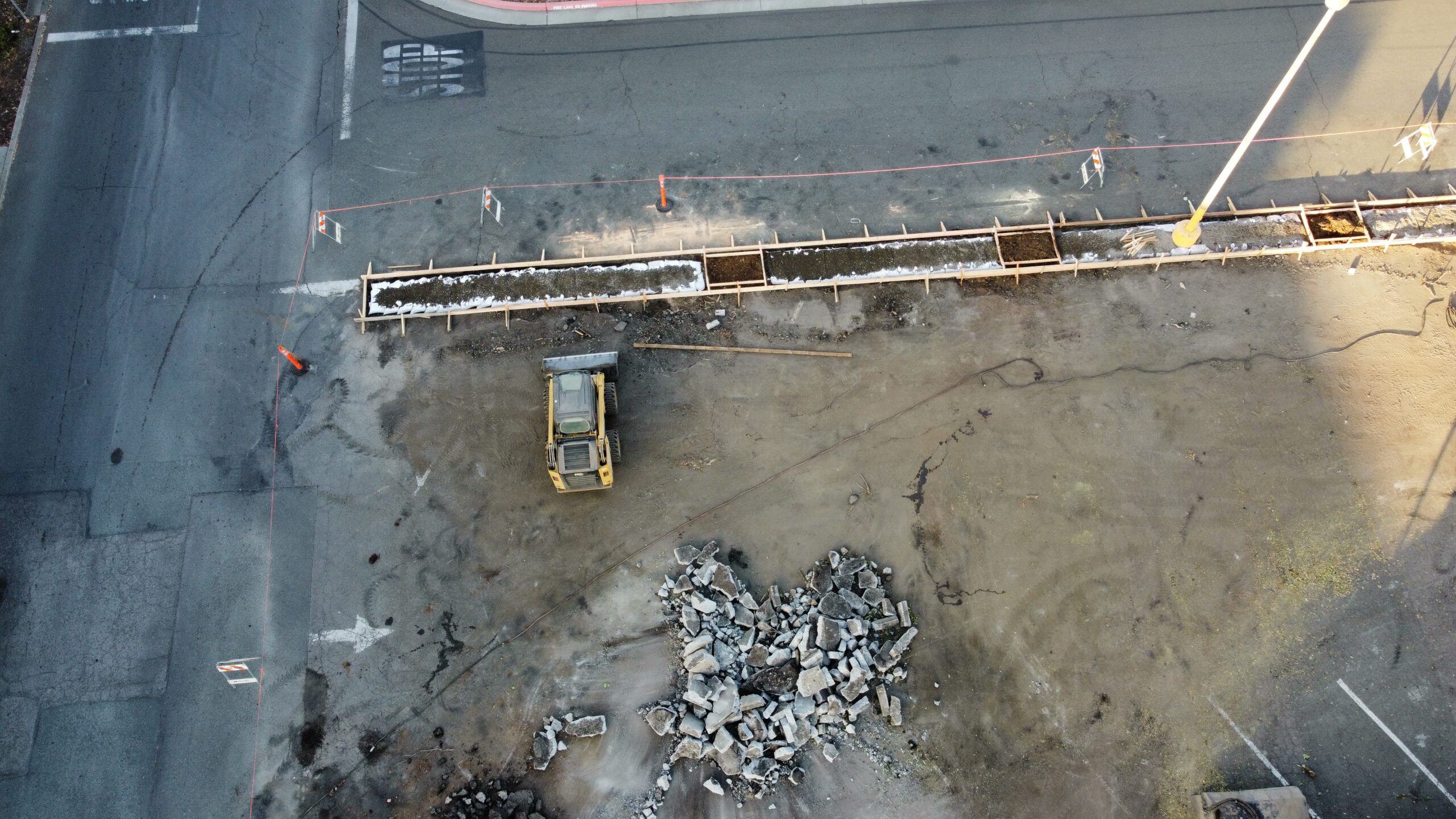
- Base Course: This is the foundation layer that provides structural support and distributes loads. It is typically made of crushed stone or gravel and is compacted to form a stable base. The base course is critical for preventing the pavement from sinking or shifting.
- Binder Course: This intermediate layer adds strength and stability to the pavement structure. It consists of larger aggregate mixed with asphalt binder. The binder course helps to distribute the load and provides a stable platform for the surface course.
- Surface Course: The top layer, also known as the wearing course, provides a smooth, durable surface for traffic. It consists of smaller aggregate and a higher asphalt binder content for a smoother finish. The surface course is designed to withstand direct contact with traffic and environmental conditions.
Importance of Proper Compaction
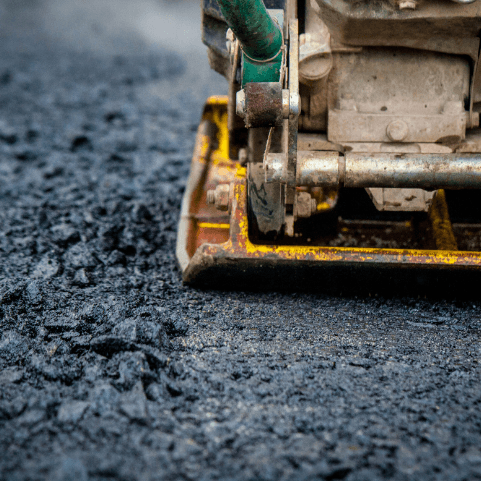
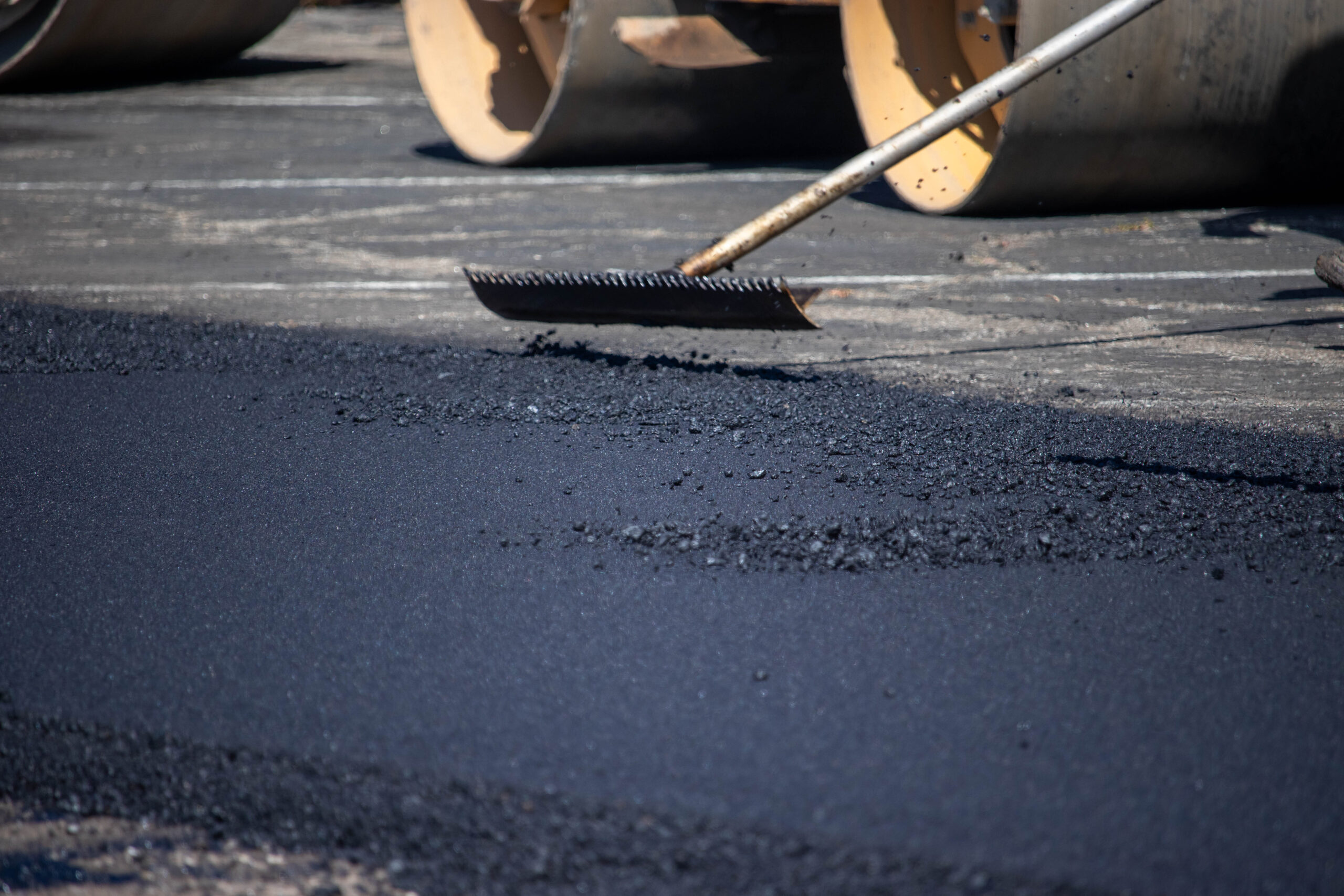
Proper compaction is essential for achieving the desired thickness and ensuring the durability of the asphalt pavement. Inadequate compaction can lead to a variety of issues, including reduced load-bearing capacity, increased water infiltration, and premature deterioration. Using the right equipment and techniques during the compaction process is critical for achieving optimal results.
Compaction Techniques:
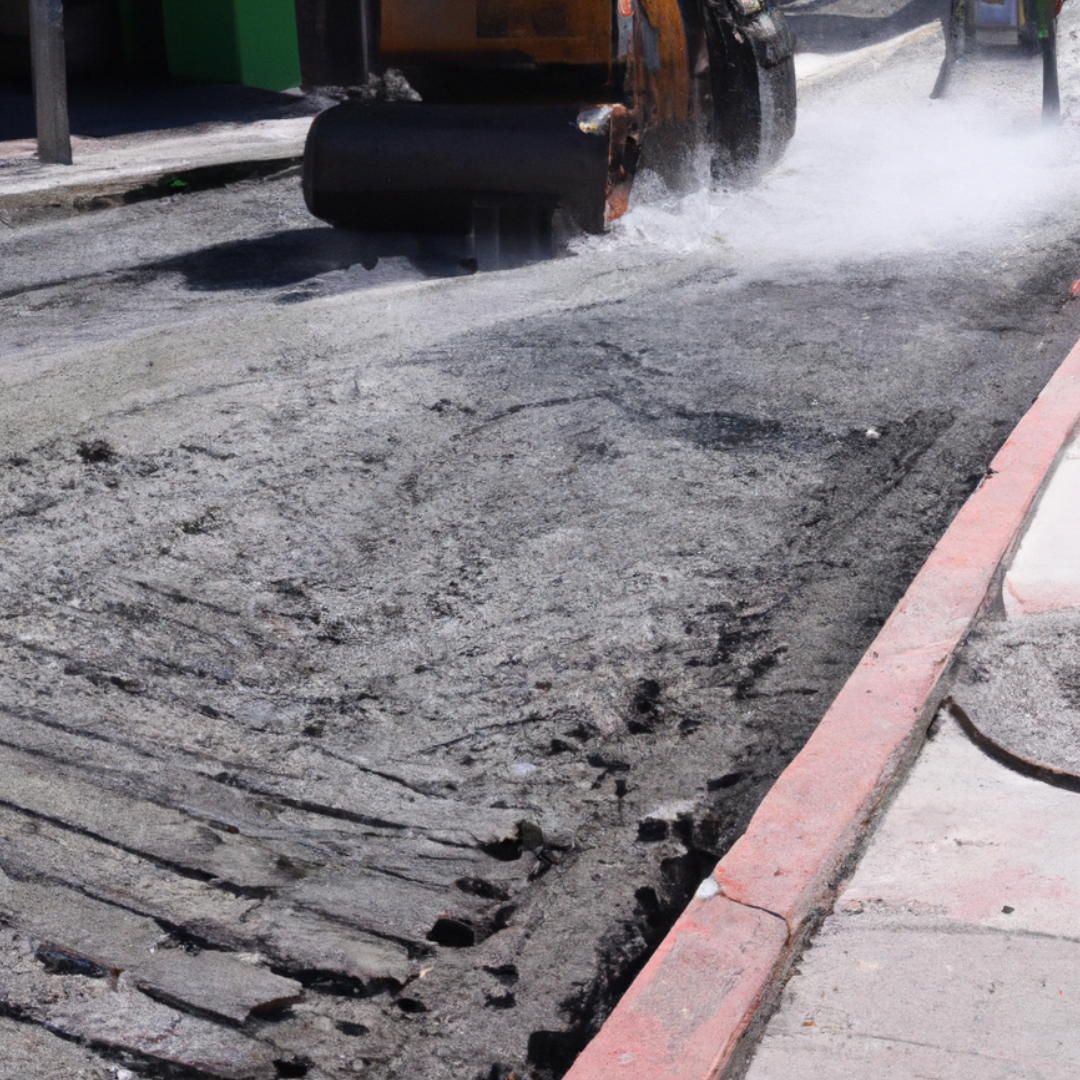
- Vibratory Rollers: These are commonly used for asphalt compaction and are effective at removing air voids and achieving the desired density.
- Pneumatic Tire Rollers: These rollers use rubber tires to provide a kneading action, which helps to further compact the asphalt and improve its density.
- Static Rollers: These rollers use static pressure to compact the asphalt and are typically used for final compaction to achieve a smooth surface.
Guidelines for Asphalt Pavement Thickness
- Conduct a Soil Test: Before determining the asphalt thickness, perform a soil test to evaluate the strength and stability of the subgrade. This information will help in designing the appropriate pavement structure. Soil testing can reveal potential issues that need to be addressed before paving, such as high moisture content or weak soil.
- Consider Future Traffic Loads: Anticipate future traffic volumes and loads to ensure the pavement can accommodate potential increases without significant wear or damage. Planning for future traffic can prevent the need for costly repairs or overlays.
- Follow Local Regulations: Adhere to local building codes and regulations, which may specify minimum thickness requirements for different types of asphalt pavements. Local regulations are often based on regional climate conditions and typical traffic patterns.
Specific Considerations for Different Applications
- Residential Driveways:
- Residential driveways generally experience light traffic, primarily from passenger vehicles. Therefore, a thinner asphalt layer may suffice.
- However, if the driveway will occasionally accommodate heavier vehicles, such as RVs or moving trucks, it is wise to increase the thickness to 3-4 inches.
- Proper base preparation is essential for residential driveways. A base layer of 4-6 inches of compacted gravel or crushed stone is recommended to provide a stable foundation.
- Commercial Parking Lots:
- Commercial parking lots serve a wide variety of vehicles, including passenger cars, delivery vans, and occasionally trucks. The traffic load is higher and more varied compared to residential driveways.
- For light traffic areas within the parking lot, such as parking spaces, a minimum thickness of 3 inches of asphalt is typically sufficient.
- For areas that experience heavier traffic, such as drive lanes, entrances, and loading zones, a thicker asphalt layer of 4-6 inches is recommended.
- A well-prepared base is crucial for commercial parking lots. Typically, a base layer of 6-8 inches of compacted gravel or crushed stone is used.
- Roadways and Highways:
- Roadways and highways are subjected to constant traffic, including heavy commercial vehicles, which requires a more robust pavement structure.
- For local or residential roads with moderate traffic, a minimum asphalt thickness of 4 inches is usually adequate. This provides a balance between cost and performance for roads with moderate traffic volumes.
- Highways and major roads that experience heavy traffic and large commercial vehicles require a thicker pavement structure. A minimum thickness of 6-8 inches of asphalt is typically necessary to ensure durability and longevity.
- The base layer for roadways and highways is also more substantial. A base course of 8-12 inches of crushed stone or gravel is commonly used to provide the necessary support for the asphalt layers.
Maintenance and Longevity
The thickness of the asphalt pavement directly impacts its longevity and the maintenance required. Thicker pavements generally last longer and require less frequent maintenance. However, regardless of the thickness, regular maintenance is essential to extend the life of the asphalt pavement.
Regular Maintenance Tips:
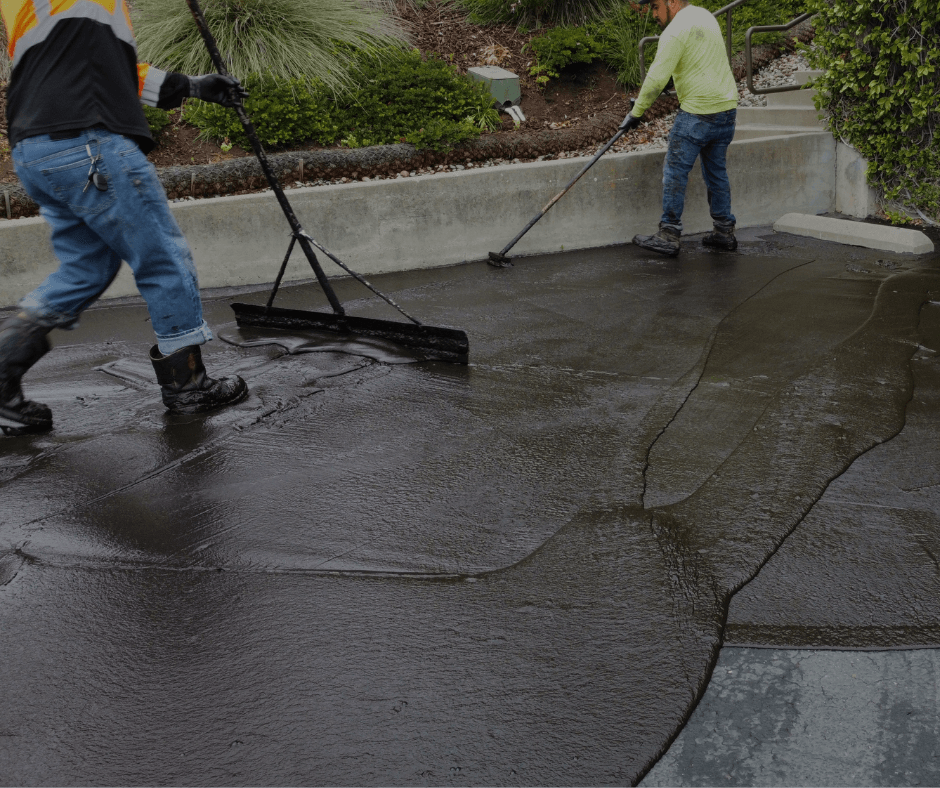
- Sealcoating: Apply a sealcoat every few years to protect the surface from UV rays, water infiltration, and chemicals.
- Crack Sealing: Address cracks as soon as they appear to prevent water from seeping into the base and causing more significant damage.
- Pothole Repair: Fix potholes promptly to prevent them from growing and causing more extensive damage.
- Regular Inspections: Conduct regular inspections to identify and address issues early before they become major problems.
Advanced Considerations in Asphalt Pavement Design
- Subgrade Improvement: In cases where the subgrade is weak or unstable, additional measures such as soil stabilization or the use of geotextiles may be required. These techniques improve the load-bearing capacity of the subgrade, allowing for a thinner asphalt layer.
- Reinforced Asphalt: In high-stress areas, such as intersections or industrial areas, reinforced asphalt may be used. This involves incorporating materials such as fiberglass or polyester grids into the asphalt to increase its strength and resistance to deformation.
- Permeable Asphalt: In areas where stormwater management is a concern, permeable asphalt can be used. This type of asphalt allows water to drain through the pavement, reducing runoff and improving water quality. Permeable asphalt typically requires a thicker structure to accommodate the drainage layers beneath the asphalt surface.
Environmental and Economic Considerations
- Recycled Asphalt: Using recycled asphalt pavement (RAP) is an environmentally friendly and cost-effective option. RAP can be incorporated into new asphalt mixes, reducing the need for virgin materials and lowering costs.
- Lifecycle Cost Analysis: When determining the appropriate thickness of asphalt pavement, it is essential to consider the lifecycle cost. Thicker pavements may have a higher initial cost, but they often provide better performance and require less maintenance over time, resulting in lower overall costs.
Conclusion
Determining the minimum thickness of asphalt pavement is essential