What is the Difference Between Road Asphalt and Driveway Asphalt?

If your driveway is looking cracked, faded, or worn out, you’re likely looking for the most efficient way to restore it. One of the most common questions property owners ask is: Can you put new asphalt over an old asphalt driveway?

The short answer is yes, but it depends heavily on the condition of the existing surface. This process, known as an asphalt overlay, can save you time and money, provided the foundation is solid. To make the best choice for your property, it’s also essential to understand the materials you are working with—including the often-confused difference between cement and concrete.

Is Your Driveway a Candidate for an Asphalt Overlay?

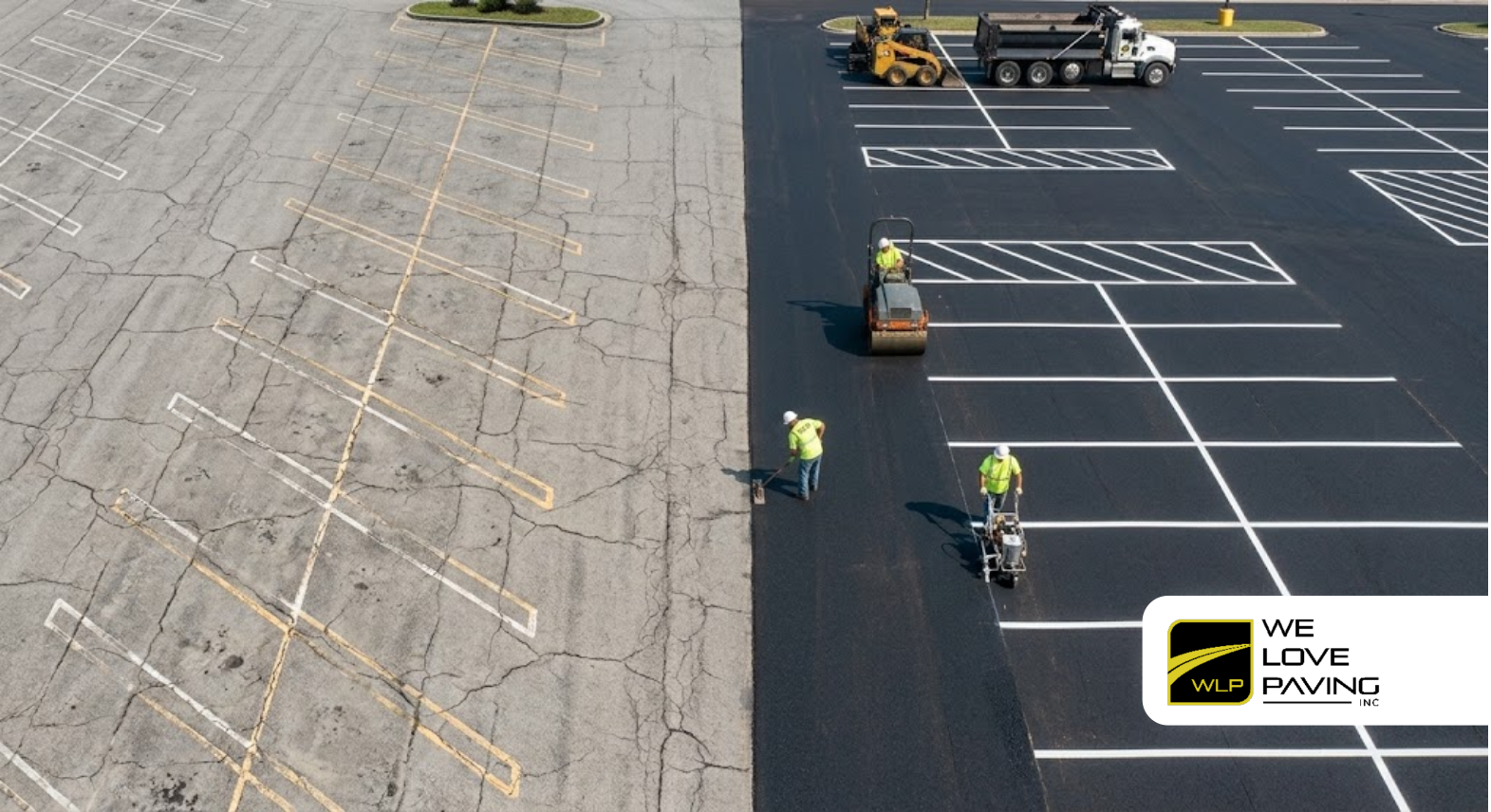
An asphalt overlay involves applying a new layer of hot-mix asphalt (typically 1.5 to 2 inches thick) over your existing driveway. However, this is only a viable solution if:

  1. The Subbase is Stable: If the ground underneath is shifting or sinking, a new layer of asphalt will simply crack in the same spots.
  2. No Major Drainage Issues: An overlay can slightly change the height of your driveway, so water runoff must be managed.
  3. Limited Structural Damage: While an overlay covers surface cracks, it cannot fix “alligator cracking” or deep potholes that reach the foundation.

Understanding Your Materials: Cement vs. Concrete

When discussing resurfacing, many people use the terms “cement” and “concrete” interchangeably, but they are fundamentally different. Knowing the difference helps you understand why asphalt is often a more flexible choice for overlays.

  • What is Cement? Cement is actually an ingredient, not a finished surface. It is a fine powder made of limestone and other minerals that acts as the “glue” or binder.
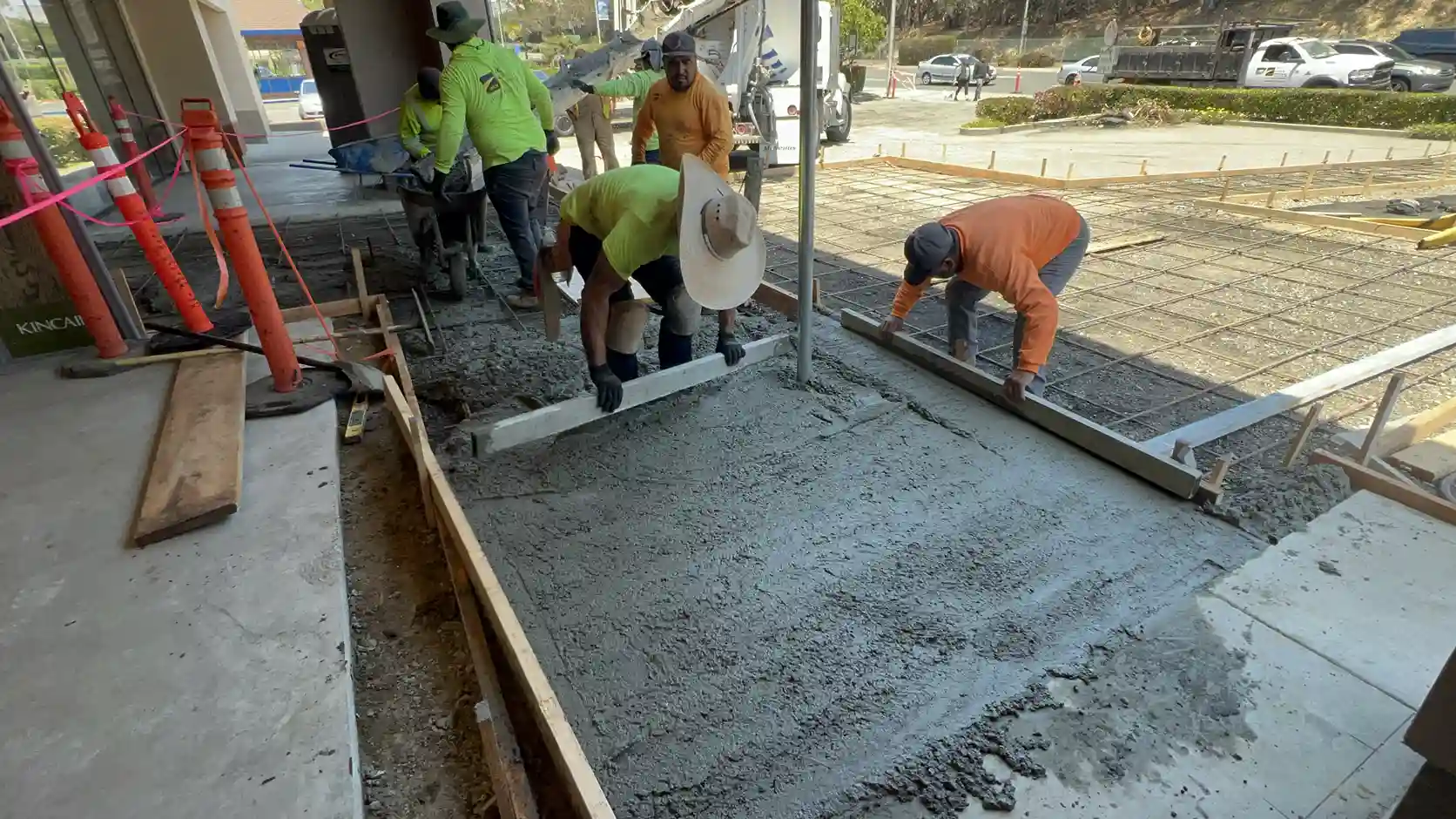
  • What is Concrete? Concrete is the finished product. It is a mixture of aggregates (sand, gravel, or crushed stone), water, and cement.

Think of it like baking: Cement is the flour, and concrete is the loaf of bread. In the paving world, asphalt acts similarly to concrete, but it uses bitumen (a tar-like petroleum product) as the binder instead of cement.

Why Asphalt Overlay vs. Concrete?

While a concrete surface is extremely durable, it is much harder to “overlay” than asphalt. Concrete is rigid and prone to cracking if the base moves. Asphalt, being more flexible, is better suited for the temperature swings and soil shifts common in California, making it the ideal candidate for a resurfacing project.

The Asphalt Over Asphalt Process

If our experts determine your driveway is suitable for an overlay, the process typically follows these steps:

  • Cleaning and Prep: Removing all debris and weeds from the old surface.
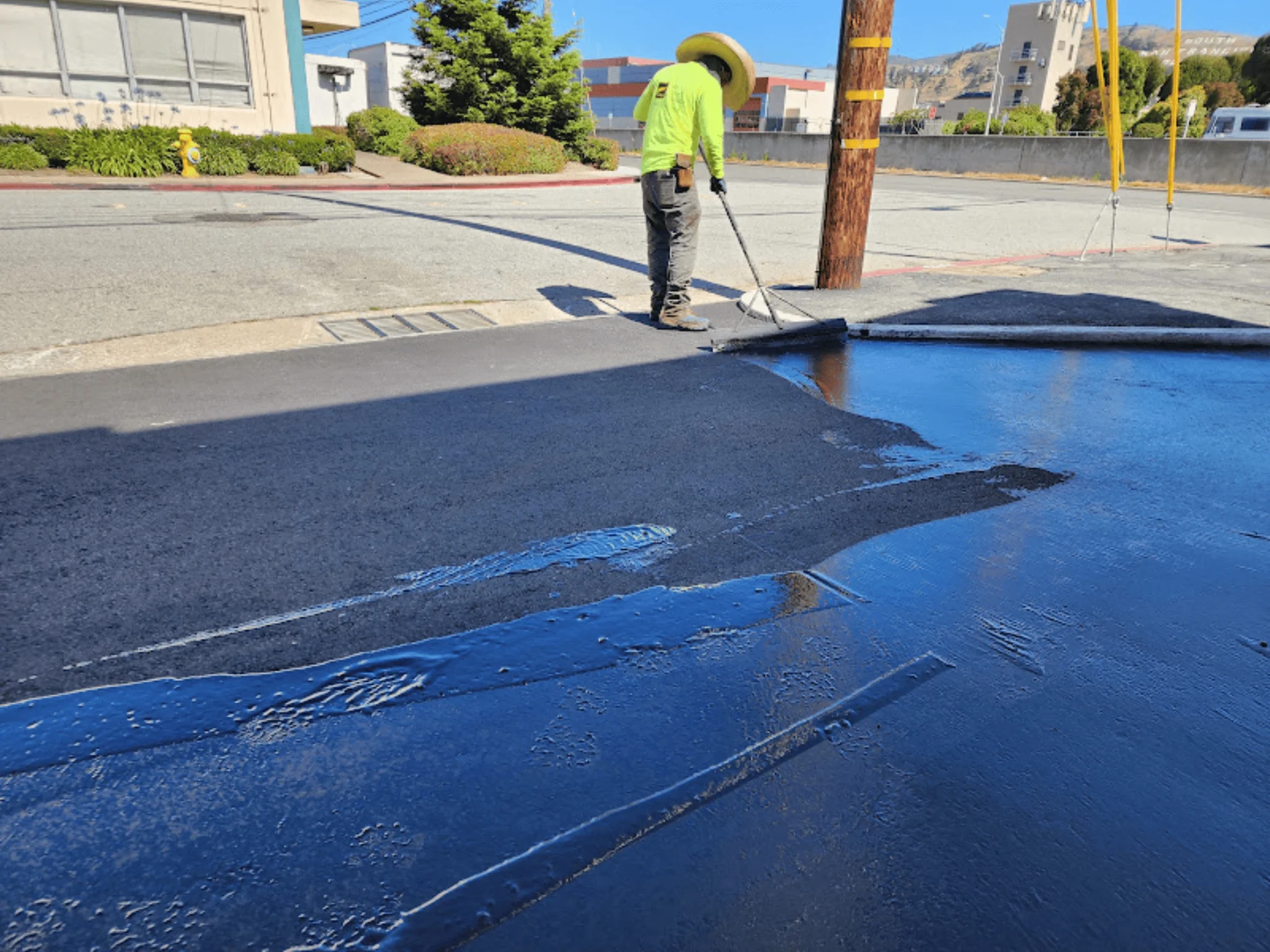
  • Tack Coating: Applying a liquid asphalt binder that acts as “glue” to ensure the new layer bonds perfectly to the old one.
  • Leveling: Filling in low spots or minor depressions to create a smooth base.
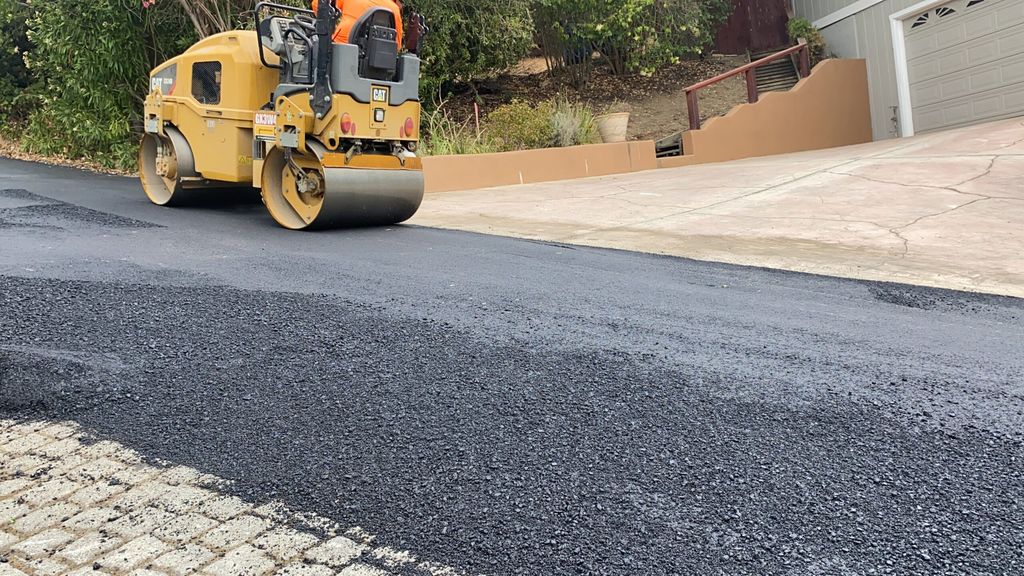
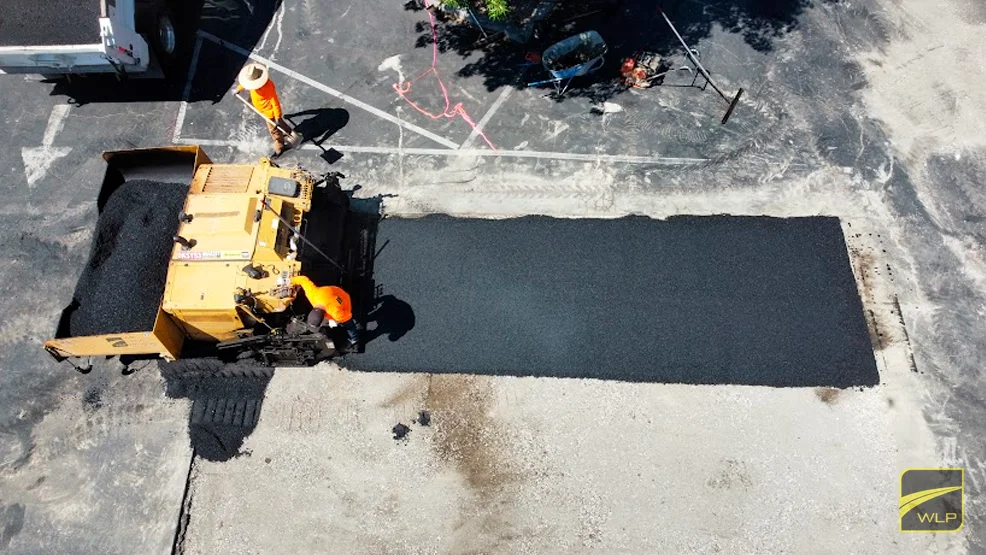
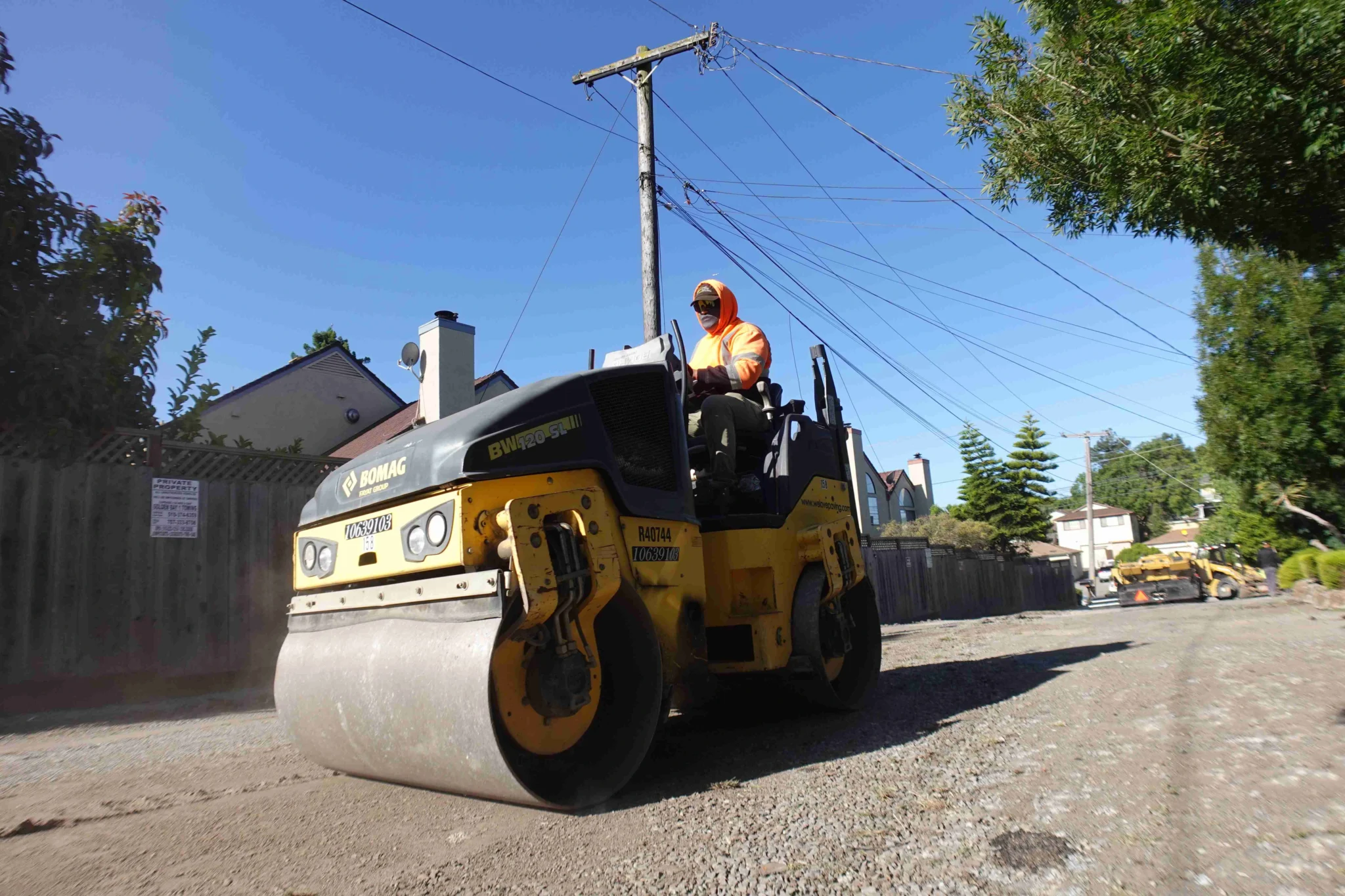
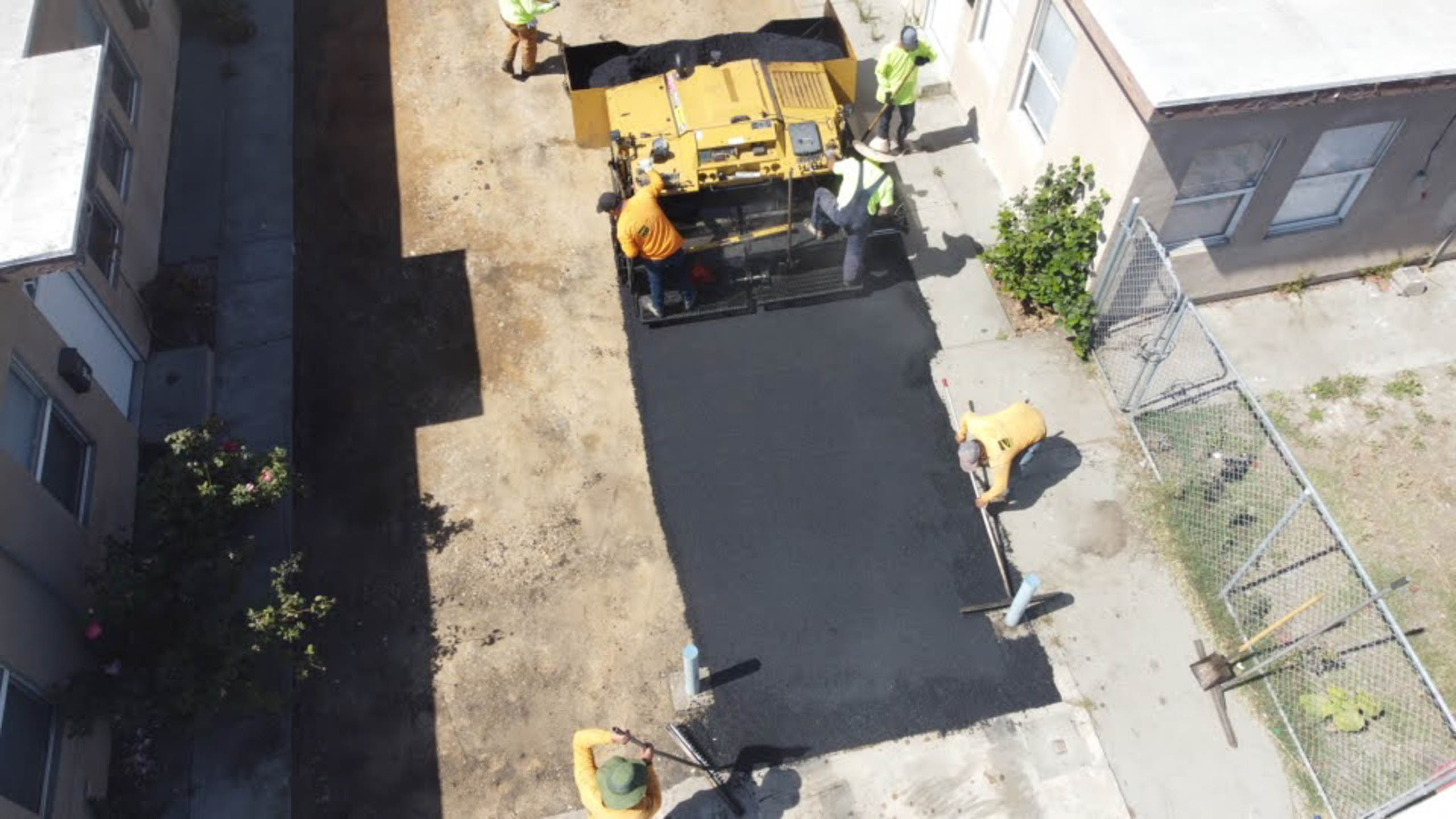
  • The Overlay: Spreading and compacting the new hot-mix asphalt.

When an Overlay Isn’t Enough

If your old asphalt is severely crumbled or the cement-based subbase has failed, a simple overlay will only be a temporary band-aid. In these cases, a full “rip-and-replace” is necessary to ensure your new driveway lasts for the next 20 years.

Conclusion

Asphalting over an old driveway is a smart, cost-effective way to boost curb appeal and functionality. By understanding the difference between your material options—from the binding properties of cement to the durability of finished concrete and asphalt—you can make an informed decision that protects your investment.


Share

WHO IS FRED?

Fred, Regional Operations Manager, comes from a family of immigrant roots and a story built on sacrifice, discipline, and hard work. Growing up, Fred watched his parents work long hours and weekends to create a better future teaching him the values of perseverance, determination, and doing things the right way every single time.
We Love Paving began with Fred’s father, who started doing what he knew best: paving. Over the years, he built experience alongside respected professionals in the industry, refining his methods and developing a reputation for quality work that speaks for itself. As his clientele grew, so did the vision one built not only on skill, but on integrity and pride in every job.

Posts that might interest you

What Are the Chances of Winning an ADA Lawsuit?

What Are the Chances of Winning an ADA Lawsuit?

February 21, 2026

Running a business comes with countless responsibilities, and ensuring compliance with various laws is one of the most critical. However, many business owners are unaware that they can face lawsuits for violating the Americans with Disabilities Act (ADA) even if the violation was completely unintentional. ADA compliance is not just a legal requirement; it’s an essential

What is Commercial Property Depreciation?

What is Commercial Property Depreciation?

February 13, 2026

Commercial real estate investment holds immense potential for generating substantial returns over time. Beyond rental income and property appreciation, savvy investors employ various strategies to optimize their returns. One such strategy that often goes underappreciated is leveraging commercial real estate depreciation for tax benefits. In this comprehensive guide, we’ll explore how strategic depreciation can bolster

How to Improve your Parking Lot Ratio!

How to Improve your Parking Lot Ratio!

February 6, 2026

The parking ratio of a commercial real estate property is the number of parking spaces available per square foot of leasable space. Having an adequate parking ratio is essential for attracting and retaining tenants, as it can impact their ability to conduct business and serve customers. If you own or manage a commercial property and

What is Sealcoating and the Science of Pavement Preservation

What is Sealcoating and the Science of Pavement Preservation

February 1, 2026

Parking lots serve as vital assets for businesses, offering safe and convenient spaces for customers and employees alike. However, the asphalt surfaces of these lots are subject to wear and tear over time, necessitating proactive maintenance to ensure longevity and safety. One highly effective method of preserving asphalt integrity is sealcoating a process that offers

How Long Does Asphalt Take to Dry and Fully Cure?

How Long Does Asphalt Take to Dry and Fully Cure?

January 30, 2026

Quick Answer: How Long to Wait? For a safe estimate, you should wait between 48 to 72 hours before walking on freshly paved asphalt. While the surface might feel solid within minutes, the internal structure requires this window to stabilize thermally. This timeframe can extend from 2 to 7 days depending on critical factors like

What is Bonus Depreciation?

What is Bonus Depreciation?

January 23, 2026

Understanding Bonus Depreciation Bonus depreciation was established as part of the Tax Cuts and Jobs Act (TCJA) of 2017, aiming to stimulate economic growth by incentivizing investment in capital assets. Under this provision, businesses are allowed to deduct a percentage of the cost of qualified assets in the year they are placed in service, rather

Can You Pave in the Rain? A Technical Guide to Asphalt Integrity

Can You Pave in the Rain? A Technical Guide to Asphalt Integrity

January 21, 2026

Certainly! Conducting a more extensive investigation on the impact of rain on paving would involve exploring various aspects such as the specific effects of rain on different types of paving materials, the techniques and technologies used to mitigate these effects, case studies highlighting the consequences of paving in rainy conditions, and any regulatory or industry

Strategic Benefits of ADA Compliance

Strategic Benefits of ADA Compliance

January 20, 2026

In the contemporary landscape of commerce, accessibility stands as a cornerstone for inclusive and ethical business practices. At the forefront of ensuring equal access for all individuals lies the Americans with Disabilities Act (ADA). This pivotal legislation mandates that businesses provide equitable access to goods, services, and employment opportunities for people with disabilities. In this

Why is a Asphalt Overlay Cost Effective

Why is a Asphalt Overlay Cost Effective

January 3, 2026

Asphalt overlay is a widely used method for restoring and rejuvenating deteriorating parking lots. This process involves applying a new layer of asphalt over the existing surface, providing numerous benefits such as improved appearance, increased durability, enhanced safety, and cost-effectiveness. In this article, we will conduct an in-depth investigation into why asphalt overlay stands out

How Asphalt Actually Handles Weight

How Asphalt Actually Handles Weight

December 26, 2025

sphalt doesn’t fail because vehicles are heavy. It fails when weight is applied in ways the pavement system can no longer manage. Understanding how asphalt handles weight — and why it eventually struggles — explains most premature pavement failures far better than surface appearance ever will. Asphalt Is Designed to Flex, Not Resist Asphalt pavement

Next