Unveiling the Secrets of Asphalt Paving: From Raw Materials to Smooth Surfaces

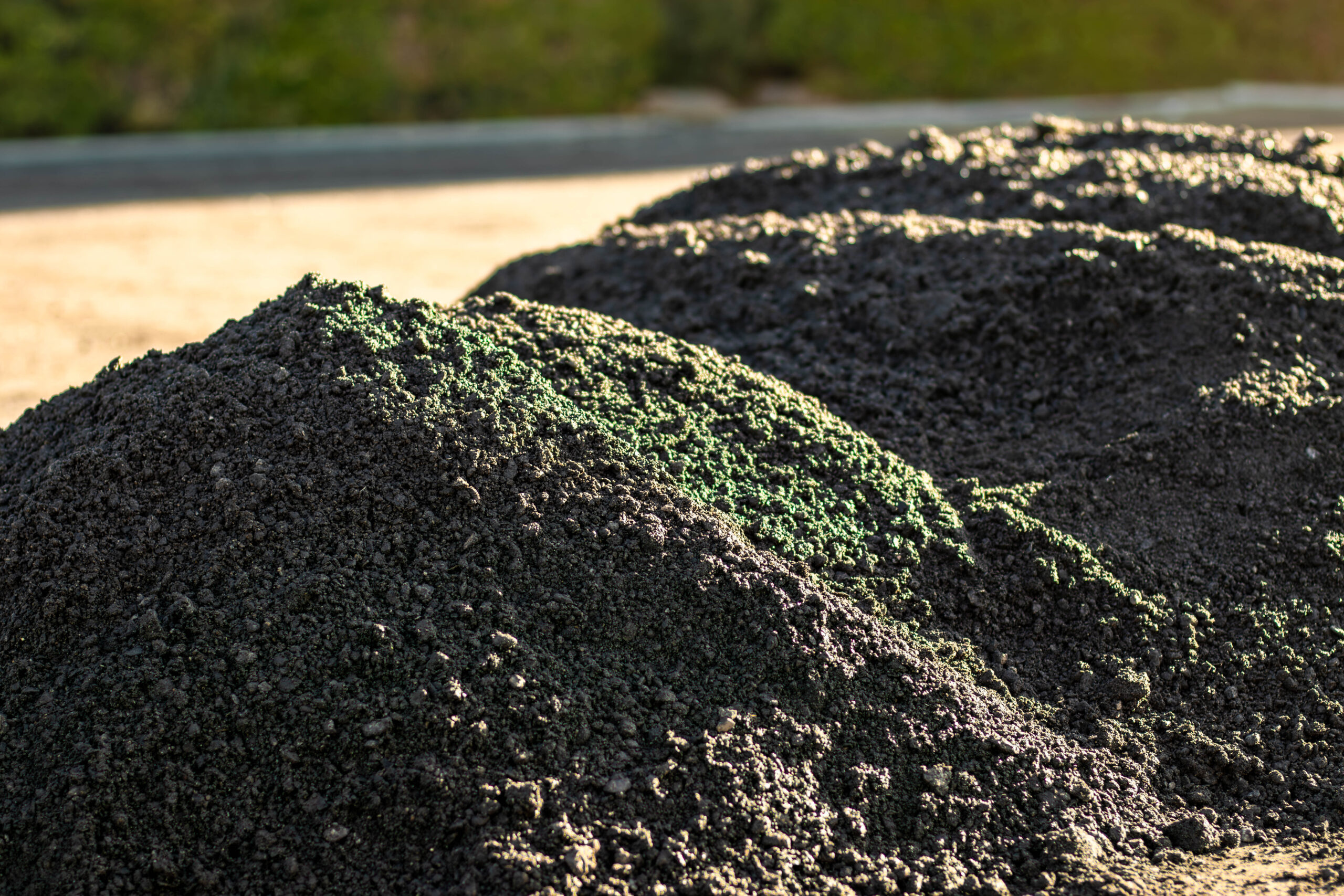
Asphalt paving is a marvel of modern engineering, providing smooth, durable surfaces for roads, driveways, and parking lots around the world. But have you ever wondered how asphalt paving is made? In this comprehensive guide, we’ll take you behind the scenes to explore the fascinating process of producing asphalt and transforming it into a reliable paving material.

Step 1: Raw Materials

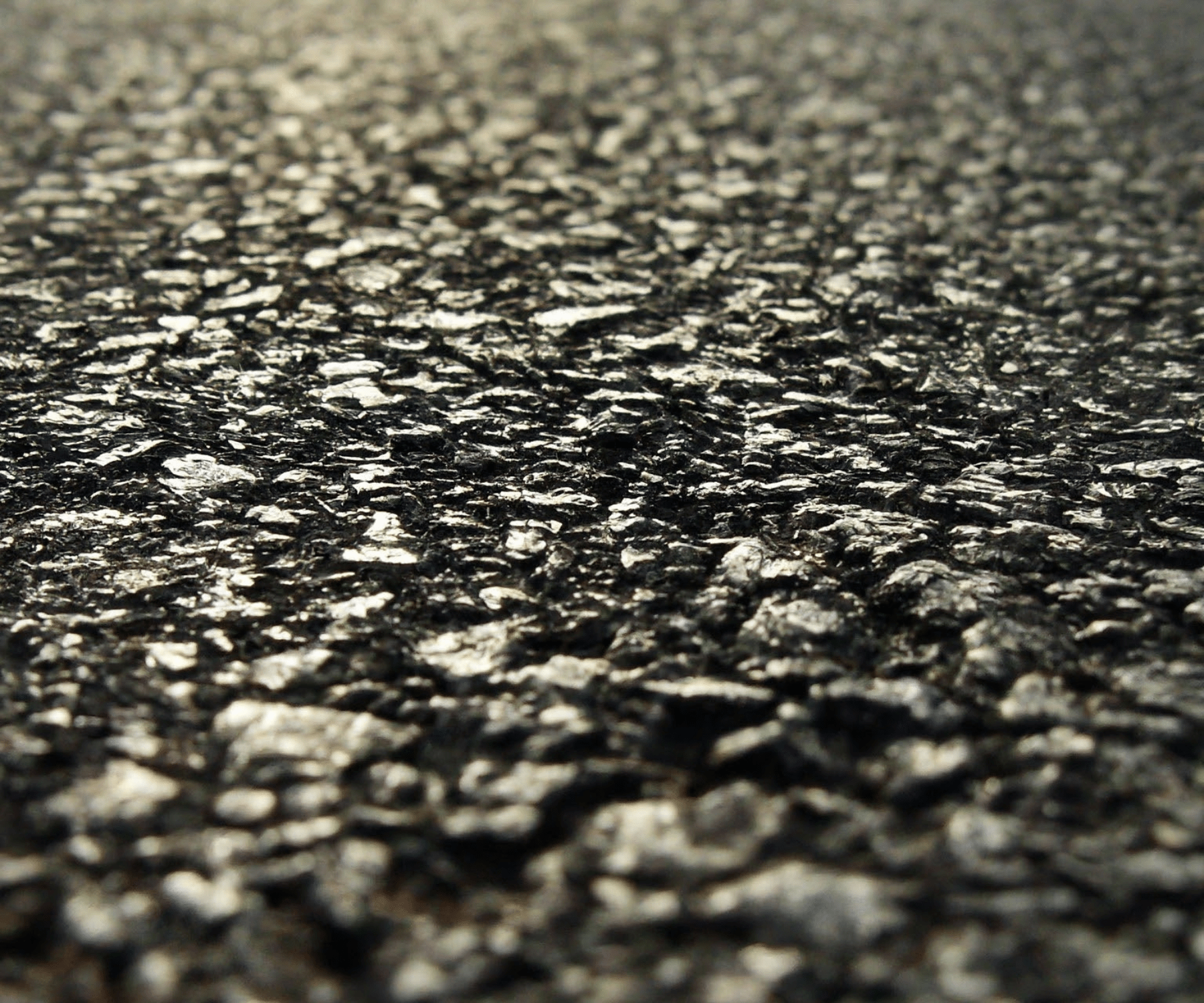
The journey of asphalt paving begins with its raw materials. Asphalt is primarily composed of aggregate, which includes gravel, sand, and crushed stone, and a binder known as bitumen. These materials are sourced from quarries and refineries and transported to asphalt plants for processing. The quality and composition of the raw materials play a crucial role in determining the performance and longevity of the final pavement.

Step 2: Aggregate Processing

Once the raw materials arrive at the asphalt plant, they undergo processing to prepare them for mixing. This typically involves crushing and screening the aggregate to ensure uniformity in size and shape. Properly graded aggregate is essential for achieving a smooth, dense asphalt pavement that can withstand the rigors of traffic and weather.

Step 3: Bitumen Production

While aggregate provides the structural backbone of asphalt, bitumen serves as the glue that binds it together. Bitumen is a viscous, black substance derived from crude oil through a process known as distillation. At the asphalt plant, bitumen is heated and blended with additives to improve its workability, adhesion, and resistance to temperature extremes. The resulting bitumen binder is then ready for mixing with the aggregate.

Step 4: Asphalt Mixing

With the raw materials processed and prepared, it’s time to mix them together to create the asphalt. This is done in a specialized piece of equipment called an asphalt mixer, which combines the aggregate and bitumen in precise proportions. The mixing process ensures thorough distribution of the bitumen throughout the aggregate, resulting in a homogeneous mixture with the right balance of strength, flexibility, and durability.

Step 5: Quality Control

Quality control is paramount in asphalt paving to ensure the finished product meets the highest standards of performance and safety. Throughout the production process, samples of the asphalt mix are regularly taken and tested for various properties, including gradation, stability, and binder content. Any deviations from the specified criteria are promptly identified and corrected to maintain consistency and uniformity in the final pavement.

Step 6: Transportation

Once the asphalt mix is produced and approved for use, it is loaded onto trucks and transported to the job site. Timing is critical during transportation to ensure the asphalt remains hot and workable upon arrival. Specialized insulated trucks equipped with heating systems are often used to maintain the desired temperature during transit, especially in colder climates or for long-distance deliveries.

Step 7: Paving

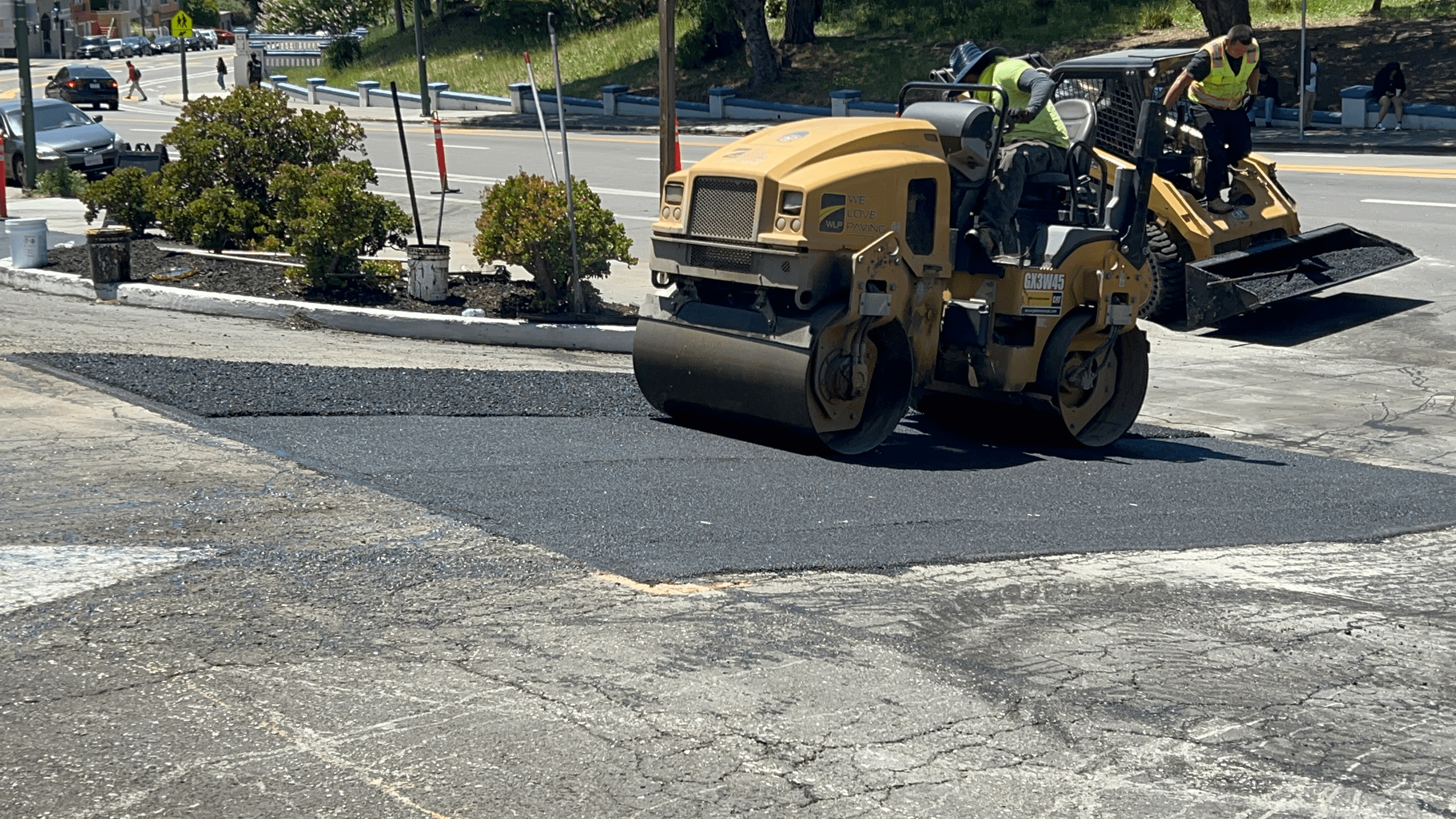
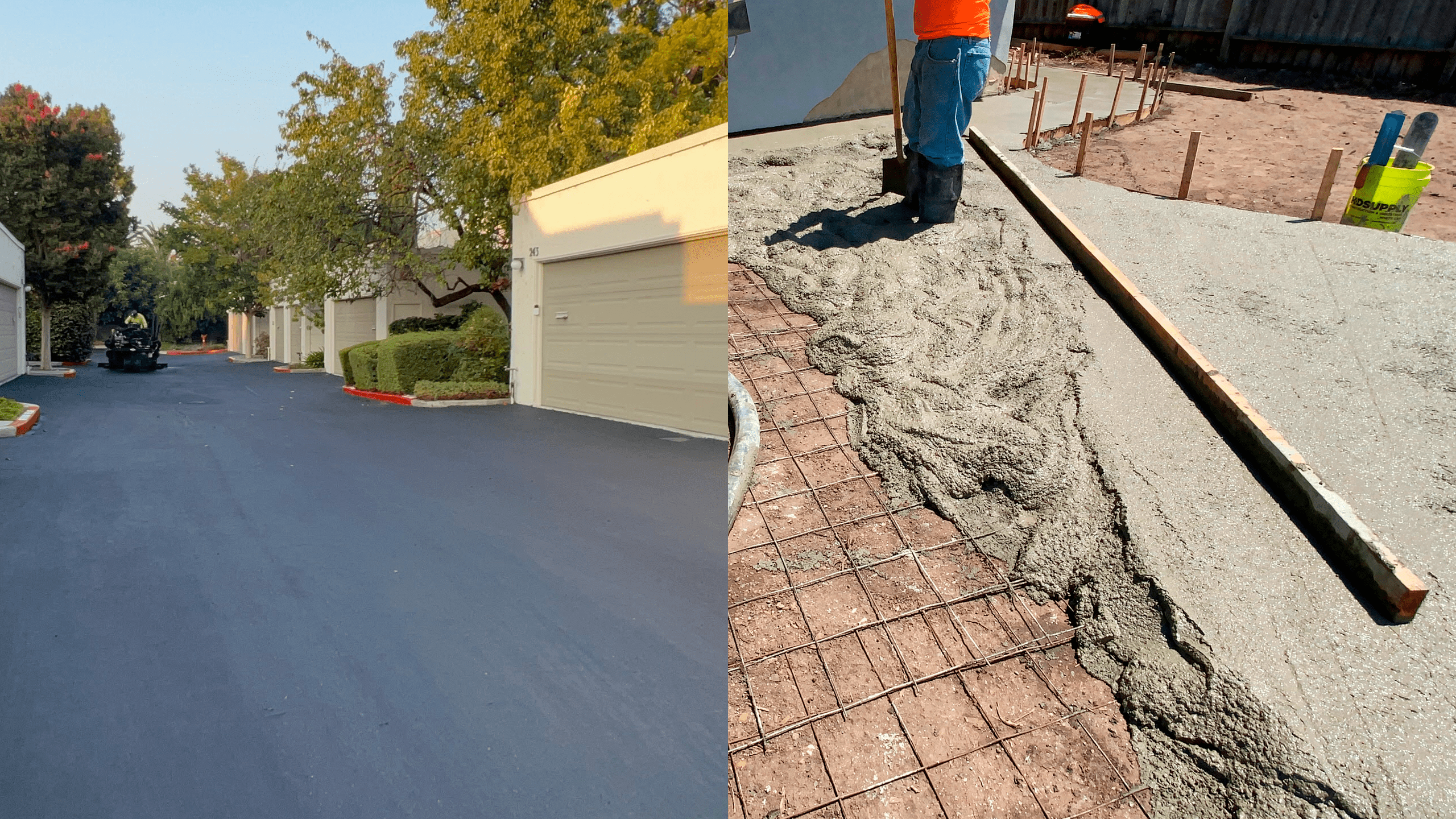
With the asphalt mix delivered to the job site, it’s time for the paving process to begin. This typically involves spreading the hot asphalt mix evenly across the prepared surface using a paving machine. The asphalt is then compacted using heavy rollers to achieve the desired density and smoothness. Proper paving techniques are essential to ensure a uniform surface and minimize the risk of defects such as segregation or rutting.

Step 8: Surface Treatment

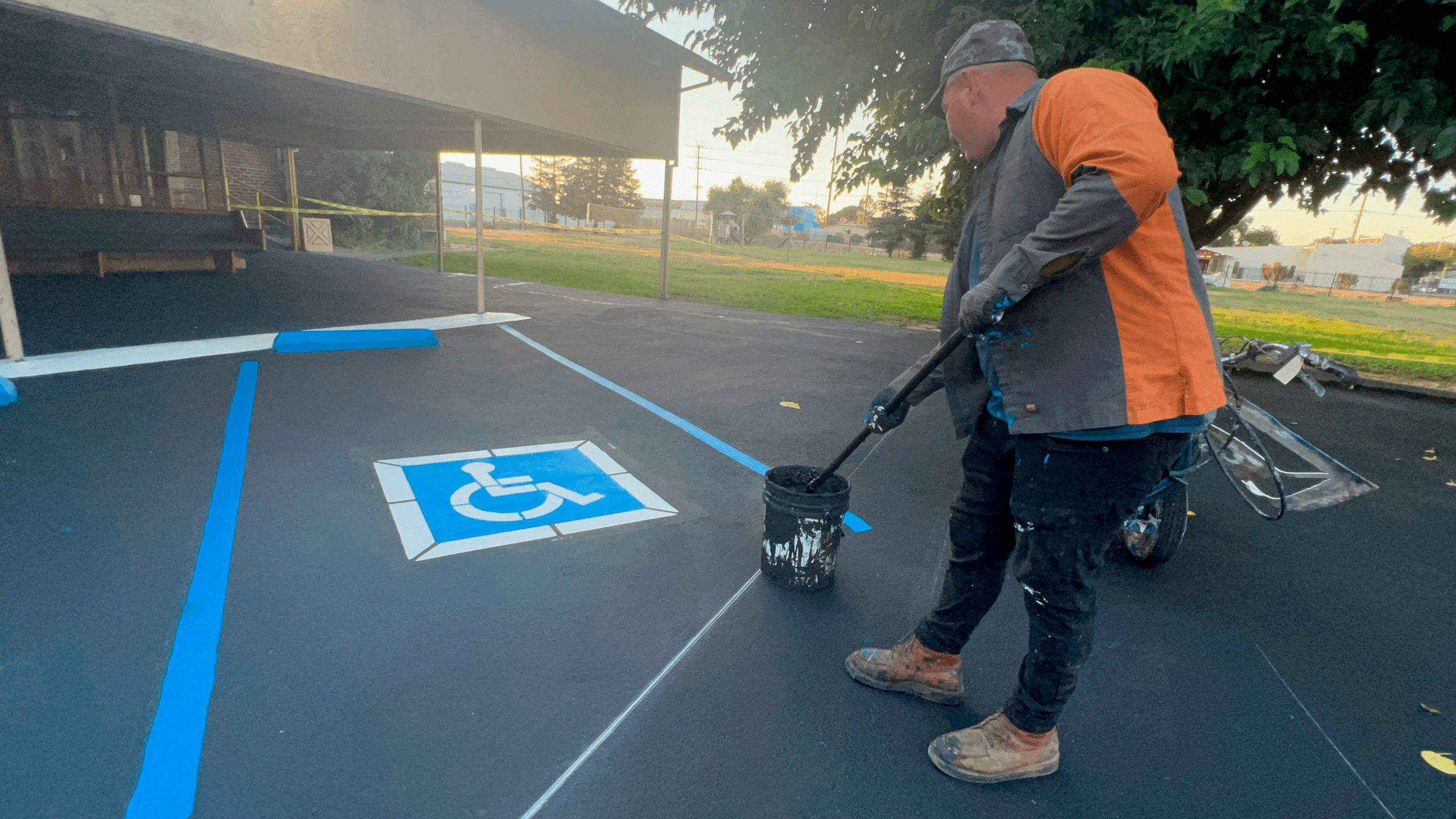
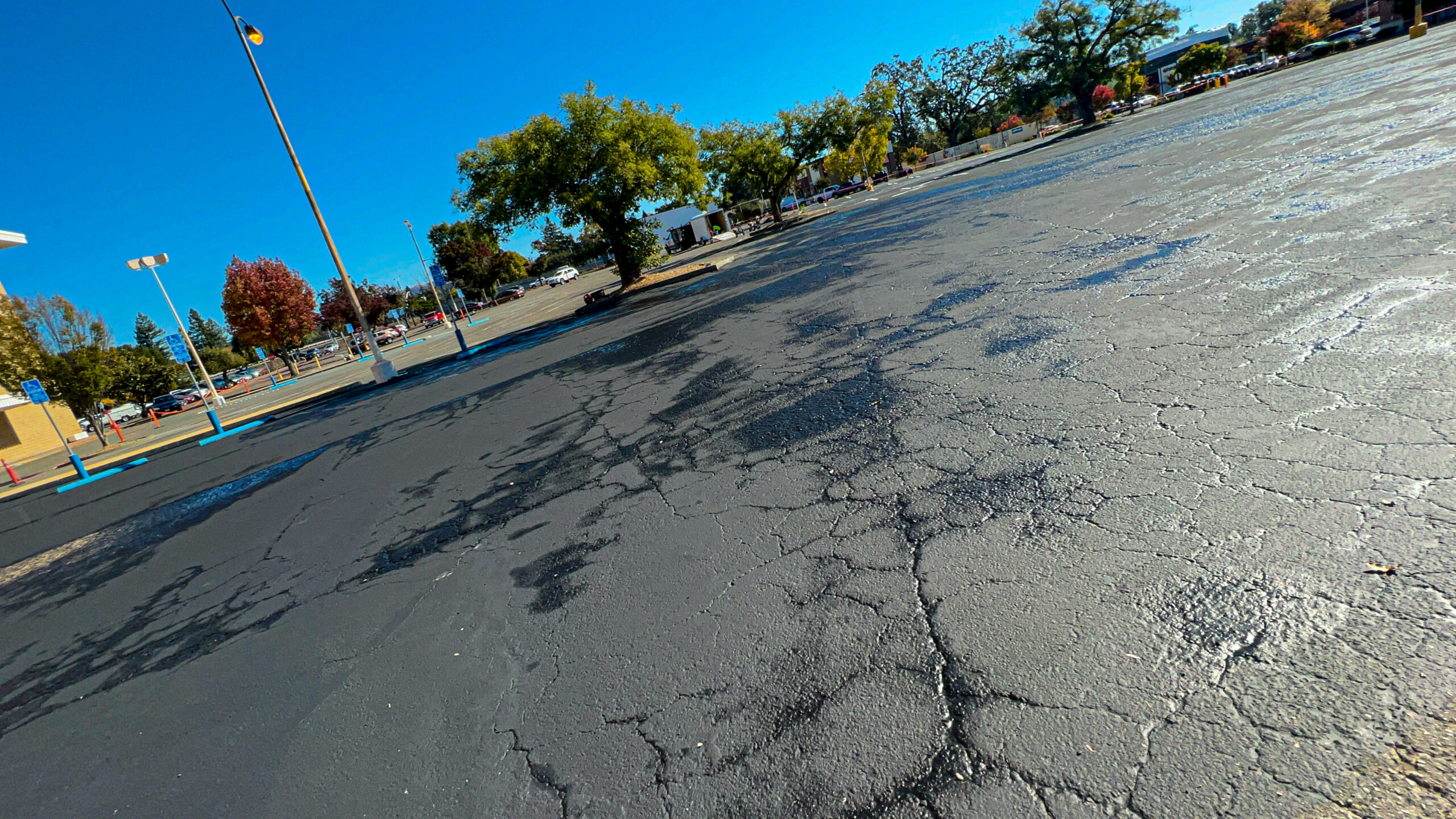
Once the asphalt pavement is laid and compacted, it may undergo additional treatments to enhance its performance and longevity. This may include applying a sealant to protect the surface from water infiltration, UV degradation, and wear from traffic. Surface treatments can help extend the life of the pavement and reduce the need for costly repairs and maintenance over time.

Step 9: Curing and Traffic Opening

After the asphalt pavement is installed, it requires time to cool and harden properly. This curing period typically takes a few days, during which traffic should be kept off the pavement to avoid damage. Once the asphalt has cured sufficiently, it can be opened to traffic, allowing vehicles to use the newly paved surface safely and efficiently.

Conclusion

From the raw materials to the finished pavement, the process of asphalt paving is a complex yet fascinating journey that combines science, engineering, and craftsmanship. By understanding the steps involved in asphalt production and paving, you can gain a deeper appreciation for the infrastructure that surrounds us and the skilled professionals who bring it to life. So the next time you drive on a smooth, well-maintained road or park in a freshly paved lot, take a moment to marvel at the marvels of asphalt paving and the ingenuity behind it.

Share

WHO IS FRED?

Fred, Regional Operations Manager, comes from a family of immigrant roots and a story built on sacrifice, discipline, and hard work. Growing up, Fred watched his parents work long hours and weekends to create a better future teaching him the values of perseverance, determination, and doing things the right way every single time.
We Love Paving began with Fred’s father, who started doing what he knew best: paving. Over the years, he built experience alongside respected professionals in the industry, refining his methods and developing a reputation for quality work that speaks for itself. As his clientele grew, so did the vision one built not only on skill, but on integrity and pride in every job.

Posts that might interest you

Understanding the Cost of Asphalt Paving: A Guide to Project Complexity and Material Pricing

Understanding the Cost of Asphalt Paving: A Guide to Project Complexity and Material Pricing

July 18, 2024

When planning an asphalt paving project, one of the most challenging aspects is the cost per square foot. Unlike other straightforward purchases, the price of asphalt paving can fluctuate significantly based on various factors. These include the complexity of the project, the quality of materials, and the ever-changing prices of asphalt itself. Let’s investigate these

The Importance and Value of Asphalt: The “Black Diamonds” of Infrastructure

The Importance and Value of Asphalt: The “Black Diamonds” of Infrastructure

July 17, 2024

Asphalt, often called the “Black Diamonds” of the construction industry, is critical in developing and maintaining modern infrastructure. This term, highlighting the material’s value and indispensability, underscores asphalt’s significance in road construction, economic impact, and environmental benefits. Economic Impact of Asphalt The economic benefits of asphalt extend beyond its initial application in road construction. The

Does Asphalt Harden Over Time? Understanding the Aging Process and Its Implications

Does Asphalt Harden Over Time? Understanding the Aging Process and Its Implications

July 16, 2024

Asphalt, commonly known as bitumen, is a vital material used in constructing roads, driveways, and parking lots. Known for its durability and flexibility, asphalt provides a smooth driving surface and withstands various environmental conditions. However, one question that often arises is, “Does asphalt harden over time?” Understanding the hardening process of asphalt is crucial for

How Can You Tell if Asphalt is Bad in Sacramento, California?

How Can You Tell if Asphalt is Bad in Sacramento, California?

July 9, 2024

Asphalt is the backbone of Sacramento’s infrastructure, from the driveway of a charming home in East Sacramento to the expansive parking lots of Arden-Arcade. However, the Valley’s unique climate—with its blistering summer heat and damp winters—can be unforgiving. Knowing the warning signs of failing pavement can save you thousands of dollars in reconstruction costs. In

What is ADA Compliance in Sacramento, California?

What is ADA Compliance in Sacramento, California?

July 9, 2024

The Americans with Disabilities Act (ADA) is a federal civil rights law enacted in 1990 to prevent discrimination against individuals with disabilities. ADA compliance ensures that public spaces and facilities are accessible to everyone, regardless of their physical abilities. In Sacramento, California, ADA compliance is essential for both public and private entities, including businesses, educational

Asphalt Paving Service in Sacramento: What You Need to Know

Asphalt Paving Service in Sacramento: What You Need to Know

July 9, 2024

Sacramento, California, with its sunny climate and bustling urban environment, is an ideal location for durable and attractive asphalt paving projects. Whether you’re a homeowner looking to enhance your driveway or a business owner seeking to improve your parking lot, asphalt paving services in Sacramento offer a range of solutions to meet your needs. In

Is an Asphalt Paving Patio Better Than Concrete?

Is an Asphalt Paving Patio Better Than Concrete?

July 9, 2024

When planning an outdoor living space, homeowners often face the choice between an asphalt paving patio and a concrete patio. Both options offer unique benefits and drawbacks, and the decision largely depends on factors such as aesthetics, budget, durability, and maintenance requirements. In this article, we will explore the pros and cons of asphalt paving

Why is My Asphalt Driveway Cracking?

Why is My Asphalt Driveway Cracking?

July 8, 2024

Asphalt driveways are a popular choice for many homeowners due to their durability, cost-effectiveness, and ease of installation. However, over time, it’s common for asphalt driveways to develop cracks. Understanding the underlying causes of these cracks can help homeowners take preventative measures and address issues before they escalate into more significant problems. In this article,

What are the Requirements for ADA Parking in California?

What are the Requirements for ADA Parking in California?

July 8, 2024

The Americans with Disabilities Act (ADA) ensures that individuals with disabilities have equal access to public accommodations, including parking facilities. California, known for its progressive stance on accessibility, has specific regulations that complement federal ADA standards to ensure that parking facilities are accessible to all individuals. Understanding these requirements is crucial for property owners, architects,

The Benefits of Asphalt Paving in Sacramento

The Benefits of Asphalt Paving in Sacramento

July 5, 2024

Asphalt is a crucial component of Sacramento’s infrastructure, serving as the foundation for mobility, safety, and urban aesthetics. However, not all asphalt surfaces are created equal. A key factor in the quality of an asphalt surface is its thickness. The required thickness depends on the traffic load and soil conditions. Cost-Effective Asphalt is cheaper to

Previous Next