In the realm of construction, durability reigns supreme. When it comes to paving, the quest for the most durable solution is paramount, especially for infrastructure subjected to heavy traffic, harsh weather conditions, and the test of time. But what exactly constitutes durability in paving, and which materials emerge as the undisputed champions? Join us as we embark on a journey to uncover the most durable paving solutions and explore their characteristics, applications, and advantages.
Understanding Durability in Paving
Before delving into specific paving materials, it’s essential to define what we mean by durability. In the context of paving, durability refers to a material’s ability to withstand wear, tear, and environmental stresses over an extended period. This includes resistance to factors such as:
- Traffic Loads: Paved surfaces must bear the weight and impact of vehicles, pedestrians, and machinery without excessive deformation, cracking, or rutting.
- Weathering: Paving materials should withstand temperature fluctuations, moisture exposure, freeze-thaw cycles, and UV radiation without deteriorating or losing structural integrity.
- Chemical Exposure: Paved surfaces may be exposed to a variety of chemicals, including salt, oil, gasoline, and deicing agents, which can corrode or degrade certain materials.
- Abrasion: Paving materials should resist abrasion and surface wear caused by friction, traffic, and environmental factors to maintain their appearance and functionality over time.
The Contenders
Several paving materials stand out for their exceptional durability and performance characteristics:
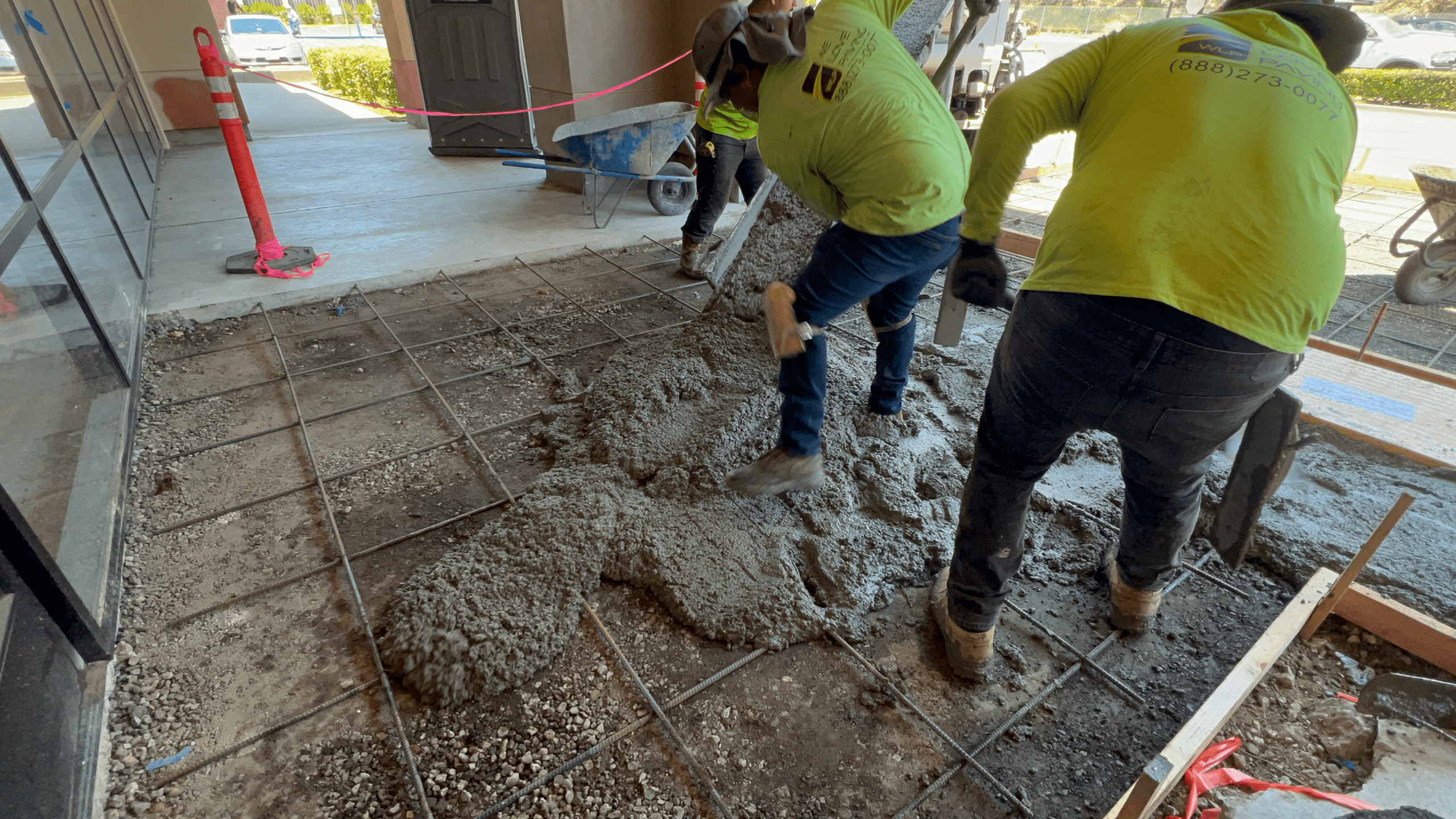
- Concrete: Renowned for its strength, longevity, and resilience, concrete emerges as a top contender in the realm of durable paving solutions. Properly designed and constructed concrete pavements can withstand heavy traffic, harsh climates, and chemical exposure, making them ideal for highways, airports, industrial facilities, and urban streets.
- Interlocking Concrete Pavers: These modular units are made from high-strength concrete and are designed to interlock with one another, creating a durable and flexible pavement system. Interlocking concrete pavers offer excellent load-bearing capacity, resistance to cracking, and ease of repair, making them suitable for driveways, walkways, and plazas.
- Porcelain Pavers: Made from fired clay and engineered for outdoor use, porcelain pavers combine the beauty of natural stone with the durability of ceramic materials. Porcelain pavers are highly resistant to staining, scratching, and fading, making them an ideal choice for patios, pool decks, and outdoor living spaces.
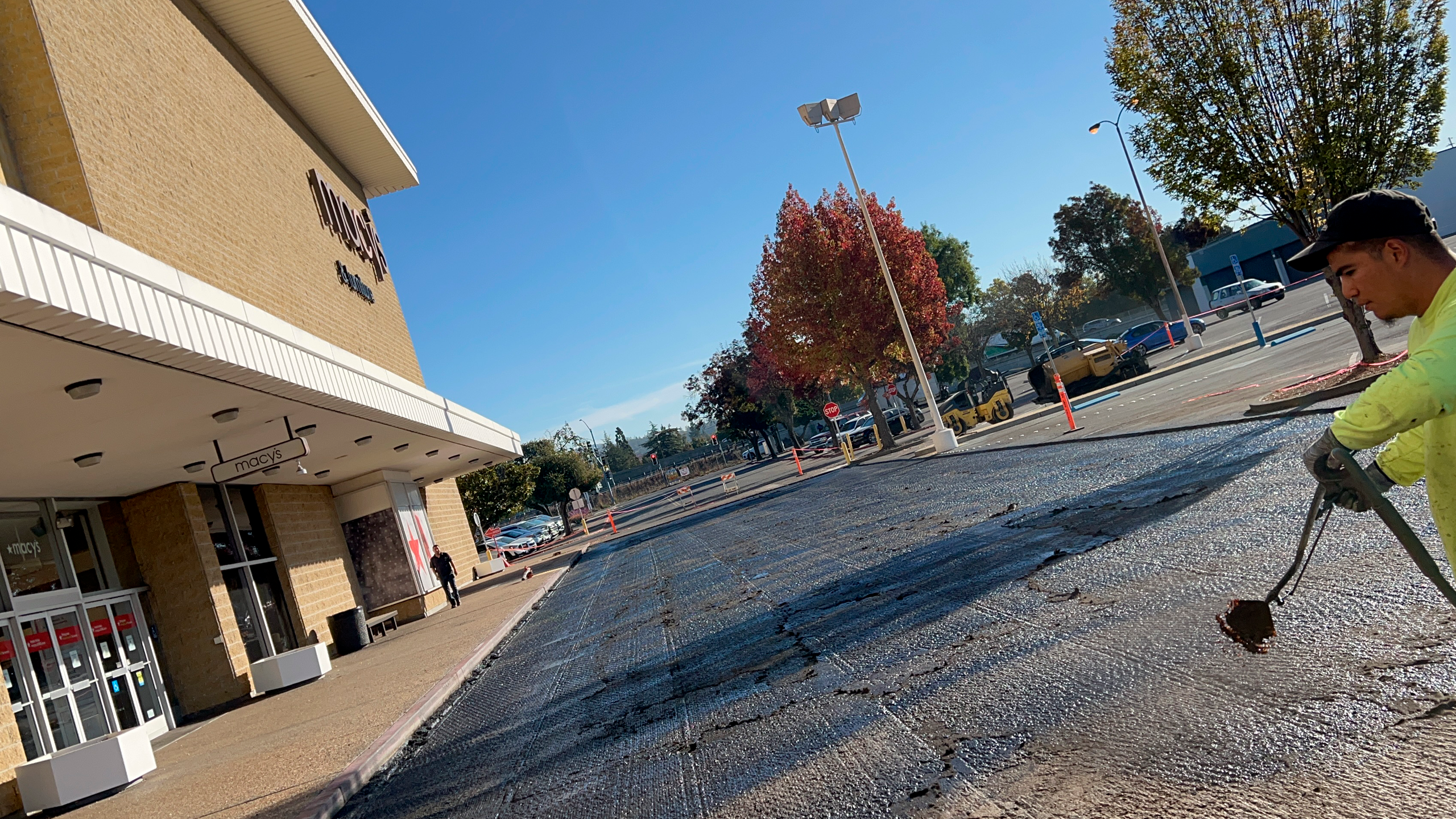
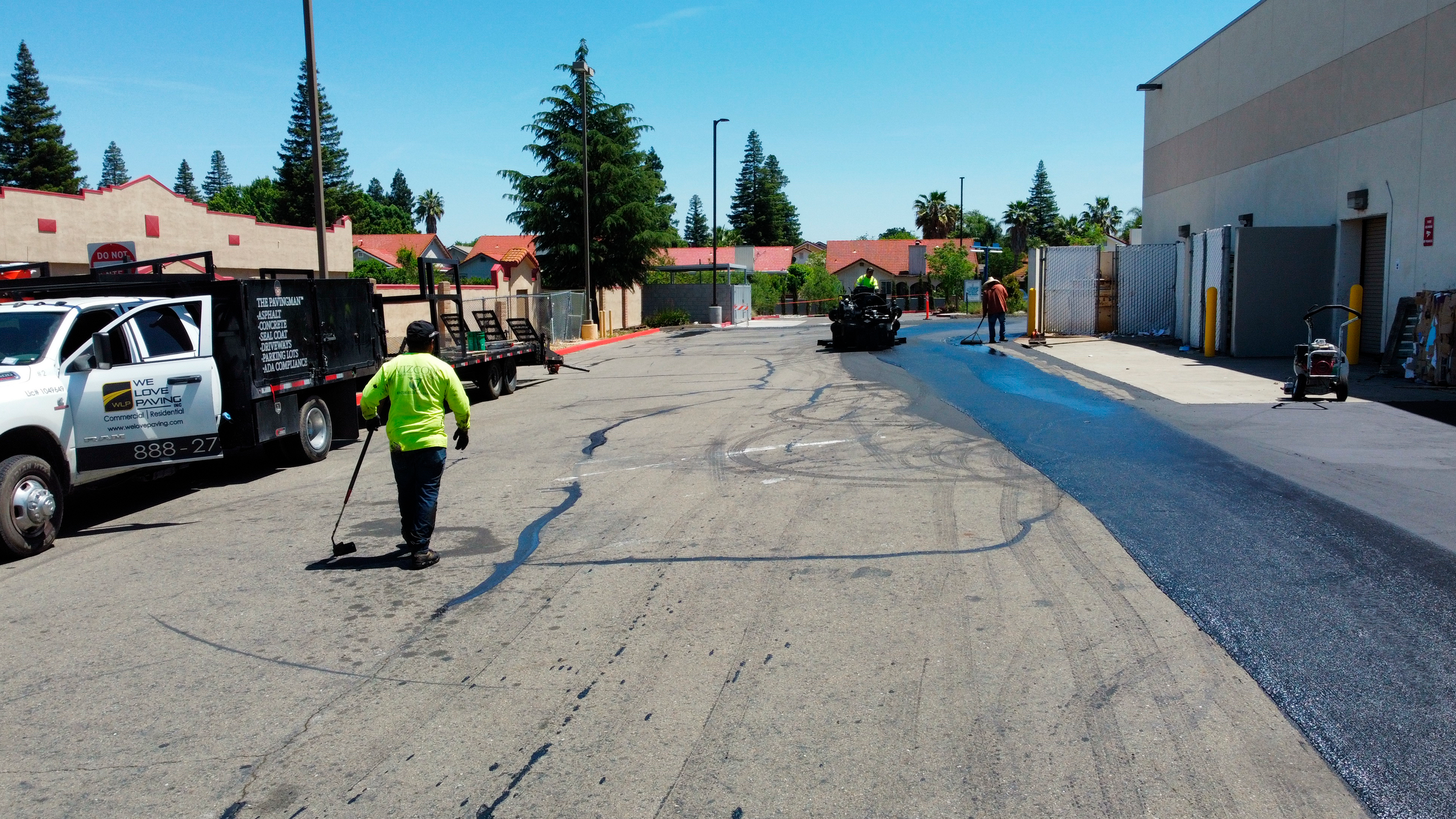
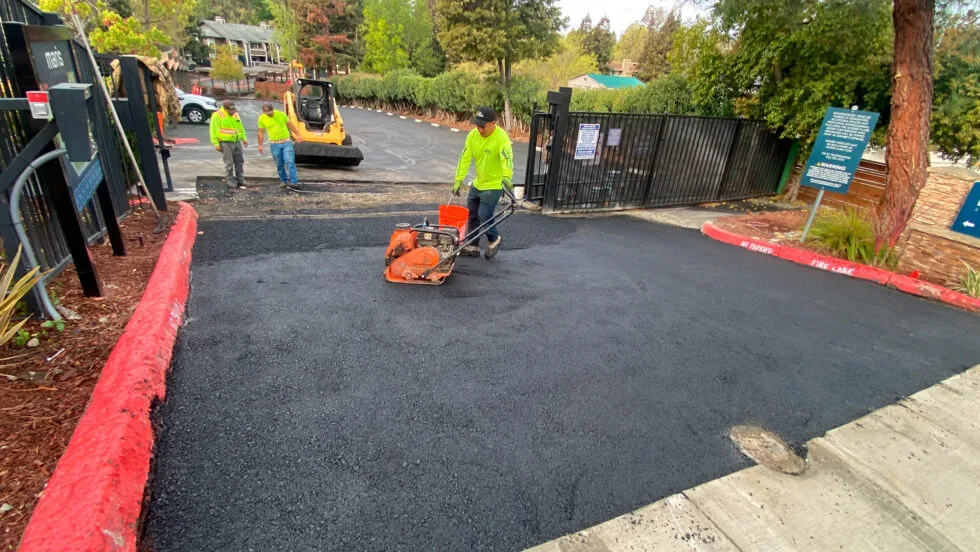
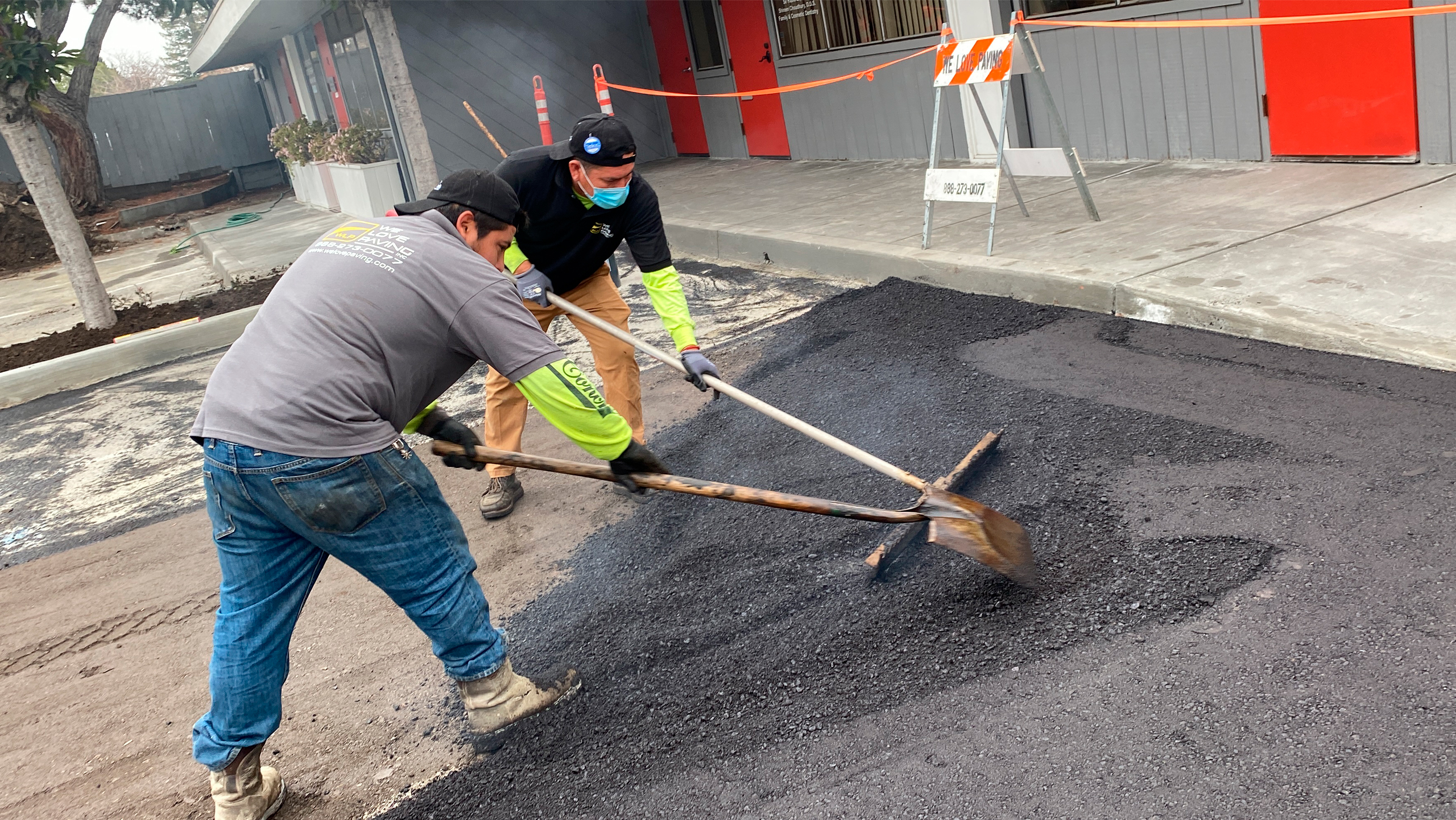
- Asphalt: Although not as rigid as concrete, asphalt pavements offer excellent durability, flexibility, and resilience to temperature fluctuations and heavy loads. Asphalt is commonly used for roads, highways, parking lots, and airport runways due to its cost-effectiveness, smooth ride quality, and ease of maintenance.
Factors Influencing Durability
Several factors influence the durability of paving materials and their suitability for specific applications:
- Material Properties: The composition, density, porosity, and surface texture of paving materials affect their resistance to wear, weathering, and chemical exposure. High-quality materials with superior strength and durability properties typically offer better long-term performance.
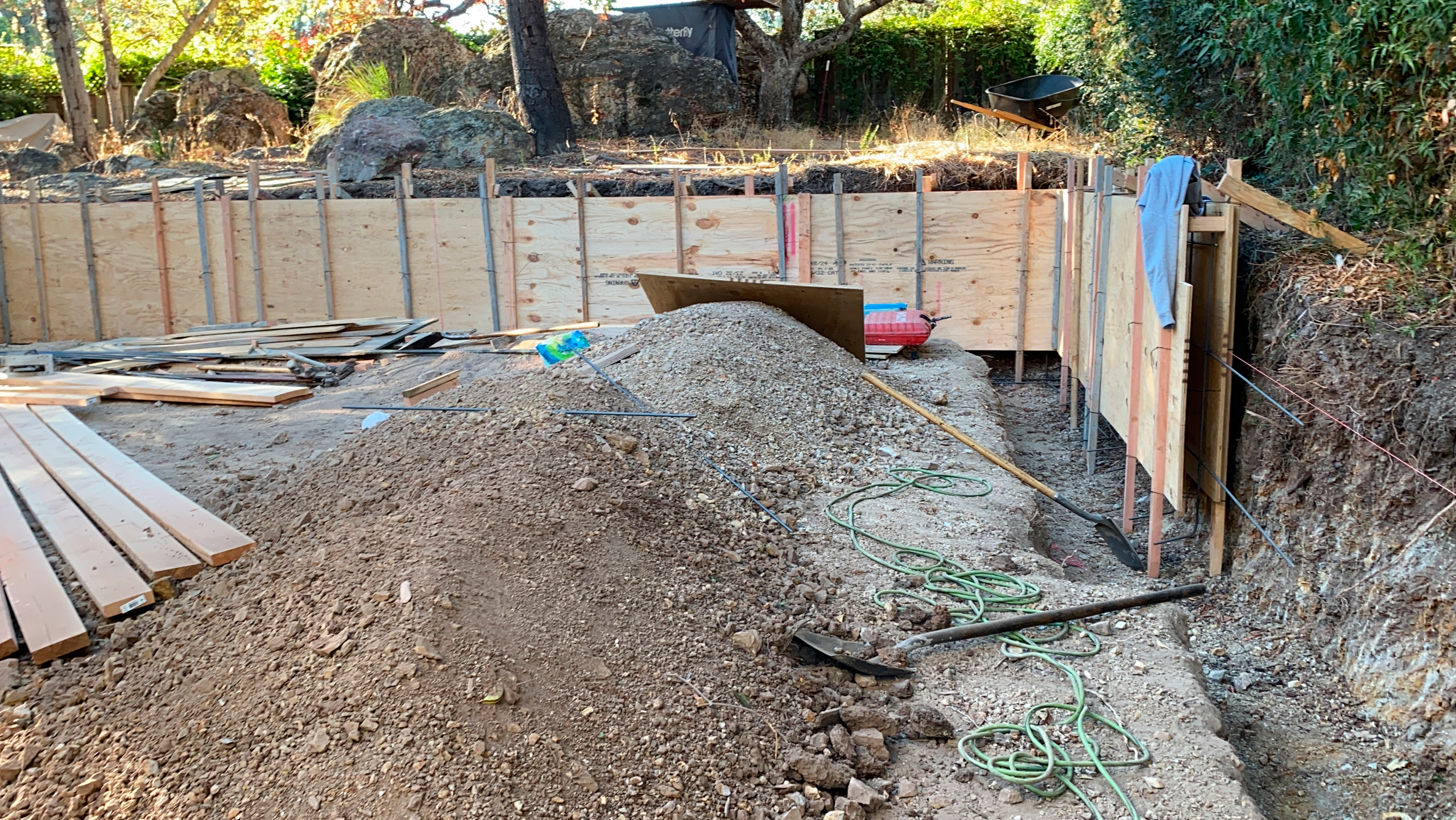
- Installation Quality: Proper installation techniques, including adequate base preparation, compaction, jointing, and curing, are critical for ensuring the durability and stability of paved surfaces. Poorly constructed pavements are more susceptible to cracking, settlement, and premature failure.
- Climate Conditions: Environmental factors such as temperature extremes, precipitation levels, humidity, and exposure to sunlight can impact the performance and lifespan of paving materials. Materials selected for specific climate conditions should be capable of withstanding seasonal variations and weathering effects.
- Traffic Loads: The volume, weight, and frequency of traffic on paved surfaces influence the choice of paving materials and design specifications. Heavy-duty pavements subjected to high traffic loads require durable materials with adequate strength, thickness, and load-bearing capacity.
- Maintenance Practices: Regular maintenance activities such as cleaning, sealing, crack repair, and surface treatments play a crucial role in preserving the durability and appearance of paved surfaces. Timely maintenance helps prevent minor issues from escalating into major problems and extends the lifespan of paving investments.
Case Studies
To illustrate the real-world applications and benefits of durable paving solutions, let’s explore a few notable case studies:
- Highway Reconstruction Project: A state transportation agency selects concrete pavement for the reconstruction of a heavily traveled interstate highway. The agency cites concrete’s proven durability, low maintenance requirements, and long-term cost-effectiveness as key factors in the decision. The new concrete pavement is designed to withstand heavy truck traffic, freeze-thaw cycles, and salt exposure, ensuring safe and reliable travel for motorists for decades to come.
- Municipal Streetscape Renovation: A city revitalization project aims to enhance the downtown streetscape with durable and aesthetically pleasing paving materials. Interlocking concrete pavers are chosen for their durability, versatility, and design flexibility. The pavers are installed in various patterns and colors to create visually appealing crosswalks, plazas, and pedestrian zones, revitalizing the urban environment and promoting economic development.
- Residential Driveway Installation: A homeowner opts for porcelain pavers for the construction of a new driveway and outdoor patio area. Porcelain pavers are selected for their durability, slip resistance, and low maintenance requirements. The sleek and modern appearance of the porcelain pavers enhances the curb appeal of the property while providing a durable and functional surface for vehicle parking and outdoor entertaining.
Conclusion
In the quest for durable paving solutions, concrete, interlocking concrete pavers, porcelain pavers, and asphalt emerge as top contenders, each offering unique advantages and applications. By understanding the characteristics, performance factors, and real-world applications of these paving materials, construction professionals, and project stakeholders can make informed decisions that ensure long-lasting, resilient, and cost-effective infrastructure solutions.