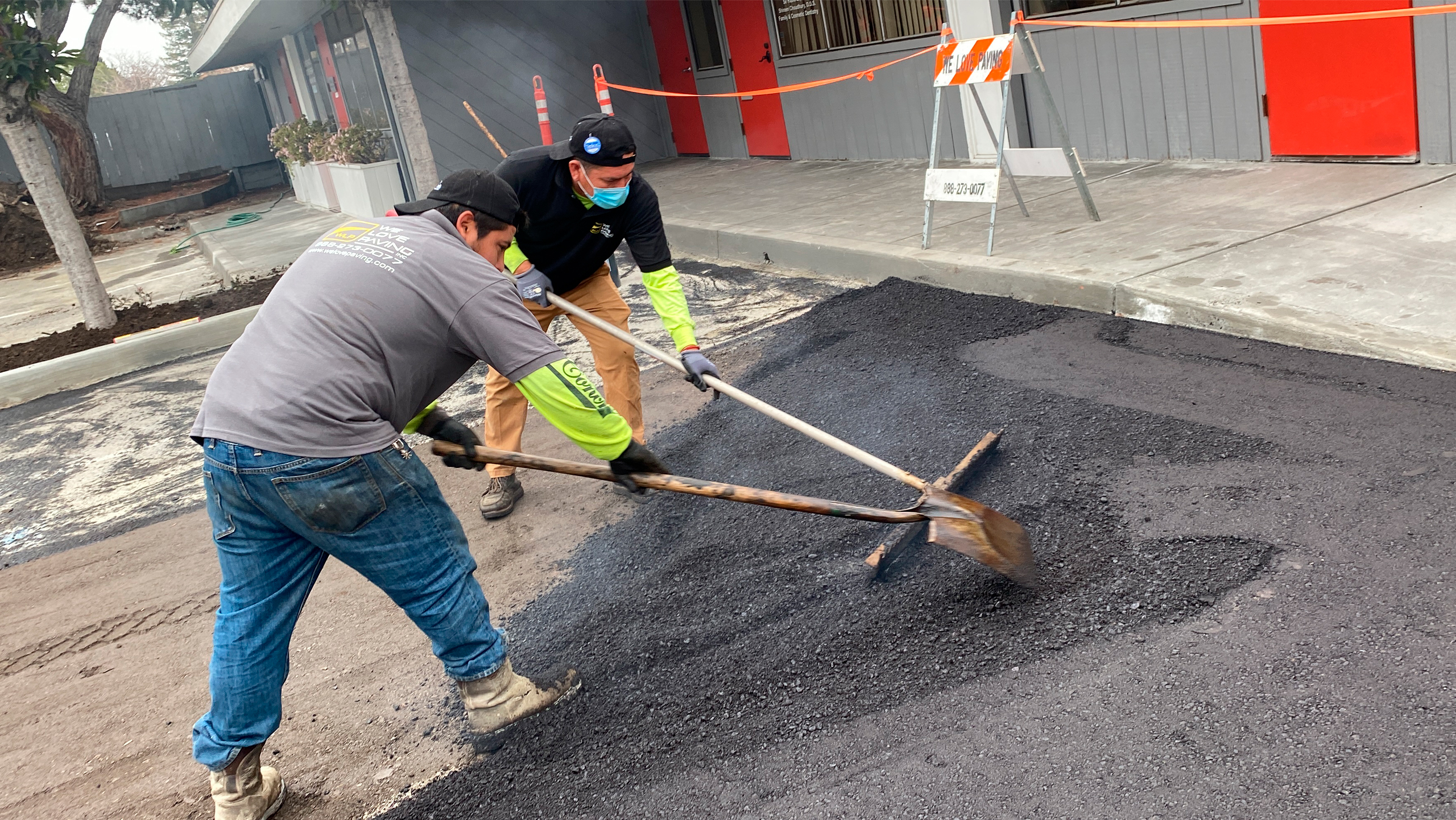
Concrete is the cornerstone of modern construction, known for its strength, durability, and versatility. When it comes to working with this essential building material, the expertise of a concrete contractor is invaluable. But what exactly is a concrete contractor, and what role do they play in construction projects? In this comprehensive guide, we’ll explore the responsibilities, skills, and qualifications of concrete contractors, shedding light on their essential role in bringing structures to life.
What is a Concrete Contractor?
A concrete contractor is a specialized professional who specializes in all aspects of concrete construction, from pouring and finishing to repairing and maintaining concrete structures. These skilled tradespeople work on a wide range of projects, including residential, commercial, and industrial developments, and play a crucial role in ensuring the integrity and longevity of concrete structures.
Responsibilities of a Concrete Contractor
Concrete contractors are responsible for various tasks throughout the construction process, including:
- Project Planning: Collaborating with architects, engineers, and project managers to develop concrete construction plans and specifications that meet the project’s requirements and budget.
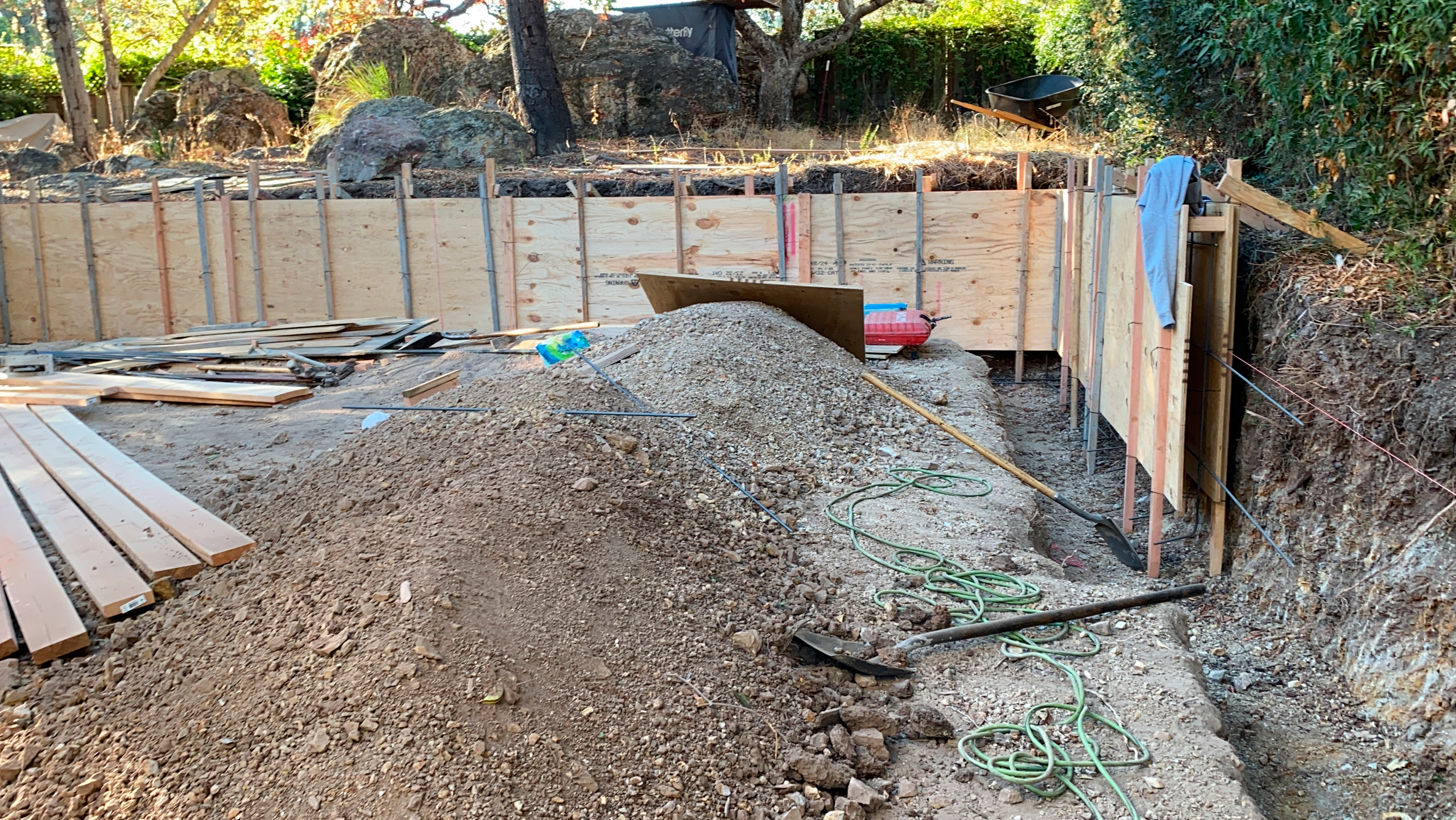
- Site Preparation: Preparing the construction site for concrete work, including excavation, grading, and setting up formwork and reinforcement.
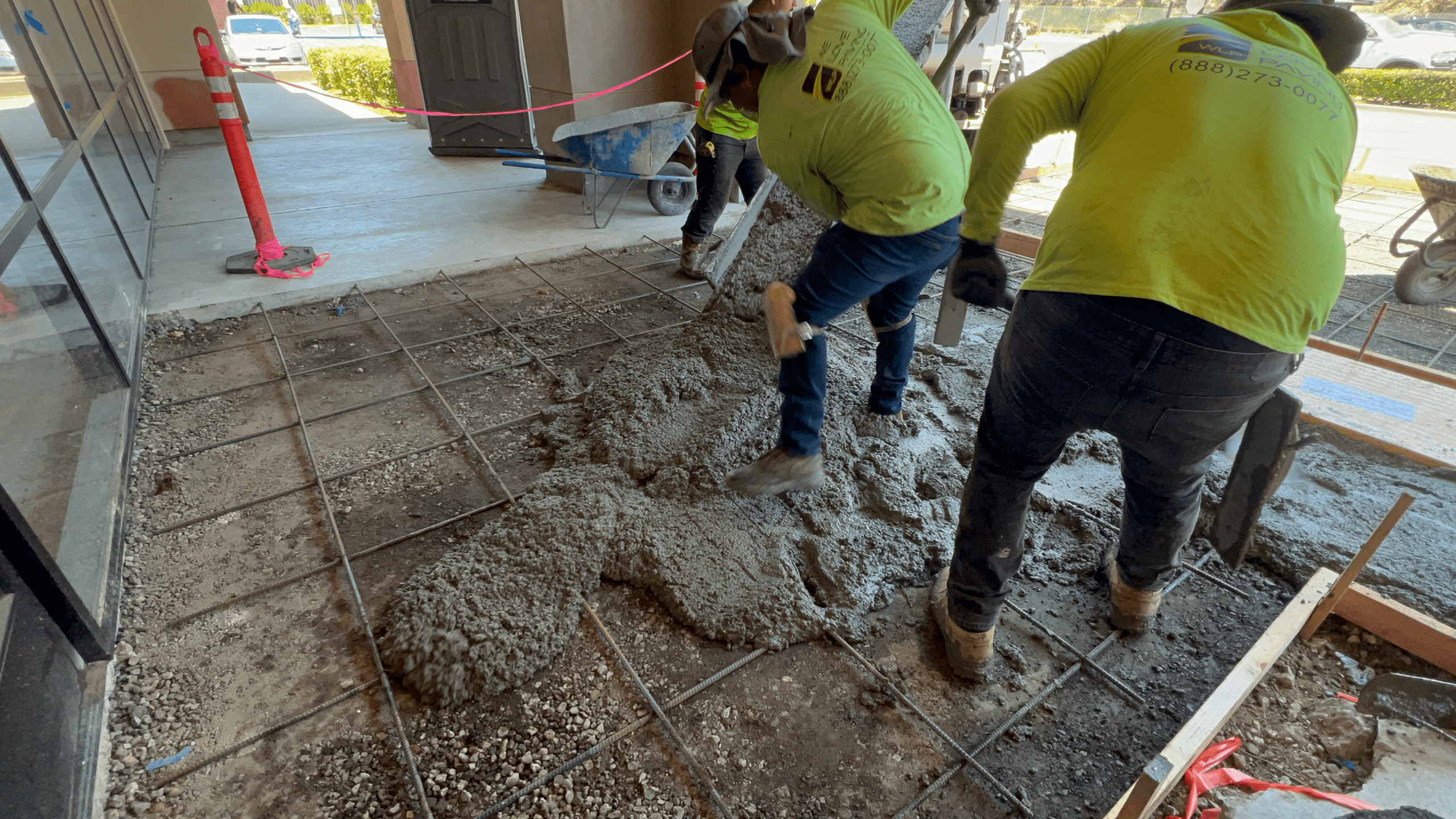
- Concrete Pouring: Pouring concrete into formwork to create foundations, slabs, walls, columns, and other structural elements according to the project’s design and specifications.
- Finishing: Finishing concrete surfaces to achieve the desired texture, smoothness, and appearance, using techniques such as troweling, stamping, and polishing.
- Curing: Ensuring proper curing of concrete to promote strength development and prevent cracking, using methods such as wet curing, curing compounds, and protective coverings.
- Repair and Maintenance: Performing repairs and maintenance on existing concrete structures, including patching, sealing, and resurfacing to extend their lifespan and restore their integrity.
- Quality Control: Conducting quality control inspections and tests throughout the construction process to ensure that concrete meets design specifications and industry standards.
- Safety Compliance: Adhering to safety regulations and best practices to maintain a safe work environment for themselves, their crew, and other construction workers on the site.
Skills and Qualifications
Concrete contractors possess a unique set of skills and qualifications that enable them to excel in their profession, including:
- Technical Expertise: A thorough understanding of concrete properties, materials, and construction techniques, as well as knowledge of building codes, regulations, and industry standards.
- Hands-on Experience: Extensive hands-on experience working with concrete, including pouring, finishing, curing, and repairing a wide range of concrete structures and surfaces.
- Problem-Solving Skills: The ability to troubleshoot and solve complex problems that may arise during the construction process, such as formwork issues, concrete placement challenges, or curing delays.
- Attention to Detail: A keen eye for detail and precision, ensuring that concrete surfaces are finished to the highest standards of quality, smoothness, and aesthetics.
- Communication Skills: Effective communication skills to collaborate with architects, engineers, clients, and other construction professionals, as well as the ability to lead and manage a team of workers effectively.
- Safety Consciousness: A strong commitment to safety practices and protocols to prevent accidents, injuries, and property damage on the job site.
Types of Concrete Construction Projects
Concrete contractors work on a wide range of construction projects, including:
- Residential Construction: Pouring foundations, driveways, sidewalks, patios, and other concrete features for single-family homes, multi-family dwellings, and residential developments.
- Commercial Construction: Constructing concrete structures for commercial buildings, retail centers, office complexes, and industrial facilities, including foundations, floors, walls, and structural elements.
- Infrastructure Projects: Building concrete infrastructure such as bridges, tunnels, dams, highways, airports, and water treatment facilities that require strong, durable, and long-lasting concrete construction.
- Decorative Concrete: Installing decorative concrete features such as stamped concrete, stained concrete, exposed aggregate, and polished concrete floors for aesthetic enhancement in both residential and commercial settings.
- Repair and Restoration: Performing repairs and restoration work on existing concrete structures, including crack repair, spall repair, joint sealing, and concrete resurfacing to extend their lifespan and improve their appearance.
Benefits of Hiring a Concrete Contractor
Hiring a concrete contractor offers numerous benefits for construction projects, including:
- Expertise: Concrete contractors bring specialized knowledge, skills, and experience to the construction process, ensuring that concrete work is done efficiently, accurately, and to the highest standards of quality.
- Efficiency: Concrete contractors have the tools, equipment, and resources needed to complete concrete work quickly and efficiently, saving time and reducing project delays.
- Quality Assurance: Concrete contractors conduct quality control inspections and tests throughout the construction process to ensure that concrete meets design specifications and industry standards.
- Cost-Effectiveness: Hiring a concrete contractor can be cost-effective in the long run, as their expertise and experience can help prevent costly mistakes, rework, and delays that may occur with DIY or inexperienced labor.
- Safety: Concrete contractors prioritize safety on the job site, adhering to safety regulations and best practices to prevent accidents, injuries, and property damage.
Finding the Right Concrete Contractor
When hiring a concrete contractor for your construction project, it’s essential to research and vet potential candidates carefully. Consider factors such as experience, reputation, qualifications, and references to ensure that you choose the right contractor for the job.
Conclusion
Concrete contractors play a vital role in the construction industry, bringing expertise, skills, and experience to projects that require strong, durable, and long-lasting concrete structures. Whether working on residential, commercial, or infrastructure projects, concrete contractors ensure that concrete work is done efficiently, accurately, and to the highest standards of quality, contributing to the success and longevity of construction projects. If you’re embarking on a construction project that involves concrete work, hiring a qualified concrete contractor is essential for achieving your goals and ensuring the integrity and durability of your structures.