Sacramento’s asphalt pavement serves as the backbone of its transportation infrastructure, facilitating mobility and safety. Its smooth surface also reduces noise levels and provides a comfortable driving experience.
Choosing the right material for roads, driveways, and parking lots is essential to maintaining safe and efficient road systems. This article explores the specific benefits of asphalt pavement.
Cost-Effective
Asphalt is an affordable option for residential and commercial paving projects. It is also a durable solution that can last longer than other materials, such as concrete. The lifespan of an asphalt pavement depends on a variety of factors, including climate, traffic, materials and construction practices. Proper maintenance can extend the life of the pavement and save money in the long run.
The asphalt paving process offers several customization options, which allow you to add your own design elements. It can also be colored and treated to enhance visual integration into surrounding landscapes and urban designs. In addition, asphalt is less prone to UV degradation than other materials. However, it will still need yearly maintenance to keep it looking clean and new.
The asphalt industry is a significant contributor to local economies, providing numerous jobs in construction and maintenance. Additionally, it supports the creation of innovative paving solutions that improve performance and durability. For example, permeable asphalt allows rainwater to drain through the surface rather than pooling on top or penetrating below, which can damage or undermine the structure of the pavement.
Durable
Asphalt paving is one of the most durable pavement solutions available. It can withstand heavy traffic, including trucks and buses. It also has a long lifespan when properly maintained. In addition, it can be recycled, which cuts down on the need for new raw materials. This makes it a sustainable solution for Sacramento.
The quality of asphalt pavement is determined by a variety of factors, including climate and traffic conditions. It is important for residents to understand these factors so they can make informed decisions regarding paving options. These include the use of high-quality asphalt mixes and proper construction and maintenance practices.
For example, high summer temperatures can cause damage to concrete surfaces. Asphalt, however, can withstand the scorching heat without damaging its structural integrity. Its dark color helps it cool down faster once the sun sets, which reduces the risk of damage and deterioration. In addition, the elasticity of asphalt allows it to expand and contract with temperature fluctuations. This is a significant benefit in areas like Sacramento, where temperatures can fluctuate significantly between daytime and nighttime.
Recyclable
Asphalt is one of the most recyclable construction materials, saving American tax payers billions a year. In the recycling process, discarded road material is broken up and mixed with petroleum products and aggregates to create new asphalt. It can then be used to resurface roads, driveways, parking lots and more.
The recycled asphalt, also known as RAP, is reincorporated into conventional hot mix asphalt (HMA) paving mixtures. This enables agencies to save money on purchasing HMA and reduce the amount of virgin materials needed in the mix, as well as conserve the nation’s natural resources.
In addition, reclaimed rubberized asphalt pavement (R-RAP) is being used as partial binder and partial aggregate replacement in new gap-graded asphalt rubber mixes. This is a significant step forward in closing the materials cycle and supporting sustainability. However, it requires a careful balance of technical and engineering principles to ensure that the performance grade of the R-RAP binder is not affected by the modification process. FHWA is working with industry to establish sound blending and mixing principles to minimize this risk.
Aesthetically Pleasing
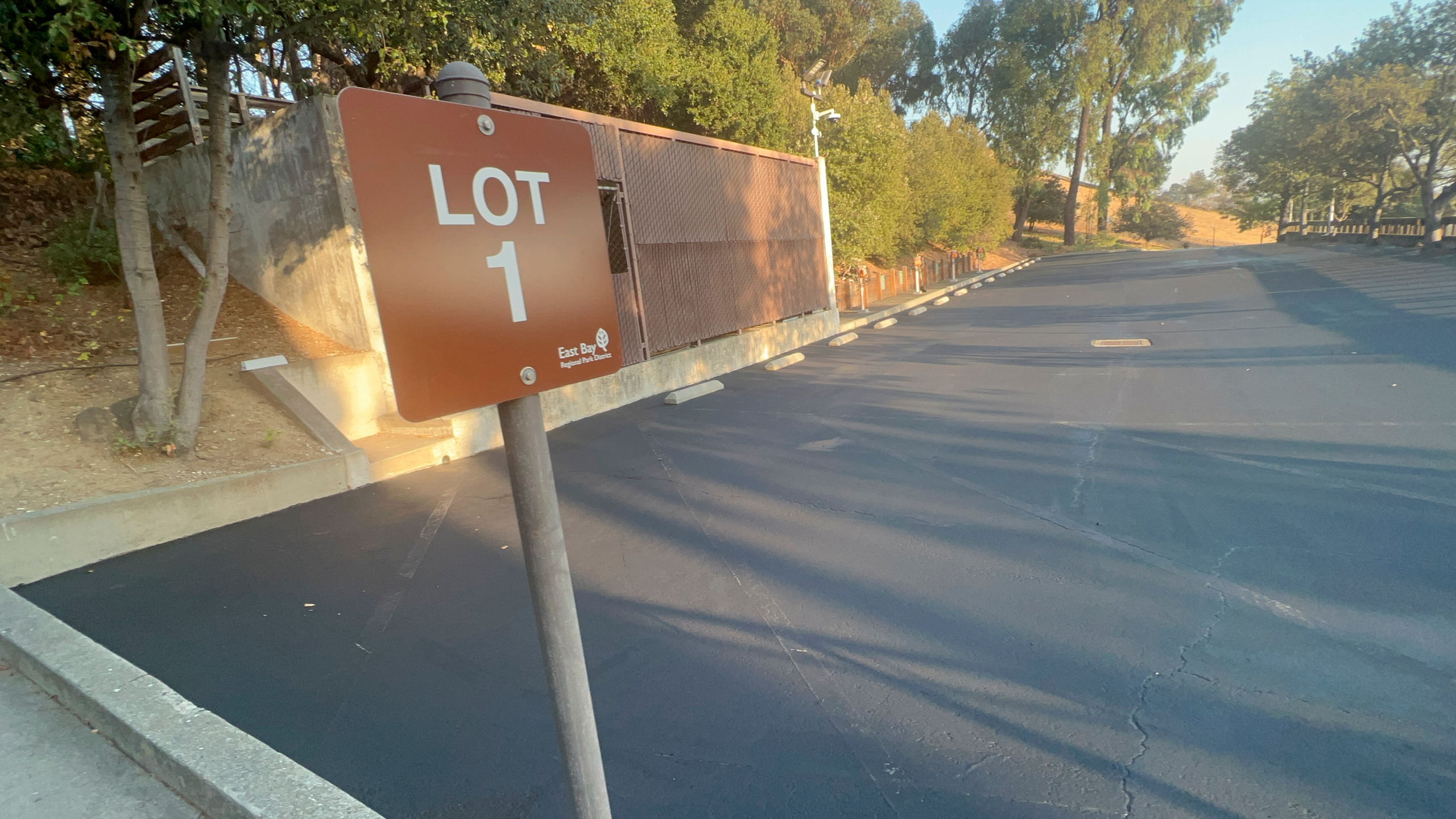
Asphalt is a popular choice for parking lots and driveways. This material is durable and versatile, providing a functional surface that enhances the aesthetics of your property. However, asphalt surfaces must be properly maintained to ensure long-term performance and appearance. Here are a few tips to help you keep your asphalt looking its best.
ADA Compliance in Commercial Paving
Adhering to Americans with Disabilities Act (ADA) guidelines is essential for commercial paving projects, ensuring accessibility for all visitors. While it may be challenging to navigate complex ADA regulations, following a few key guidelines can improve the outcome of your project.
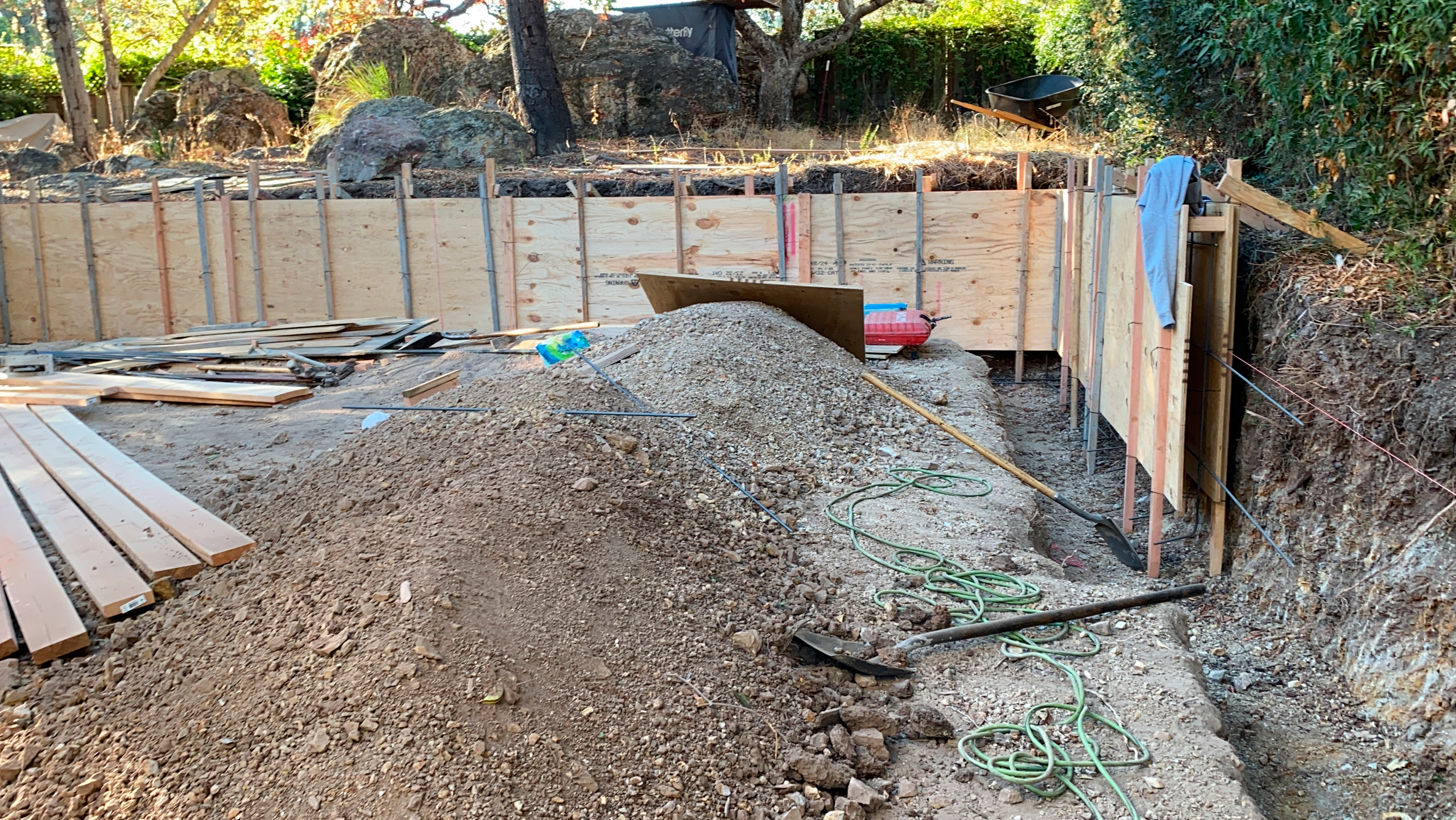
The most important factor in the success of your asphalt paving project is the quality of the base layer. A good base consists of a layer of gravel and sand, both of which are essential for the stability and durability of asphalt. The gravel layer, which should be 4-6 inches thick, provides the primary support for asphalt, while the sand layer allows for precise leveling and minor adjustments during the laying process. Additionally, the sand layer helps with drainage and maintains soil stability.
Economical
Asphalt pavements are a crucial component of Sacramento’s infrastructure, enhancing mobility and safety while contributing to urban aesthetics. These surfaces can be used for roadways, parking lots, driveways, and more. With the right maintenance, they can withstand the harsh California weather and heavy traffic for decades. In addition, they are more cost-effective than concrete and have a higher curb appeal.
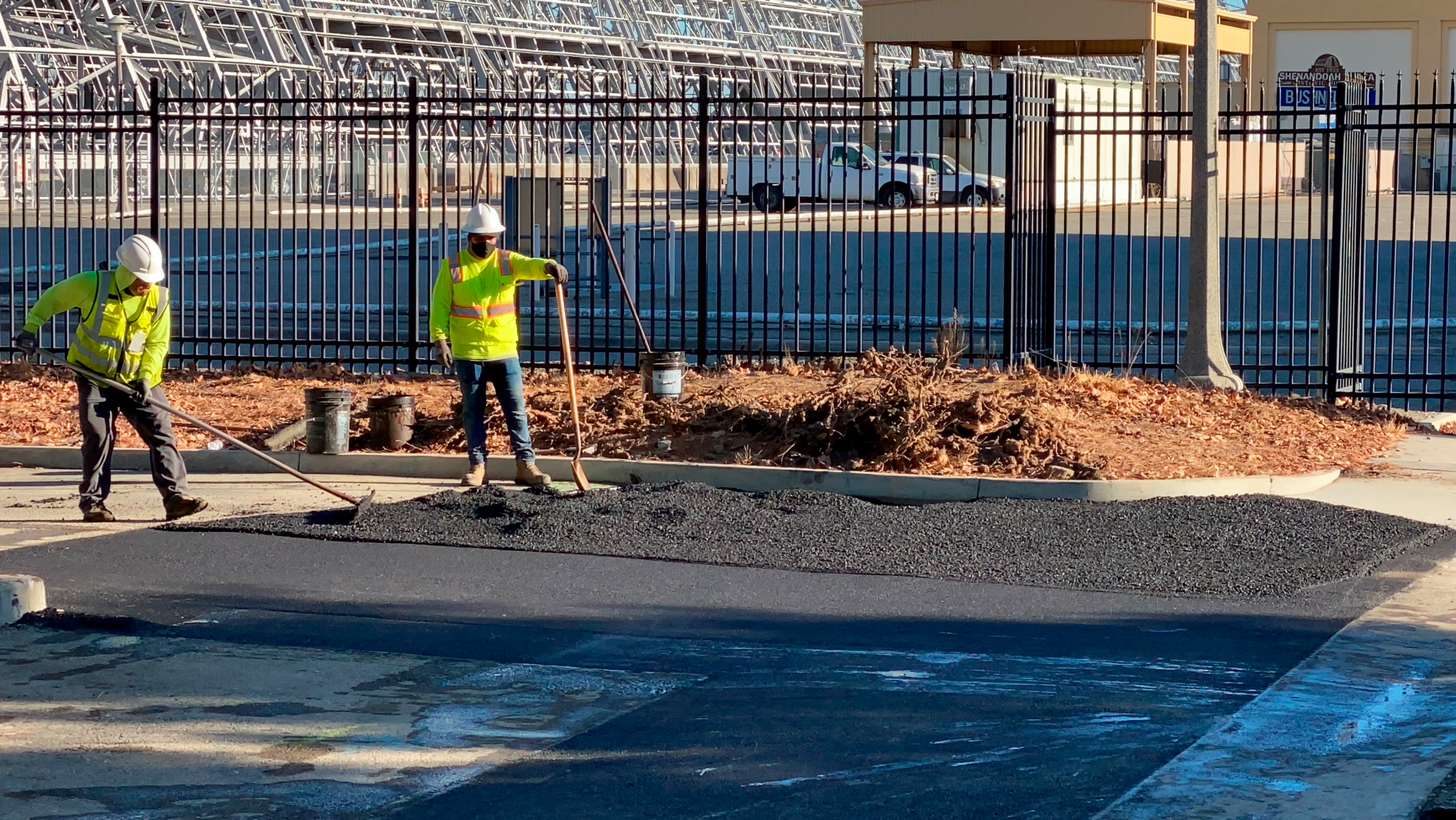
The main components of an asphalt mix are aggregates and bitumen. The former is usually crushed stone or gravel, and the latter is a black viscous liquid that binds the aggregates together. These materials are heated in an asphalt plant before being transported to the construction site for application. The preparation phase of the asphalt paving project includes site evaluation, excavation and grading, drainage design, base coat, topcoats and sealants, and a geotextile addition.
With a strong commitment to innovation, sustainability and effective maintenance practices, the asphalt industry is poised for continued growth and expansion. The use of advanced materials technology enables the paving of safer and more durable roadways, while new tools enable more accurate inspection and maintenance activities.