The Best Base for an Asphalt Driveway: A Comprehensive Guide

When constructing an asphalt driveway, the foundation is the most crucial component. A well-prepared base ensures the driveway’s longevity, stability, and resistance to various stresses. In this article, we explore the best base materials and practices for creating a durable and reliable asphalt driveway.

Why a Good Base Matters

The base of an asphalt driveway is essential for several reasons:

  1. Load Support: The base must support the weight of vehicles without shifting or settling.
  2. Drainage: Proper drainage prevents water from weakening the structure, which can lead to cracks and potholes.
  3. Durability: A strong base extends the life of the driveway by preventing common issues such as rutting and cracking.

Key Components of an Asphalt Driveway Base

A typical asphalt driveway base consists of several layers, each serving a specific function:

  1. Subgrade
  2. Subbase
  3. Base Course

1. Subgrade

Definition: The subgrade is the natural soil on which the driveway is built. It forms the foundation of the entire structure.

Preparation:

  • Clearing and Grubbing: Remove all vegetation, roots, and organic matter to create a stable surface.
  • Compaction: Use heavy machinery to compact the soil, increasing its density and stability.
  • Stabilization: Additives like lime or cement can be mixed with the soil to enhance its load-bearing capacity and resistance to water.

Importance: A well-prepared subgrade is crucial for preventing future settlement and ensuring the driveway’s durability.

2. Subbase

Definition: The subbase is a layer of material placed on top of the subgrade. It provides additional support and aids in load distribution.

Best Materials:

  • Granular Aggregate: Crushed stone or gravel, offering excellent drainage and compaction properties.
  • Recycled Concrete Aggregate (RCA): Crushed concrete from old structures, providing a cost-effective and environmentally friendly option.

Construction:

  • Layering: The subbase is laid in layers, each compacted to the required density.
  • Thickness: Typically 4 to 6 inches, depending on the soil conditions and anticipated load.

Importance: The subbase reduces stresses transmitted to the subgrade, enhancing the overall stability of the driveway.

3. Base Course

Definition: The base course is the main load-bearing layer directly beneath the asphalt pavement. It is crucial for the driveway’s structural integrity.

Best Materials:

  • Crushed Stone: Often referred to as “crusher run” or “road base,” it offers excellent compaction and drainage properties.
  • Gravel: Similar to crushed stone, but with slightly different properties that can vary based on the source material.

Construction:

  • Layering and Compaction: The base course is constructed in layers, each compacted to ensure maximum density and strength.
  • Thickness: Typically 4 to 6 inches, but may vary based on local conditions and traffic load.

Importance: The base course provides a stable platform for the asphalt layers above, ensuring durability and performance.

Best Practices for Preparing an Asphalt Driveway Base

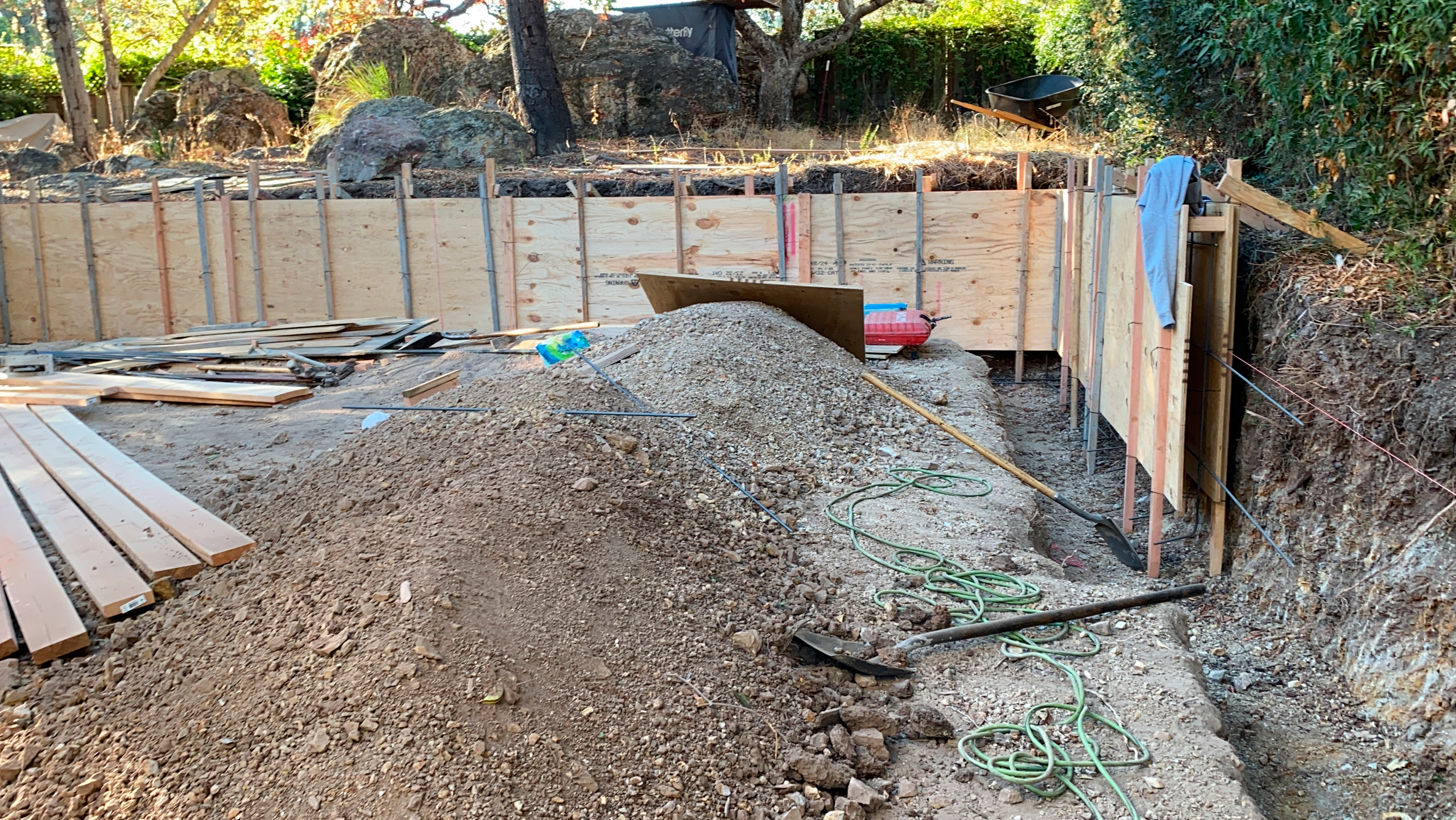
  1. Proper Excavation: Excavate to the appropriate depth, accounting for the thickness of all layers.
  2. Grading: Ensure the subgrade and subbase are properly graded to promote drainage and prevent water accumulation.
  3. Compaction: Each layer must be thoroughly compacted using heavy machinery to achieve the desired density and stability.
  4. Drainage Considerations: Incorporate drainage solutions like geotextiles or French drains to manage water effectively.

Advanced Techniques

Geotextiles and Geogrids: These synthetic fabrics can be placed between the subgrade and subbase to enhance separation, filtration, and drainage. Geogrids can also reinforce the base layers, improving load-bearing capacity.

Recycled Materials: Using reclaimed asphalt pavement (RAP) or recycled concrete aggregate (RCA) can be cost-effective and environmentally friendly. These materials provide similar performance to traditional aggregates when properly processed and compacted.

Conclusion

The best base for an asphalt driveway is a combination of a well-prepared subgrade, a stable subbase, and a robust base course. Using high-quality materials like crushed stone, gravel, and recycled aggregates, along with proper construction practices, ensures a durable and long-lasting driveway. Proper excavation, grading, and compaction are crucial steps in creating a strong foundation that will support the asphalt surface for many years.

Share

WHO IS FRED?

Fred, Regional Operations Manager, comes from a family of immigrant roots and a story built on sacrifice, discipline, and hard work. Growing up, Fred watched his parents work long hours and weekends to create a better future teaching him the values of perseverance, determination, and doing things the right way every single time.
We Love Paving began with Fred’s father, who started doing what he knew best: paving. Over the years, he built experience alongside respected professionals in the industry, refining his methods and developing a reputation for quality work that speaks for itself. As his clientele grew, so did the vision one built not only on skill, but on integrity and pride in every job.

Posts that might interest you

How Long Does an Asphalt Overlay Last? A Focus on Sacramento, California

How Long Does an Asphalt Overlay Last? A Focus on Sacramento, California

July 4, 2024

Asphalt overlays are a crucial component of road maintenance and construction, offering a cost-effective solution for renewing and extending the life of existing pavements. In Sacramento, California, where urban expansion and infrastructural development are ongoing, understanding the longevity of asphalt overlays is vital for city planners, construction companies, and residents. This article delves into the

How Much Asphalt Can Be Laid in a Day?

How Much Asphalt Can Be Laid in a Day?

July 3, 2024

Asphalt paving is a critical component of many construction projects, from residential driveways to major highways. One of the most important considerations for project managers and homeowners alike is understanding how much asphalt can be laid in a day. This not only impacts the timeline of a project but also its overall cost and logistical

How Steep Can an Asphalt Driveway Be?

How Steep Can an Asphalt Driveway Be?

July 3, 2024

Asphalt driveways are a popular choice for homeowners due to their durability, cost-effectiveness, and ease of installation. However, one critical factor to consider when planning an asphalt driveway is its slope. The steepness of a driveway can significantly impact its functionality, safety, and longevity. In this article, we will explore how steep an asphalt driveway

What is the Life Expectancy of Asphalt Paving in Sacramento, California?

What is the Life Expectancy of Asphalt Paving in Sacramento, California?

July 2, 2024

Asphalt paving is a critical component of urban infrastructure, serving as the backbone of city streets, highways, and parking lots. Its durability, cost-effectiveness, and ease of maintenance make it a popular choice for municipalities worldwide. In Sacramento, California, where urban development and traffic demand are continually increasing, understanding the life expectancy of asphalt paving is

What is the Minimum Thickness of Asphalt Pavement?

What is the Minimum Thickness of Asphalt Pavement?

July 2, 2024

The minimum thickness for asphalt pavement depends on the project: residential driveways require at least 2 inches, while commercial parking lots often start at 4 inches for durability. Factors Influencing Asphalt Pavement Thickness Traffic Load: The volume and weight of traffic that the pavement will support is a primary consideration. Heavier loads, such as those

What is the Tolerance for Asphalt Thickness?

What is the Tolerance for Asphalt Thickness?

July 1, 2024

Asphalt pavement quality is crucial for the longevity and durability of roads, driveways, and parking lots. One key aspect that affects the performance of asphalt surfaces is the thickness tolerance. This detailed guide will explore the importance of asphalt thickness tolerance, the factors that influence it, measurement techniques, and best practices for maintaining accurate thickness

What is the Best Quality Asphalt for Driveways?

What is the Best Quality Asphalt for Driveways?

June 28, 2024

Choosing the best quality asphalt for your driveway is essential to ensure durability, aesthetic appeal, and cost-effectiveness. This guide explores the types of asphalt, their benefits, and how to select the best option for your driveway needs. Understanding Asphalt Factors to Consider When Choosing Asphalt Types of Asphalt for Driveways Comparing Asphalt to Other Materials

How Thick Should Asphalt Paving Be?

How Thick Should Asphalt Paving Be?

June 28, 2024

Choosing the right thickness for asphalt paving is crucial for the longevity and durability of the surface, whether it’s a driveway, parking lot, or roadway. The thickness of asphalt paving affects its ability to withstand traffic loads, weather conditions, and overall wear and tear. This article will explore the factors influencing asphalt thickness and provide

How Close to My Property Line Can I Pour Concrete?

How Close to My Property Line Can I Pour Concrete?

June 28, 2024

Pouring concrete close to your property line is a common issue for homeowners looking to enhance their outdoor spaces. Whether it’s for a driveway, patio, or walkway, understanding the legal and practical considerations is crucial to avoid disputes with neighbors and comply with local regulations. This guide explores the key factors influencing how close you

How to Fix a Crumbling Concrete Driveway: The Ultimate Repair Guide

How to Fix a Crumbling Concrete Driveway: The Ultimate Repair Guide

June 27, 2024

When a concrete driveway starts to crumble, it’s more than a cosmetic issue—it’s a warning sign that the surface is losing its structural integrity. Left untreated, it can lead to major damage, higher repair costs, and safety hazards. Whether you’re a homeowner or manage a commercial property, this guide will show you how to restore

Previous Next