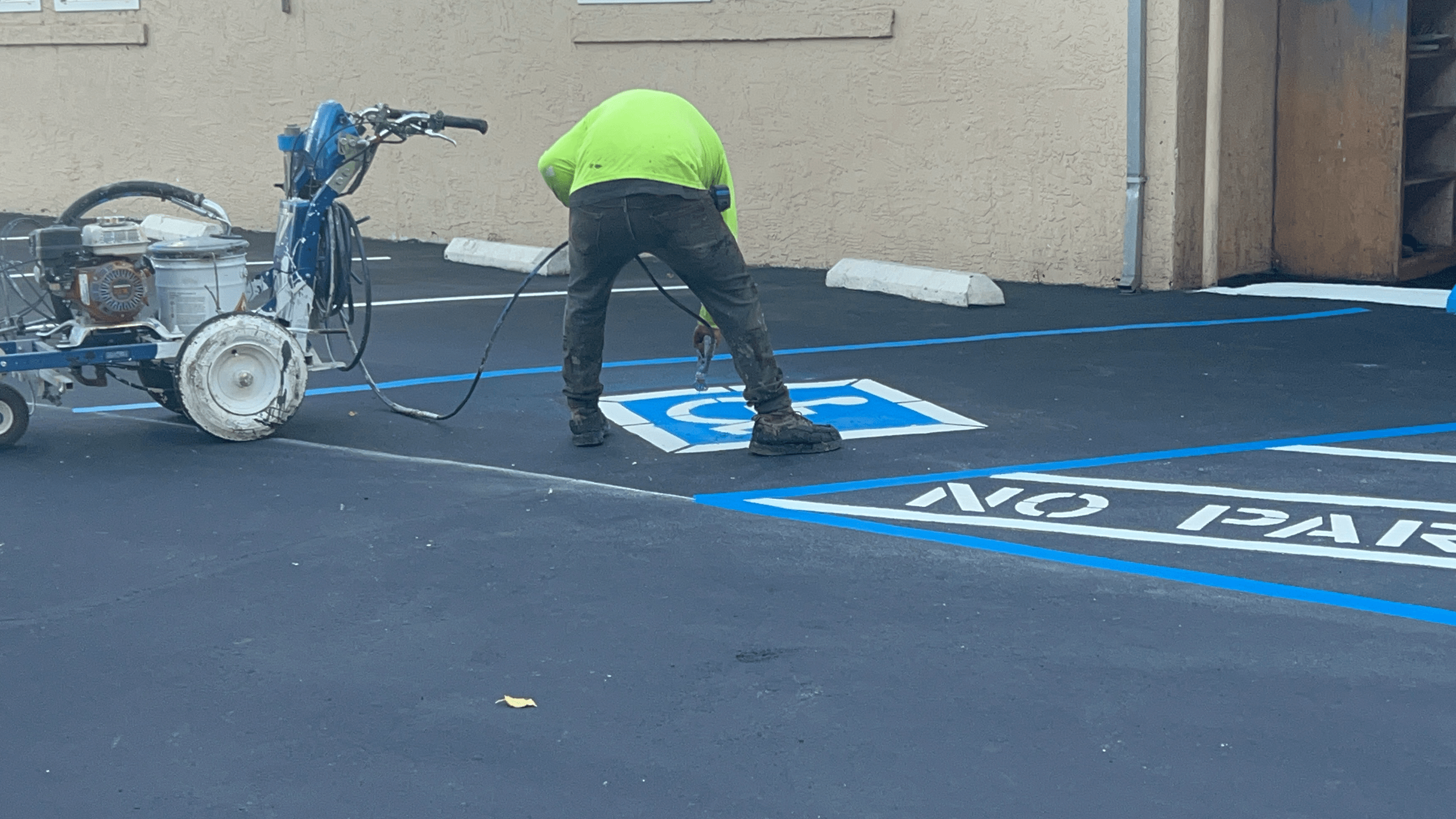
Asphalt is a crucial component of Sacramento’s infrastructure, serving as the foundation for mobility, safety, and urban aesthetics. However, not all asphalt surfaces are created equal.
A key factor in the quality of an asphalt surface is its thickness. The required thickness depends on the traffic load and soil conditions.
Cost-Effective
Asphalt is cheaper to install than concrete, making it a budget-friendly option for new construction projects or resurfacing work. It also offers an excellent surface finish, reducing maintenance fees and enhancing the curb appeal of your property. Thicker asphalt requires more material, so you should carefully calculate your project’s total surface area to minimize costs.
Another benefit of asphalt is its ability to withstand high temperatures without significant damage or cracking. This feature is especially important in Sacramento, where scorching summer temperatures can cause roads to deteriorate quickly. In addition, asphalt’s dark color absorbs heat during the daytime and cools down faster than concrete. This helps to reduce the urban heat island effect, while providing a smooth and quiet ride for drivers.
In an era of growing environmental consciousness, asphalt is an attractive choice for infrastructure development. It is inherently recyclable, with old pavement materials being reclaimed and reused in new projects. Additionally, it offers effective drainage capabilities, minimizing the risk of water-related damage and ensuring a safe road surface for Sacramento motorists.
Durable
Thicker asphalt is able to better withstand traffic, temperature fluctuations, and other natural challenges. This durability is especially important in a city like Sacramento, where the harsh elements can impact pavement longevity and safety. The stability of the soil on which a surface is built is also a factor in asphalt longevity. This can be addressed through proper site preparation, compaction, and sub-base installation.
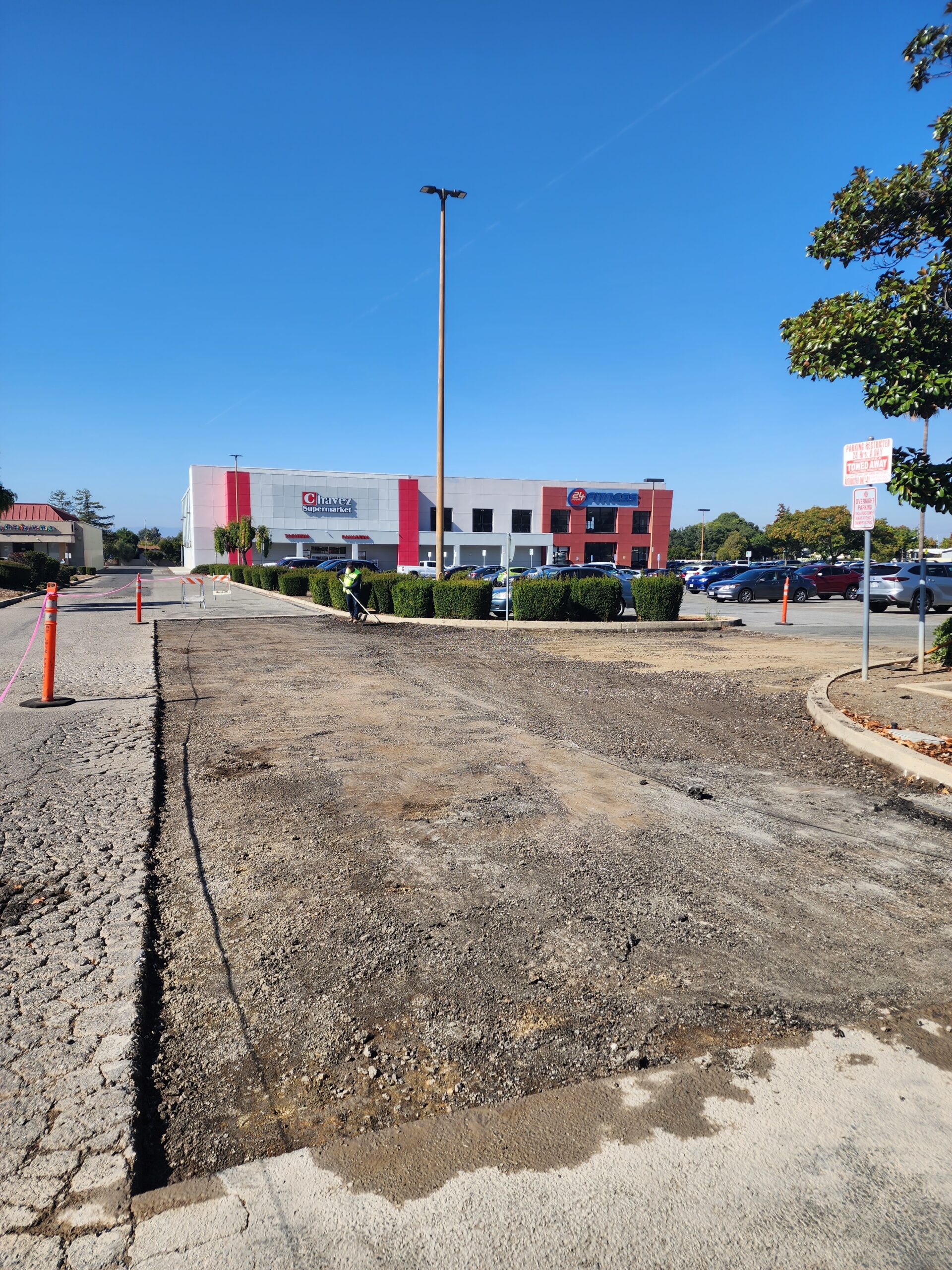
A thicker base also allows for more precise leveling and minor adjustments during asphalt paving. In addition, the coarse sand layer promotes good drainage by allowing water to percolate through and into the ground underneath. This helps prevent ponding, which can lead to erosion or instability over time.
Asphalt is also a sustainable choice, as old material can be recycled and reused in new paving projects. This recyclability minimizes the need for raw materials, and helps the environment by reducing emissions from vehicles and energy consumption. In addition, asphalt is an ideal choice for addressing the urban heat island effect, by reflecting sunlight and lowering surface temperatures. This is accomplished through reflective coatings and cool pavement technologies, which can significantly reduce local air temperatures.
Versatile
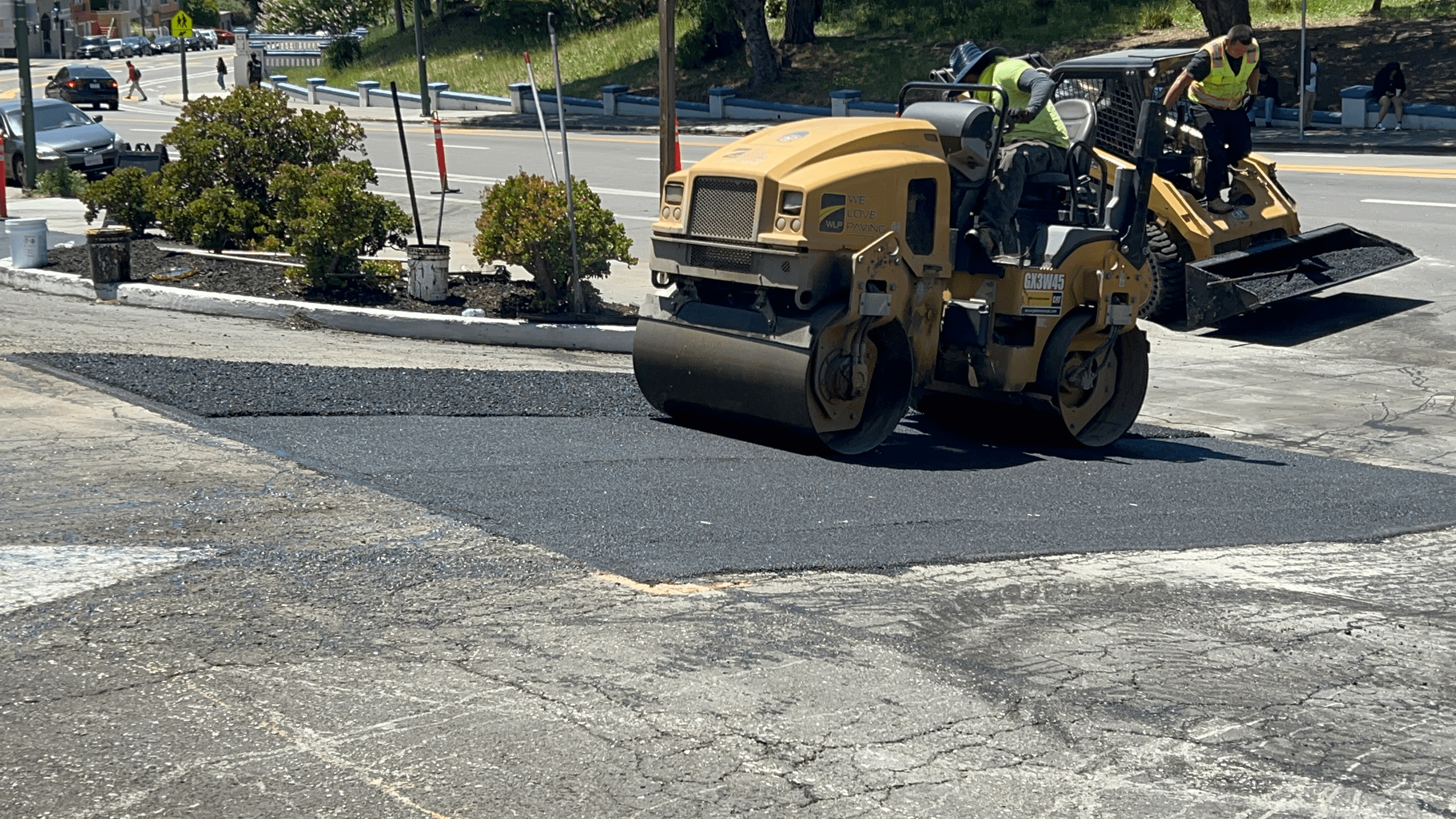
Asphalt is a versatile material that can be used for many different paving applications. For example, it can be used for residential driveways, parking lots, or road construction projects. It is also a cost-effective alternative to concrete for roadways. Asphalt can be installed quickly, allowing businesses to keep their operations running smoothly with minimal disruption to traffic.
Thicker asphalt pavements are better able to withstand heavy loads and weather conditions. However, it’s important to consult with professionals to ensure that the thickness is appropriate for the specific application.
One key factor is the asphalt binder: a black, sticky substance that is a byproduct of petroleum refining. It’s added to the aggregate to create the final asphalt mixture. A higher asphalt binder to aggregate ratio will result in a tougher pavement with less flexibility.
Choosing the right asphalt thickness can help you maximize your investment. It will improve the durability and longevity of your residential driveway or roadway. It will also make maintenance and repairs easier. Keeping your asphalt driveway sealed will extend its life and prevent costly replacements.
Sustainable
Asphalt paving is an important component of Sacramento’s infrastructure, enhancing mobility, safety and urban connectivity. Its versatility and durability make it a key investment for cities across the country, as well as a crucial source of jobs. Combined with innovative materials technology and effective maintenance practices, asphalt paving offers significant environmental benefits.
A thicker asphalt mix enables the use of lower temperatures during mixing and compaction, which reduces energy consumption and atmospheric emissions. Additionally, the asphalt paving process can be done much faster than concrete paving, which translates to savings on both fuel and construction time.
The paving process can be further optimized for sustainability through the use of polymer-modified materials. These enhance the binders’ resistance to temperature fluctuations, enabling them to maintain their strength and durability in Sacramento’s climate. Furthermore, reclaimed asphalt pavement (RAP) can be added to new mixes, which helps to save valuable natural resources and contributes to a reduction in landfill waste. The RAP is pulverized and blended with cement, water and a small percentage of aggregate to create the new mixture.
Easy to Maintain
Compared to other types of pavement, thicker asphalt is relatively easy to maintain. With regular inspections and timely repairs, you can reduce the risk of damage from heavy traffic loads and extreme weather conditions.
Outdoor contaminates like leaves, pebbles, dirt, and liquids can cause serious damage to asphalt surfaces if left unattended. Sweeping and hosing your asphalt regularly will help to eliminate these substances, extending its lifespan.
Edge cracking is another common problem that can be easily prevented with proper design. Pavement edges should be supported by curbs, gutters, or shoulder materials to prevent moisture infiltration that can lead to structural deterioration.
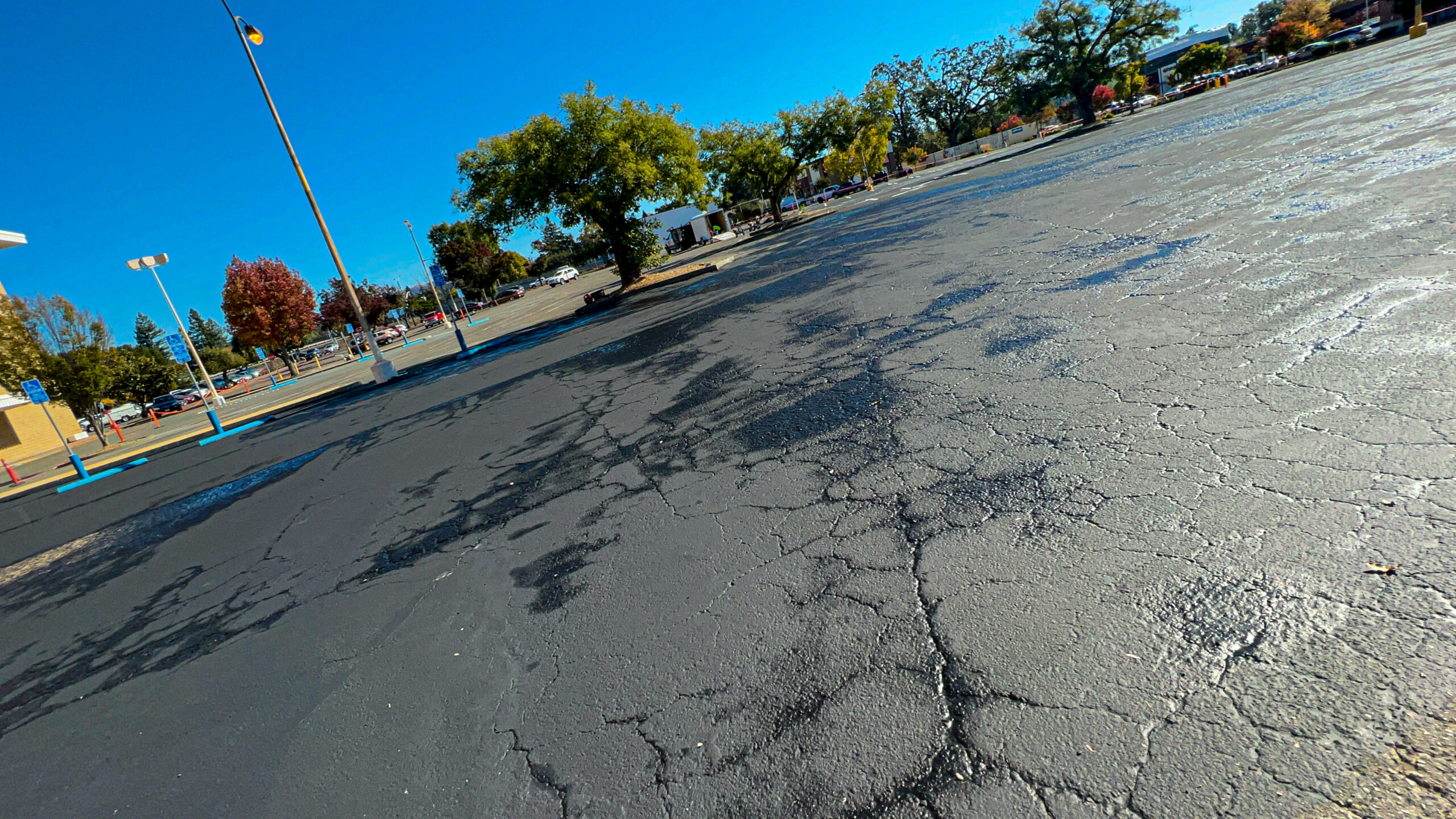
Fatigue cracking, also known as alligator cracking, is a type of damage that is load related and often caused by vehicles making repeated turns or parking in the same spot for too long. It can be exacerbated by poor base preparation, subgrade, or surface and by a lack of good drainage. The best way to prevent fatigue cracking is to move vehicles around your parking lot regularly and install high-quality drainage systems to keep water moving away from the surface.