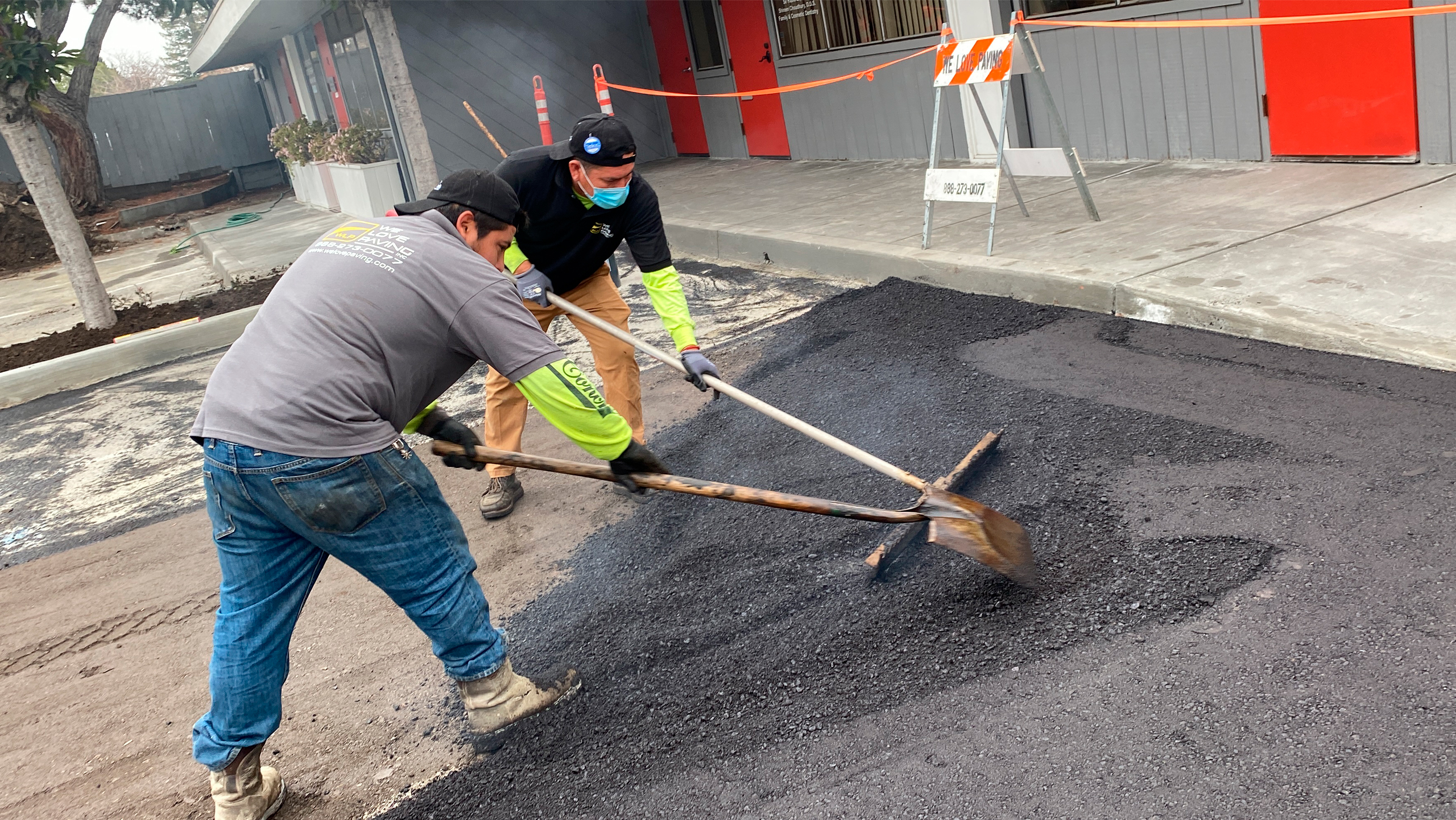
Standard Car Parking Space Dimensions in the USA: A Comprehensive Guide by WeLovePaving

Introduction

Parking spaces may seem like a mundane aspect of urban planning, but their dimensions play a critical role in safety, convenience, and regulatory compliance. At WeLovePaving, we understand that well-designed parking lots enhance traffic flow, maximize space efficiency, and ensure accessibility for all drivers. This guide explores the standard car parking space dimensions in the USA, including key considerations for residential, commercial, and ADA-compliant designs.


Why Parking Space Dimensions Matter
Properly sized parking spaces reduce the risk of accidents, improve driver comfort, and ensure compliance with local building codes. Oversized spaces waste valuable land, while undersized ones lead to vehicle damage and accessibility challenges. Whether designing a commercial lot or a residential driveway, adhering to proven standards is essential for functionality and safety.


Standard Parking Space Dimensions
In the U.S., the minimum standard for a perpendicular (90-degree) parking space is 9 feet wide by 18 feet long. These dimensions accommodate most vehicles, including sedans and mid-size SUVs. However, variations exist based on location and purpose:

  • Compact Spaces: Often 8 ft x 16 ft, though many municipalities avoid these due to today’s larger average vehicle size.

  • Angled Parking: Spaces angled at 45°–60° may be narrower (8.5–9 ft wide) but require shorter lengths (15–18 ft). Angled layouts improve traffic flow in high-turnover areas like shopping centers.

  • Trucks and SUVs: In regions with larger vehicles, lengths of 20–22 ft are recommended.

Local codes supersede national guidelines, so always consult regional authorities during planning.


ADA-Compliant Parking Spaces
The Americans with Disabilities Act (ADA) mandates accessible parking to ensure inclusivity. Key requirements include:

  • Standard Accessible Spaces: 8 ft wide with a 5 ft-wide access aisle adjacent.

  • Van-Accessible Spaces: 8 ft wide with an 8 ft aisle; these also require 98 inches of vertical clearance for lifts.

  • Location: Accessible spaces must be closest to building entrances and account for at least 2% of total parking capacity (1 van space per 6 accessible spaces).

Signage and pavement markings (e.g., blue striping) are mandatory for compliance.


Angled vs. Perpendicular Parking
The choice between angled and perpendicular layouts impacts space efficiency and driver experience:

  • Perpendicular (90°): Maximizes space density but requires wider aisles (24 ft for two-way traffic). Ideal for large lots like grocery stores.

  • Angled (45°–60°): Allows narrower aisles (18–20 ft) and easier maneuverability, perfect for tight urban areas. However, angled layouts may reduce total spaces compared to perpendicular designs.


Residential vs. Commercial Parking
Residential Parking:

  • Driveways: Single-car driveways should be 10–12 ft wide; two-car driveways need 18–20 ft.

  • Garages: A standard two-car garage is 20 ft x 20 ft, though 24 ft x 24 ft better accommodates trucks or SUVs.

Commercial Parking:

  • Retail lots prioritize convenience, often using 9 ft x 20 ft spaces with 24 ft aisles.

  • Offices and hospitals may opt for 10 ft x 20 ft spaces to cater to longer visitor stays.


Key Considerations for Parking Lot Design

  1. Traffic Flow: Ensure one-way aisles are 12–15 ft wide; two-way aisles need 24 ft.

  2. Drainage and Materials: Use durable asphalt or concrete with proper slope (1–2%) to prevent pooling.

  3. Lighting and Security: Adequate lighting improves safety and visibility after dark.

  4. Future-Proofing: Plan for EV charging stations or expanded accessibility needs.


Conclusion
Understanding parking space dimensions is vital for creating functional, safe, and inclusive environments. At WeLovePaving, we combine expertise in local regulations, ADA standards, and innovative design to deliver parking solutions that stand the test of time. Whether you’re revamping a commercial lot or installing a residential driveway, trust us to pave the way for success.

Contact WeLovePaving today to design a parking space that balances efficiency, compliance, and durability!



Share

WHO IS FRED?

Fred, Regional Operations Manager, comes from a family of immigrant roots and a story built on sacrifice, discipline, and hard work. Growing up, Fred watched his parents work long hours and weekends to create a better future teaching him the values of perseverance, determination, and doing things the right way every single time.
We Love Paving began with Fred’s father, who started doing what he knew best: paving. Over the years, he built experience alongside respected professionals in the industry, refining his methods and developing a reputation for quality work that speaks for itself. As his clientele grew, so did the vision one built not only on skill, but on integrity and pride in every job.

Posts that might interest you

What is the Best Quality Asphalt for Driveways?

What is the Best Quality Asphalt for Driveways?

June 28, 2024

Choosing the best quality asphalt for your driveway is essential to ensure durability, aesthetic appeal, and cost-effectiveness. This guide explores the types of asphalt, their benefits, and how to select the best option for your driveway needs. Understanding Asphalt Factors to Consider When Choosing Asphalt Types of Asphalt for Driveways Comparing Asphalt to Other Materials

How Thick Should Asphalt Paving Be?

How Thick Should Asphalt Paving Be?

June 28, 2024

Choosing the right thickness for asphalt paving is crucial for the longevity and durability of the surface, whether it’s a driveway, parking lot, or roadway. The thickness of asphalt paving affects its ability to withstand traffic loads, weather conditions, and overall wear and tear. This article will explore the factors influencing asphalt thickness and provide

How Close to My Property Line Can I Pour Concrete?

How Close to My Property Line Can I Pour Concrete?

June 28, 2024

Pouring concrete close to your property line is a common issue for homeowners looking to enhance their outdoor spaces. Whether it’s for a driveway, patio, or walkway, understanding the legal and practical considerations is crucial to avoid disputes with neighbors and comply with local regulations. This guide explores the key factors influencing how close you

How to Fix a Crumbling Concrete Driveway: The Ultimate Repair Guide

How to Fix a Crumbling Concrete Driveway: The Ultimate Repair Guide

June 27, 2024

When a concrete driveway starts to crumble, it’s more than a cosmetic issue—it’s a warning sign that the surface is losing its structural integrity. Left untreated, it can lead to major damage, higher repair costs, and safety hazards. Whether you’re a homeowner or manage a commercial property, this guide will show you how to restore

Do You Need a Permit to Replace a Driveway? A Comprehensive Guide

Do You Need a Permit to Replace a Driveway? A Comprehensive Guide

June 25, 2024

Replacing a driveway is a significant home improvement project that can enhance curb appeal, increase property value, and improve functionality. However, before you start tearing up your old driveway and pouring new concrete or laying pavers, it’s crucial to understand the legal and regulatory requirements involved. One of the most common questions homeowners have is

Steps Involved in Asphalt Paving

Steps Involved in Asphalt Paving

June 25, 2024

Asphalt paving is a necessary part of the construction industry. It’s a versatile material used to build roads, parking lots, and driveways. Understanding the steps involved in asphalt paving will help you choose the right pavement for your needs. Asphalt is an extremely durable material that withstands traffic and the elements. It is also environmentally

The Cost of Asphalt Cutting Per Linear Foot: What to Expect

The Cost of Asphalt Cutting Per Linear Foot: What to Expect

June 24, 2024

When it comes to construction and repair projects, asphalt cutting is often a necessary task, whether for roadworks, driveways, or other paved surfaces. Understanding the cost involved in asphalt cutting per linear foot can help you budget more accurately for your project. This article will break down the factors affecting these costs and provide a

The Best Base for an Asphalt Driveway: A Comprehensive Guide

The Best Base for an Asphalt Driveway: A Comprehensive Guide

June 24, 2024

What Do You Lay Under Asphalt?

What Do You Lay Under Asphalt?

June 24, 2024

The Process of Asphalt Paving

The Process of Asphalt Paving

June 19, 2024

Asphalt Paving is a complex process that involves numerous stages. A good paving contractor will be willing to walk you through their work processes and answer any questions. Inquire about an asphalt paving contractor’s license, worker’s compensation, and liability insurance. Ask them to provide references and project examples. Also, ask about their education and training.

Previous Next