Most serious asphalt damage starts quietly.
A narrow crack near a parking lot entrance. A seam opening beside a curb. A thin fracture spreading through an area where delivery trucks turn every day.
At first, the pavement still looks usable. Cars continue parking. Tenants rarely complain. Property managers often postpone action because the damage appears cosmetic.
That is usually the stage where deterioration begins accelerating underneath the surface.
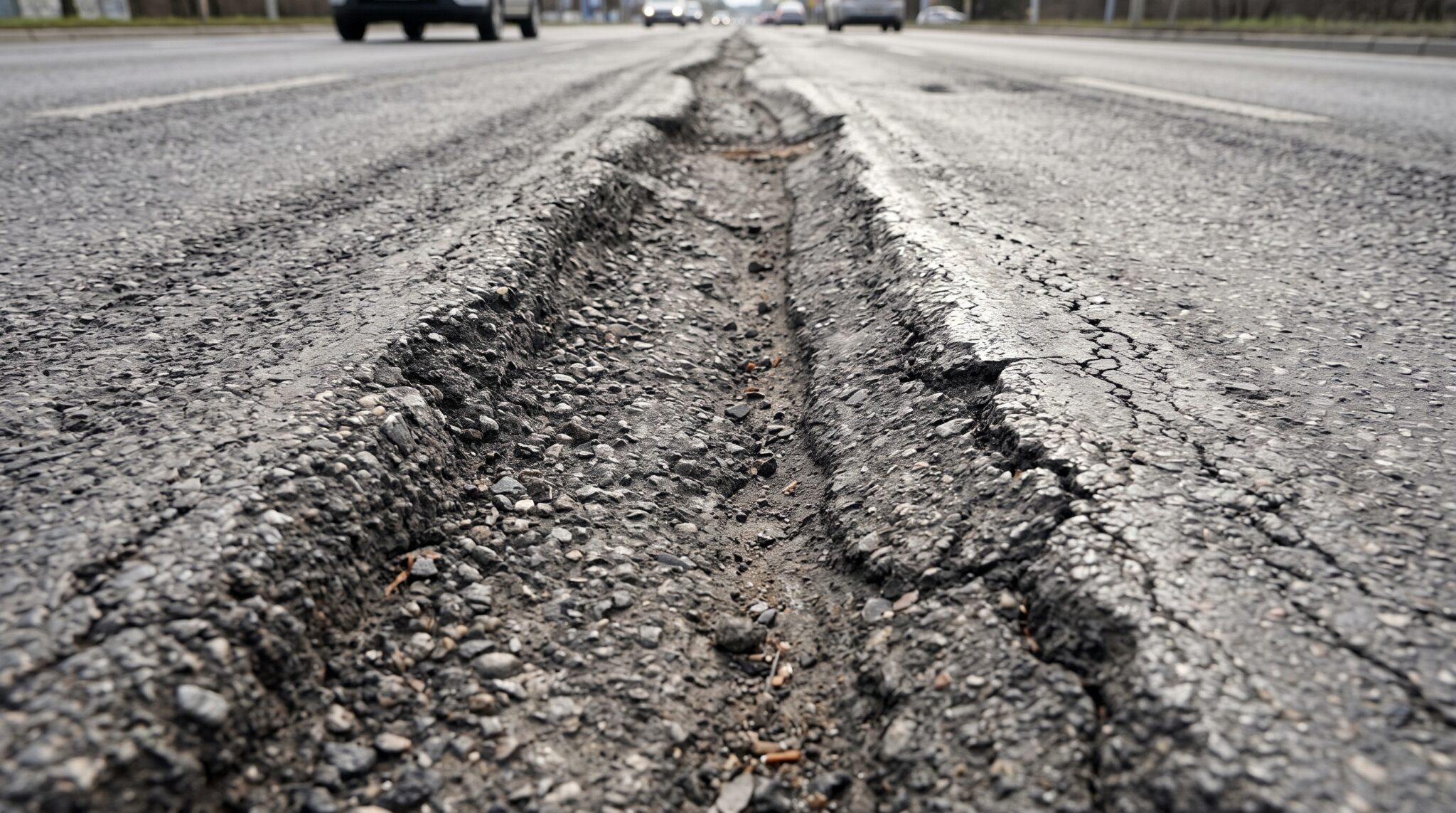
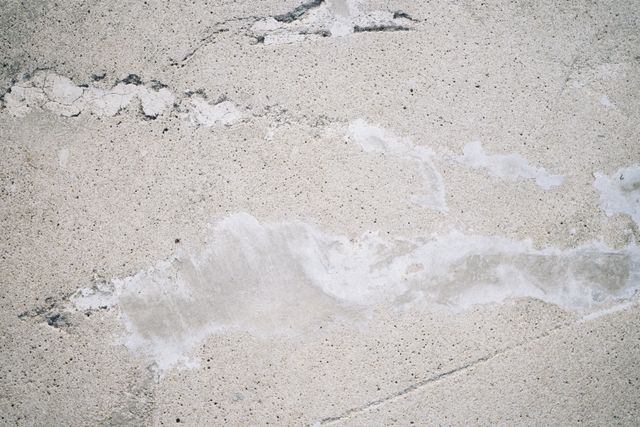
Once water starts entering small cracks, asphalt rarely stabilizes on its own. Traffic pressure, seasonal temperature shifts, and drainage movement gradually weaken the pavement structure until visible damage spreads much faster than expected.
For commercial properties, retail centers, HOAs, industrial yards, and apartment communities, early cracking is often less about appearance and more about preventing larger operational and financial problems later.

Water Changes Everything Beneath the Surface
The crack itself is rarely the most expensive part of the problem.
What matters is what happens after moisture begins moving below the asphalt layer.
Even small openings allow water to reach the aggregate base supporting the pavement. Over time, repeated moisture exposure softens those supporting layers and reduces the surface’s ability to distribute weight evenly.
This is why parking lots often deteriorate faster after rainy seasons, colder weather cycles, or long periods of standing water.
On many properties, the first signs are easy to recognize:
- water sitting near entrances after storms,
- cracks widening around turning zones,
- faded striping near rough pavement,
- edges breaking apart beside landscaping,
- and shallow depressions forming where vehicles repeatedly stop or brake.
Once those conditions appear together, the pavement is usually entering a faster deterioration phase.
Properties with poor drainage tend to experience the most aggressive crack expansion because moisture repeatedly returns to the same weak areas. Even slight grading shifts can keep water trapped long enough to accelerate surface fatigue.
For many commercial properties, recurring surface cracking eventually becomes part of a broader pavement preservation strategy tied to services such as asphalt services. Preventive attention usually slows deterioration before repairs become significantly more disruptive.
Traffic Stress Makes Small Damage Spread Faster
Traffic volume changes how asphalt behaves.
Residential driveways may hold small cracks for years with minimal change. Commercial pavement usually does not.
Parking lots experience constant turning pressure, braking friction, delivery traffic, and concentrated vehicle weight near entrances and loading zones. Those repetitive stress patterns slowly pull existing cracks wider until sections of pavement begin separating.
In many retail and industrial properties, deterioration becomes visible first near:
| Pavement Area | Common Early Warning Sign | Why Damage Accelerates |
|---|---|---|
| Parking lot entrances | Linear cracking | Constant braking and turning stress |
| Dumpster enclosures | Surface softening and breakup | Heavy truck pressure and fluid exposure |
| Loading areas | Fatigue cracking | Concentrated weight from repeated deliveries |
| Drainage edges | Surface separation | Recurring moisture exposure |
| ADA walkways and crossings | Uneven pavement transitions | Water collection and traffic movement |
One common pattern property managers notice is that cracks near delivery routes tend to reopen quickly after seasonal weather changes. The pavement may appear stable during dry periods, then deteriorate rapidly after heavy rain or colder temperatures.
That progression is especially common in older parking lots where the asphalt surface has already lost flexibility from oxidation and UV exposure.
Seasonal Weather Accelerates Deterioration Cycles
Asphalt expands and contracts constantly.
Hot temperatures soften weakened pavement areas. Cold weather causes contraction that widens existing fractures. Rainfall repeatedly pushes moisture deeper into vulnerable sections.
The result is cumulative stress.
Many property owners underestimate how quickly winter and spring weather cycles reopen previously minor cracks. Areas that looked manageable during summer often show larger separation, loose aggregate, or shallow potholes once colder weather passes.
This is particularly noticeable in shaded areas that retain moisture longer, low spots where runoff collects, curbs with poor drainage flow, and entrances exposed to daily delivery traffic.
The same pavement sections also tend to lose striping visibility faster because the surface underneath becomes increasingly uneven.
Many property managers eventually notice that recurring crack expansion, drainage issues, and surface fatigue begin overlapping long before major reconstruction is considered. At that stage, broader pavement services often become part of long-term property planning.
Small Cracks Eventually Become Property Management Problems
Once asphalt starts breaking apart, the issue moves beyond pavement appearance.
Uneven surfaces increase trip hazards. Standing water creates complaints from tenants and visitors. Vehicle damage claims become more common near potholes and failed edges.
Commercial properties also deal with another practical issue: visible pavement deterioration changes how people perceive the property itself.
A parking lot with widening cracks, rough transitions, and fading striping often gives the impression that maintenance is being deferred elsewhere too.
That perception matters for retail centers competing for tenants, apartment communities managing resident retention, HOAs maintaining property standards, and industrial facilities handling regular truck activity.
In many cases, pavement failure spreads gradually enough that owners adapt to it visually until deterioration suddenly becomes difficult to ignore.
The problem is that asphalt rarely becomes cheaper to stabilize once moisture reaches deeper supporting layers.
Why Timing Matters More Than Most Owners Expect
Small asphalt cracks are not automatically emergencies.
Some surface aging is normal over time. The challenge is recognizing when isolated wear is becoming structural deterioration.
Properties that perform regular inspections usually identify drainage issues, widening cracks, and surface fatigue before major reconstruction becomes necessary. In many cases, recurring wear patterns eventually lead owners to evaluate broader asphalt maintenance planning before surface failure spreads further. Those that delay maintenance often discover the damage only after potholes, pooling water, or widespread surface breakup begin affecting daily operations.
That difference in timing often determines whether a property addresses localized pavement wear or ends up dealing with significantly larger repairs later.
For most commercial asphalt surfaces, the real risk is not the crack itself. It is the chain reaction that starts once moisture, traffic pressure, and seasonal movement begin working beneath the pavement at the same time.