Sealcoating: Because Roads Need Sunscreen Too

Imagine you’re out on a sunny day, soaking up the rays, thinking you’re invincible. But after a few hours, you’re feeling the burn—red, irritated, and regretting not applying sunscreen. Now, picture that same sun beating down on your driveway or parking lot. Without sealcoating, your asphalt is going to feel that same burn. Just like your skin, asphalt can suffer from UV damage, cracking, and wear, all because it didn’t get the protection it needs.

Why Sealcoating is Asphalt’s Sunscreen:

1. Protection from UV Rays

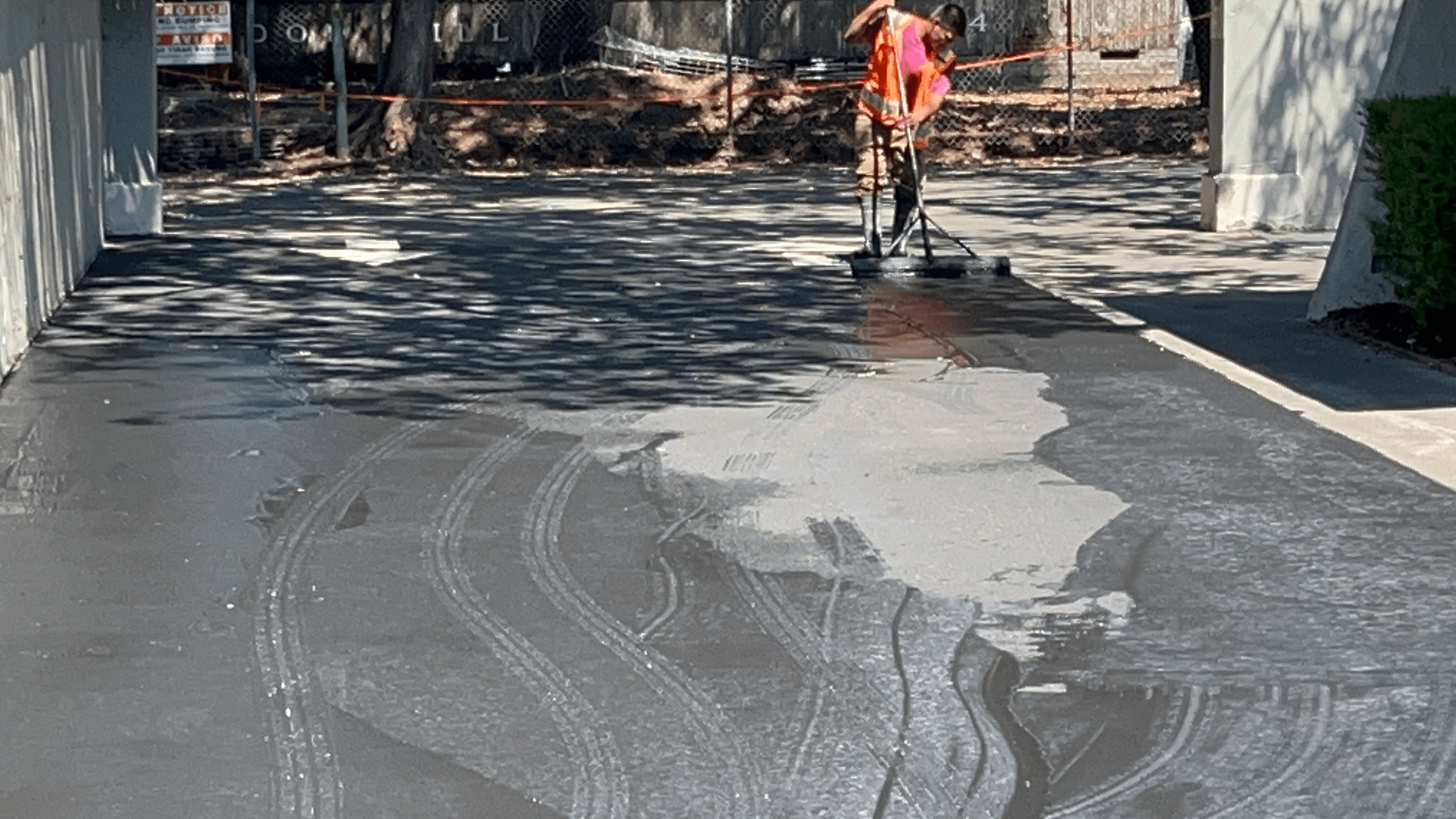
Asphalt, like human skin, is vulnerable to the sun’s UV rays. Over time, constant exposure to the sun can break down the surface of your asphalt, causing it to become brittle, cracked, and faded. When you apply sunscreen to your skin, it forms a protective barrier that absorbs or reflects the UV rays, preventing damage. Similarly, when you apply sealcoating to asphalt, it creates a layer that helps deflect UV radiation, keeping the surface intact and preventing it from deteriorating.

2. Shielding from Moisture and Elements

Another way sunscreen works is by preventing moisture loss from your skin, keeping it hydrated. Asphalt can also be damaged by moisture. Rain, snow, and even dew can seep into the pores of the asphalt. When water gets into cracks or holes, it expands when it freezes (especially in cold weather), causing the cracks to widen. Sealcoating acts as a barrier that repels water, ensuring that it doesn’t seep in and cause those cracks to form or grow larger. Just like you wouldn’t leave your skin exposed to the elements, your asphalt needs protection to stay intact.

3. Prevention of Wear and Tear

Just like sunscreen can prevent your skin from aging prematurely by blocking harmful rays, sealcoating prevents the surface of your asphalt from aging too quickly. When asphalt is left untreated, it gets “weathered” over time—meaning it starts showing signs of wear and tear much earlier than it should. Sealcoating helps to extend the lifespan of the surface by providing a protective shield that reduces the effects of weather, traffic, and daily use. It slows down the process of oxidation and general degradation.

4. Maintaining Aesthetic Appeal

Sunscreen doesn’t just protect your skin—it also keeps it looking youthful and vibrant. Likewise, sealcoating helps maintain the rich, black color of your asphalt. Asphalt that is left exposed to the sun can fade and become grey or discolored. A fresh layer of sealcoating helps restore the dark, clean look of the asphalt, keeping it aesthetically appealing and welcoming. It’s like applying that sunscreen and looking great while doing it!

5. Cost-Effective Long-Term Care

Now, let’s talk about cost. Applying sunscreen every time you go out may seem like a hassle, but it’s worth it to avoid painful sunburns and long-term damage. Similarly, sealcoating your asphalt might seem like an extra expense, but it’s a small investment compared to the potential cost of replacing cracked or broken asphalt. Sealcoating can extend the life of your asphalt by several years, saving you the headache and expense of frequent repairs or full replacements.

6. When to Apply (and Reapply)

Just like you need to reapply sunscreen when you’re spending a lot of time in the sun, your asphalt will benefit from periodic reapplication of sealcoating. Typically, every 2-3 years is a good rule of thumb, depending on the level of traffic and exposure to the elements. If you notice cracks or fading before that time, it could be a sign that your “sunscreen” is wearing off and it’s time to renew the sealcoating.

Practical Advice:

  • How Often Should You Apply Sunscreen… Err, Sealcoat? Just like sunscreen needs reapplication every couple of hours, asphalt needs to be sealcoated every few years. A typical range is 2-3 years, depending on weather and usage.
  • Don’t Skip It, Protect It! Think of sealcoating as your asphalt’s best friend—don’t leave it unprotected like that guy who insists they don’t need sunscreen. In the long run, you’ll thank yourself.

In conclusion, if you wouldn’t leave the house without sunscreen on a hot day, why would you let your asphalt go without sealcoating? Keep it protected, keep it looking fresh, and make sure your roads, driveways, and parking lots live long and strong. Because just like your skin, asphalt needs a little TLC to survive the sun! 🌞🚗

Share

WHO IS FRED?

Fred, Regional Operations Manager, comes from a family of immigrant roots and a story built on sacrifice, discipline, and hard work. Growing up, Fred watched his parents work long hours and weekends to create a better future teaching him the values of perseverance, determination, and doing things the right way every single time.
We Love Paving began with Fred’s father, who started doing what he knew best: paving. Over the years, he built experience alongside respected professionals in the industry, refining his methods and developing a reputation for quality work that speaks for itself. As his clientele grew, so did the vision one built not only on skill, but on integrity and pride in every job.

Posts that might interest you

How Long Should an Asphalt Driveway Last Before Cracking?

How Long Should an Asphalt Driveway Last Before Cracking?

July 5, 2024

When investing in an asphalt driveway, homeowners often wonder about its longevity and durability. Asphalt driveways are popular due to their affordability, aesthetic appeal, and resilience. However, like any material, asphalt is not immune to wear and tear, and over time, cracking can occur. This article explores the lifespan of asphalt driveways before cracking, with

What Temperature Should Asphalt Be Between Lifts? Insights from Sacramento, California

What Temperature Should Asphalt Be Between Lifts? Insights from Sacramento, California

July 5, 2024

Asphalt paving is a precise and methodical process where temperature plays a critical role in ensuring the durability and quality of the pavement. This is particularly true for the placement of multiple lifts or layers of asphalt. In Sacramento, California, with its distinctive climate, understanding the optimal temperature for asphalt between lifts is essential for

How Long Does an Asphalt Overlay Last? A Focus on Sacramento, California

How Long Does an Asphalt Overlay Last? A Focus on Sacramento, California

July 4, 2024

Asphalt overlays are a crucial component of road maintenance and construction, offering a cost-effective solution for renewing and extending the life of existing pavements. In Sacramento, California, where urban expansion and infrastructural development are ongoing, understanding the longevity of asphalt overlays is vital for city planners, construction companies, and residents. This article delves into the

How Much Asphalt Can Be Laid in a Day?

How Much Asphalt Can Be Laid in a Day?

July 3, 2024

Asphalt paving is a critical component of many construction projects, from residential driveways to major highways. One of the most important considerations for project managers and homeowners alike is understanding how much asphalt can be laid in a day. This not only impacts the timeline of a project but also its overall cost and logistical

How Steep Can an Asphalt Driveway Be?

How Steep Can an Asphalt Driveway Be?

July 3, 2024

Asphalt driveways are a popular choice for homeowners due to their durability, cost-effectiveness, and ease of installation. However, one critical factor to consider when planning an asphalt driveway is its slope. The steepness of a driveway can significantly impact its functionality, safety, and longevity. In this article, we will explore how steep an asphalt driveway

What is the Life Expectancy of Asphalt Paving in Sacramento, California?

What is the Life Expectancy of Asphalt Paving in Sacramento, California?

July 2, 2024

Asphalt paving is a critical component of urban infrastructure, serving as the backbone of city streets, highways, and parking lots. Its durability, cost-effectiveness, and ease of maintenance make it a popular choice for municipalities worldwide. In Sacramento, California, where urban development and traffic demand are continually increasing, understanding the life expectancy of asphalt paving is

What is the Minimum Thickness of Asphalt Pavement?

What is the Minimum Thickness of Asphalt Pavement?

July 2, 2024

The minimum thickness for asphalt pavement depends on the project: residential driveways require at least 2 inches, while commercial parking lots often start at 4 inches for durability. Factors Influencing Asphalt Pavement Thickness Traffic Load: The volume and weight of traffic that the pavement will support is a primary consideration. Heavier loads, such as those

What is the Tolerance for Asphalt Thickness?

What is the Tolerance for Asphalt Thickness?

July 1, 2024

Asphalt pavement quality is crucial for the longevity and durability of roads, driveways, and parking lots. One key aspect that affects the performance of asphalt surfaces is the thickness tolerance. This detailed guide will explore the importance of asphalt thickness tolerance, the factors that influence it, measurement techniques, and best practices for maintaining accurate thickness

What is the Best Quality Asphalt for Driveways?

What is the Best Quality Asphalt for Driveways?

June 28, 2024

Choosing the best quality asphalt for your driveway is essential to ensure durability, aesthetic appeal, and cost-effectiveness. This guide explores the types of asphalt, their benefits, and how to select the best option for your driveway needs. Understanding Asphalt Factors to Consider When Choosing Asphalt Types of Asphalt for Driveways Comparing Asphalt to Other Materials

How Thick Should Asphalt Paving Be?

How Thick Should Asphalt Paving Be?

June 28, 2024

Choosing the right thickness for asphalt paving is crucial for the longevity and durability of the surface, whether it’s a driveway, parking lot, or roadway. The thickness of asphalt paving affects its ability to withstand traffic loads, weather conditions, and overall wear and tear. This article will explore the factors influencing asphalt thickness and provide

Previous Next