How Hot Is Asphalt When Poured? (Hint: It’s Basically Lava)

Estimation Tools

Calculate costs in seconds

Fast, accurate estimates that help you close more jobs. Less guesswork, more profit.

Let’s start with a simple question: Have you ever wondered what hell might feel like? If so, great news! We’ve got a real-life equivalent for you. Enter freshly poured asphalt, the literal embodiment of “walking on fire” without all the flames.

The Temperature of Doom

When asphalt is poured, it’s not just hot. It’s HOT. Like, 250 to 325 degrees Fahrenheit hot. To put that in perspective, that’s hotter than your oven when you’re baking cookies—because apparently, infrastructure needs to be baked to a crisp. For our metric system friends, that’s roughly 120 to 160 degrees Celsius. Yes, Celsius. The kind of heat where eggs don’t just fry; they scream.

So, why does it need to be that hot? Because asphalt is made of bitumen—a sticky, gooey substance derived from petroleum—and rocks. Bitumen only becomes pliable enough to mix with those rocks at ridiculously high temperatures. It’s basically like trying to melt caramel onto gravel. Appetizing, right?

Asphalt’s Glowing Personality

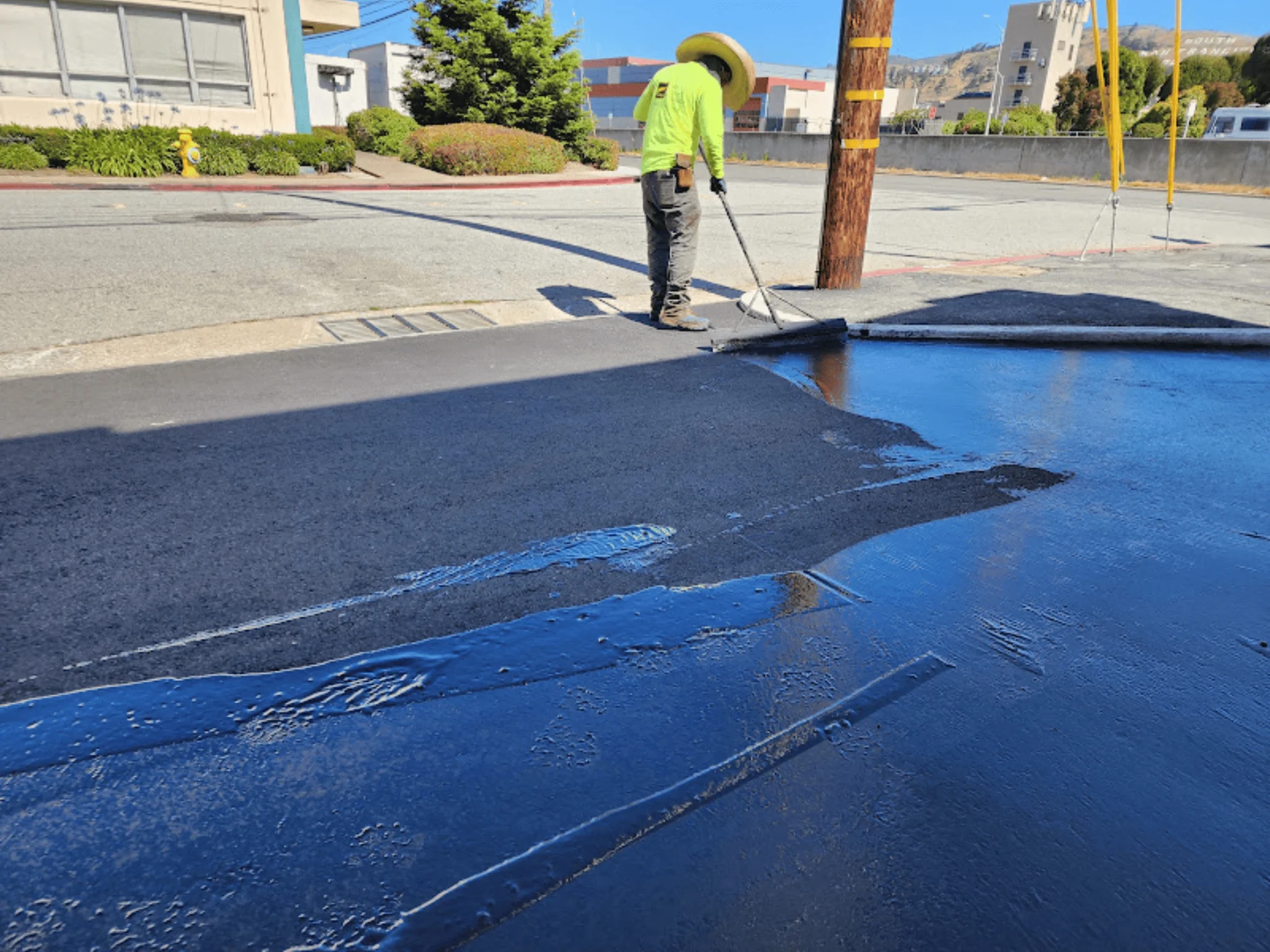
If you’ve ever driven past a road crew and seen that ominous steam rising, that’s not smoke. That’s vaporized water saying, “Get me out of here before I die.” The heat makes the asphalt look like it’s about to morph into Mordor. And if you’re lucky enough to step too close, congratulations! You’ve just experienced the sauna of asphalt—except this one exfoliates your lungs.

Road Workers: The Unsung Heroes

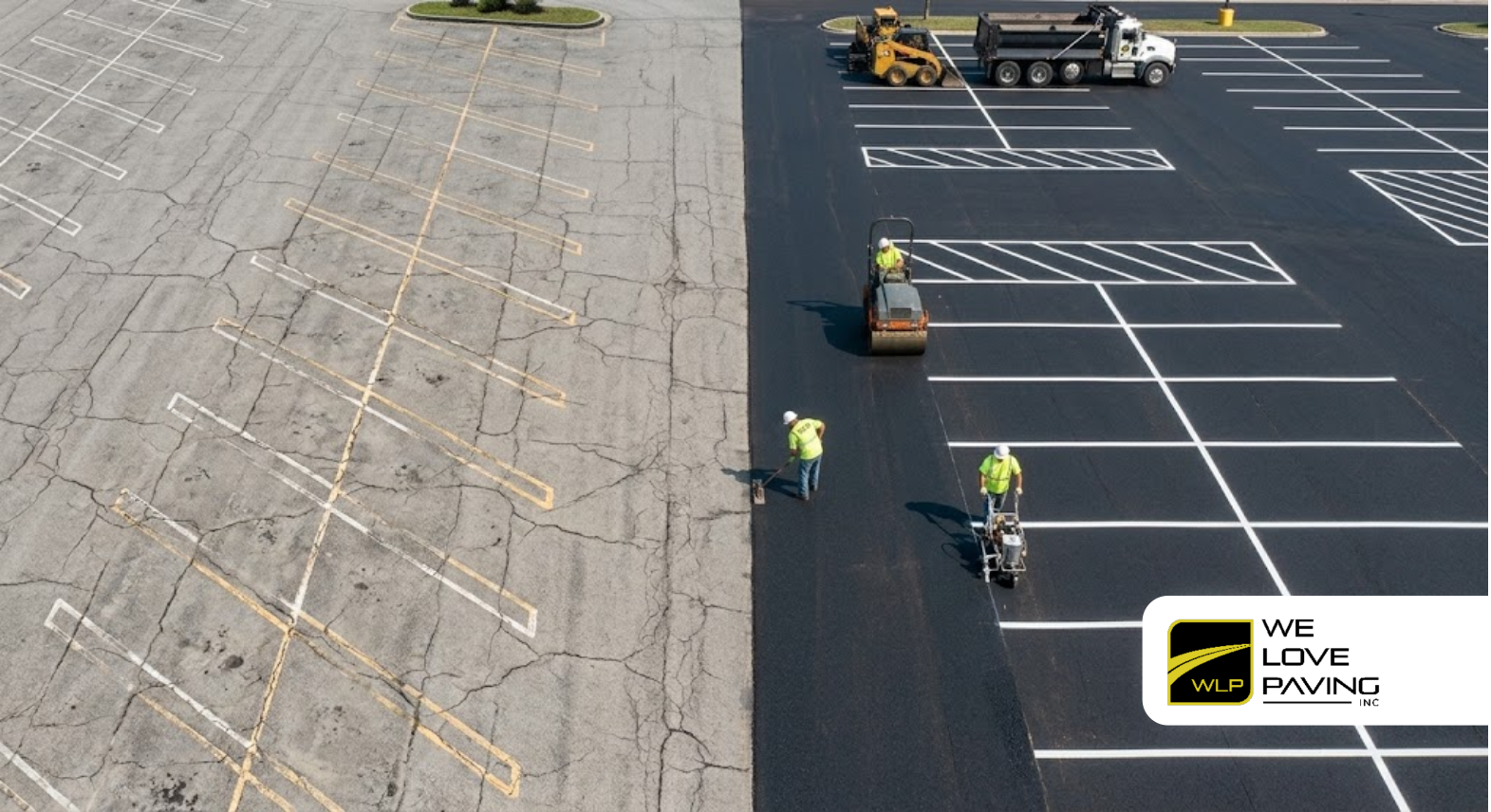
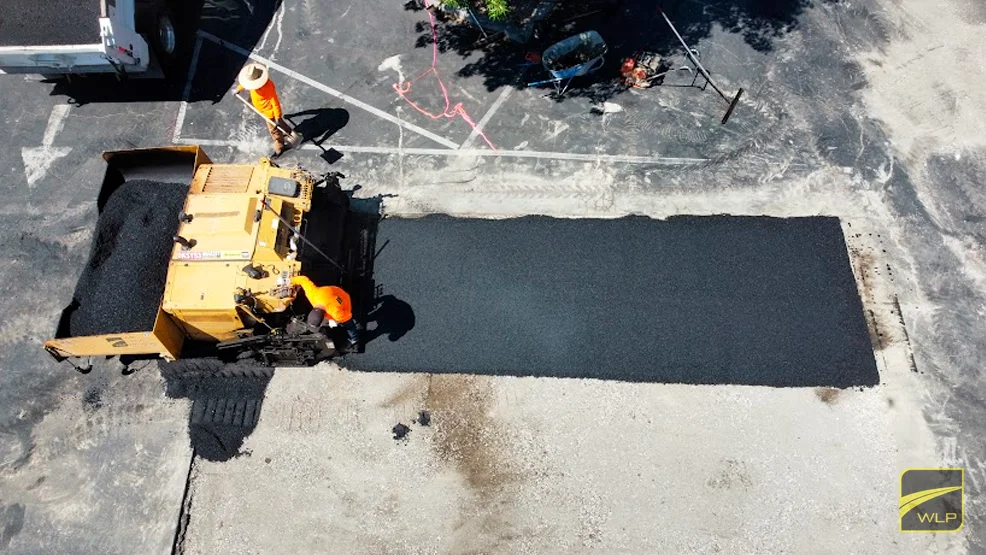
Let’s take a moment to appreciate the folks who work with this molten lava every day. They’re decked out in heat-resistant gear, which is basically a wearable oven mitt, and they’re out there in the sun. Yes, asphalt’s ideal pouring temperature coincides perfectly with summer, because why not make things even more unbearable?

These workers have to shovel, rake, and smooth out the asphalt while avoiding third-degree burns. Honestly, they should be offered spa days and unlimited ice cream for life. Or, at the very least, a giant “THANK YOU” banner every time they finish a road.

The Science of “Too Hot to Handle”

Now, if you’re a science nerd (or just curious), you might be asking: Why doesn’t the asphalt cool down immediately once it hits the ground? Excellent question. Asphalt is a slow-cooling material, meaning it retains heat like that one relative who always overstays their welcome. Depending on the weather, it can take several hours to cool down to a temperature that won’t incinerate your sneakers.

On particularly hot days, even “cooled” asphalt can reach surface temperatures upwards of 140°F (60°C). That’s enough to fry an egg or, in some unfortunate cases, the soles of your shoes. So, if you’re tempted to touch freshly poured asphalt… don’t. Unless you’re auditioning for a role as a human torch.

A Hot Date with Asphalt

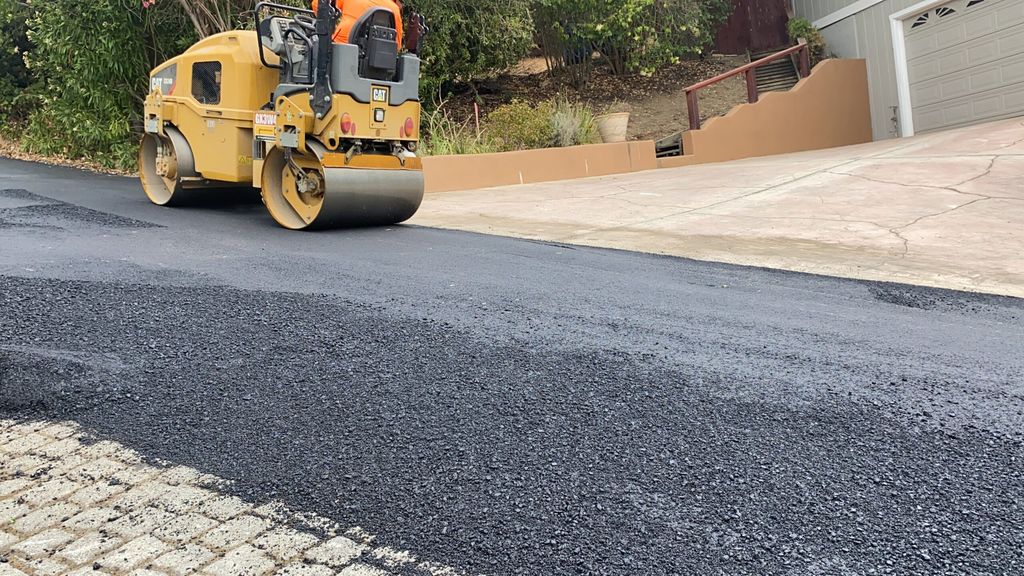
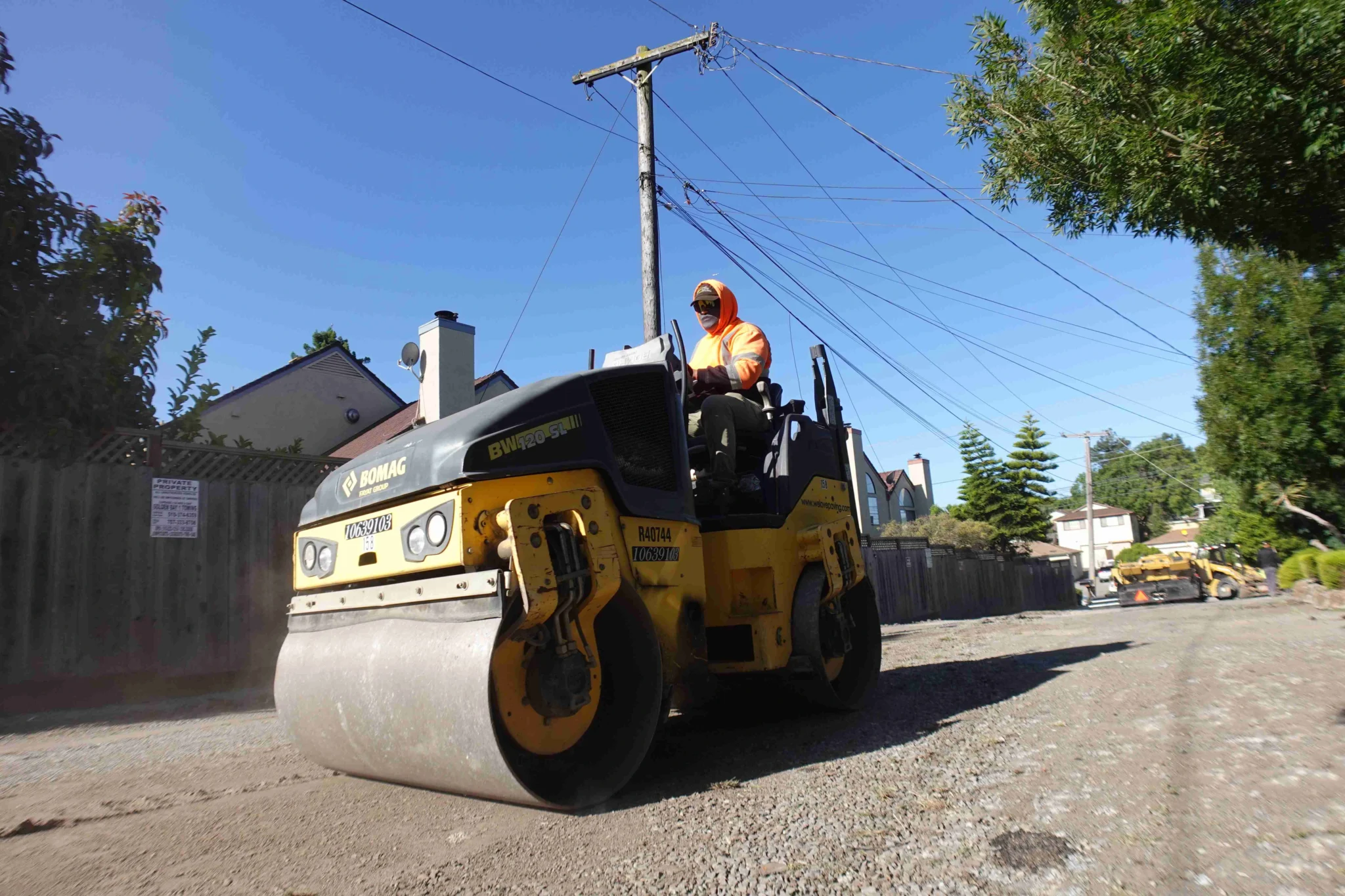
Here’s a fun fact: Pouring asphalt isn’t just about heat. It’s also a race against time. The asphalt needs to be spread, smoothed, and compacted before it cools too much to bond properly. Imagine trying to ice a cake while it’s hardening into cement. Oh, and the cake weighs several tons and smells like a gas station.

Add to that the challenge of precision. Too hot? It’ll be too gooey to work with. Too cool? It’ll crumble faster than your New Year’s resolutions. It’s a delicate dance, and the road crew is the unsung Fred Astaire of the construction world.

Final Thoughts

So, how hot is asphalt when poured? Hot enough to make you reconsider your life choices if you’re standing too close. It’s the kind of heat that makes summer in the desert seem like a mild spring day. It’s molten rock and tar, and it demands respect—or at least a healthy fear of second-degree burns.

The next time you drive on a freshly paved road, take a moment to appreciate the molten magic beneath your tires. Sure, it might be hot enough to vaporize your flip-flops, but it’s also the backbone of modern infrastructure. So, thank you, asphalt, for being the fiery hero we didn’t know we needed.

Need Immediate Help?

Let's Talk About Your Project

Don't wait until minor damage turns into major expenses. Our team of experts is ready to provide you with guaranteed solutions. Contact us now for direct advice from a professional.

Frequently Asked Questions (FAQ)

Got Questions? Find Your Answers Here!!

How hot is asphalt when it is first poured?

Asphalt is typically poured at temperatures ranging between 250°F and 325°F (120°C to 160°C). This extreme heat ensures the material remains viscous enough to be spread and compacted effectively before it begins to harden. To maintain structural integrity, the mixture must stay above 175°F during the compaction process; if it drops below this threshold, the asphalt may become brittle and prone to premature cracking or potholes.

Is freshly poured asphalt hot enough to cause burns?

Yes, freshly poured asphalt is hot enough to cause severe second-degree burns instantly upon contact with skin. Because it is essentially molten rock mixed with binder, it retains thermal energy significantly longer than other construction materials. Even hours after the initial pour, surface temperatures can remain upwards of 140°F (60°C), which is sufficient to melt the rubber soles of shoes or cause injury to pets' paws during the cooling phase.

Why does steam rise from new asphalt during installation?

The "smoke" seen during paving is actually water vapor escaping as the intense heat of the asphalt (up to 325°F) hits any residual moisture in the ground or air. This vaporization process is a natural reaction to the high temperature differential between the mix and the environment. In professional paving, moisture control is critical because trapped steam can create pockets or "blisters" within the asphalt layers, potentially weakening the overall bond of the driveway or road.

How long does it take for new asphalt to cool down?

Fresh asphalt usually requires 2 to 24 hours to cool enough for foot or vehicle traffic, depending on the ambient temperature and humidity. While it may feel solid to the touch relatively quickly, the material remains "tender" and susceptible to scuffing or tire marks for several days. On a standard 80°F day, a new asphalt surface can easily maintain a temperature of 140°F for several hours due to its high thermal mass and dark, heat-absorbing color.

What is the ideal air temperature for pouring asphalt?

The best conditions for pouring asphalt are when ambient temperatures are at least 50°F and rising. Lower temperatures cause the mix to lose heat too rapidly, preventing the rollers from achieving the density required for a long-lasting surface. Most high-quality paving projects are scheduled during the summer months to utilize the natural heat, which slows the cooling rate and allows for a smoother, more compressed finish across the entire paved area.

Professional customer review project by We Love Paving in Northern California, California. Verified local construction quality.

Fred / Founder

Fred, Founder and Regional Operations Manager at We Love Paving, comes from a family that values hard work and discipline. Growing up watching his parents work long hours with integrity and dedication, Fred learned early on that quality paving isn’t just about asphalt, it’s about consistency, accountability, and doing the job right.

Share

Posts That Might Interest You

What is Driveway Resurfacing? Expert Technical Guide to Asphalt Overlay and When to Use It

What is Driveway Resurfacing? Expert Technical Guide to Asphalt Overlay and When to Use It

April 15, 2026

THE BENEFITS OF RESURFACING In the world of driveway maintenance and improvement, asphalt resurfacing has emerged as a popular and effective solution. As time passes, even the most durable asphalt driveways can succumb to wear and tear, displaying cracks, potholes, and a worn-out appearance. However, instead of tearing up the entire driveway and starting from

Paving Technical Audit: Cost of Driveway Analysis

Paving Technical Audit: Cost of Driveway Analysis

April 14, 2026

A COMPREHENSIVE GUIDE FOR HOMEOWNERS Paving a driveway is a substantial undertaking for any homeowner. Beyond just enhancing curb appeal, it adds value and utility to the property. However, before diving into such a project, it’s crucial to grasp the diverse factors influencing the overall cost. This guide explores these elements, offering insights to empower

Why is Asphalt So Expensive? A 2026 Audit of Paving Costs and Market Dynamics

Why is Asphalt So Expensive? A 2026 Audit of Paving Costs and Market Dynamics

April 2, 2026

Paving costs have experienced a significant upward trend in recent years, leaving property owners questioning the reasons behind this surge. In this detailed exploration, we delve into the multifaceted factors contributing to the escalating costs of paving in 2026 and beyond. Material Costs and Market Dynamics The cornerstone of any paving project lies in its

What is the Square Foot Price for Asphalt?

What is the Square Foot Price for Asphalt?

April 2, 2026

Asphalt is a popular paving material used for driveways, parking lots, and roads due to its durability, affordability, and ease of installation. However, the cost of asphalt can vary significantly depending on several factors. In this blog post, we will explore the factors that influence the square foot price of asphalt, typical price ranges, and

Next

Estimation Tools

Calculate costs in seconds

Fast, accurate estimates that help you close more jobs. Less guesswork, more profit.