Preventive vs. Reactive: The Two Types of Property Managers (Which One Are You?)

There are two types of property managers in the world: Those who stay ahead of pavement problems — and those who chase them.

The difference between the two?
One saves thousands in maintenance and keeps tenants happy.
The other deals with angry calls, emergency repairs, and unexpected invoices.

Which one are you?


The Preventive Property Manager

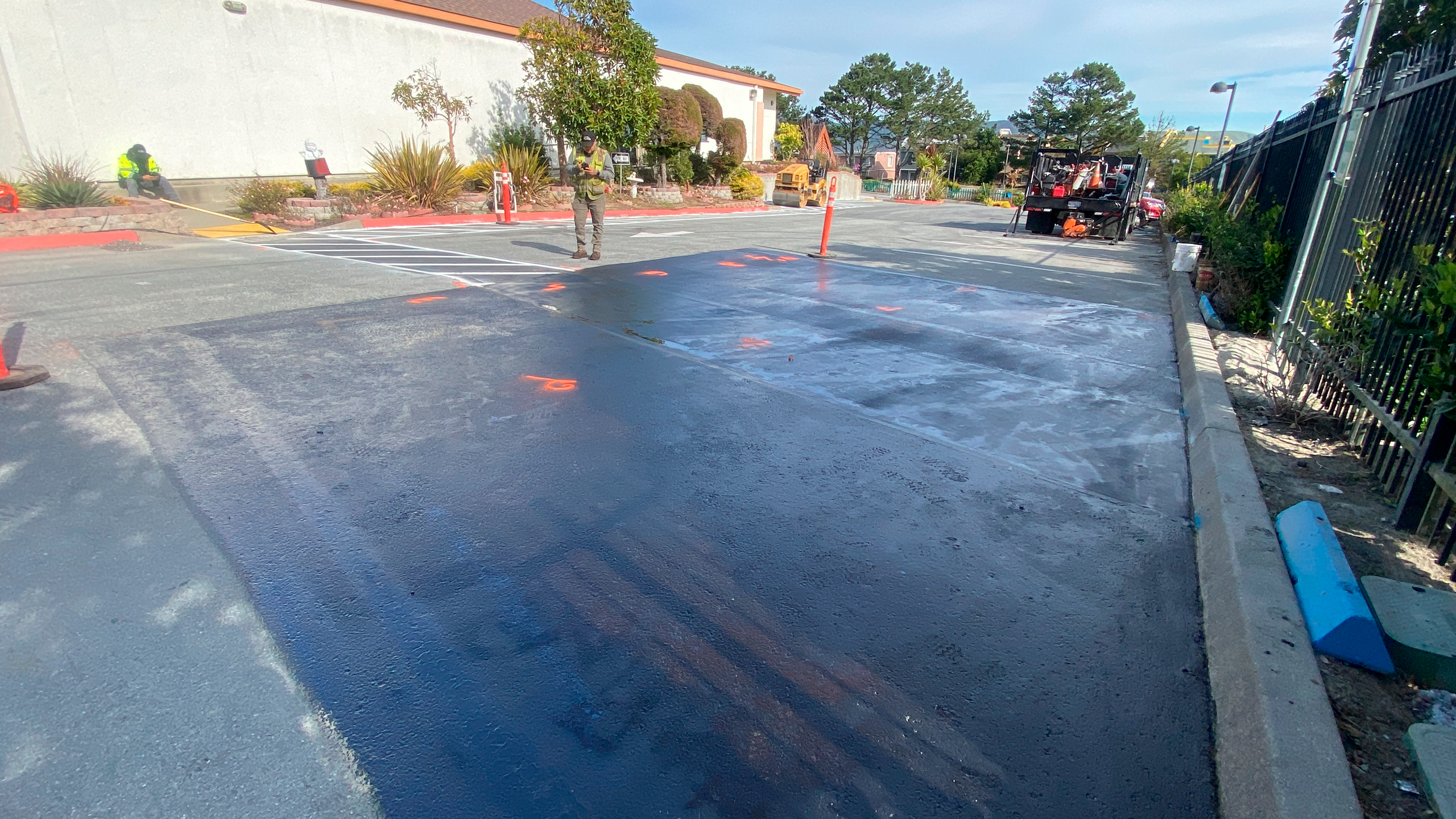
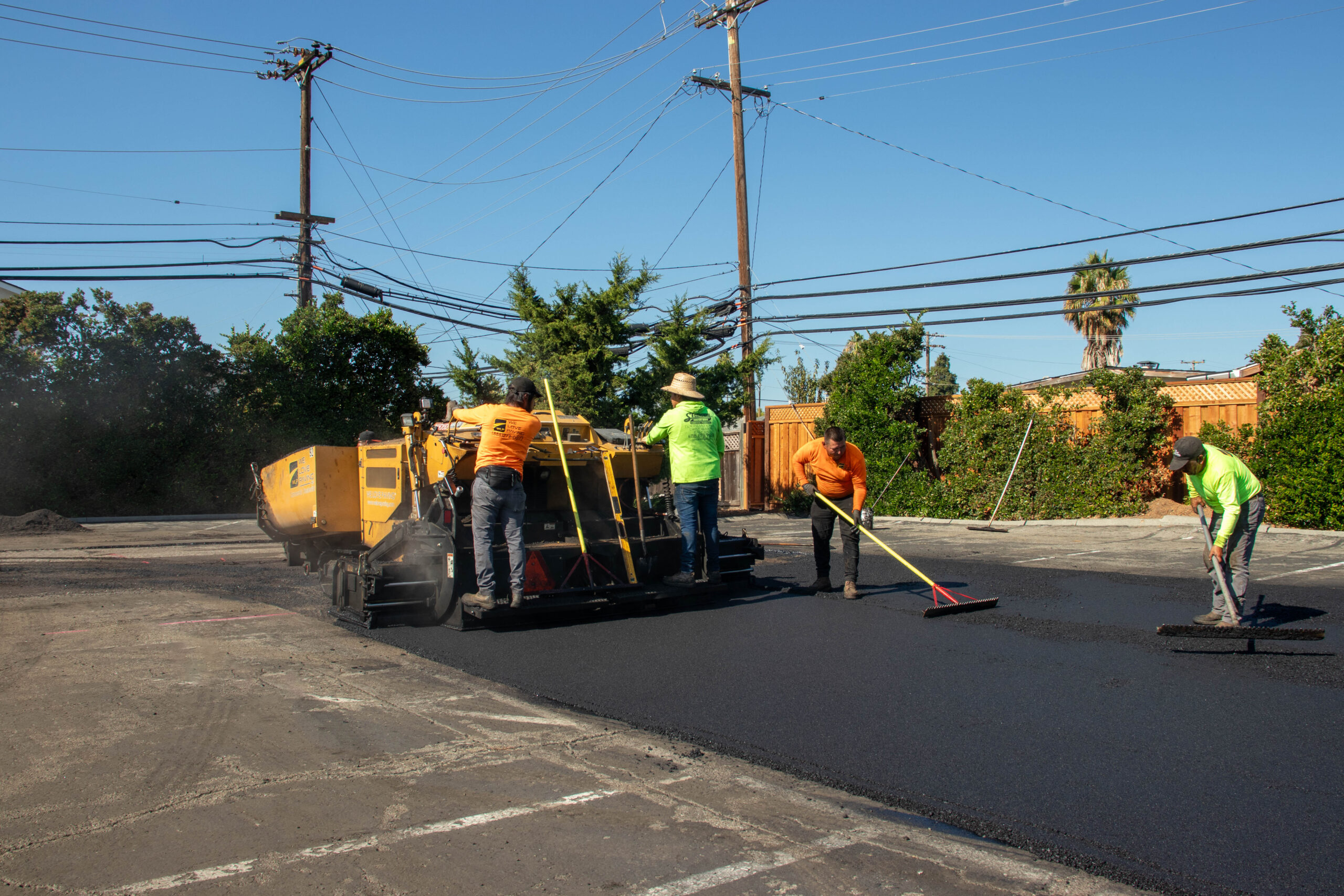
Preventive property managers treat pavement like an asset — not an afterthought.
They know that asphalt, like any structure, has a life cycle that can be extended dramatically with regular care.

Here’s what preventive managers do differently:

  • Schedule annual inspections to catch small cracks before they spread.

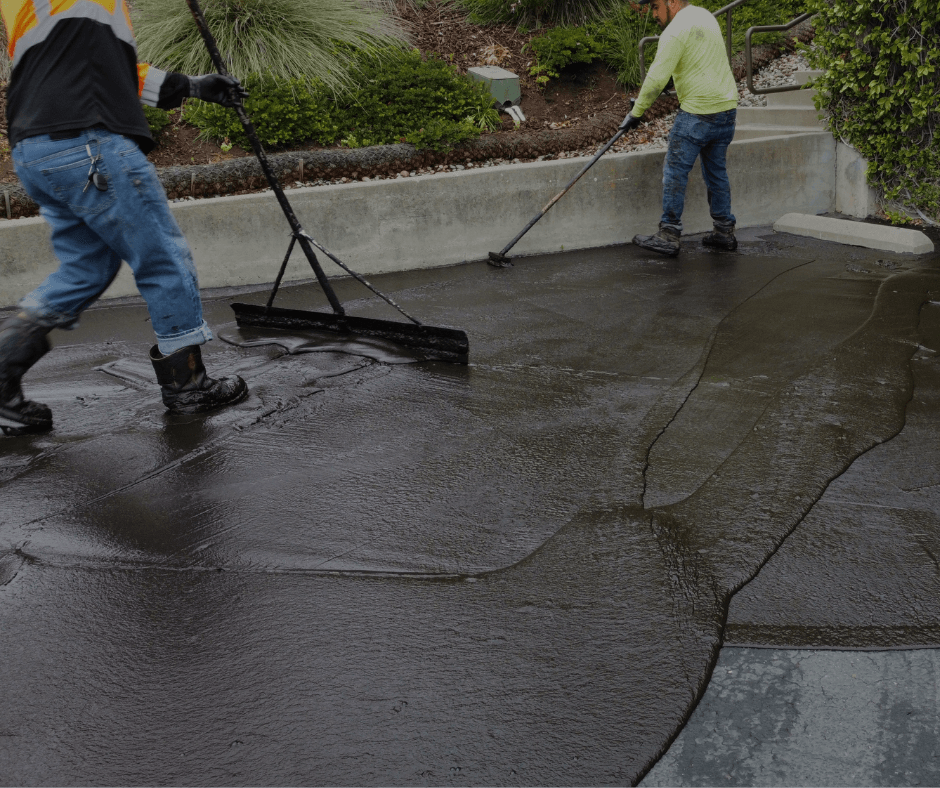
  • Sealcoat every 2–3 years to protect against water, sun, and oxidation.

  • Fix drainage issues early before they erode the base layer.

  • Stripe regularly to keep traffic flow organized and ADA compliant.

  • Keep maintenance logs for budgeting and accountability.

These managers understand that a $500 crack repair today prevents a $20,000 resurfacing tomorrow.

Prevention isn’t an expense — it’s insurance for your property’s lifespan.


The Reactive Property Manager

Reactive property managers have good intentions — but they wait until something looks “bad enough” to fix.
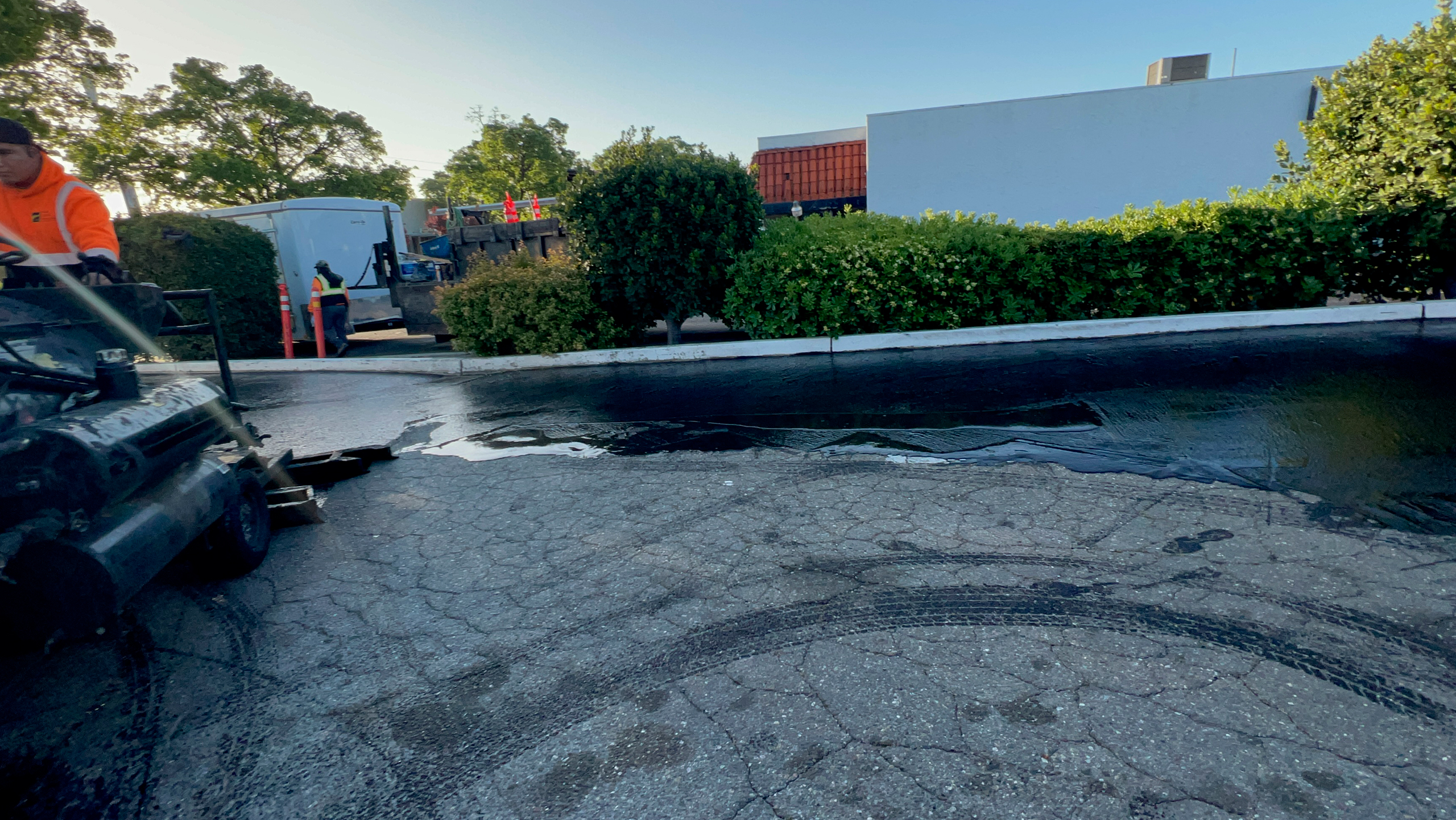
The problem is, by the time pavement looks bad, it’s usually too late.

Cracks have already allowed water to weaken the sub-base.
Potholes are forming. Lines are fading. Liability risks are increasing.

Reactive managers end up paying for:

  • Emergency asphalt repairs.

  • Trip-and-fall claims.

  • Customer complaints and lost trust.

  • Costly replacements instead of affordable maintenance.

A reactive approach always costs more — in money, time, and reputation.


The ROI of Preventive Maintenance

Let’s break it down with real numbers:

Type of Work Timing Average Cost Long-Term Impact
Crack Filling Every year $0.50–$1.00 per linear ft. Prevents base damage
Sealcoating Every 2–3 years $0.15–$0.25 per sq. ft. Doubles pavement lifespan
Pothole Patching Reactive $4.00–$5.00 per sq. ft. Short-term fix only
Full Replacement Reactive $6.00–$8.00 per sq. ft. 100% cost reset

A preventive plan typically costs 70% less over a 10-year period compared to reactive repairs.


Beyond Cost — The Reputation Factor

It’s not just about the numbers.
A well-maintained parking lot tells visitors and tenants:

“This property is safe, professional, and cared for.”

Faded lines, standing water, and cracks send the opposite message — even before someone steps inside the building.

Your pavement is your first impression. Don’t let it say “we don’t care.”


Which Type Are You?

If you’re reading this, you’re already thinking like a preventive manager — someone who wants to protect their investment, reputation, and tenants.

At We Love Paving, we help property managers move from reactive to preventive with tailored maintenance plans that fit your budget and goals.

👉 Schedule your free pavement assessment today
and discover how much you could save by planning ahead.
Share

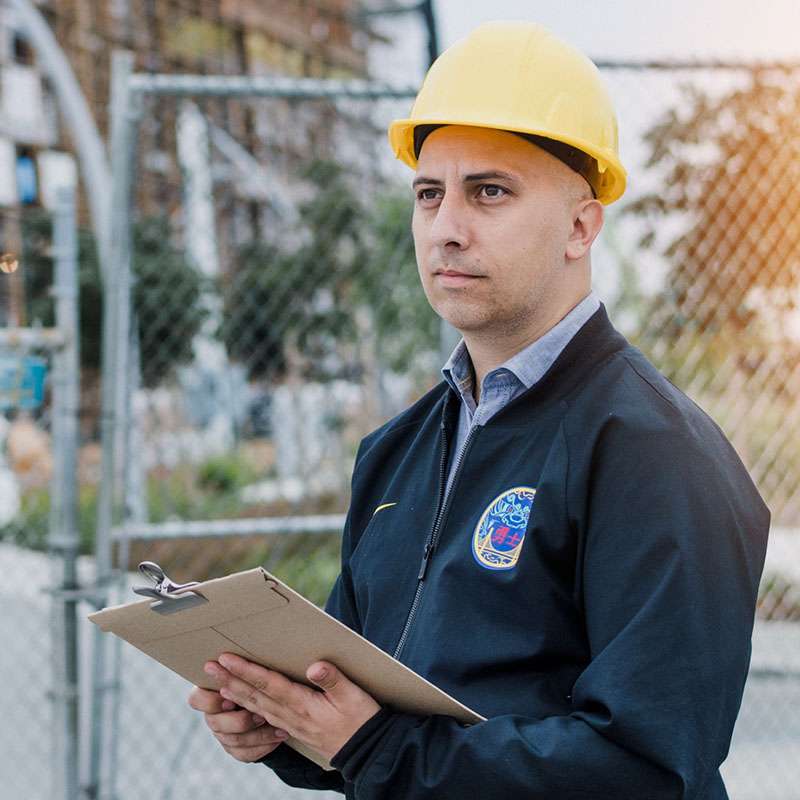
WHO IS FRED?

Fred, Regional Operations Manager, comes from a family of immigrant roots and a story built on sacrifice, discipline, and hard work. Growing up, Fred watched his parents work long hours and weekends to create a better future teaching him the values of perseverance, determination, and doing things the right way every single time.
We Love Paving began with Fred’s father, who started doing what he knew best: paving. Over the years, he built experience alongside respected professionals in the industry, refining his methods and developing a reputation for quality work that speaks for itself. As his clientele grew, so did the vision one built not only on skill, but on integrity and pride in every job.

Posts that might interest you

Understanding the Concrete Business: A Comprehensive Overview

Understanding the Concrete Business: A Comprehensive Overview

June 18, 2024

The term “concrete business” encompasses a wide range of activities within the construction industry. From the production and delivery of ready-mixed concrete to the construction of roads, buildings, and other infrastructure projects, businesses involved in concrete play a crucial role in shaping the built environment. This article delves into the definition of a concrete business,

How Much Does it Cost to Pave One Mile of Road in California?

How Much Does it Cost to Pave One Mile of Road in California?

June 17, 2024

Paving a mile of road in California is a complex process influenced by various factors, including materials, labor, equipment, environmental regulations, and the geographical characteristics of the area. Understanding the costs involved requires breaking down these factors and examining them in detail. This blog delves into the intricacies of road paving in California, providing a

How to Save Money on Paving Your Driveway in Sacramento, California.

How to Save Money on Paving Your Driveway in Sacramento, California.

June 14, 2024

Paving a driveway can be a significant investment, but with careful planning and smart choices, you can save money while ensuring a quality result. Sacramento, with its unique climate and soil conditions, requires specific considerations. Here’s a comprehensive guide on how to save money on paving your driveway in Sacramento. Plan and Budget Wisely Before

Seal Coat vs. Slurry Seal: Understanding the Differences and Benefits

Seal Coat vs. Slurry Seal: Understanding the Differences and Benefits

June 13, 2024

When it comes to maintaining and prolonging the life of asphalt pavements, two common treatments often come into play: seal coat and slurry seal. Both methods serve the purpose of protecting and enhancing asphalt surfaces, but they have distinct differences in composition, application, and suitability for various conditions. In this article, we’ll delve deep into

Do You Put Sand or Gravel Under Asphalt Paving? A Guide for Sacramento, California

Do You Put Sand or Gravel Under Asphalt Paving? A Guide for Sacramento, California

June 11, 2024

When it comes to installing asphalt paving in Sacramento, California, one of the most common questions homeowners and builders have is whether to use sand or gravel as a base. Both materials play crucial roles in ensuring a durable, stable, and aesthetically pleasing paved surface. This article explores the importance of using sand and gravel

What is Concreting in Construction? A Focus on Sacramento, California

What is Concreting in Construction? A Focus on Sacramento, California

June 11, 2024

Concreting is a fundamental process in construction, playing a crucial role in creating durable and robust structures. From residential homes to commercial buildings and infrastructure projects, concrete is a versatile and widely used material. In Sacramento, California, concreting is essential for the city’s ongoing growth and development. This article delves into the specifics of concreting

Why Choose Asphalt for Road Construction in San Mateo, California?

Why Choose Asphalt for Road Construction in San Mateo, California?

June 10, 2024

In the picturesque city of San Mateo, California, maintaining and developing infrastructure is vital to support a growing community and enhance the quality of life. When it comes to road construction, asphalt emerges as the material of choice, offering a blend of practicality, sustainability, and performance. This article explores why asphalt is favored in San

The Essential Guide to Road Base Depth in San Mateo, California

The Essential Guide to Road Base Depth in San Mateo, California

June 7, 2024

When it comes to constructing roads, one of the critical factors that influence durability and performance is the depth of the road base. This is particularly important in regions like San Mateo, California, where specific geological and environmental conditions can impact road stability. This article investigates the ideal road base depth for San Mateo, incorporating

An Investigation into Why Paving Slabs Are So Expensive

An Investigation into Why Paving Slabs Are So Expensive

June 6, 2024

Paving slabs, commonly used in patios, walkways, and driveways, are a popular choice for outdoor paving due to their durability and aesthetic appeal. However, one frequently raised concern is their high cost. This investigation explores the factors contributing to the expense of paving slabs, covering material selection, manufacturing processes, transportation, labor, and market dynamics. Understanding

An Investigation into the Two Main Types of Paving: Concrete and Asphalt

An Investigation into the Two Main Types of Paving: Concrete and Asphalt

June 6, 2024

Paving is a crucial aspect of urban development and infrastructure. The choice of paving material significantly impacts the durability, cost, maintenance, and overall aesthetic of roads, driveways, and other paved surfaces. This investigation delves into the two main types of paving: concrete and asphalt. By examining their composition, installation processes, advantages, disadvantages, and applications, we

Previous Next