There are two types of property managers in the world: Those who stay ahead of pavement problems — and those who chase them.
The difference between the two?
One saves thousands in maintenance and keeps tenants happy.
The other deals with angry calls, emergency repairs, and unexpected invoices.
Which one are you?
The Preventive Property Manager
Preventive property managers treat pavement like an asset — not an afterthought.
They know that asphalt, like any structure, has a life cycle that can be extended dramatically with regular care.
Here’s what preventive managers do differently:
-
Schedule annual inspections to catch small cracks before they spread.
-
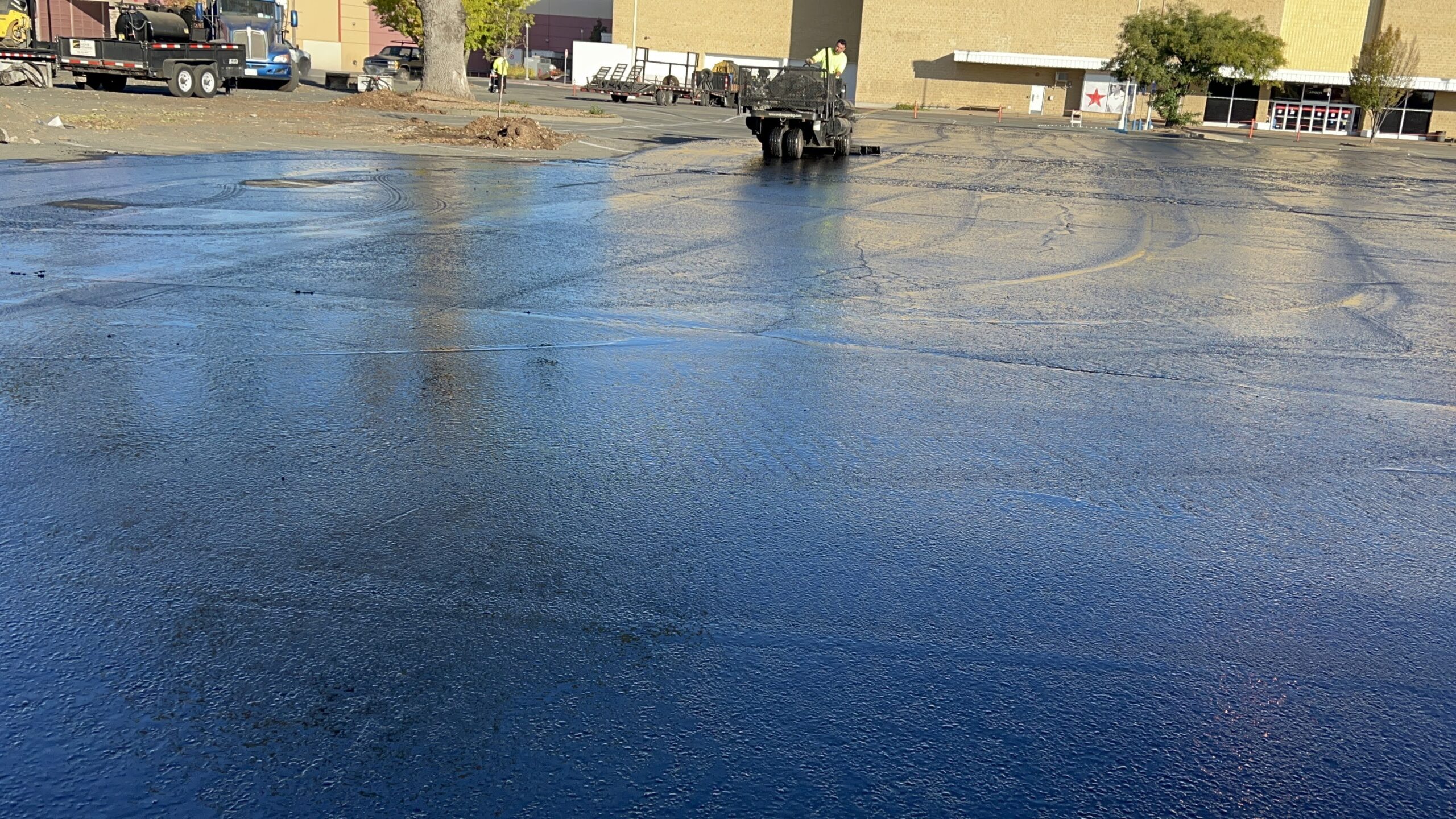
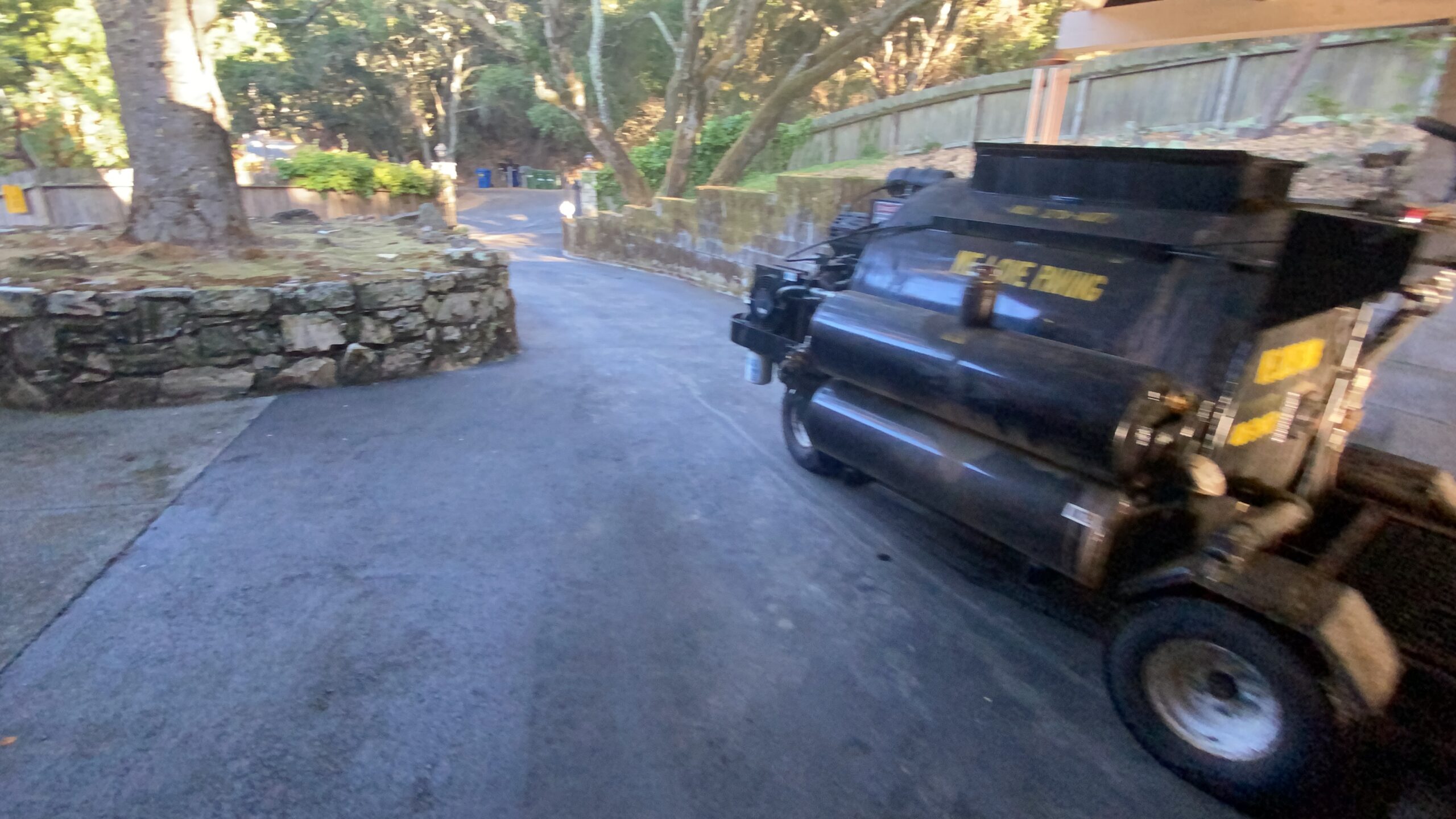
Sealcoat every 2–3 years to protect against water, sun, and oxidation.
-
Fix drainage issues early before they erode the base layer.
-
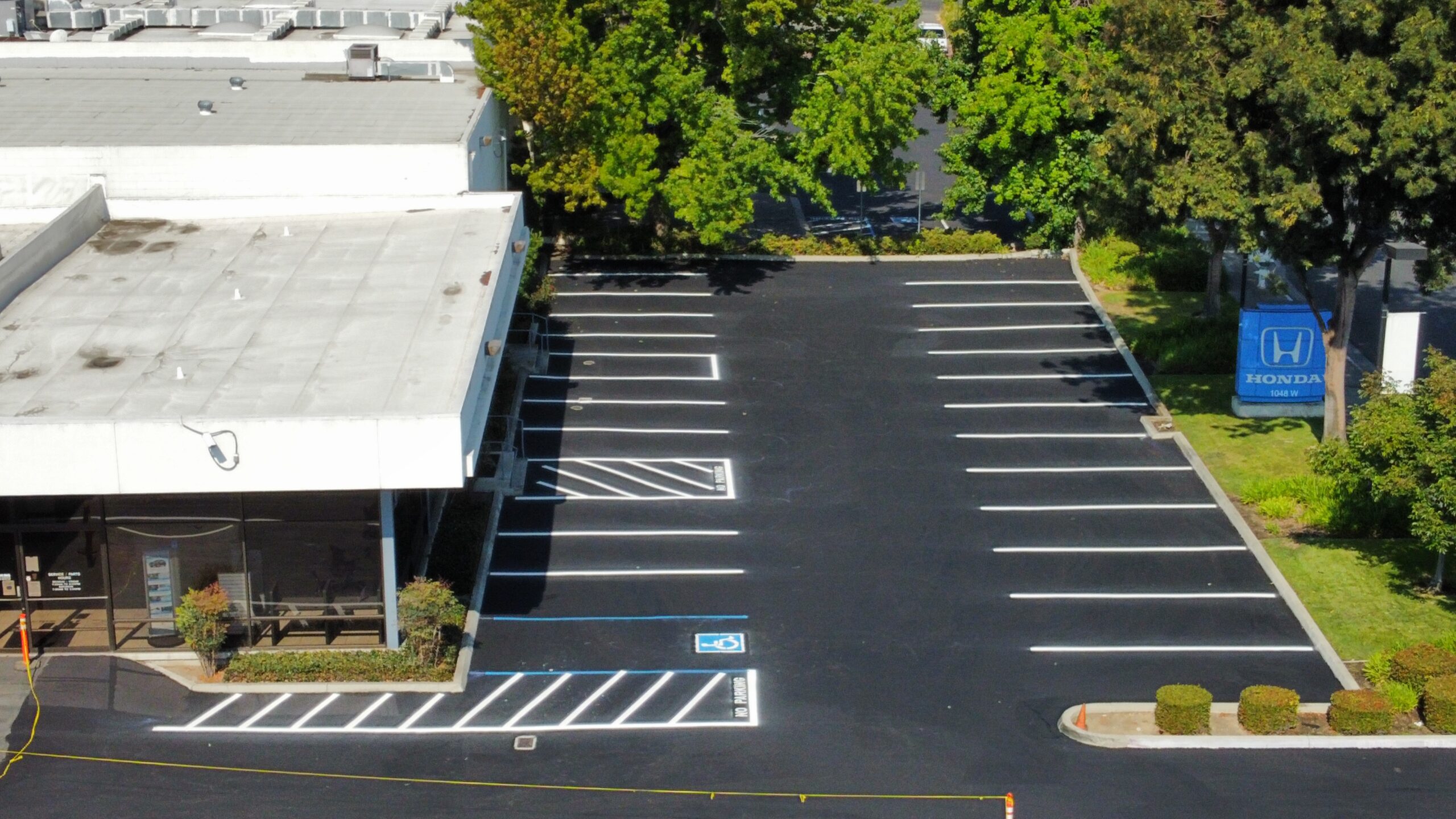
Stripe regularly to keep traffic flow organized and ADA compliant.
-
Keep maintenance logs for budgeting and accountability.
These managers understand that a $500 crack repair today prevents a $20,000 resurfacing tomorrow.
Prevention isn’t an expense — it’s insurance for your property’s lifespan.
The Reactive Property Manager
Reactive property managers have good intentions — but they wait until something looks “bad enough” to fix.
The problem is, by the time pavement looks bad, it’s usually too late.
Cracks have already allowed water to weaken the sub-base.
Potholes are forming. Lines are fading. Liability risks are increasing.
Reactive managers end up paying for:
-
Emergency asphalt repairs.
-
Trip-and-fall claims.
-
Customer complaints and lost trust.
-
Costly replacements instead of affordable maintenance.
A reactive approach always costs more — in money, time, and reputation.
The ROI of Preventive Maintenance
Let’s break it down with real numbers:
| Type of Work | Timing | Average Cost | Long-Term Impact |
|---|---|---|---|
| Crack Filling | Every year | $0.50–$1.00 per linear ft. | Prevents base damage |
| Sealcoating | Every 2–3 years | $0.15–$0.25 per sq. ft. | Doubles pavement lifespan |
| Pothole Patching | Reactive | $4.00–$5.00 per sq. ft. | Short-term fix only |
| Full Replacement | Reactive | $6.00–$8.00 per sq. ft. | 100% cost reset |
A preventive plan typically costs 70% less over a 10-year period compared to reactive repairs.
Beyond Cost — The Reputation Factor
It’s not just about the numbers.
A well-maintained parking lot tells visitors and tenants:
“This property is safe, professional, and cared for.”
Faded lines, standing water, and cracks send the opposite message — even before someone steps inside the building.
Your pavement is your first impression. Don’t let it say “we don’t care.”
Which Type Are You?
If you’re reading this, you’re already thinking like a preventive manager — someone who wants to protect their investment, reputation, and tenants.
At We Love Paving, we help property managers move from reactive to preventive with tailored maintenance plans that fit your budget and goals.
👉 Schedule your free pavement assessment today
and discover how much you could save by planning ahead.