Pavers are a versatile and popular choice for landscaping projects, offering durability, aesthetic appeal, and ease of installation. Whether you’re considering a patio, driveway, walkway, or even a pool deck, pavers can be an excellent option to enhance the functionality and beauty of your outdoor space. In this comprehensive guide, we’ll delve into the world of pavers, exploring their benefits, drawbacks, types, installation process, maintenance requirements, and environmental impact to help you make an informed decision for your next landscaping endeavor.
Understanding Pavers
Pavers are essentially bricks or stones used to create durable and visually appealing surfaces for outdoor areas. They come in various shapes, sizes, colors, and materials, including concrete, clay, natural stone, and even recycled materials. Each type of paver offers distinct characteristics and advantages, catering to different aesthetic preferences, budgets, and functional requirements.
Pros of Using Pavers
Versatility
Pavers offer endless design possibilities, allowing you to create intricate patterns, textures, and color combinations to complement your landscape design.
Durability
High-quality pavers are built to withstand the elements, including heavy foot traffic, freeze-thaw cycles, and UV exposure, ensuring long-lasting performance.
Easy Installation
Unlike poured concrete or asphalt, pavers can be laid quickly and efficiently, making them a cost-effective option for DIY enthusiasts or professional contractors.
Repairability
In the event of damage or staining, individual pavers can be easily replaced without disturbing the surrounding area, saving time and money on repairs.
Enhanced Drainage
The joints between pavers allow for efficient water drainage, reducing the risk of flooding or water damage in your outdoor space.
Cons of Using Pavers
Initial Cost
While pavers offer long-term value, their upfront cost can be higher compared to alternative materials like concrete or gravel.
Maintenance
Proper maintenance is essential to preserve the appearance and integrity of pavers, including regular cleaning, sealing, and weed control.
Weeds and Settlement
Over time, weeds may grow between the paver joints, requiring periodic maintenance to prevent weed infestation. Additionally, slight settlement or shifting of pavers may occur, necessitating occasional adjustments to maintain a level surface.
Limited Load-Bearing Capacity
While pavers are suitable for pedestrian traffic and light vehicles, they may not be ideal for heavy-duty applications like industrial driveways or commercial parking lots.
Color Fading
Exposure to sunlight and weathering can cause some pavers to fade or lose their original color over time, requiring periodic sealing or maintenance to preserve their appearance.
Types of Pavers
Concrete Pavers
Affordable and versatile, concrete pavers are available in a wide range of colors, shapes, and textures, offering durability and design flexibility for various landscaping projects.
Clay Pavers
Known for their timeless appeal and rich color options, clay pavers add a touch of elegance to any outdoor space, while providing excellent strength and weather resistance.
Natural Stone Pavers
Quarried from natural stone sources like granite, limestone, or sandstone, natural stone pavers exude a rustic charm and unique character, ideal for creating stunning patios, walkways, and garden paths.
Permeable Pavers
Designed to promote sustainable drainage and reduce stormwater runoff, permeable pavers feature porous surfaces that allow water to infiltrate into the ground, helping to prevent erosion and pollution.
Installation Process
Site Preparation
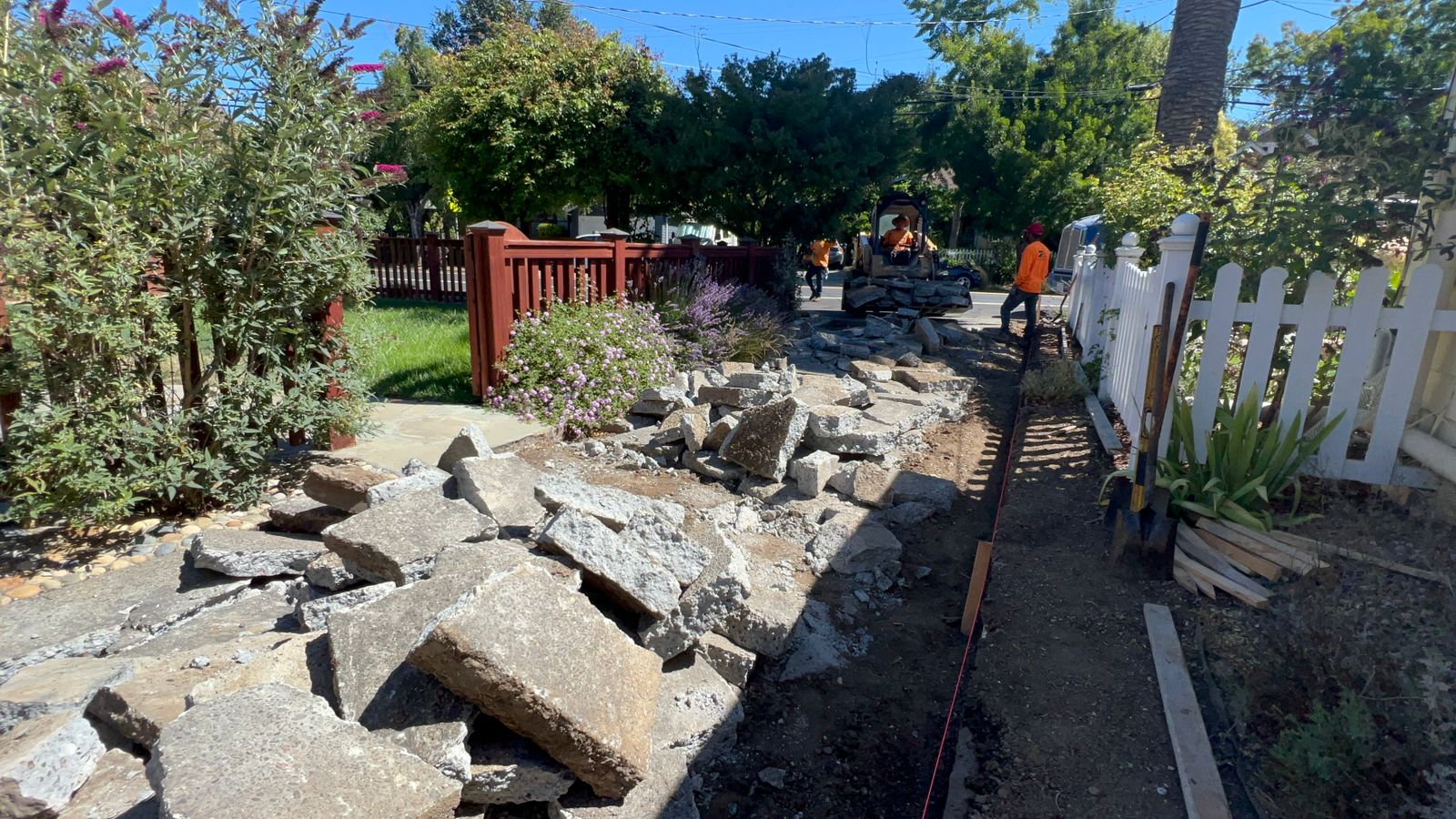
Excavate the area to the desired depth, ensuring proper drainage and stability for the paver base.
Base Material
Install a compacted base layer of crushed stone or gravel to provide a stable foundation for the pavers, ensuring proper drainage and load distribution.
Edge Restraints
Install edge restraints along the perimeter of the paved area to prevent paver shifting and maintain a uniform appearance.
Sand Bedding
Spread a layer of bedding sand over the compacted base material, creating a smooth and level surface for laying the pavers.
Paver Installation
Lay the pavers according to your desired pattern or design, leaving uniform joints between each paver to allow for expansion and drainage.
Compaction and Sealing
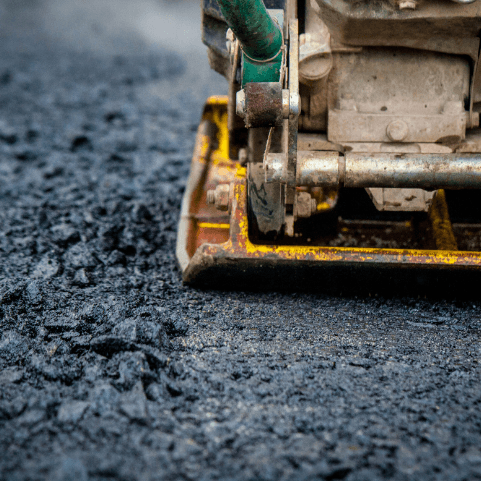
Compact the pavers with a vibrating plate compactor to ensure proper interlock and stability, then apply a sealant to protect against stains, fading, and moisture penetration.
Maintenance Tips
Regular Cleaning
Sweep or rinse the pavers periodically to remove dirt, debris, and organic matter that can promote weed growth and staining.
Weed Control
Apply a commercial weed killer or use natural weed deterrents like vinegar or boiling water to prevent weed growth between the paver joints.
Sealing
Apply a quality sealant every 2-3 years to protect the pavers from stains, fading, and moisture damage, extending their lifespan and enhancing their appearance.
Repair
Replace damaged or stained pavers as needed, ensuring a seamless and uniform surface for your outdoor space.
Snow Removal
Use a plastic shovel or snow blower to remove snow and ice from pavers, avoiding metal tools or harsh chemicals that can damage the surface.
Environmental Impact
Sustainable Materials
Opt for eco-friendly pavers made from recycled materials or locally sourced natural stone to reduce carbon emissions and minimize environmental impact.
Permeable Design
Choose permeable pavers to promote sustainable drainage and reduce stormwater runoff, helping to replenish groundwater supplies and mitigate flooding.
Heat Island Effect
Select lighter-colored pavers or permeable surfaces to reflect sunlight and reduce the heat island effect in urban areas, improving air quality and comfort for pedestrians.
Conclusion
In conclusion, pavers offer a myriad of benefits for landscaping projects, from durability and design flexibility to easy installation and maintenance. By understanding the pros and cons of using pavers, exploring different types and installation techniques, and implementing proper maintenance practices, you can create a stunning and functional outdoor space that enhances the beauty and value of your property for years to come. Whether you’re planning a cozy patio retreat, a grand driveway entrance, or a charming garden path, paving the way with pavers can transform your landscape dreams into reality.