Not all old asphalt is failing.
Two parking lots may be the same age, yet one still performs reasonably well while the other develops widespread cracking, rough ride quality, and recurring maintenance problems. Age matters, but age alone rarely determines whether pavement can be preserved.
The more useful question is where the asphalt sits in its lifecycle.
A twenty-year-old surface with consistent maintenance may still support years of service. A ten-year-old surface that has endured water intrusion, heavy traffic, and deferred repairs may already be approaching replacement decisions. Understanding that difference helps property owners avoid spending money in the wrong place.
Stage 1: Old Asphalt That Is Simply Showing Its Age
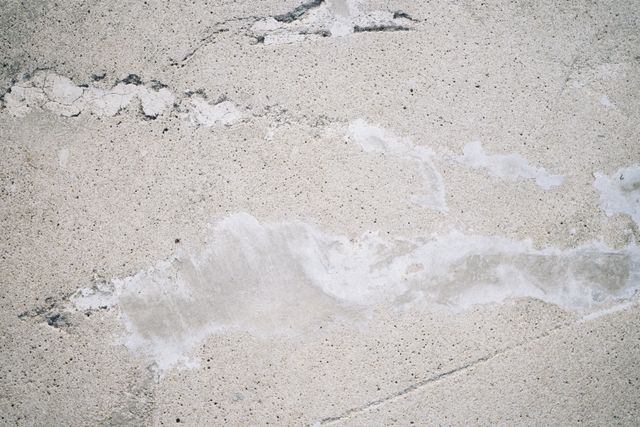
The earliest stage of old asphalt often appears more worn than damaged. The surface may have lost much of its dark color and developed a gray appearance from years of oxidation. Fine surface cracks may be visible during dry weather, but the pavement still feels relatively stable under traffic.
In commercial properties, crews frequently notice this stage near parking stalls that see limited turning movement. The pavement looks old, yet remains structurally sound. In residential driveways, oxidation often becomes most visible in areas exposed to direct sun throughout the day.
When evaluating aging pavement, visible appearance should be considered alongside actual performance. Similar to other property warning signs, surface aging becomes more meaningful when combined with other indicators rather than viewed in isolation.
This stage is important because many owners mistakenly assume that faded pavement automatically requires major reconstruction. In reality, the underlying structure may still be functioning well.
Stage 2: When Old Asphalt Starts Sending Stronger Signals
The next phase typically involves deterioration patterns that begin affecting how the pavement behaves.
Instead of isolated cosmetic wear, owners may notice:
- Cracks that reconnect shortly after repairs
- Small depressions where vehicles repeatedly turn
- Edge cracking along unsupported pavement
- Rough transitions between older patches and surrounding asphalt
These observations often reveal more than simple aging.
For example, cracks that consistently reappear in the same location may indicate movement below the surface. Likewise, pavement near drainage structures sometimes begins separating as water repeatedly enters weak points in the asphalt system.
One field condition that frequently appears on older commercial properties is raveling near drive lanes. Individual aggregate particles loosen from the surface, leaving a rough texture that becomes increasingly noticeable under vehicle traffic.
At this stage, condition assessment becomes more valuable than assumptions based on age alone.

A Lifecycle Decision Framework for Old Asphalt
Different pavement conditions call for different responses.
| What You See | What It May Indicate | Typical Planning Direction |
|---|---|---|
| Fading and light oxidation | Surface aging | Preservation review |
| Moderate cracking with stable base | Localized deterioration | Repair-focused planning |
| Extensive cracking and multiple patches | Structural decline | Resurfacing evaluation |
| Widespread deformation and failures | Base or structural problems | Replacement assessment |
This framework is not intended to replace a professional evaluation. Instead, it helps explain why two aging pavements can require completely different maintenance strategies.
Owners sometimes focus heavily on chronological age while overlooking actual condition. Pavement performance, traffic demands, drainage behavior, and repair history often provide a clearer picture.
When Repairing Old Asphalt Still Makes Sense
Old asphalt can often remain serviceable when deterioration is limited to specific areas.
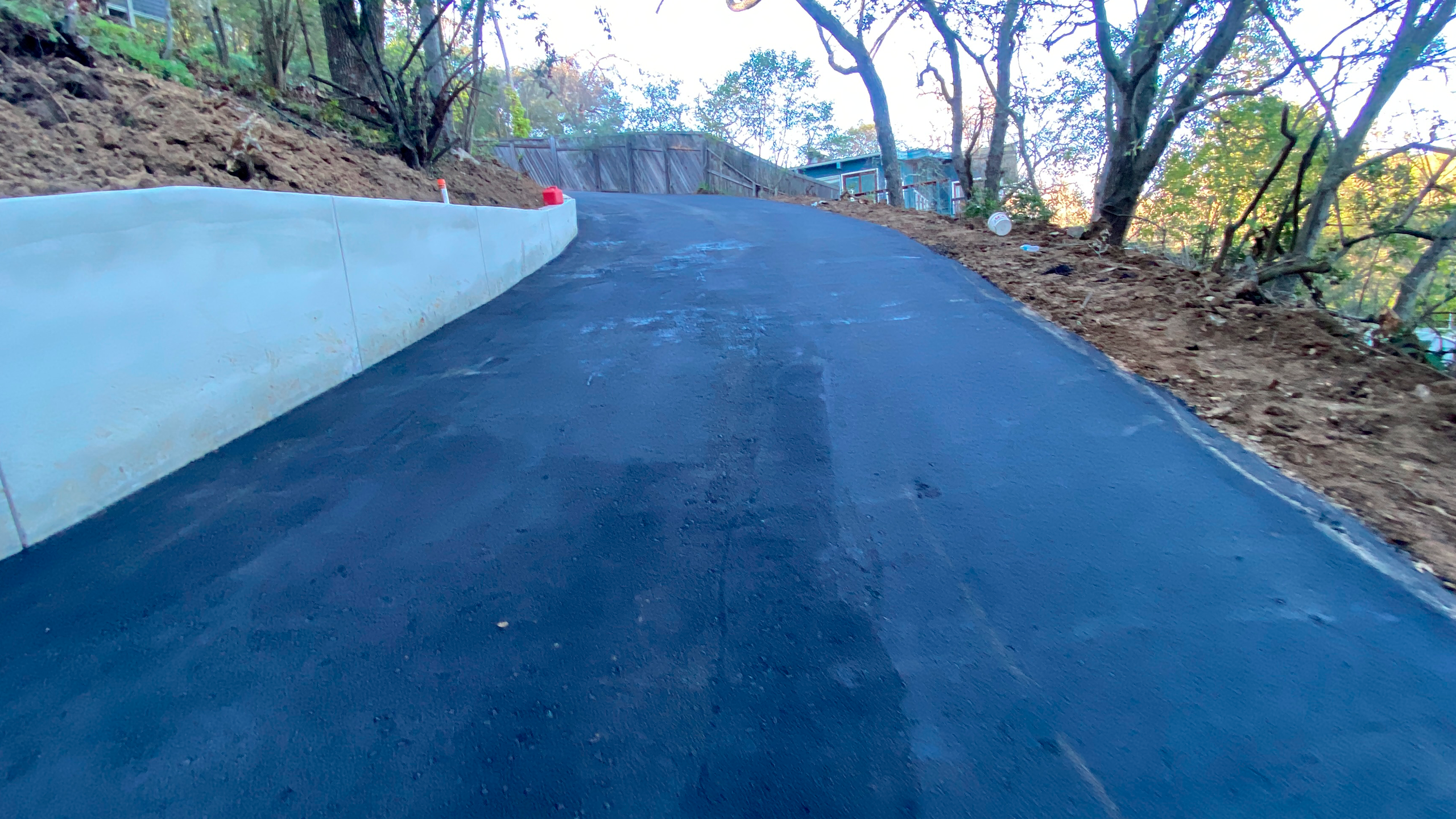
A recent sealcoating project demonstrates how preservation efforts can help extend pavement usability when structural conditions remain favorable.
For example, a shopping center may experience concentrated wear near delivery routes while large sections of the parking field remain relatively stable. In those situations, targeted surface repairs and localized maintenance may provide meaningful value without requiring major reconstruction.
Another common scenario occurs when cracks remain isolated rather than interconnected. If pavement sections continue supporting traffic effectively, preserving existing assets may be a reasonable part of a broader maintenance strategy.
This is where maintenance history becomes important. Properties that received periodic preservation treatments generally provide more options than sites where deterioration was ignored until significant failures appeared.
When Age Becomes Secondary to Condition
Eventually, some pavements reach a point where repairs become increasingly difficult to justify.
The most obvious examples are surfaces with interconnected cracking across large areas, repeated patch failures, and widespread deformation. In these situations, crews often observe pavement sections behaving differently from one another. One area remains stable while adjacent sections shift, settle, or deteriorate much faster.
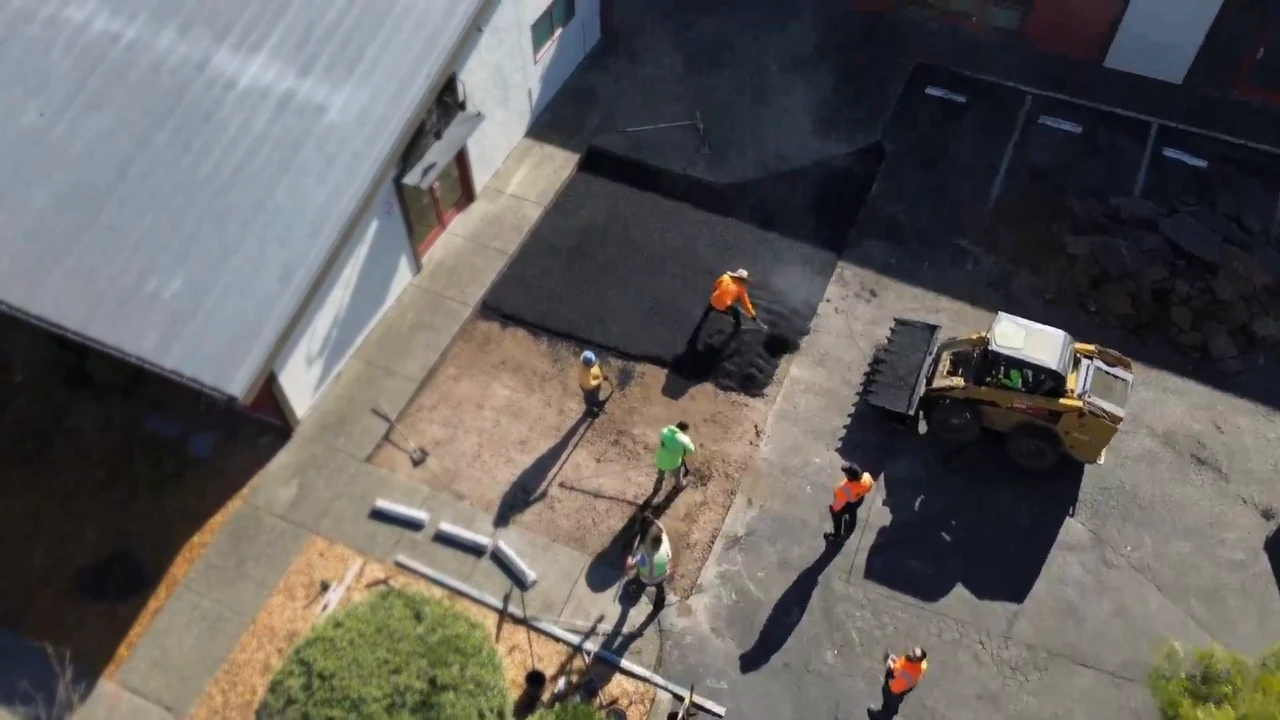
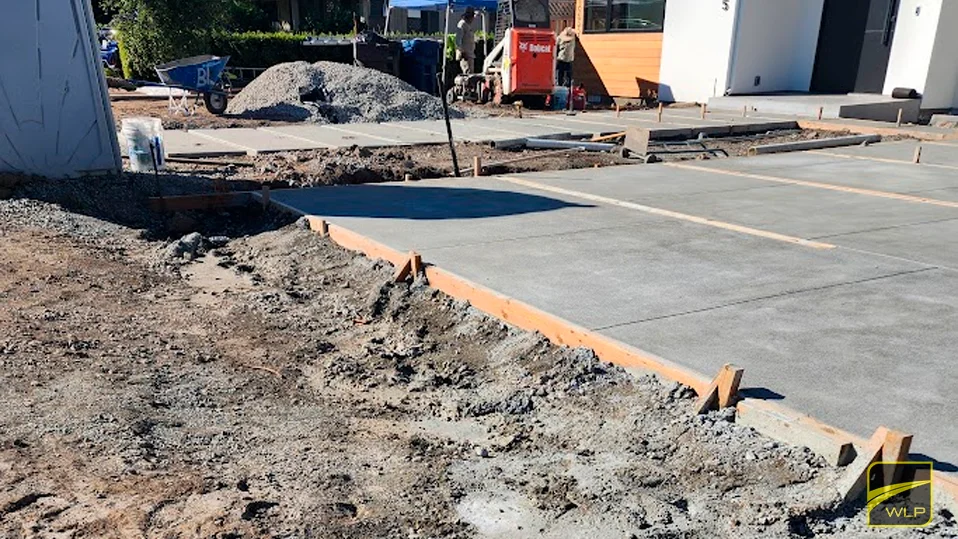
Aging pavement can also become part of a larger property improvement discussion. Owners planning major site upgrades sometimes evaluate pavement conditions at the same time to avoid disrupting the property multiple times over several years. Where deterioration has progressed beyond practical preservation, a complete paving project may ultimately provide a more predictable long-term outcome than continued reactive repairs.
Long-term ownership decisions benefit from examining the pavement as part of the entire asset rather than treating every crack or patch as an isolated issue. This same philosophy supports broader long-term planning efforts across commercial and residential properties.
Looking Beyond the Calendar
Old asphalt tells a story through its condition.
Color changes, recurring cracks, patch performance, edge failures, drainage behavior, and traffic wear patterns all provide clues about where the pavement sits in its lifecycle. The calendar can provide context, but the surface itself usually offers better information about what should happen next.
At We Love Paving, pavement evaluations often begin by looking at those visible conditions rather than focusing solely on age. Understanding how old asphalt is performing today helps property owners make more informed decisions about preservation, repairs, resurfacing or eventual replacement.