Delivery traffic has increased every year — Amazon, UPS, FedEx, food distributors, freight carriers, landscaping trucks, trash haulers, you name it.
Most commercial properties were never designed to handle this constant heavy load.
After more than 10 years working on retail centers, warehouses, medical buildings, and multi-tenant properties, we see the same thing:
👉 Heavy vehicles destroy parking lots faster than anything else.
👉 But with the right preparation, you can extend your pavement’s life by years.
Here’s how to protect your property before the damage becomes expensive.
1. Identify All High-Load Zones
Heavy vehicles rarely use the entire parking lot — they follow patterns.
The most common high-stress areas are:
-
Delivery routes behind buildings
-
Trash enclosure and dumpster pads
-
Loading docks
-
Fire lanes
-
Grocery store deliveries
-
Restaurant supply trucks
-
Drive-thru lanes (for concrete abrasion)
-
Utility truck access points
These zones take 80–90% of the structural damage, even if they represent a small portion of the total square footage.
Step one: Map where heavy vehicles enter, turn, stop, unload, and exit.
This tells you exactly where to reinforce the pavement.
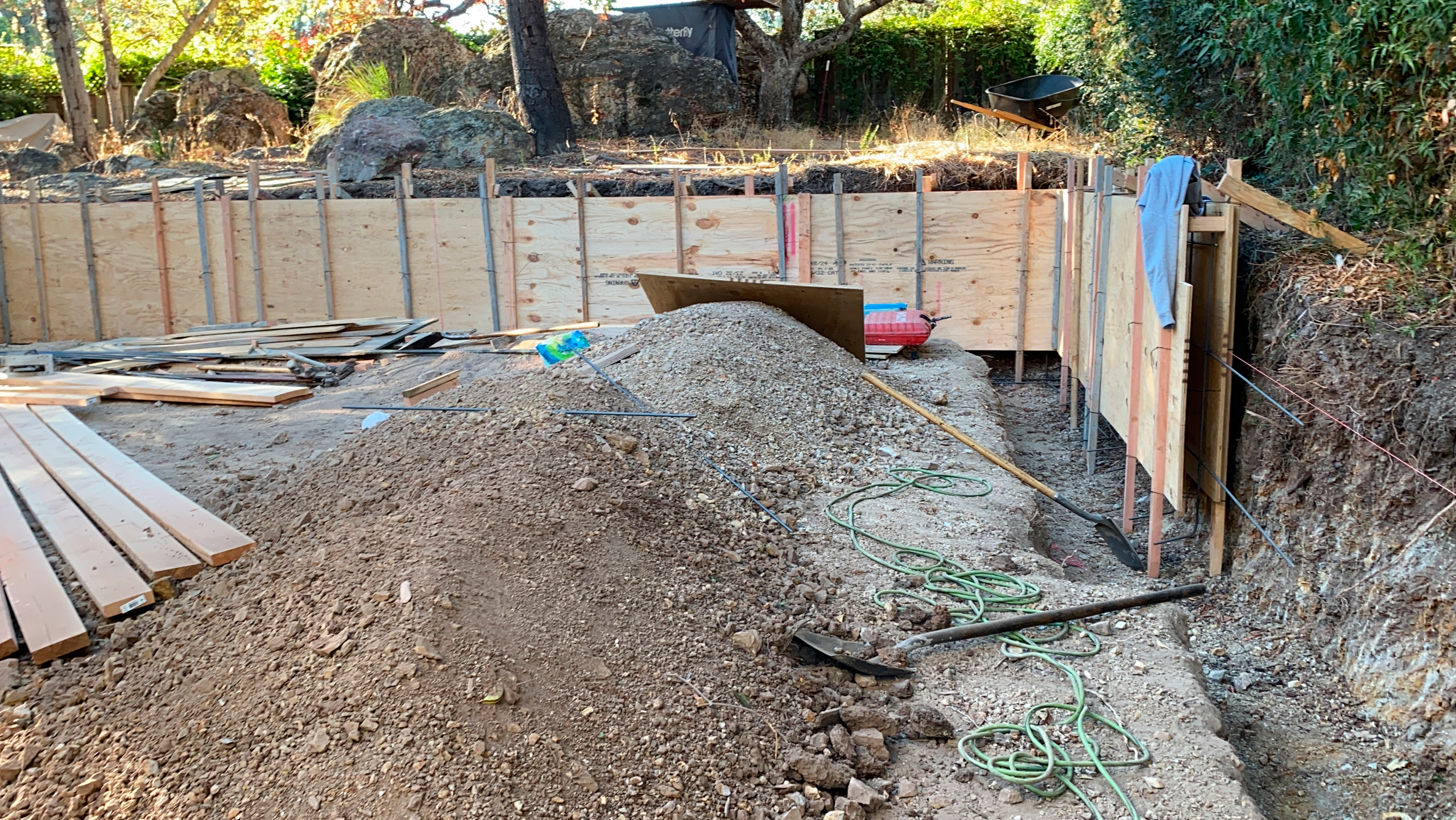
2. Upgrade the Base Layer (The Foundation Matters Most)
A heavy-duty commercial pavement starts with the base — not the asphalt.
If the sub-base is too thin or poorly compacted, no amount of asphalt on top will survive trucks weighing:
-
20,000–30,000 lbs (delivery vans)
-
60,000–80,000 lbs (garbage trucks)
-
80,000–100,000 lbs (tractor trailers)
The recommended upgrades:
-
Increase base depth
-
Improve soil stabilization
-
Add aggregate for stronger load distribution
-
Compact in layers (never in one lift)
Even a small enhancement in the base layer adds YEARS to the pavement’s lifespan.
3. Install Thicker Asphalt in Heavy-Traffic Sections
Not all asphalt should be the same thickness.
For standard parking spaces:
👉 2–3 inches is normal.
For delivery lanes, loading zones, and dumpster areas:
👉 We recommend 4–6 inches, sometimes more depending on truck type.
If your property receives trash trucks twice a week, that alone can destroy a light-duty asphalt section in under two years.
Thicker asphalt = stronger pavement = fewer repairs.
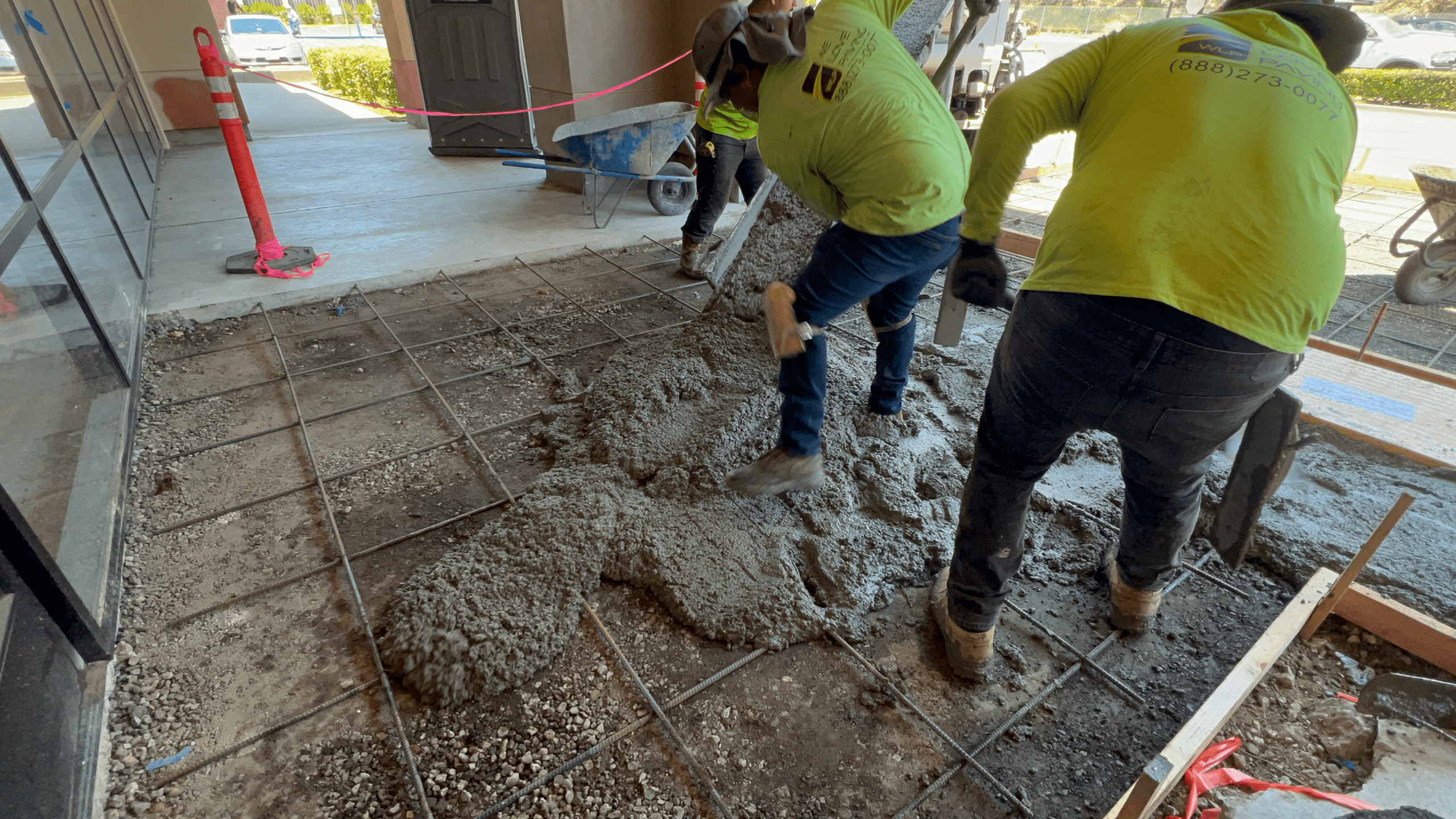
4. Consider Concrete Pads for Dumpsters and Loading Areas
Trash trucks + weak asphalt = instant failure.
Dumpster areas suffer from:
-
Repeated heavy loads
-
Grinding and twisting tires
-
Hydraulic leaks
-
Poor drainage
Concrete is the best solution here.
It costs more upfront but:
-
Lasts longer
-
Doesn’t rut
-
Doesn’t deform
-
Handles static weight better
-
Reduces long-term repair costs
Many PMs choose concrete pads in heavy-duty zones and asphalt everywhere else — the perfect balance of durability and budget.
5. Improve Drainage to Protect High-Stress Areas
Standing water accelerates failure in heavy-load zones more than anywhere else.
Water + truck weight = cracking + alligatoring + potholes.
To prevent this:
-
Add proper slope
-
Install catch basins
-
Regrade delivery routes
-
Seal cracks as soon as they appear
Keeping water away from the pavement structure protects your investment.
6. Use Reinforced Edges and Proper Turn Radii
Delivery trucks put huge stress on:
-
Corners
-
Edges
-
Turning points
If trucks cut corners on thin pavement, it breaks.
Solutions include:
-
Widening turn radii
-
Reinforcing edges with thicker asphalt or base
-
Adding curbing or wheel stops to guide traffic
Just reshaping a turn can prevent thousands of dollars in edge damage each year.
7. Set Up a Preventive Maintenance Schedule
Even reinforced pavement needs regular upkeep:
-
Crackfill every season
-
Sealcoat every 2–3 years
-
Pothole repair before winter
-
Line striping to guide traffic
-
Drainage inspections
The faster you address small issues, the longer your pavement lasts.
Heavy-traffic areas especially need proactive care — waiting too long is the most expensive mistake we see.
8. Train Vendors and Tenants on Proper Delivery Routes
Most PMs don’t realize this:
👉 You can prevent damage simply by controlling how delivery trucks move on the property.
Clear signage, marked pathways, and proper traffic flow prevent trucks from driving over:
-
Sidewalks
-
Landscape areas
-
Thin asphalt sections
-
Handicap paths
-
Utility covers
A simple “Delivery Route Only” sign can save thousands.
Why This Matters for Property Managers
A parking lot exposed to heavy delivery traffic without reinforcement will:
-
Rut
-
Crack
-
Sink
-
Break apart
-
Require early repaving
The cost difference is huge:
✔ Reinforced high-load sections: $2,000–$15,000
❌ Replacing a failed parking lot: $50,000–$250,000+
Protecting the pavement BEFORE damage starts is the smartest financial decision a PM can make.
How We Love Paving Helps You Protect High-Traffic Areas
We provide:
-
Full traffic pattern assessment
-
Base strength evaluation
-
Asphalt thickness recommendations
-
Concrete pad installation
-
Reinforced delivery routes
-
Long-term maintenance planning
-
ADA-compliant redesign of loading areas
Every property is different — we customize the plan based on real traffic data, not guesswork.
Ready to Protect Your Parking Lot?
If your property receives regular deliveries, now is the time to reinforce high-load zones before damage spreads.
👉 Request a free assessment from We Love Paving.
We’ll show you exactly where your pavement is vulnerable and how to extend its life for years.