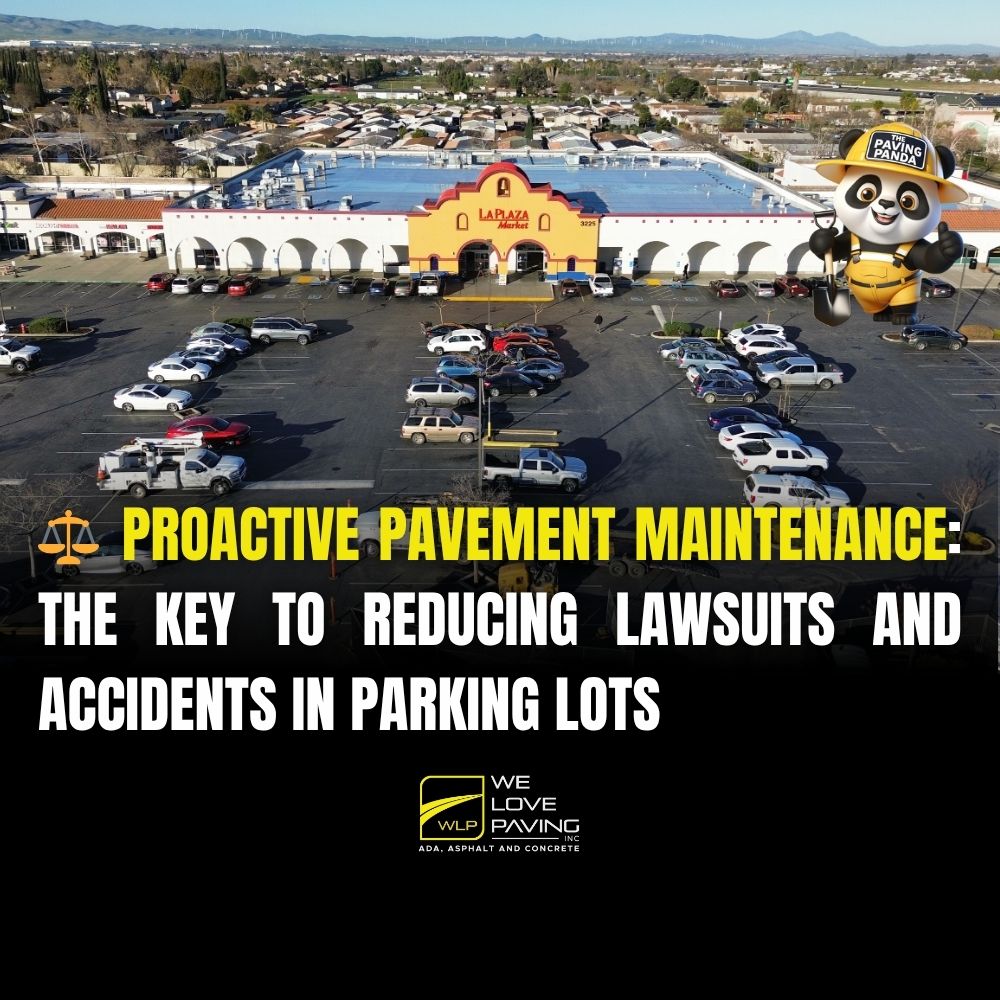
The parking ratio of a commercial real estate property is the number of parking spaces available per square foot of leasable space. Having an adequate parking ratio is essential for attracting and retaining tenants, as it can impact their ability to conduct business and serve customers. If you own or manage a commercial property and are looking to increase its parking ratio, there are several strategies you can consider.
Reconfigure Existing Parking Spaces
One way to increase the parking ratio of a commercial property is to reconfigure existing parking spaces. This may involve restriping the parking lot to create more spaces or adjusting the size of existing spaces to maximize the use of available space. If the parking lot is large enough, it may be possible to add diagonal or angled parking to fit more cars in the same amount of space.
Utilize Shared Parking
Another strategy for increasing the parking ratio of a commercial property is to utilize shared parking. This involves partnering with neighboring businesses to share parking spaces, allowing for more efficient use of available space. For example, if a restaurant is closed during the day, its parking spaces could be used by neighboring businesses with different hours of operation. This strategy can be particularly effective in mixed-use developments where different businesses have different peak hours of operation.
Consider Parking Structures
If there is not enough available space on the property to increase the parking ratio through reconfiguration or shared parking, a parking structure may be a viable option. Parking structures can provide significantly more parking spaces in a smaller footprint, allowing for a higher parking ratio. However, building a parking structure can be expensive, so property owners should carefully weigh the costs and benefits before pursuing this option.
Convert Underutilized Space
If there are areas of the property that are underutilized, such as a loading dock or unused warehouse space, these areas could be converted into additional parking. Depending on the layout of the property, this may require reconfiguration or restructuring of the existing space to create additional parking spaces.
Implement Parking Management Strategies
Finally, property owners can increase the parking ratio of a commercial property by implementing parking management strategies. This can include instituting a reservation system for parking spaces, using technology to monitor parking usage and availability, and offering incentives for carpooling or alternative transportation methods.
conclusion
Increasing the parking ratio of a commercial property requires careful planning and consideration of a variety of factors. By reconfiguring existing parking spaces, utilizing shared parking, considering parking structures, converting underutilized space, and implementing parking management strategies, property owners can effectively increase the parking ratio of their commercial real estate property. A higher parking ratio can be a valuable asset for attracting and retaining tenants, and can ultimately lead to increased revenue and profitability.