When investing in an asphalt driveway, homeowners often wonder about its longevity and durability. Asphalt driveways are popular due to their affordability, aesthetic appeal, and resilience. However, like any material, asphalt is not immune to wear and tear, and over time, cracking can occur. This article explores the lifespan of asphalt driveways before cracking, with a specific focus on the unique conditions in Sacramento, California.
Factors Affecting the Lifespan of Asphalt Driveways
Quality of Materials
The lifespan of an asphalt driveway heavily depends on the quality of materials used. High-quality asphalt mixtures with the right proportions of aggregates, binders, and additives tend to last longer. Opting for premium materials can initially be more expensive, but it pays off in the long run with a more durable driveway.
Installation Process
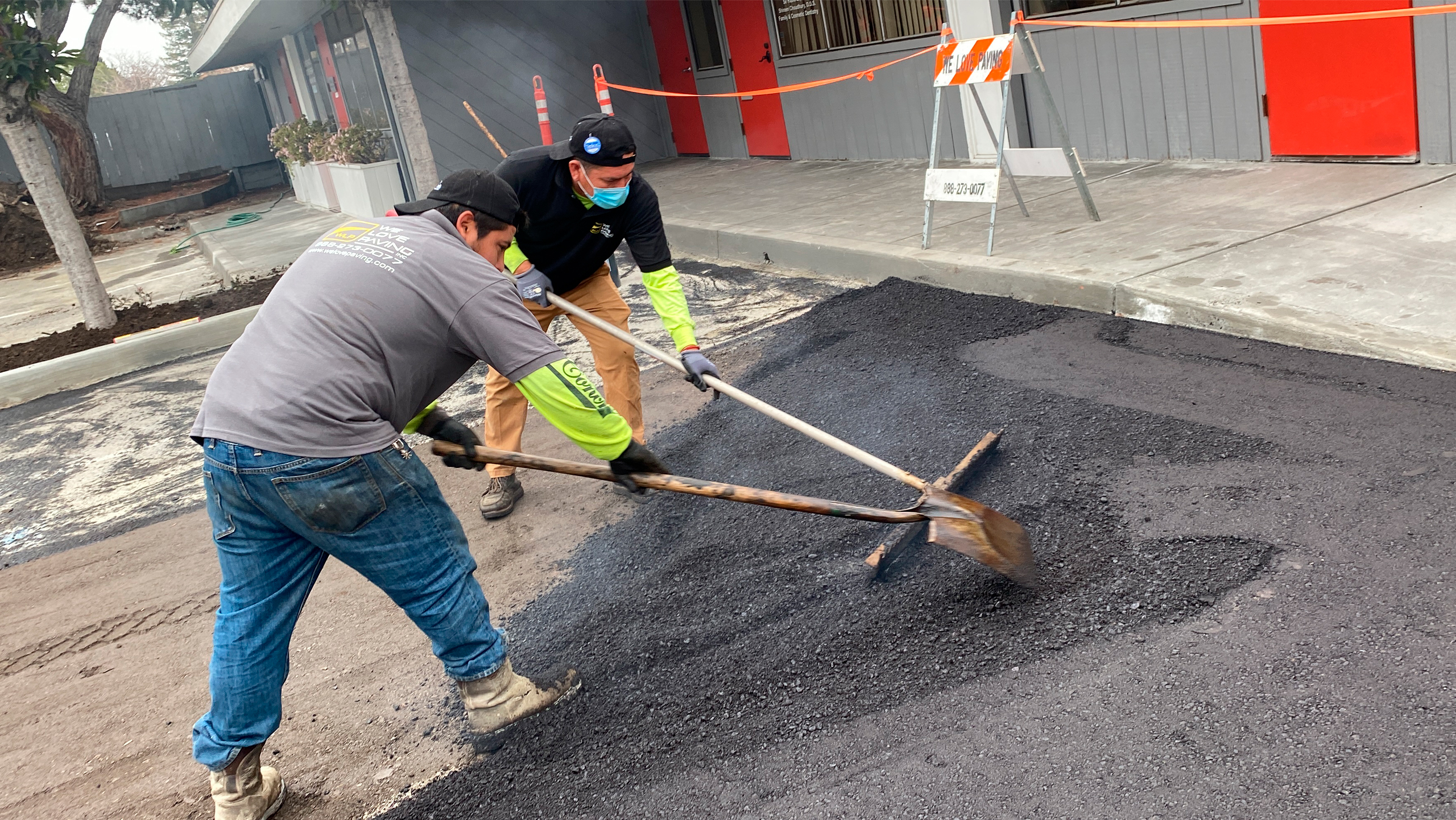
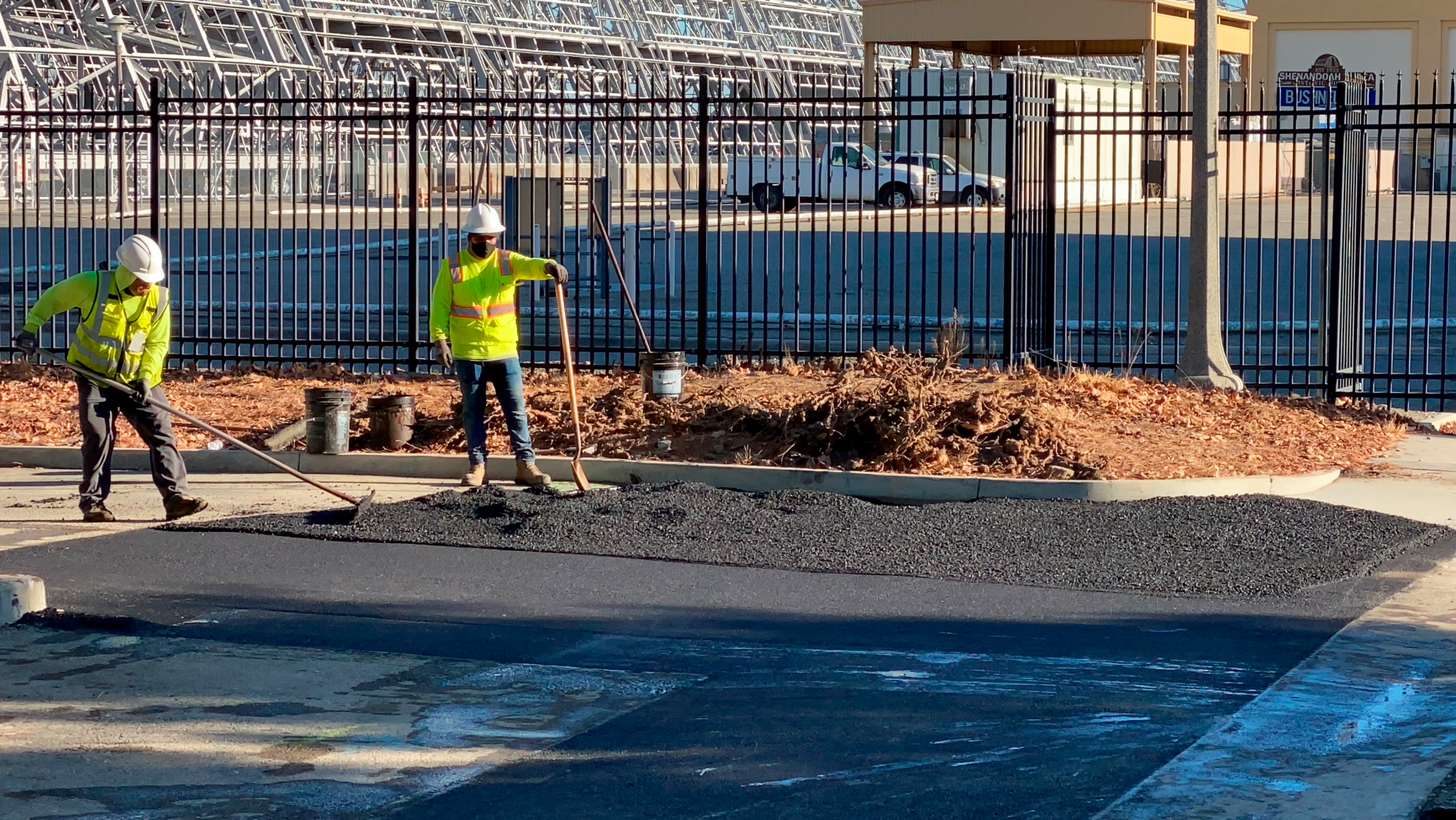
Proper installation is crucial for the longevity of an asphalt driveway. A poorly constructed base, inadequate compaction, or incorrect thickness can lead to premature cracking. It is essential to hire experienced and reputable contractors who follow industry best practices to ensure a durable driveway.
Usage and Traffic Load
The amount and type of traffic a driveway endures significantly impact its lifespan. Residential driveways typically last longer as they experience less traffic compared to commercial or public driveways. Heavy vehicles, such as trucks and RVs, can cause more stress on the asphalt, leading to earlier cracking.
Weather Conditions
Weather plays a pivotal role in the lifespan of asphalt driveways. Extreme temperature fluctuations, heavy rainfall, and prolonged exposure to sunlight can cause the asphalt to expand and contract, leading to cracks. In Sacramento, the hot summers and mild winters present specific challenges for asphalt driveways.
Common Causes of Asphalt Cracking
Temperature Fluctuations
Asphalt is sensitive to temperature changes. During hot summers, the asphalt expands, and during cooler nights, it contracts. This constant expansion and contraction can cause stress on the material, leading to cracks over time. Sacramento’s hot summers and cool evenings create ideal conditions for this type of wear and tear.
Poor Drainage
Water is a significant enemy of asphalt. Poor drainage systems can cause water to pool on the surface or seep into the sub-base, weakening the structure. Over time, this can lead to cracks and potholes. Ensuring proper drainage during installation and addressing any drainage issues promptly is crucial for extending the lifespan of an asphalt driveway.
Heavy Loads and Traffic
Frequent use by heavy vehicles can accelerate the deterioration of an asphalt driveway. The constant pressure from heavy loads can cause the asphalt to weaken and crack. For homeowners with heavy vehicles or those who expect frequent deliveries, reinforcing the driveway during installation can help mitigate this issue.
Tree Roots and Vegetation Growth
Tree roots and vegetation can grow under or near the driveway, exerting pressure on the asphalt and causing it to crack. Regularly trimming nearby trees and plants and ensuring they are not planted too close to the driveway can prevent root damage.
Sacramento-Specific Considerations
Climate and Weather Patterns
Sacramento’s Mediterranean climate, characterized by hot, dry summers and mild, wet winters, poses specific challenges for asphalt driveways. The intense heat can cause the asphalt to soften and become more susceptible to damage, while the wet winters can lead to water infiltration and subsequent cracking.
Common Environmental Stressors in Sacramento
In addition to temperature fluctuations, Sacramento driveways face environmental stressors such as UV radiation, which can degrade the asphalt over time. The area’s clay-rich soil can also expand and contract with moisture changes, affecting the stability of the driveway.
Local Regulations and Standards
Local regulations and standards in Sacramento may influence the construction and maintenance of asphalt driveways. Homeowners should be aware of any specific requirements or guidelines to ensure compliance and maximize the lifespan of their driveways.
Maintenance Tips to Extend Lifespan
Regular Inspections
Routine inspections can help identify early signs of damage and address them before they become significant issues. Homeowners should inspect their driveways at least twice a year and after extreme weather events.
Sealcoating and Resurfacing
Applying a sealcoat every few years can protect the asphalt from UV rays, water, and chemicals, extending its lifespan. Resurfacing the driveway when necessary can also provide a fresh, protective layer, preventing cracks from forming.
Repairing Minor Cracks Promptly
Addressing minor cracks and potholes as soon as they appear can prevent them from spreading and causing more extensive damage. Homeowners can use crack fillers or hire professionals for more significant repairs.
Proper Drainage Solutions
Ensuring proper drainage during the installation and addressing any drainage issues promptly can prevent water-related damage. Installing gutters, downspouts, and French drains can help manage water flow away from the driveway.
Signs Your Driveway Needs Attention
Early Warning Signs of Cracking
Homeowners should look for small cracks, uneven surfaces, and pooling water on their driveways. These early signs indicate that the asphalt may need maintenance or repair.
When to Consider Professional Repair or Replacement
If the driveway has extensive cracking, potholes, or structural damage, it may be time to consider professional repair or replacement. Consulting with a local contractor can help determine the best course of action.
Case Studies and Examples from Sacramento
Local Examples of Well-Maintained Driveways
Highlighting examples of well-maintained driveways in Sacramento can provide practical insights for homeowners. Interviews with local homeowners and contractors can offer valuable tips and recommendations.
Interviews with Sacramento Homeowners and Contractors
Including interviews with Sacramento homeowners and contractors can provide real-world perspectives on maintaining asphalt driveways in the region. Their experiences and advice can help readers make informed decisions.
Conclusion
In conclusion, the lifespan of an asphalt driveway before cracking depends on various factors, including material quality, installation process, usage, and weather conditions. Sacramento’s unique climate and environmental stressors pose specific challenges, but with proper maintenance and care, homeowners can significantly extend the lifespan of their driveways. Regular inspections, timely repairs, and preventive measures such as sealcoating can help keep an asphalt driveway in good condition for many years.