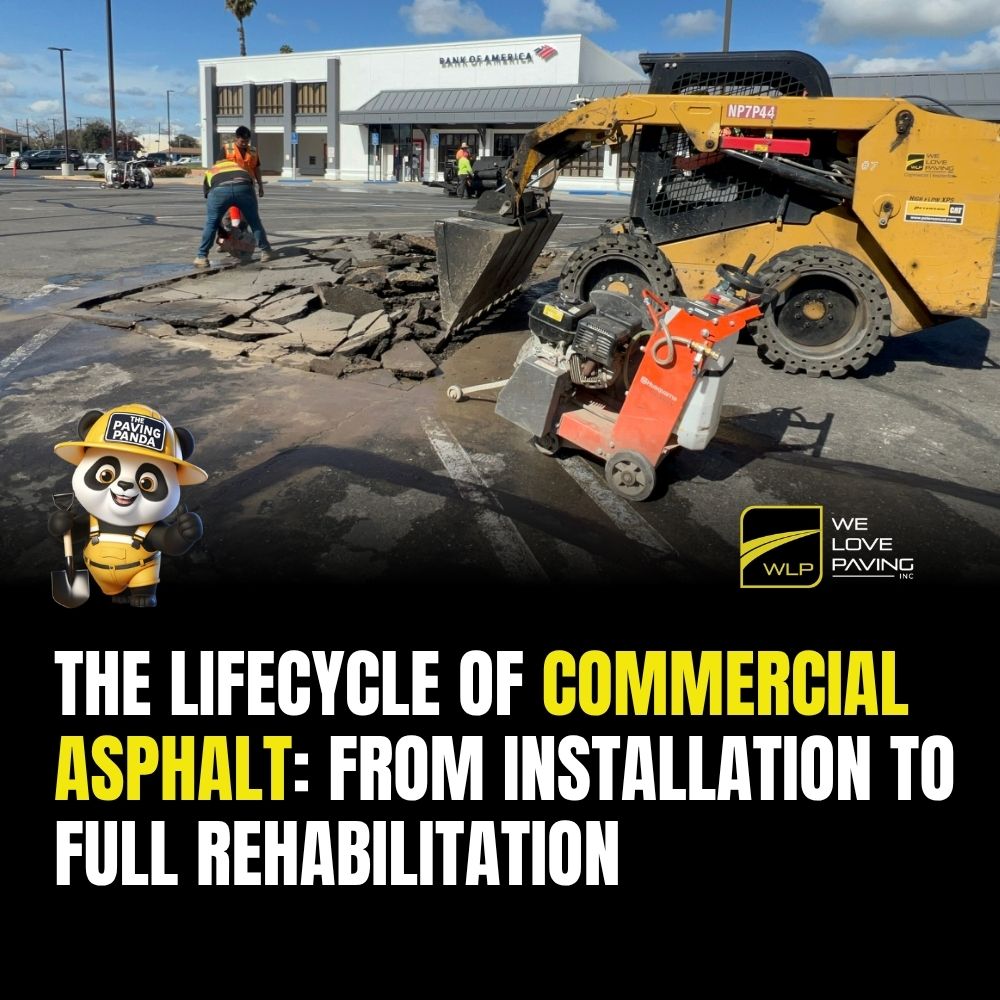
Asphalt overlays are a crucial component of road maintenance and construction, offering a cost-effective solution for renewing and extending the life of existing pavements. In Sacramento, California, where urban expansion and infrastructural development are ongoing, understanding the longevity of asphalt overlays is vital for city planners, construction companies, and residents. This article delves into the factors influencing the lifespan of asphalt overlays in Sacramento and explores the best practices for ensuring their durability.
What is an Asphalt Overlay?
An asphalt overlay involves applying a new layer of asphalt to an existing pavement surface. This process is typically used when the underlying pavement is still structurally sound but has surface-level issues such as minor cracking, raveling, or surface irregularities. Overlays can restore a smooth surface, improve ride quality, and extend the life of the pavement without the need for complete reconstruction.
Factors Affecting the Lifespan of Asphalt Overlays
Quality of Materials
The longevity of an asphalt overlay largely depends on the quality of the materials used. High-quality asphalt mix with proper gradation and binder content ensures a durable overlay. In Sacramento, where temperatures can vary significantly, selecting the appropriate asphalt grade that can withstand these fluctuations is crucial.
Underlying Pavement Condition
The condition of the existing pavement plays a significant role in the success of an overlay. If the underlying pavement has severe structural issues, the overlay may not last long. Therefore, thorough assessment and necessary repairs of the existing pavement are essential before applying an overlay.
Climate and Weather Conditions
Sacramento’s climate, characterized by hot, dry summers and mild, wet winters, impacts the lifespan of asphalt overlays. The high summer temperatures can cause asphalt to soften and become more susceptible to deformation, while the wet winters can lead to water infiltration and weakening of the pavement structure.
Traffic Load and Volume
The amount and type of traffic that a road accommodates affect the longevity of an asphalt overlay. Roads with heavy traffic, particularly those frequented by heavy trucks and buses, experience more stress, leading to quicker deterioration of the overlay.
Construction Practices
Proper construction practices are vital for the success of an asphalt overlay. This includes adequate surface preparation, correct application thickness, and proper compaction. In Sacramento, ensuring that these practices are followed according to industry standards helps in achieving a longer-lasting overlay.
Best Practices for Asphalt Overlays in Sacramento
Pre-overlay Repairs
Addressing any significant defects in the existing pavement, such as potholes, deep cracks, and structural weaknesses, is crucial. This step ensures that the overlay has a solid foundation, which contributes to its longevity.
Surface Preparation
Cleaning the existing pavement surface to remove debris, dirt, and loose materials is essential. Additionally, applying a tack coat helps in creating a strong bond between the old pavement and the new overlay.
Material Selection
Choosing the right type of asphalt mix tailored to Sacramento’s climate and traffic conditions is important. Polymer-modified asphalt mixes can offer enhanced durability and resistance to temperature fluctuations.
Thickness of Overlay
The thickness of the asphalt overlay should be determined based on the existing pavement condition and expected traffic loads. Generally, a thickness of 1.5 to 2 inches is standard, but this can vary depending on specific requirements.
Proper Compaction
Achieving the right compaction during the overlay process ensures a dense, durable surface. Compaction should be done when the asphalt is at the optimal temperature to avoid issues such as segregation and inadequate bonding.
Case Studies and Examples from Sacramento
Sacramento’s Residential Streets
Many residential streets in Sacramento have benefited from asphalt overlays, extending their service life by 10 to 15 years. These projects typically involve milling the existing surface to a uniform depth and applying a new overlay, resulting in smoother and safer roads for residents.
High-traffic Areas
In areas with high traffic volumes, such as major intersections and commercial zones, asphalt overlays have proven to be effective in maintaining road quality. These overlays are designed to withstand heavier loads and have a shorter life expectancy of around 7 to 10 years due to the increased stress.
Airport Runways
Sacramento International Airport has utilized asphalt overlays for runway maintenance. Given the heavy loads and safety requirements, these overlays are designed with high-performance materials and meticulous construction practices, resulting in a lifespan of around 8 to 12 years.
Future Trends and Innovations
Recycled Asphalt Pavement (RAP)
The use of recycled asphalt pavement in overlays is gaining popularity in Sacramento. RAP not only reduces the environmental impact but also offers cost savings. Studies have shown that overlays containing RAP can achieve comparable performance to traditional overlays when properly designed and constructed.
Warm Mix Asphalt (WMA)
Warm mix asphalt technology allows for lower production and compaction temperatures, reducing energy consumption and emissions. In Sacramento, the adoption of WMA can contribute to more sustainable pavement practices while maintaining overlay performance.
Smart Pavement Technologies
Integrating smart technologies into pavement design and maintenance is an emerging trend. Sensors embedded in asphalt overlays can monitor conditions in real-time, providing valuable data for proactive maintenance and extending the pavement’s lifespan.
Conclusion
The longevity of asphalt overlays in Sacramento is influenced by various factors, including material quality, underlying pavement condition, climate, traffic load, and construction practices. By adhering to best practices and embracing innovative technologies, Sacramento can continue to improve the durability and performance of its road infrastructure. As urban development progresses, ensuring the longevity of asphalt overlays will be key to maintaining safe and efficient transportation networks for the city’s residents and visitors.