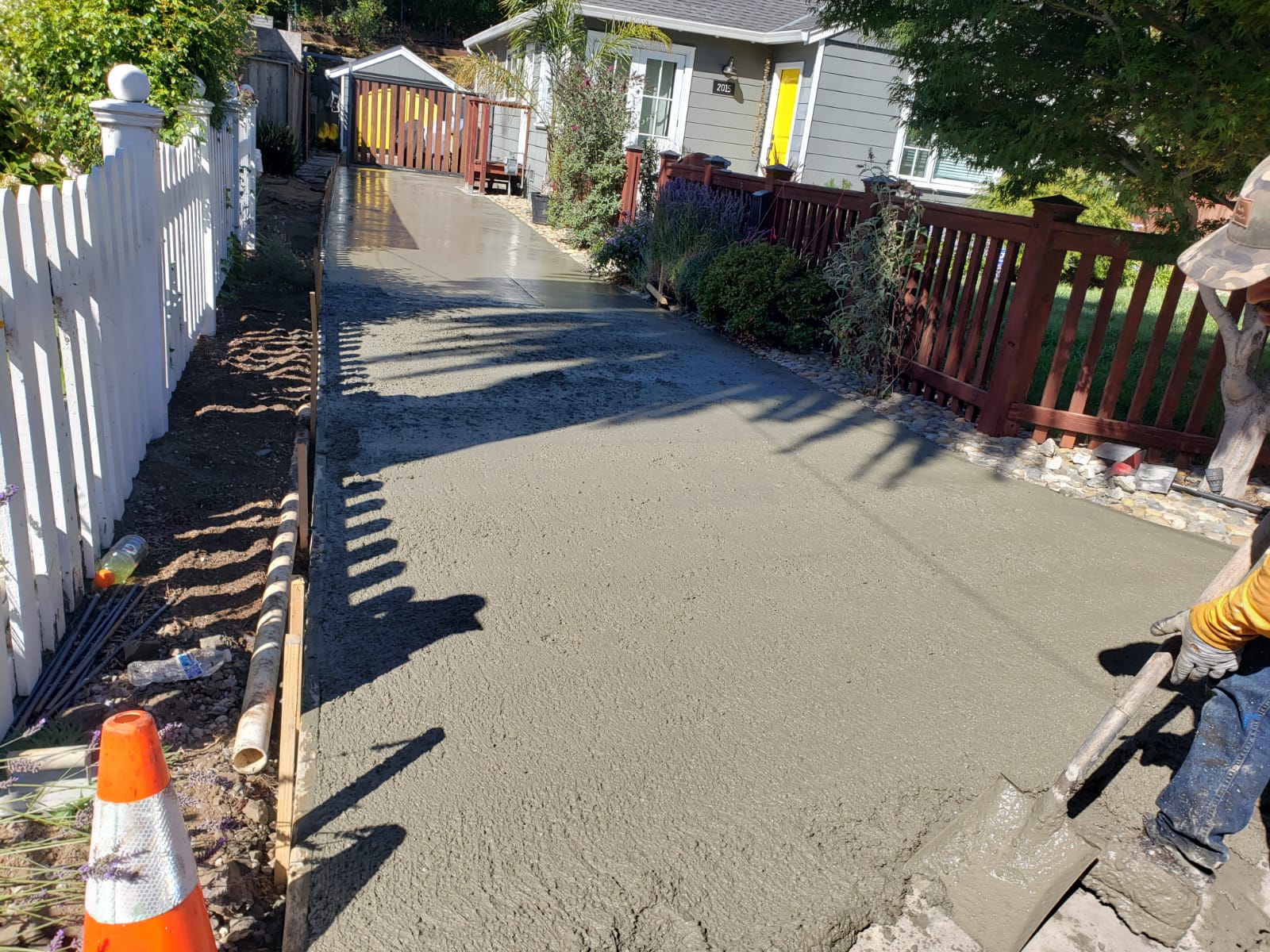
How Close to the Property Line Can I Build a Patio?

Adding a patio to your property is an excellent way to enhance your outdoor space, increase your home’s value, and create a relaxing environment for entertaining or unwinding. However, before you break ground, it’s crucial to understand the legal and zoning requirements regarding how close you can build a patio to your property line. Ignoring these rules could lead to fines, disputes with neighbors, or even being required to remove your patio altogether.

In this blog, we’ll explore the factors that determine how close you can build to your property line and provide actionable steps to ensure your project complies with local regulations.


Understanding Property Line Regulations

Property line regulations vary depending on where you live. Local zoning laws and homeowner association (HOA) rules often dictate the distance you need to maintain between your patio and the property boundary. This distance is typically referred to as a “setback.”

What Is a Setback?

A setback is the minimum required distance between a structure and the property line. Setbacks are designed to:

  • Ensure privacy between neighbors.

  • Maintain adequate space for utilities or drainage.

  • Preserve the overall aesthetic and safety of the neighborhood.

Setbacks may vary based on the type of structure you’re building. For example, the requirements for a patio may differ from those for a shed, deck, or fence.


Factors That Influence Setback Requirements

  1. Local Zoning Laws Zoning regulations are typically managed by your city, town, or county. These rules outline how land can be used and include setback requirements for various structures. For instance, residential areas may have stricter setback rules than commercial zones.

  2. Homeowner Association Rules If you live in a community governed by an HOA, you’ll need to review its guidelines. HOAs often impose additional restrictions beyond local laws, such as requiring approval before construction begins.

  3. Patio Design The size, height, and type of patio can also influence setback requirements. For example:

    • Ground-Level Patios: Typically have fewer restrictions since they’re not considered permanent structures.

    • Raised Patios: May be subject to stricter setbacks due to potential privacy concerns for neighbors.

  4. Drainage and Utilities Many municipalities require setbacks to ensure proper drainage and prevent water runoff from affecting neighboring properties. Additionally, setbacks may account for underground utilities that need to remain accessible.

  5. Neighbor Agreements In some cases, you can negotiate with your neighbors to build closer to the property line. However, these agreements should be documented in writing and may still require approval from local authorities.


How to Determine Your Setback Requirements

Here are the steps to ensure your patio complies with setback regulations:

  1. Check Local Zoning Laws Visit your city or county’s planning department website or office to find zoning regulations specific to your property. Look for information on setbacks for residential structures.

  2. Review Your Property Plat A property plat is a detailed map that outlines your property’s boundaries and easements. This document is essential for determining where you can build without crossing into restricted areas.

  3. Consult Your HOA (If Applicable) Contact your homeowner association to review any additional rules that may apply to your project.

  4. Hire a Surveyor If you’re unsure about your property lines, hire a professional surveyor to accurately mark them. This step can prevent costly mistakes and disputes.

  5. Obtain Permits Most municipalities require permits for construction projects, including patios. Submitting your plans for approval ensures your project meets all local codes and regulations.


Common Setback Distances

While setback requirements vary, here are some general guidelines:

  • Front Yard: Setbacks are often 20-25 feet from the property line.

  • Side Yard: Typically 5-10 feet, depending on local laws.

  • Backyard: Can range from 10-15 feet or more.

Always verify these distances with your local authorities to avoid surprises.


What Happens If You Don’t Follow Setback Rules?

Failing to comply with setback requirements can lead to:

  • Fines or Penalties: Local governments may impose fines for violations.

  • Neighbor Disputes: Building too close to the property line can strain relationships with neighbors.

  • Forced Removal: In some cases, you may be required to demolish or relocate your patio.


Conclusion

Building a patio is an exciting project, but it’s essential to approach it with careful planning and awareness of local regulations. By understanding setback requirements and taking proactive steps to comply, you can avoid legal issues and create an outdoor space that enhances your property without causing conflicts.

For more detailed guidance on property line regulations and patio construction, consult local zoning officials or download our free guide to navigating property laws. Protect your investment and enjoy peace of mind as you bring your patio vision to life!


Share

WHO IS FRED?

Fred, Regional Operations Manager, comes from a family of immigrant roots and a story built on sacrifice, discipline, and hard work. Growing up, Fred watched his parents work long hours and weekends to create a better future teaching him the values of perseverance, determination, and doing things the right way every single time.
We Love Paving began with Fred’s father, who started doing what he knew best: paving. Over the years, he built experience alongside respected professionals in the industry, refining his methods and developing a reputation for quality work that speaks for itself. As his clientele grew, so did the vision one built not only on skill, but on integrity and pride in every job.

Posts that might interest you

Bay Area Paving CONTRACTOR

Bay Area Paving CONTRACTOR

March 20, 2024

WE LOVE PAVING: YOUR PREMIER PAVING CONTRACTOR IN THE BAY AREA Are you in search of top-notch paving services in the Bay Area? Look no further than We Love Paving, your local paving experts! As a leading paving company, we take pride in delivering exceptional results for both residential and commercial paving projects throughout the

Parking Lot Markings

Parking Lot Markings

March 6, 2024

Enhancing Business Operations with Parking Lot Markings: A Comprehensive Guide In today’s fast-paced world, businesses must optimize every aspect of their operations to stay competitive and attract customers. While parking lot markings may seem like a minor detail, they play a crucial role in enhancing both the functionality and aesthetics of a business’s parking facilities.

Asphalt Protection

Asphalt Protection

March 6, 2024

The Importance of Protecting Asphalt Pavement: Benefits for Businesses Asphalt pavement is a crucial investment for businesses, providing a durable and cost-effective solution for parking lots, driveways, and roadways. However, without proper maintenance and protection, asphalt can deteriorate over time, leading to costly repairs and safety hazards. In this article, we’ll explore the importance of

Commercial Fencing

Commercial Fencing

March 6, 2024

The Benefits of Commercial Fencing for Businesses In today’s competitive business landscape, safeguarding your property and assets is paramount. One effective way to achieve this is by investing in commercial fencing. Commercial fencing not only enhances security but also adds aesthetic appeal to your business premises. In this article, we’ll explore the numerous benefits of

Cost of asphalt

Cost of asphalt

March 5, 2024

Asphalt’s pivotal role in infrastructure development underscores the importance of understanding its pricing dynamics. This section introduces the key objectives of the investigation, emphasizing the need for a holistic examination of asphalt pricing. Factors Influencing Asphalt Costs a. Raw Material Prices Analyzes the correlation between asphalt costs and crude oil prices, highlighting the volatility of

Exploring Affordable Paving Options: What is the Cheapest Form of Paving?

Exploring Affordable Paving Options: What is the Cheapest Form of Paving?

February 6, 2024

Are you looking to enhance the appearance and functionality of your driveway or pathways without breaking the bank? Paving is an excellent investment that can improve the curb appeal and value of your property. However, finding the most cost-effective paving option requires careful consideration of various factors. In this guide, we’ll explore the cheapest forms

Asphalt vs. Paving: Which Is Cheaper? A Comprehensive Comparison

Asphalt vs. Paving: Which Is Cheaper? A Comprehensive Comparison

February 6, 2024

Are you considering paving a driveway or parking lot and wondering which option is more cost-effective: asphalt or concrete paving? It’s a common question among homeowners and property managers looking to balance budget considerations with quality and durability. In this guide, we’ll explore the factors that influence the cost of asphalt and concrete paving, empowering

How to Pave a Driveway: A Comprehensive Guide for Homeowners

How to Pave a Driveway: A Comprehensive Guide for Homeowners

February 6, 2024

Paving a driveway is a significant investment that can enhance the curb appeal and functionality of your home. Whether you’re looking to replace an existing driveway or create a new one, understanding the paving process empowers you to make informed decisions and ensure a successful outcome. In this guide, we’ll walk you through the steps

Can You Put Asphalt Over Concrete? Exploring Your Options

Can You Put Asphalt Over Concrete? Exploring Your Options

February 6, 2024

Are you considering resurfacing your concrete driveway or parking lot with asphalt? It’s a common question among homeowners and property managers looking to refresh their surfaces without the hassle of removing existing concrete. In this guide, we’ll explore the feasibility of putting asphalt over concrete, empowering you with the knowledge needed to make an informed

How to choose a contractor

How to choose a contractor

February 6, 2024

HOW TO CHOOSE THE RIGHT PAVING CONTRACTOR: A COMPREHENSIVE GUIDE Are you considering a paving project for your home or business? Whether it’s a new driveway, parking lot, or pathway, choosing the right paving contractor is crucial to ensure a successful and satisfactory outcome. With so many options available, it’s essential to empower yourself with

Previous Next