can parking lot repairs be capitalized?

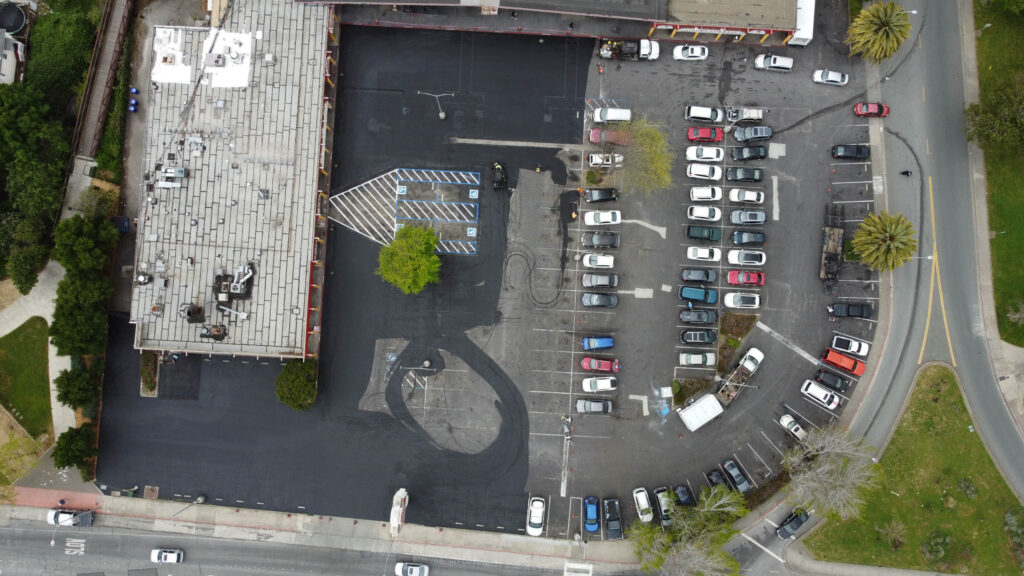
In the realm of business operations, maintenance and repair costs are inevitable. For property owners, particularly those managing parking facilities, the question of how to account for parking lot repairs can be critical. Should these expenses be treated as immediate costs or capitalized as long-term assets? The answer lies in understanding the nature and impact of the repairs.

The Dilemma: Expense or Capitalize?

When faced with parking lot repairs, businesses encounter the decision of whether to expense the cost immediately or capitalize it as a long-term asset. This decision hinges on the magnitude of the repair and its impact on the useful life of the parking lot.

Expense

Minor repairs that maintain the current condition of the parking lot without significantly extending its useful life are typically expensed as repair and maintenance costs. These expenses are recorded on the income statement for the current period, directly reducing profits.

Capitalization

On the other hand, if a repair significantly enhances the parking lot’s lifespan or functionality, it may be capitalized. This involves adding the repair costs to the overall value of the parking lot as a long-term asset. Capitalized costs are then amortized or depreciated over the remaining useful life of the parking lot.
Determining Factors

Several factors influence the decision to capitalize parking lot repairs

  1. Extent of Repair: Assess the scope of the repair work. Minor fixes like patching potholes may warrant immediate expensing, while major renovations such as resurfacing or reconstruction may justify capitalization.
  2. Useful Life Extension: Consider whether the repair work substantially prolongs the useful life of the parking lot. Investments that enhance durability or functionality over an extended period are prime candidates for capitalization.
  3. Cost Threshold: Establish a cost threshold to differentiate between routine maintenance and capitalizable improvements. While there’s no universal threshold, higher-cost repairs are more likely to be capitalized.

Illustrative Example

Imagine a business invests $25,000 to resurface and upgrade lighting in its parking lot. These improvements are expected to extend the useful life of the parking facility by ten years. Given the substantial nature of the repairs and their long-term impact, capitalization would be appropriate.

Benefits of Capitalization

Capitalizing parking lot repairs offers several advantages

  1. Enhanced Asset Value: By adding repair costs to the asset’s value, capitalization reflects the true investment in the property, potentially increasing its overall worth on the balance sheet.
  2. Smoothing Financials: Capitalizing major repairs distributes their costs over multiple accounting periods through depreciation, preventing sudden spikes in expenses and providing a more accurate representation of the asset’s economic benefit.
  3. Tax Benefits: Depreciation of capitalized repairs allows businesses to deduct a portion of the costs annually, reducing taxable income and potentially lowering tax liabilities.

Consultation and Compliance

Navigating the intricacies of accounting treatment for parking lot repairs requires expertise. Consultation with financial professionals or accountants is advisable to ensure compliance with accounting standards and optimize tax implications.

Conclusion

In the realm of parking lot repairs, the decision to expense or capitalize carries significant financial implications. While minor fixes may be expensed as routine maintenance, major renovations that enhance the parking lot’s longevity and functionality warrant capitalization. By understanding the factors influencing this decision and seeking professional guidance when necessary, businesses can maximize asset value and ensure sound financial management.

By carefully evaluating parking lot repair projects and making informed decisions regarding expense or capitalization, businesses can effectively manage their assets and optimize financial outcomes.

Share

WHO IS FRED?

Fred, Regional Operations Manager, comes from a family of immigrant roots and a story built on sacrifice, discipline, and hard work. Growing up, Fred watched his parents work long hours and weekends to create a better future teaching him the values of perseverance, determination, and doing things the right way every single time.
We Love Paving began with Fred’s father, who started doing what he knew best: paving. Over the years, he built experience alongside respected professionals in the industry, refining his methods and developing a reputation for quality work that speaks for itself. As his clientele grew, so did the vision one built not only on skill, but on integrity and pride in every job.

Posts that might interest you

How Close to My Property Line Can I Pour Concrete?

How Close to My Property Line Can I Pour Concrete?

June 28, 2024

Pouring concrete close to your property line is a common issue for homeowners looking to enhance their outdoor spaces. Whether it’s for a driveway, patio, or walkway, understanding the legal and practical considerations is crucial to avoid disputes with neighbors and comply with local regulations. This guide explores the key factors influencing how close you

How to Fix a Crumbling Concrete Driveway: The Ultimate Repair Guide

How to Fix a Crumbling Concrete Driveway: The Ultimate Repair Guide

June 27, 2024

When a concrete driveway starts to crumble, it’s more than a cosmetic issue—it’s a warning sign that the surface is losing its structural integrity. Left untreated, it can lead to major damage, higher repair costs, and safety hazards. Whether you’re a homeowner or manage a commercial property, this guide will show you how to restore

Do You Need a Permit to Replace a Driveway? A Comprehensive Guide

Do You Need a Permit to Replace a Driveway? A Comprehensive Guide

June 25, 2024

Replacing a driveway is a significant home improvement project that can enhance curb appeal, increase property value, and improve functionality. However, before you start tearing up your old driveway and pouring new concrete or laying pavers, it’s crucial to understand the legal and regulatory requirements involved. One of the most common questions homeowners have is

Steps Involved in Asphalt Paving

Steps Involved in Asphalt Paving

June 25, 2024

Asphalt paving is a necessary part of the construction industry. It’s a versatile material used to build roads, parking lots, and driveways. Understanding the steps involved in asphalt paving will help you choose the right pavement for your needs. Asphalt is an extremely durable material that withstands traffic and the elements. It is also environmentally

The Cost of Asphalt Cutting Per Linear Foot: What to Expect

The Cost of Asphalt Cutting Per Linear Foot: What to Expect

June 24, 2024

When it comes to construction and repair projects, asphalt cutting is often a necessary task, whether for roadworks, driveways, or other paved surfaces. Understanding the cost involved in asphalt cutting per linear foot can help you budget more accurately for your project. This article will break down the factors affecting these costs and provide a

The Best Base for an Asphalt Driveway: A Comprehensive Guide

The Best Base for an Asphalt Driveway: A Comprehensive Guide

June 24, 2024

What Do You Lay Under Asphalt?

What Do You Lay Under Asphalt?

June 24, 2024

The Process of Asphalt Paving

The Process of Asphalt Paving

June 19, 2024

Asphalt Paving is a complex process that involves numerous stages. A good paving contractor will be willing to walk you through their work processes and answer any questions. Inquire about an asphalt paving contractor’s license, worker’s compensation, and liability insurance. Ask them to provide references and project examples. Also, ask about their education and training.

Understanding the Concrete Business: A Comprehensive Overview

Understanding the Concrete Business: A Comprehensive Overview

June 18, 2024

The term “concrete business” encompasses a wide range of activities within the construction industry. From the production and delivery of ready-mixed concrete to the construction of roads, buildings, and other infrastructure projects, businesses involved in concrete play a crucial role in shaping the built environment. This article delves into the definition of a concrete business,

How Much Does it Cost to Pave One Mile of Road in California?

How Much Does it Cost to Pave One Mile of Road in California?

June 17, 2024

Paving a mile of road in California is a complex process influenced by various factors, including materials, labor, equipment, environmental regulations, and the geographical characteristics of the area. Understanding the costs involved requires breaking down these factors and examining them in detail. This blog delves into the intricacies of road paving in California, providing a

Previous Next