Best Paving Materials for San Francisco’s Climate: A Local Guide


San Francisco’s unique Mediterranean climate—cool, foggy summers and mild, rainy winters—poses specific challenges for paving. From moisture management to seismic considerations, choosing the right material is key to durability and aesthetics. Here’s your guide to the best paving options for SF homes and businesses, tailored to local weather, terrain, and sustainability goals.


Key Climate Challenges for Paving in SF

  1. Moisture & Fog: Persistent dampness promotes mold, algae, and erosion.

  2. Mild Temperatures: Less thermal expansion than hotter regions, but freeze-thaw cycles are rare.

  3. Hilly Terrain: Slopes require slip-resistant surfaces and proper drainage.

  4. Seismic Activity: Materials must withstand minor shifts without cracking.


Top Paving Materials for San Francisco

1. Permeable Pavers

  • Why They Shine:

    • Combat SF’s rainy winters by allowing water to seep through, reducing runoff and flooding.

    • Prevent algae buildup (common in foggy areas) with better drainage.

    • Eco-friendly—ideal for meeting SF’s strict stormwater regulations.

  • Best Uses: Driveways, walkways, patios.

  • Material Options: Concrete grid pavers, porous brick, or gravel-filled systems.

2. Natural Stone (Flagstone, Bluestone)

  • Why They Shine:

    • Naturally slip-resistant, perfect for hilly or shaded areas prone to dampness.

    • Durable and timeless, blending with SF’s historic or modern architecture.

    • Low maintenance—resists mold and stains.

  • Best Uses: Garden paths, courtyards, pool surrounds.

3. Concrete (Stamped or Textured)

  • Why It Shines:

    • Customizable with textures to improve traction on slopes.

    • Affordable and long-lasting in SF’s mild climate.

    • Opt for stained or stamped concrete to mimic pricier materials like stone.

  • Watch Out: Seal regularly to prevent moisture absorption in rainy months.

4. Interlocking Concrete Pavers

  • Why They Shine:

    • Flexible design: Handle ground shifts (hello, earthquakes!) without cracking.

    • Replace individual units if damaged—cost-effective for SF’s compact properties.

    • Choose darker tones to hide algae stains from fog.

  • Best Uses: Driveways, patios, public pathways.

5. Recycled Materials (Rubber Pavers, Glass Aggregates)

  • Why They Shine:

    • Eco-conscious choice for SF’s sustainability-focused residents.

    • Rubber pavers are slip-resistant and cushiony—great for play areas.

    • Glass aggregates add a unique, modern look to pathways.

  • Best Uses: Eco-friendly projects, rooftop decks, garden accents.

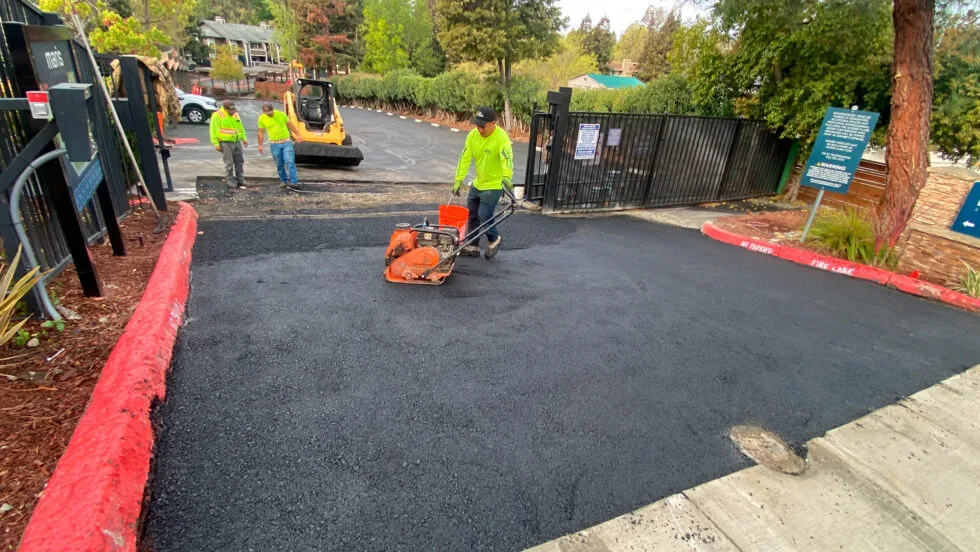
6. Asphalt (For Budget-Friendly Driveways)

  • Why It Shines:

    • Affordable for large areas like driveways.

    • Holds up well in SF’s moderate temperatures.

  • Watch Out: Prone to oil stains and cracks over time; requires resealing every 2–3 years.


Materials to Avoid in SF

  • Solid Non-Permeable Concrete: Traps water, increasing runoff and violating local stormwater codes.

  • Untreated Wood Decking: Rot-prone in damp conditions.

  • Smooth Tile or Polished Stone: Slippery when wet—dangerous on hills.


Local Tips for San Francisco Paving Projects

  1. Prioritize Drainage:

    • Use permeable materials or install French drains to handle winter rains.

  2. Slope Solutions:

    • Opt for textured pavers or stamped concrete with grip patterns for hilly driveways.

  3. Seismic Prep:

    • Choose flexible materials (like interlocking pavers) and ensure proper sub-base compaction.

  4. Fog & Mold Defense:

    • Clean surfaces annually with a vinegar-water mix to prevent algae.

    • Avoid light-colored materials that show stains.


Sustainability & Local Regulations

  • SF Stormwater Requirements: Permeable paving may be mandatory for new projects to reduce runoff.

  • Rebates: Check SF Public Utilities Commission for incentives on permeable installations.

  • Local Suppliers: Source recycled materials from Bay Area companies like Urban Ashes or Fireclay Tile.


Case Study: A Noe Valley Home’s Permeable Paver Transformation

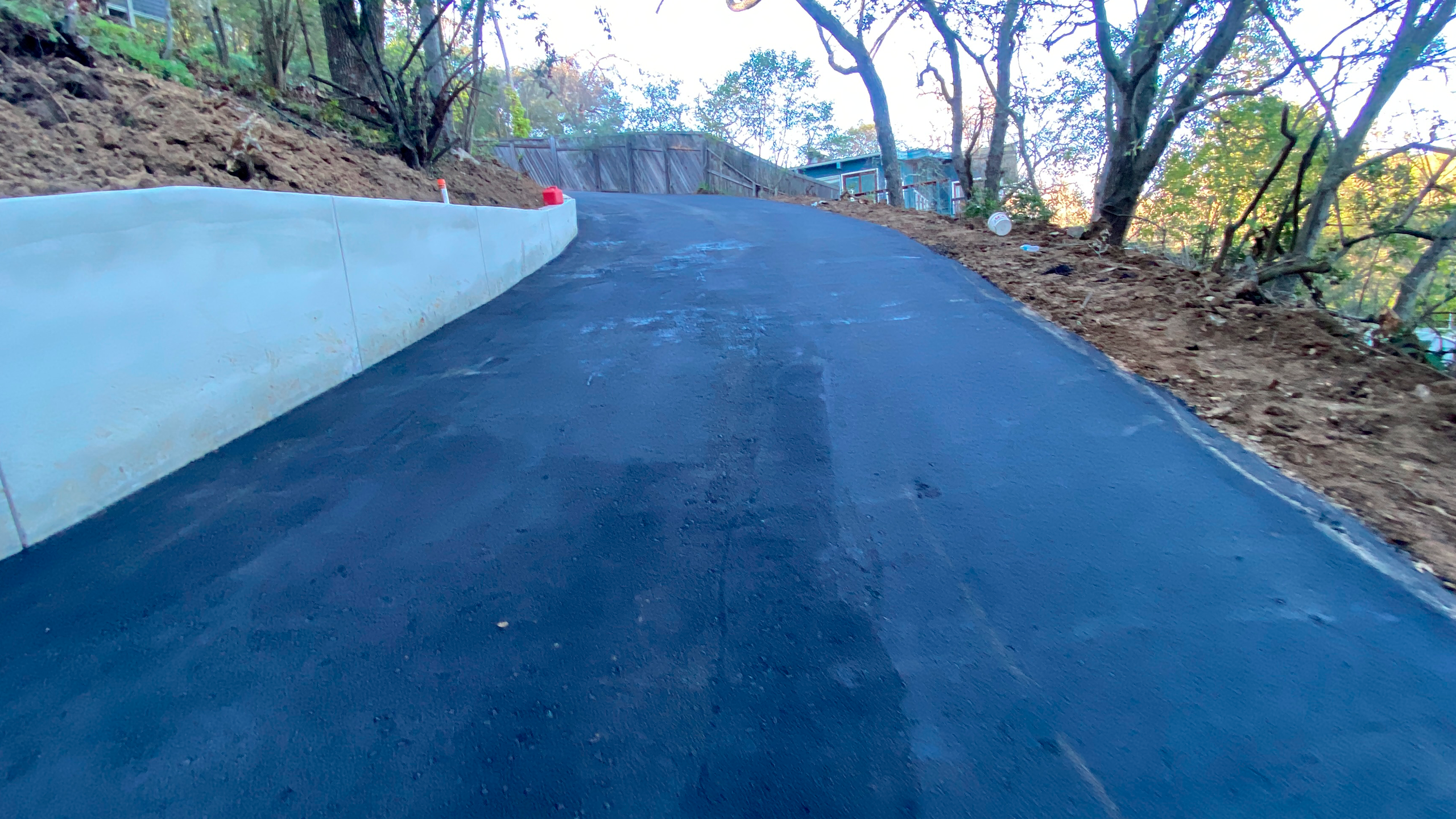
  • Challenge: A steep driveway causing erosion and neighborhood runoff.

  • Solution: Interlocking permeable pavers with a gravel sub-base for drainage.

  • Result: Reduced flooding, improved curb appeal, and compliance with SF codes.


FAQ: San Francisco Paving

Q: Do I need a permit for a new driveway in SF?
A: Yes! Most paving projects require permits, especially if altering drainage.

Q: What’s the average cost of a paver patio in SF?
A: 
15

30/sq.ft., depending on materials and slope complexity.

Q: How do I prevent earthquake damage to my pavement?
A: Use flexible materials (pavers) and ensure a professionally compacted base.


Final Takeaway

San Francisco’s climate demands paving materials that balance beauty, durability, and eco-smart function. Permeable pavers and natural stone are top picks for moisture management, while interlocking concrete offers seismic resilience. Always work with a local contractor familiar with SF’s codes and microclimates!

Need Help? Contact WeLovePaving for a free consultation tailored to your SF property!

Share

WHO IS FRED?

Fred, Regional Operations Manager, comes from a family of immigrant roots and a story built on sacrifice, discipline, and hard work. Growing up, Fred watched his parents work long hours and weekends to create a better future teaching him the values of perseverance, determination, and doing things the right way every single time.
We Love Paving began with Fred’s father, who started doing what he knew best: paving. Over the years, he built experience alongside respected professionals in the industry, refining his methods and developing a reputation for quality work that speaks for itself. As his clientele grew, so did the vision one built not only on skill, but on integrity and pride in every job.

Posts that might interest you

What is the Best Quality Asphalt for Driveways?

What is the Best Quality Asphalt for Driveways?

June 28, 2024

Choosing the best quality asphalt for your driveway is essential to ensure durability, aesthetic appeal, and cost-effectiveness. This guide explores the types of asphalt, their benefits, and how to select the best option for your driveway needs. Understanding Asphalt Factors to Consider When Choosing Asphalt Types of Asphalt for Driveways Comparing Asphalt to Other Materials

How Thick Should Asphalt Paving Be?

How Thick Should Asphalt Paving Be?

June 28, 2024

Choosing the right thickness for asphalt paving is crucial for the longevity and durability of the surface, whether it’s a driveway, parking lot, or roadway. The thickness of asphalt paving affects its ability to withstand traffic loads, weather conditions, and overall wear and tear. This article will explore the factors influencing asphalt thickness and provide

How Close to My Property Line Can I Pour Concrete?

How Close to My Property Line Can I Pour Concrete?

June 28, 2024

Pouring concrete close to your property line is a common issue for homeowners looking to enhance their outdoor spaces. Whether it’s for a driveway, patio, or walkway, understanding the legal and practical considerations is crucial to avoid disputes with neighbors and comply with local regulations. This guide explores the key factors influencing how close you

How to Fix a Crumbling Concrete Driveway: The Ultimate Repair Guide

How to Fix a Crumbling Concrete Driveway: The Ultimate Repair Guide

June 27, 2024

When a concrete driveway starts to crumble, it’s more than a cosmetic issue—it’s a warning sign that the surface is losing its structural integrity. Left untreated, it can lead to major damage, higher repair costs, and safety hazards. Whether you’re a homeowner or manage a commercial property, this guide will show you how to restore

Do You Need a Permit to Replace a Driveway? A Comprehensive Guide

Do You Need a Permit to Replace a Driveway? A Comprehensive Guide

June 25, 2024

Replacing a driveway is a significant home improvement project that can enhance curb appeal, increase property value, and improve functionality. However, before you start tearing up your old driveway and pouring new concrete or laying pavers, it’s crucial to understand the legal and regulatory requirements involved. One of the most common questions homeowners have is

Steps Involved in Asphalt Paving

Steps Involved in Asphalt Paving

June 25, 2024

Asphalt paving is a necessary part of the construction industry. It’s a versatile material used to build roads, parking lots, and driveways. Understanding the steps involved in asphalt paving will help you choose the right pavement for your needs. Asphalt is an extremely durable material that withstands traffic and the elements. It is also environmentally

The Cost of Asphalt Cutting Per Linear Foot: What to Expect

The Cost of Asphalt Cutting Per Linear Foot: What to Expect

June 24, 2024

When it comes to construction and repair projects, asphalt cutting is often a necessary task, whether for roadworks, driveways, or other paved surfaces. Understanding the cost involved in asphalt cutting per linear foot can help you budget more accurately for your project. This article will break down the factors affecting these costs and provide a

The Best Base for an Asphalt Driveway: A Comprehensive Guide

The Best Base for an Asphalt Driveway: A Comprehensive Guide

June 24, 2024

What Do You Lay Under Asphalt?

What Do You Lay Under Asphalt?

June 24, 2024

The Process of Asphalt Paving

The Process of Asphalt Paving

June 19, 2024

Asphalt Paving is a complex process that involves numerous stages. A good paving contractor will be willing to walk you through their work processes and answer any questions. Inquire about an asphalt paving contractor’s license, worker’s compensation, and liability insurance. Ask them to provide references and project examples. Also, ask about their education and training.

Previous Next