Asphalt vs. Concrete: Which Is Best for ADA Compliance?

Introduction
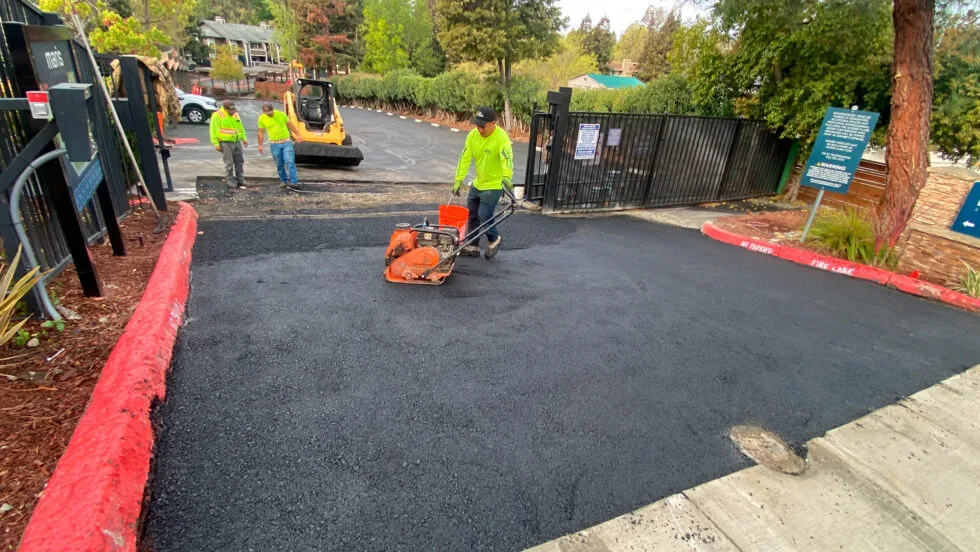
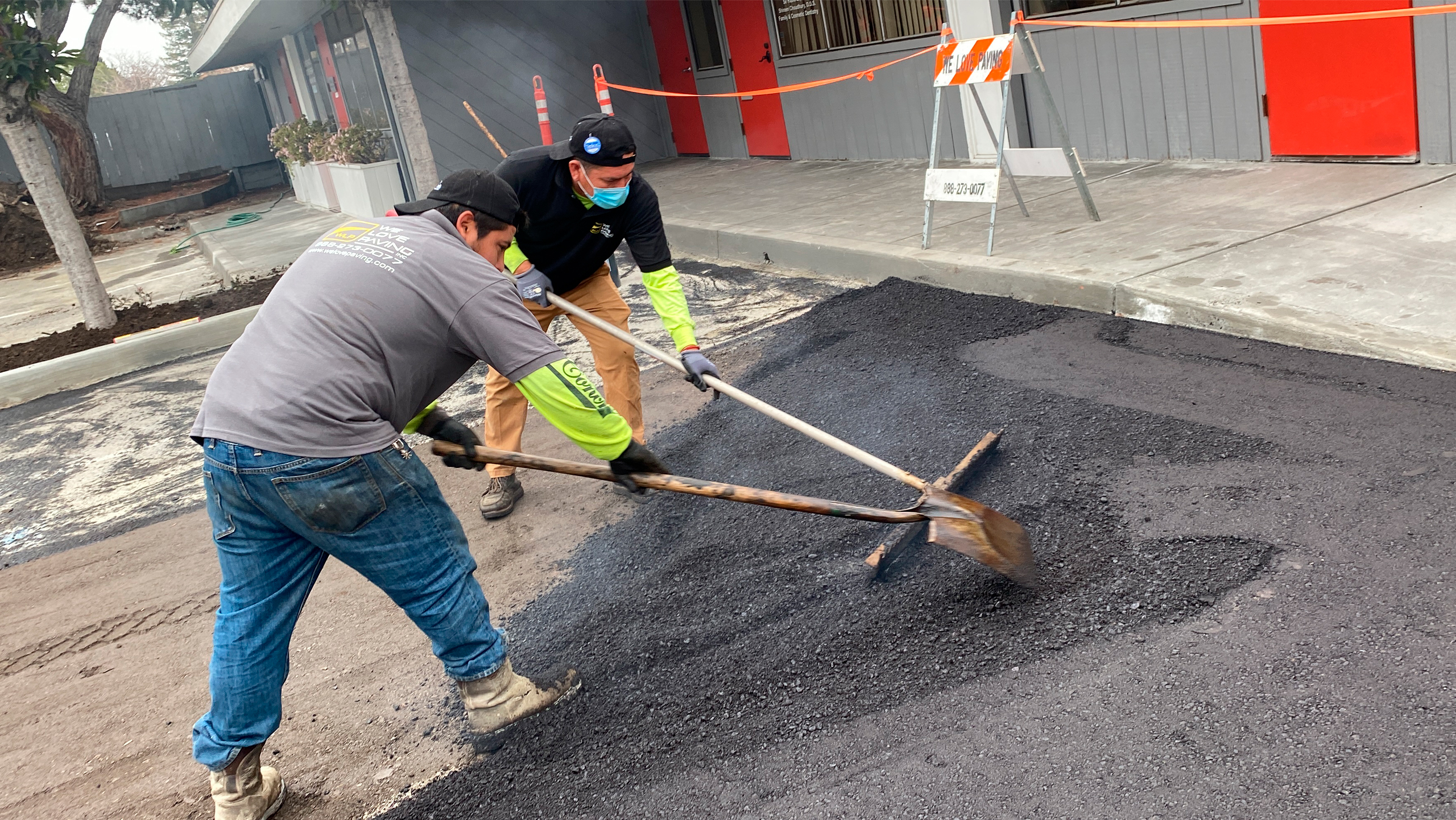
Choosing the right paving material is critical for meeting ADA compliance and ensuring accessibility for all. Both asphalt and concrete can comply with ADA standards, but they differ in cost, durability, and maintenance. Let’s break down their pros and cons to help you decide which is best for your property.


Key ADA Requirements for Pavement

  • Slope Ratios: Max 1:12 (8.33%) for ramps.

  • Surface Smoothness: Firm, stable, and slip-resistant.

  • Durability: Withstand weather and heavy use.

  • Maintenance: Minimal tripping hazards (no cracks/potholes).

  • Signage & Markings: Clear, high-contrast, and properly mounted.


Asphalt for ADA Compliance

Pros

  • Cost-Effective: 30–50% cheaper upfront than concrete.

  • Quick Installation: Cures in 24–48 hours, ideal for urgent upgrades.

  • Flexibility: Easier to adjust slopes during installation.

  • Seamless Repairs: Patching potholes or cracks is straightforward.

Cons

  • Higher Maintenance: Requires sealcoating every 2–3 years.

  • Weather Sensitivity: Softens in heat, cracks in extreme cold.

  • Shorter Lifespan: 15–20 years (vs. concrete’s 30+).

Best For: Budget-conscious projects, temporary solutions, or mild climates.


Concrete for ADA Compliance

Pros

  • Durability: Resists heavy traffic and lasts 30+ years.

  • Low Maintenance: Less frequent repairs; stains are rare.

  • Weather Resistance: Handles freeze-thaw cycles better than asphalt.

  • Smooth Surface: Stays even longer, reducing tripping risks.

Cons

  • Higher Upfront Cost: 2x more expensive than asphalt.

  • Longer Cure Time: 7+ days to fully set, delaying project completion.

  • Rigidity: Less forgiving for slope adjustments post-installation.

Best For: High-traffic areas, long-term investments, or regions with harsh winters.


Side-by-Side Comparison

Factor Asphalt Concrete
Cost
2

5 per sq. ft.


4

10 per sq. ft.

Lifespan 15–20 years 30+ years
Maintenance Frequent sealcoating Occasional crack sealing
Installation Time 1–2 days 7+ days
Slope Adjustments Easier during installation Difficult post-cure

Case Studies

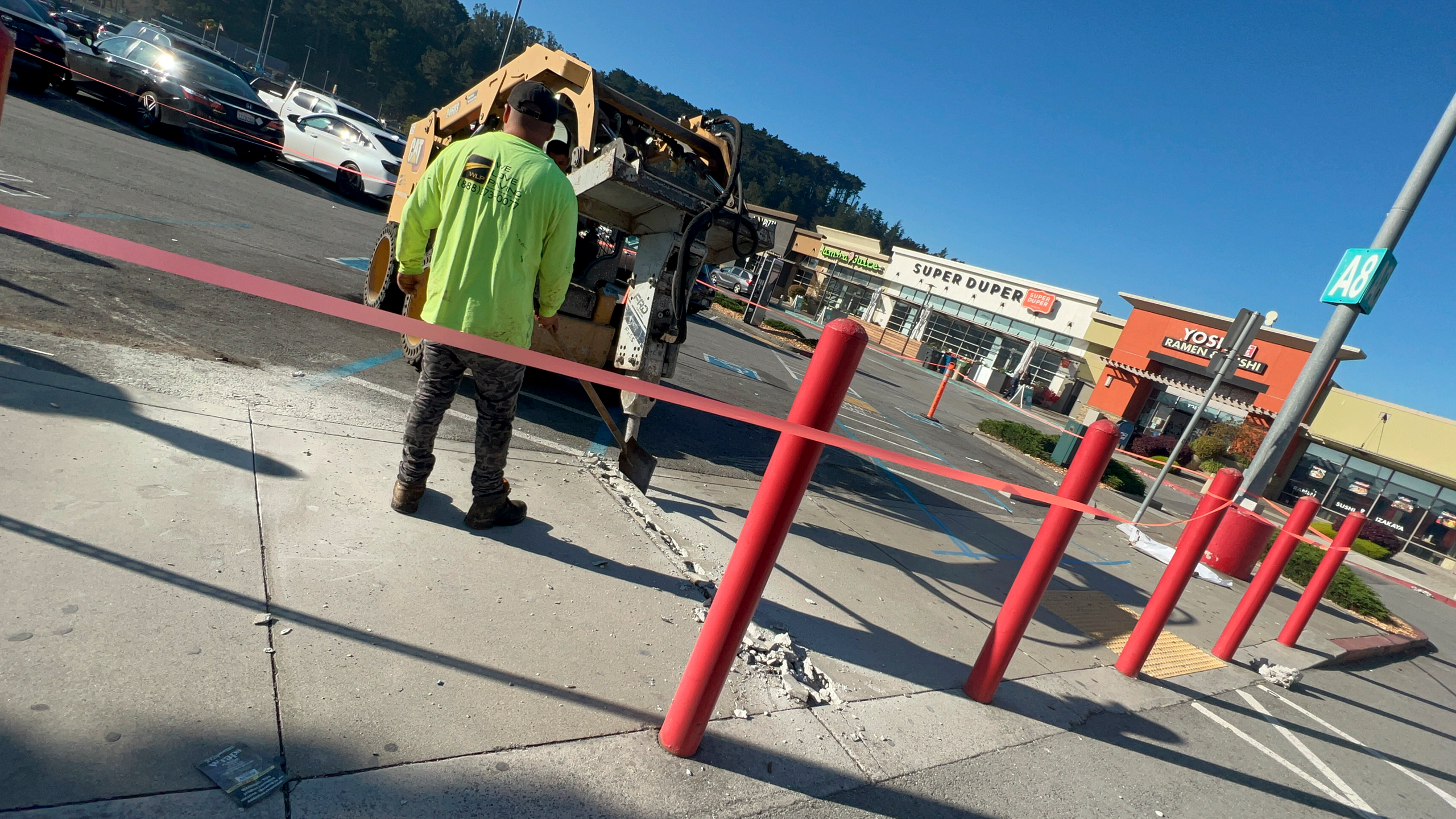
  1. SF Retail Plaza (Asphalt):

    • Challenge: Needed urgent ramp repairs to avoid fines.

    • Solution: Asphalt provided a quick, budget-friendly fix.

    • Result: Compliant slopes in 48 hours, saving $50k in potential penalties.

  2. LA Office Park (Concrete):

    • Challenge: High foot traffic required durable paving.

    • Solution: Concrete ramps with non-slip finish.

    • Result: Zero violations over 10+ years.


Which Should You Choose?

  • Budget: Asphalt for short-term savings; concrete for long-term ROI.

  • Climate: Concrete for freeze-thaw regions; asphalt for mild weather.

  • Traffic: Concrete for heavy use (e.g., hospitals); asphalt for low-traffic lots.


How We Love Paving Ensures Compliance

  • Laser-Guided Grading: Perfect 1:12 slopes every time.

  • Non-Slip Surfaces: Texture additives for asphalt/concrete.

  • Signage Expertise: Compliant mounting and labeling.

  • Free Audits: Spot risks before they become fines.


Conclusion
Both asphalt and concrete can meet ADA standards, but the right choice depends on your budget, timeline, and property needs. At We Love Paving, we’ll help you navigate these options to create a safe, accessible space.

👉 Claim Your FREE ADA Compliance Audit Today!


Share

WHO IS FRED?

Fred, Regional Operations Manager, comes from a family of immigrant roots and a story built on sacrifice, discipline, and hard work. Growing up, Fred watched his parents work long hours and weekends to create a better future teaching him the values of perseverance, determination, and doing things the right way every single time.
We Love Paving began with Fred’s father, who started doing what he knew best: paving. Over the years, he built experience alongside respected professionals in the industry, refining his methods and developing a reputation for quality work that speaks for itself. As his clientele grew, so did the vision one built not only on skill, but on integrity and pride in every job.

Posts that might interest you

What is the Best Quality Asphalt for Driveways?

What is the Best Quality Asphalt for Driveways?

June 28, 2024

Choosing the best quality asphalt for your driveway is essential to ensure durability, aesthetic appeal, and cost-effectiveness. This guide explores the types of asphalt, their benefits, and how to select the best option for your driveway needs. Understanding Asphalt Factors to Consider When Choosing Asphalt Types of Asphalt for Driveways Comparing Asphalt to Other Materials

How Thick Should Asphalt Paving Be?

How Thick Should Asphalt Paving Be?

June 28, 2024

Choosing the right thickness for asphalt paving is crucial for the longevity and durability of the surface, whether it’s a driveway, parking lot, or roadway. The thickness of asphalt paving affects its ability to withstand traffic loads, weather conditions, and overall wear and tear. This article will explore the factors influencing asphalt thickness and provide

How Close to My Property Line Can I Pour Concrete?

How Close to My Property Line Can I Pour Concrete?

June 28, 2024

Pouring concrete close to your property line is a common issue for homeowners looking to enhance their outdoor spaces. Whether it’s for a driveway, patio, or walkway, understanding the legal and practical considerations is crucial to avoid disputes with neighbors and comply with local regulations. This guide explores the key factors influencing how close you

How to Fix a Crumbling Concrete Driveway: The Ultimate Repair Guide

How to Fix a Crumbling Concrete Driveway: The Ultimate Repair Guide

June 27, 2024

When a concrete driveway starts to crumble, it’s more than a cosmetic issue—it’s a warning sign that the surface is losing its structural integrity. Left untreated, it can lead to major damage, higher repair costs, and safety hazards. Whether you’re a homeowner or manage a commercial property, this guide will show you how to restore

Do You Need a Permit to Replace a Driveway? A Comprehensive Guide

Do You Need a Permit to Replace a Driveway? A Comprehensive Guide

June 25, 2024

Replacing a driveway is a significant home improvement project that can enhance curb appeal, increase property value, and improve functionality. However, before you start tearing up your old driveway and pouring new concrete or laying pavers, it’s crucial to understand the legal and regulatory requirements involved. One of the most common questions homeowners have is

Steps Involved in Asphalt Paving

Steps Involved in Asphalt Paving

June 25, 2024

Asphalt paving is a necessary part of the construction industry. It’s a versatile material used to build roads, parking lots, and driveways. Understanding the steps involved in asphalt paving will help you choose the right pavement for your needs. Asphalt is an extremely durable material that withstands traffic and the elements. It is also environmentally

The Cost of Asphalt Cutting Per Linear Foot: What to Expect

The Cost of Asphalt Cutting Per Linear Foot: What to Expect

June 24, 2024

When it comes to construction and repair projects, asphalt cutting is often a necessary task, whether for roadworks, driveways, or other paved surfaces. Understanding the cost involved in asphalt cutting per linear foot can help you budget more accurately for your project. This article will break down the factors affecting these costs and provide a

The Best Base for an Asphalt Driveway: A Comprehensive Guide

The Best Base for an Asphalt Driveway: A Comprehensive Guide

June 24, 2024

What Do You Lay Under Asphalt?

What Do You Lay Under Asphalt?

June 24, 2024

The Process of Asphalt Paving

The Process of Asphalt Paving

June 19, 2024

Asphalt Paving is a complex process that involves numerous stages. A good paving contractor will be willing to walk you through their work processes and answer any questions. Inquire about an asphalt paving contractor’s license, worker’s compensation, and liability insurance. Ask them to provide references and project examples. Also, ask about their education and training.

Previous Next