ADA Parking 5 ways for compliance

what to look for in ada parking #1

Signs of a Compliant ADA Parking Stall

  1. Proper Signage: A compliant ADA parking stall should have clear signage indicating it is reserved for individuals with disabilities. The signage should include the International Symbol of Accessibility and may also specify the penalty for unauthorized use.
  2. Accessible Designation: The stall should be appropriately marked with paint or signage to designate it as an ADA-accessible parking space. This marking typically includes a wheelchair symbol and is positioned on the ground within the parking space.
  3. Accessible Route: ADA-compliant parking spaces should have an accessible route from the parking area to the building entrance, free of obstacles or barriers. This route should be wide enough to accommodate wheelchairs and mobility devices.
  4. Accessible Aisles: Adjacent to ADA parking spaces, there should be access aisles that provide additional space for individuals with disabilities to enter and exit vehicles safely. These aisles must be marked and kept clear of obstructions at all times.
  5. Accessible Slope: The surface of the parking space and access aisles should have a slope gradient within ADA specifications to ensure ease of mobility for individuals using wheelchairs or other mobility aids.

Signs of Non-Compliant ADA Parking Stalls

  1. Improper Signage or Markings: Lack of proper signage or markings designating the space as ADA accessible can indicate non-compliance.
  2. Inadequate Space: ADA parking spaces and access aisles must meet specific size requirements outlined in ADA guidelines. If the dimensions are too small or irregular, the space will be non-compliant.
  3. Lack of Accessible Route: If there is no clear path from the ADA parking space to the building entrance or the route contains barriers such as steps or narrow passages, it indicates non-compliance.
  4. Blocked Access Aisles: Access aisles obstructed by vehicles, debris, or other obstacles prevent individuals with disabilities from safely entering or exiting their vehicles and signal non-compliance.
  5. Incorrect Slope: Surfaces with excessive slopes or uneven terrain within ADA parking spaces and access aisles can pose challenges for individuals with mobility impairments, highlighting non-compliance with ADA regulations.

Get a Sneak peek into our ADA handbook free!
ADA Hand Book


Share

WHO IS FRED?

Fred, Regional Operations Manager, comes from a family of immigrant roots and a story built on sacrifice, discipline, and hard work. Growing up, Fred watched his parents work long hours and weekends to create a better future teaching him the values of perseverance, determination, and doing things the right way every single time.
We Love Paving began with Fred’s father, who started doing what he knew best: paving. Over the years, he built experience alongside respected professionals in the industry, refining his methods and developing a reputation for quality work that speaks for itself. As his clientele grew, so did the vision one built not only on skill, but on integrity and pride in every job.

Posts that might interest you

What Is Asphalt Patching? Complete Guide for Commercial Property Owners

What Is Asphalt Patching? Complete Guide for Commercial Property Owners

November 11, 2025

Asphalt Backyard Ideas: Affordable, Durable, and Low-Maintenance Outdoor Design

Asphalt Backyard Ideas: Affordable, Durable, and Low-Maintenance Outdoor Design

November 5, 2025

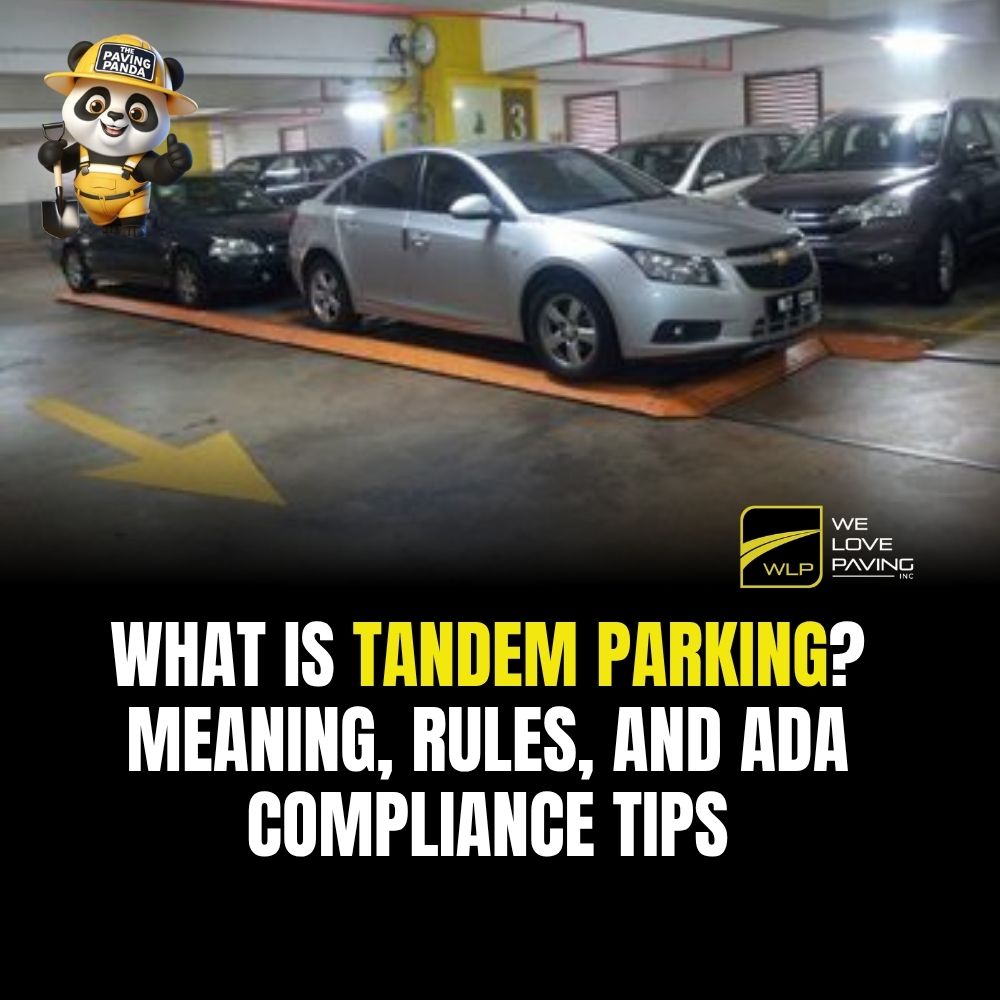
What Is Tandem Parking? Meaning, Rules, and ADA Compliance Tips

What Is Tandem Parking? Meaning, Rules, and ADA Compliance Tips

November 5, 2025

What Is Tandem Parking? Tandem parking refers to two or more vehicles parked end-to-end within a single elongated parking space. In this setup, one car must move to let the other exit, similar to cars sharing a narrow driveway. It’s a design solution often used in space-limited properties, such as multi-family buildings, apartment complexes, or

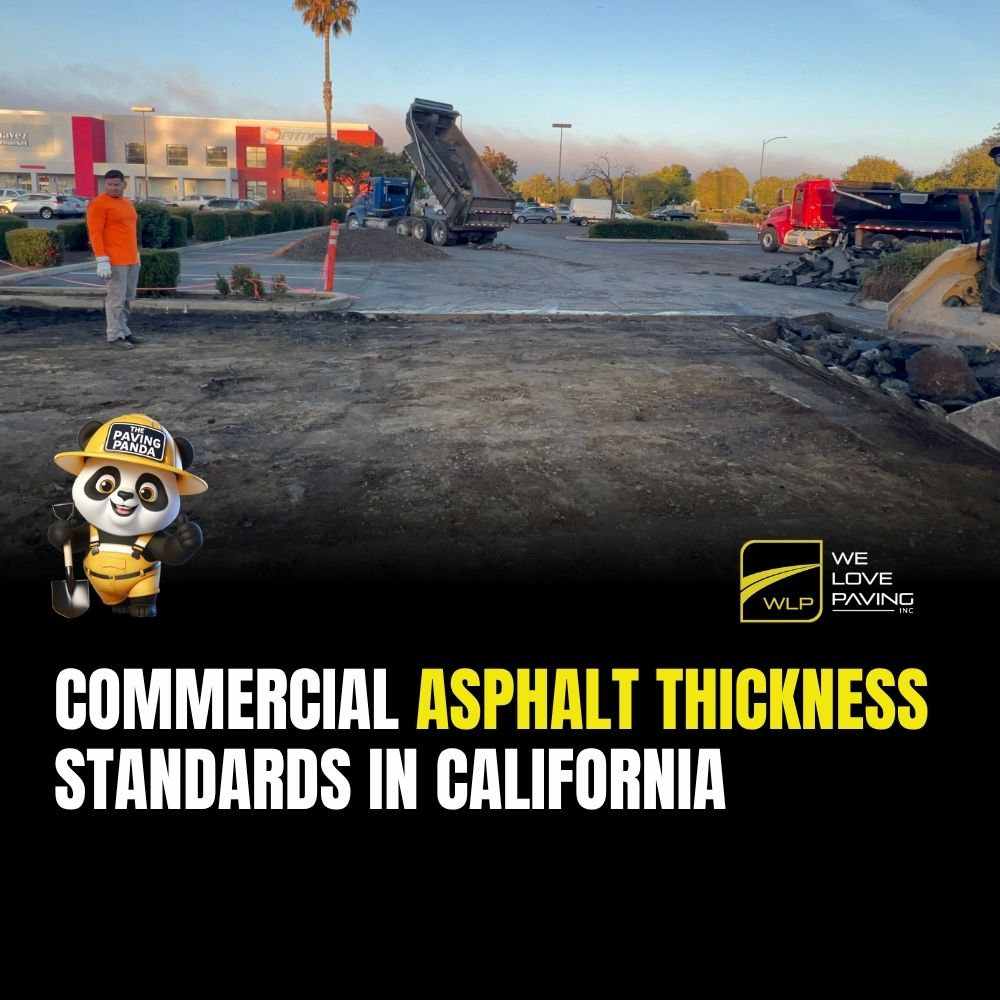
Commercial Asphalt Thickness Standards in California

Commercial Asphalt Thickness Standards in California

November 4, 2025

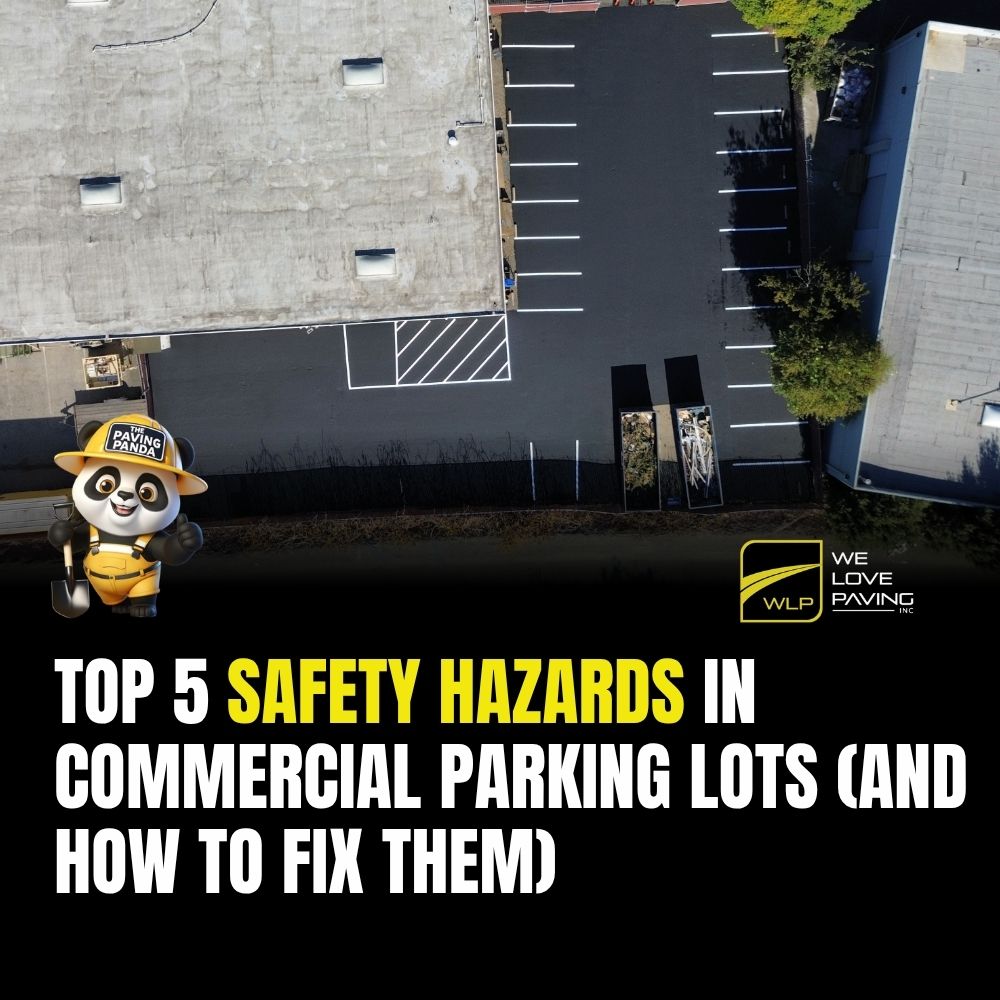
Top 5 Safety Hazards in Commercial Parking Lots (and How to Fix Them)

Top 5 Safety Hazards in Commercial Parking Lots (and How to Fix Them)

November 1, 2025

Your parking lot is more than a place to park — it’s the first and last part of your property that every visitor experiences.And if it’s not maintained properly, it can quickly become a liability nightmare. From trip hazards to poor visibility, these seemingly small issues can lead to accidents, lawsuits, and damaged reputations.Here are

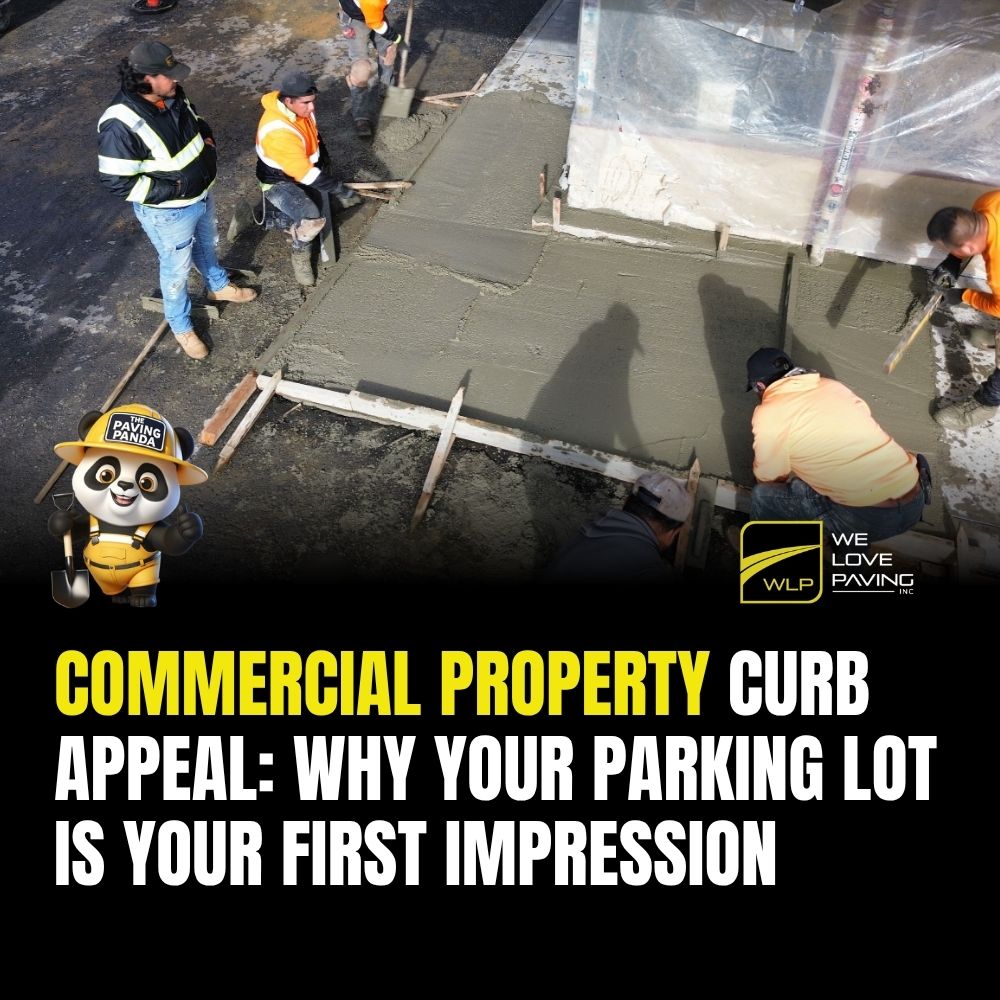
Commercial Property Curb Appeal: Why Your Parking Lot Is Your First Impression

Commercial Property Curb Appeal: Why Your Parking Lot Is Your First Impression

November 1, 2025

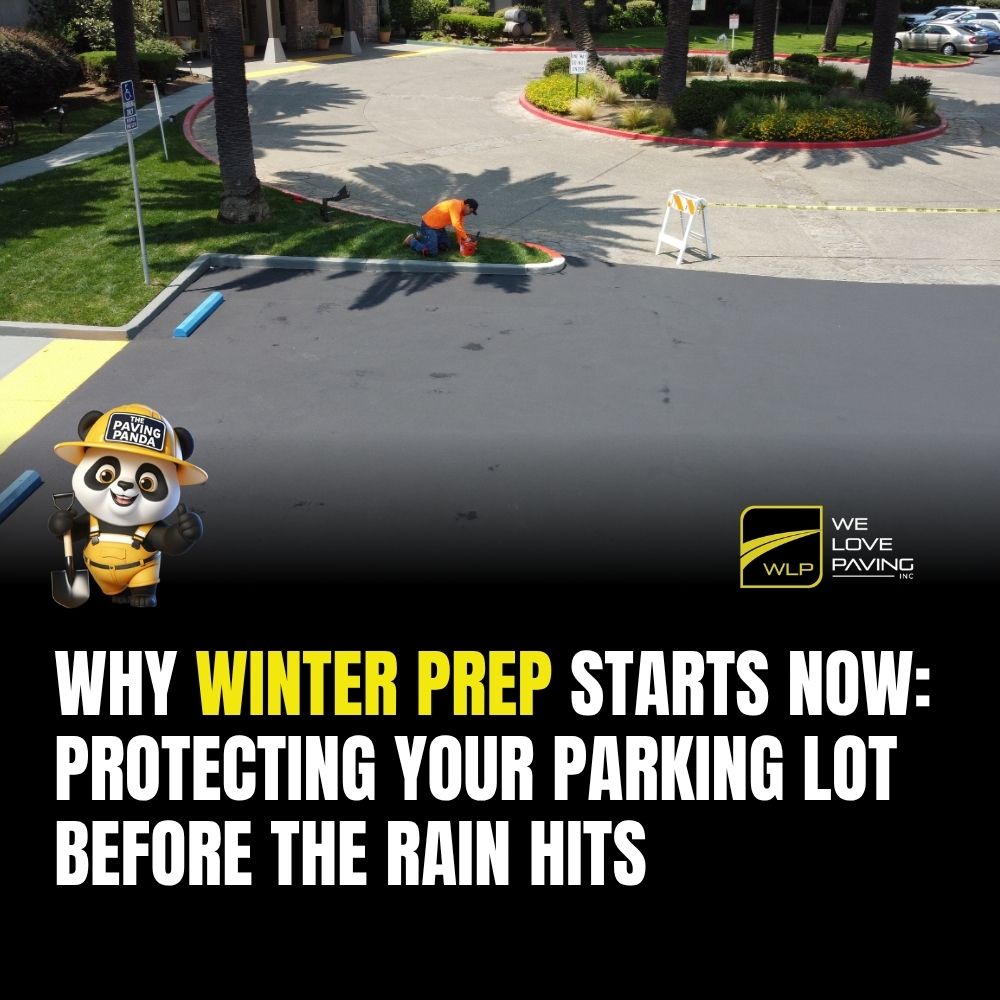
Why Winter Prep Starts Now: Protecting Your Parking Lot Before the Rain Hits

Why Winter Prep Starts Now: Protecting Your Parking Lot Before the Rain Hits

November 1, 2025

Pavement Density Testing: Why Compaction Is the #1 Factor in Asphalt Longevity

October 30, 2025

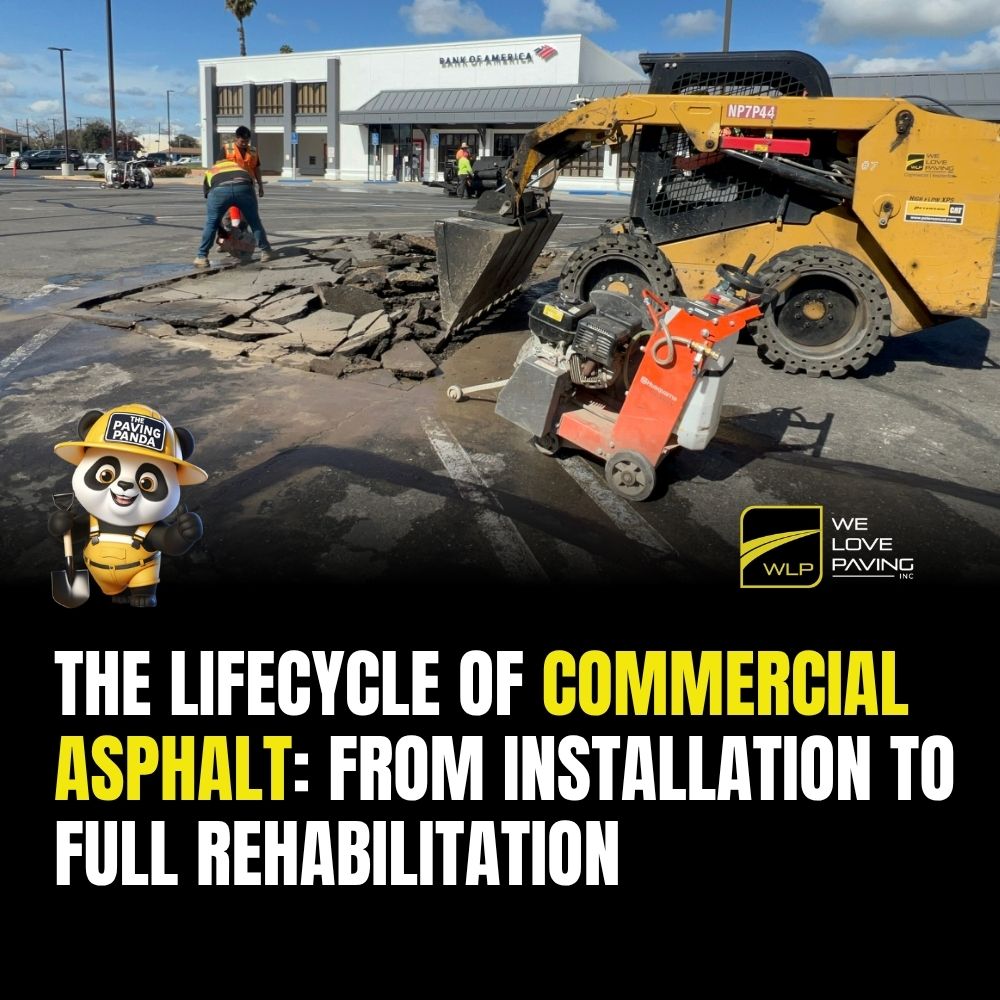
The Lifecycle of Commercial Asphalt: From Installation to Full Rehabilitation

The Lifecycle of Commercial Asphalt: From Installation to Full Rehabilitation

October 30, 2025

Why Understanding Pavement Lifecycle Matters Every parking lot and roadway has a lifespan — but how long it lasts depends on how it’s designed, installed, and maintained.For property owners and facility managers, understanding the lifecycle of asphalt pavement is key to planning budgets, extending surface life, and avoiding costly full replacements. At We Love Paving,

The Ultimate Parking Lot Maintenance Checklist for Northern California Property Managers

The Ultimate Parking Lot Maintenance Checklist for Northern California Property Managers

October 27, 2025

Previous Next