Many parking lot accessibility problems are not noticed until complaints, inspections, or liability concerns begin affecting the property.
Commercial properties often develop ADA-related issues gradually over time. Pavement settles, striping fades, sidewalks shift slightly, and parking areas lose visibility or proper accessibility spacing. Because the deterioration happens slowly, many owners assume the site still meets accessibility standards until problems become more obvious.
The challenge is that ADA compliance is not limited to ramps or signage alone. Accessibility issues often involve how the entire parking lot functions day to day for tenants, visitors, customers, and pedestrians.
For commercial properties, regular ADA evaluations help identify accessibility concerns before they become operational, legal, or safety problems.
Parking Lot Accessibility Problems Usually Develop Gradually
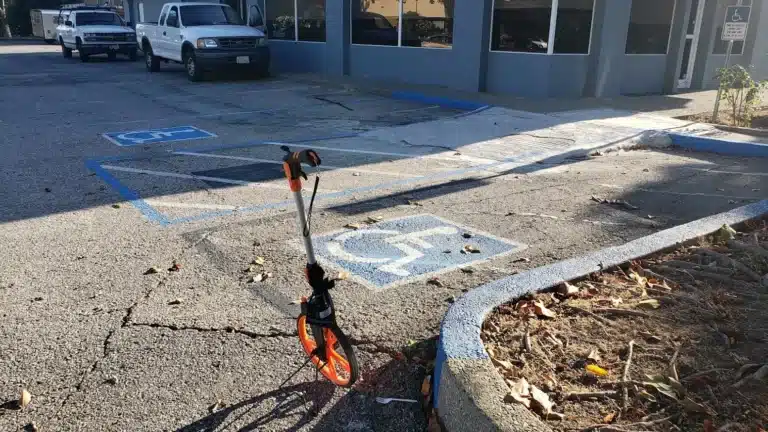
Many accessibility issues begin with ordinary pavement wear.
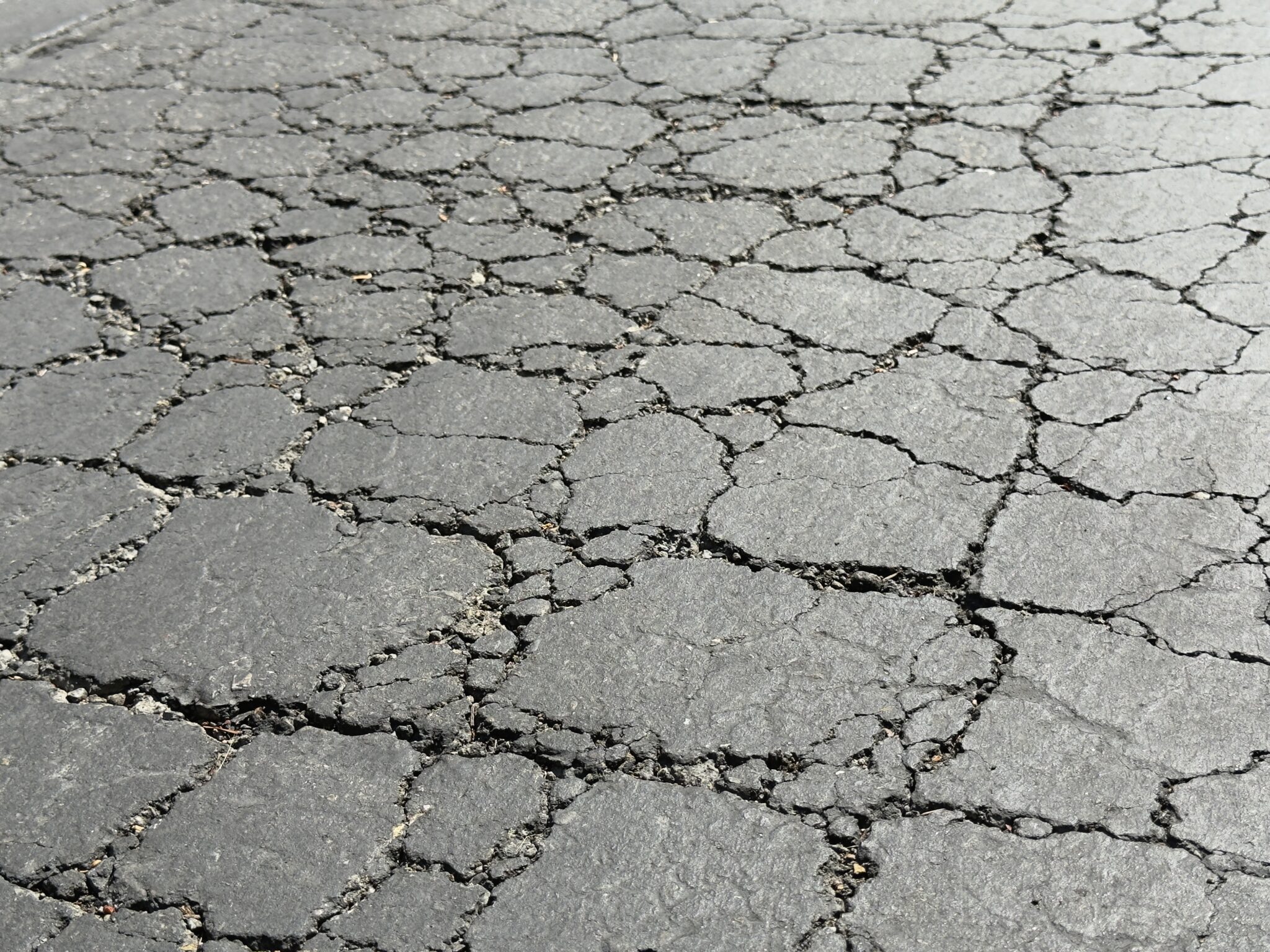
Parking lots exposed to weather, vehicle traffic, and long-term surface movement gradually become less consistent over time. Small elevation differences, unstable pavement transitions, worn markings, and damaged access routes can eventually interfere with safe pedestrian movement throughout the property.
Owners often overlook these conditions because they do not immediately stop the parking lot from functioning.
Common warning signs include:
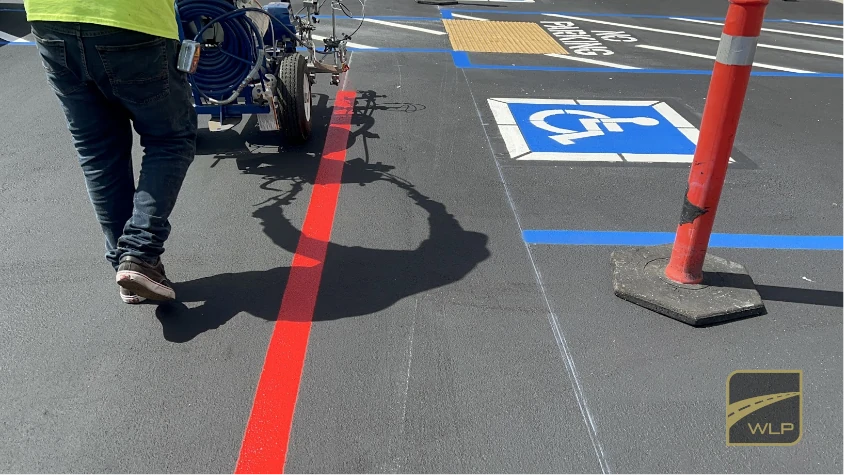
- faded ADA parking markings,
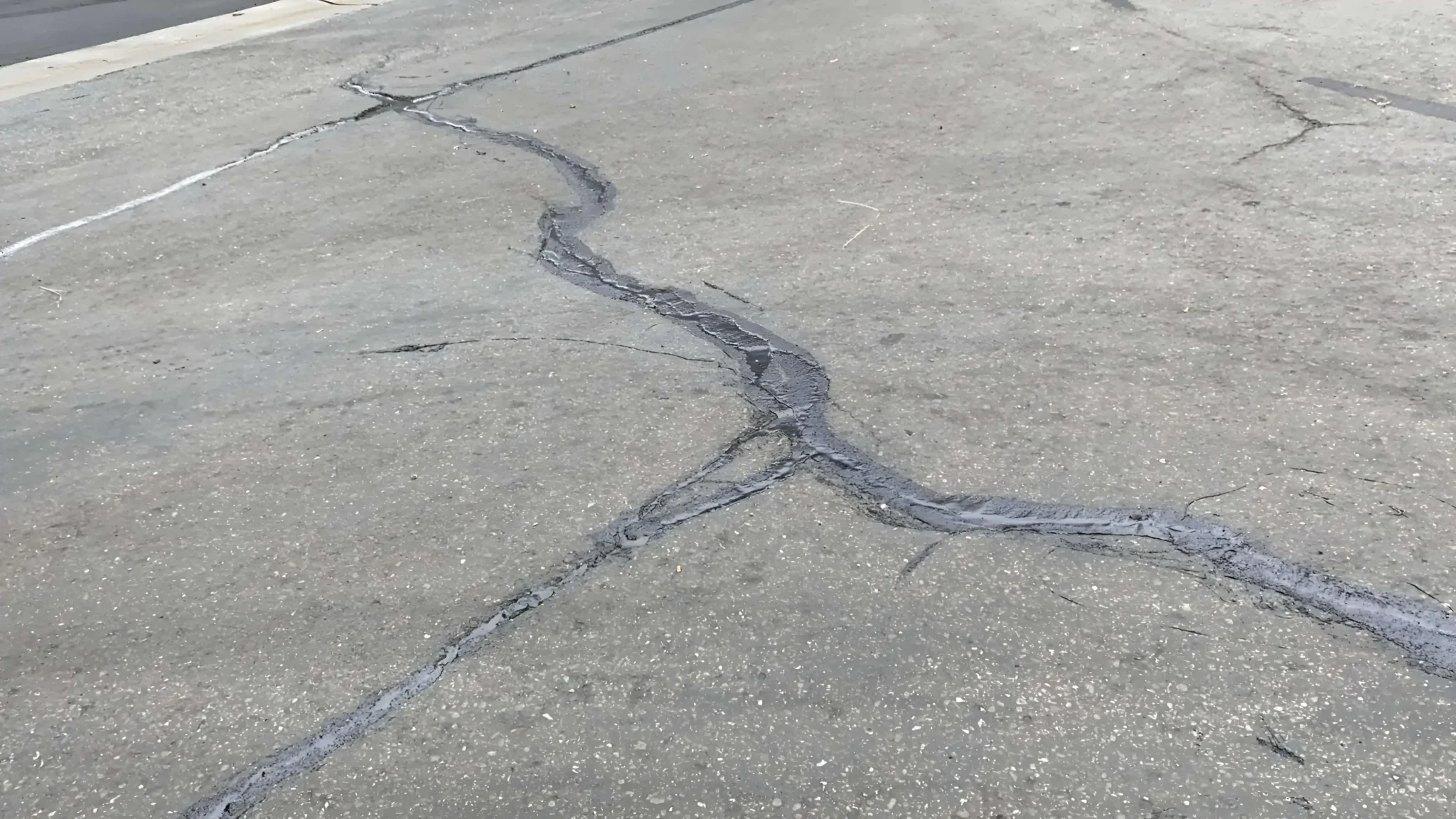
- cracked access aisles,
- uneven sidewalk connections,
- damaged curb ramps,
- missing accessibility signage.
These problems tend to become more noticeable in older commercial properties where pavement movement and surface wear have accumulated over multiple years.
For many sites, recurring accessibility concerns eventually lead owners to schedule broader ADA inspections before violations or complaints begin affecting the property.
Surface Conditions Affect Accessibility More Than Many Owners Realize
Accessibility is heavily influenced by pavement condition.
Parking lots with rough surfaces, unstable transitions, standing water, or deteriorating pedestrian routes often become harder to navigate safely for individuals using wheelchairs, walkers, or other mobility assistance devices.
This becomes especially noticeable near entrances, loading zones, ramps, and pedestrian crossings where surface consistency matters most.
One common issue in commercial properties is that accessibility routes slowly become uneven as asphalt settles or concrete sections shift independently over time.
| Parking Lot Issue | Common Accessibility Concern | Potential Risk |
|---|---|---|
| Faded ADA striping | Poor parking visibility | Improper space usage |
| Uneven pavement | Difficult wheelchair movement | Trip hazards |
| Damaged curb ramps | Limited pedestrian access | Accessibility complaints |
| Standing water near access aisles | Unsafe walking conditions | Slip risks |
| Missing signage | Confusing accessibility layout | Compliance exposure |
Properties that postpone pavement maintenance often discover that accessibility issues become more expensive once multiple areas of the site require correction simultaneously.
For many commercial properties, recurring surface deterioration eventually overlaps with larger paving maintenance planning as accessibility concerns spread across the parking lot.
ADA Compliance Problems Often Affect Property Operations
Accessibility issues create more than inspection concerns.
Commercial properties depend on predictable traffic flow, safe pedestrian access, and organized parking conditions every day. When accessibility routes become damaged or difficult to navigate, the entire property experience can become less functional for tenants and visitors.
Property managers frequently notice operational problems through:
tenant complaints,
confusing parking behavior,
pedestrian congestion,
or recurring drainage issues near accessible spaces.
In some properties, faded striping and damaged pavement transitions also create uncertainty about whether parking areas are still properly configured for ADA accessibility requirements.
That uncertainty often increases liability concerns because accessibility issues tend to attract more attention once pedestrian movement becomes visibly difficult or unsafe.
For many commercial sites, recurring parking lot deterioration eventually leads owners to evaluate broader parking lot paving improvements as part of long-term accessibility planning.
Accessibility Maintenance Is Easier Before Conditions Worsen
One of the biggest mistakes property owners make is assuming accessibility issues only matter during inspections.
In reality, parking lot accessibility changes gradually as pavement conditions evolve over time. Small surface shifts, faded markings, and drainage problems often remain manageable early on but become more disruptive once deterioration spreads across multiple pedestrian areas.
Commercial properties that inspect accessibility conditions regularly usually identify problems earlier, before:
surface instability,
trip hazards,
or parking configuration concerns begin affecting daily operations.
That approach typically reduces long-term disruption while helping properties maintain safer and more organized parking environments overall.
Why ADA Compliance Checklists Matter for Commercial Properties
ADA accessibility is not a one-time pavement requirement.
Parking lots change continuously because of weather exposure, traffic patterns, surface wear, and long-term settlement. Without periodic evaluation, commercial properties can gradually develop accessibility problems that become harder to correct later.
For many property owners, using an ADA compliance checklist helps identify parking lot issues before they begin affecting safety, pedestrian access, property operations, and long-term maintenance planning.