Asphalt paving is more than just laying down black pavement. It’s a precise blend of science, engineering, and craftsmanship aimed at creating durable and reliable roadways. In this article, we delve into the intricacies of asphalt paving, exploring its composition, construction process, benefits, and challenges.
Understanding Asphalt
Composition
Asphalt, also known as bitumen, is a sticky, black, and highly viscous liquid or semi-solid form of petroleum. It’s derived from crude oil through a refining process.
Aggregate
Asphalt is mixed with aggregate materials like gravel, sand, and crushed stone to form what’s known as asphalt concrete, the primary material used in paving roads.
The Paving Process
Preparation
Before paving begins, the site must be properly prepared. This involves clearing the area, grading the surface to ensure proper drainage, and compacting the soil.
Base Layer
A base layer of aggregate is laid down and compacted to provide a stable foundation for the asphalt pavement.
Asphalt Application
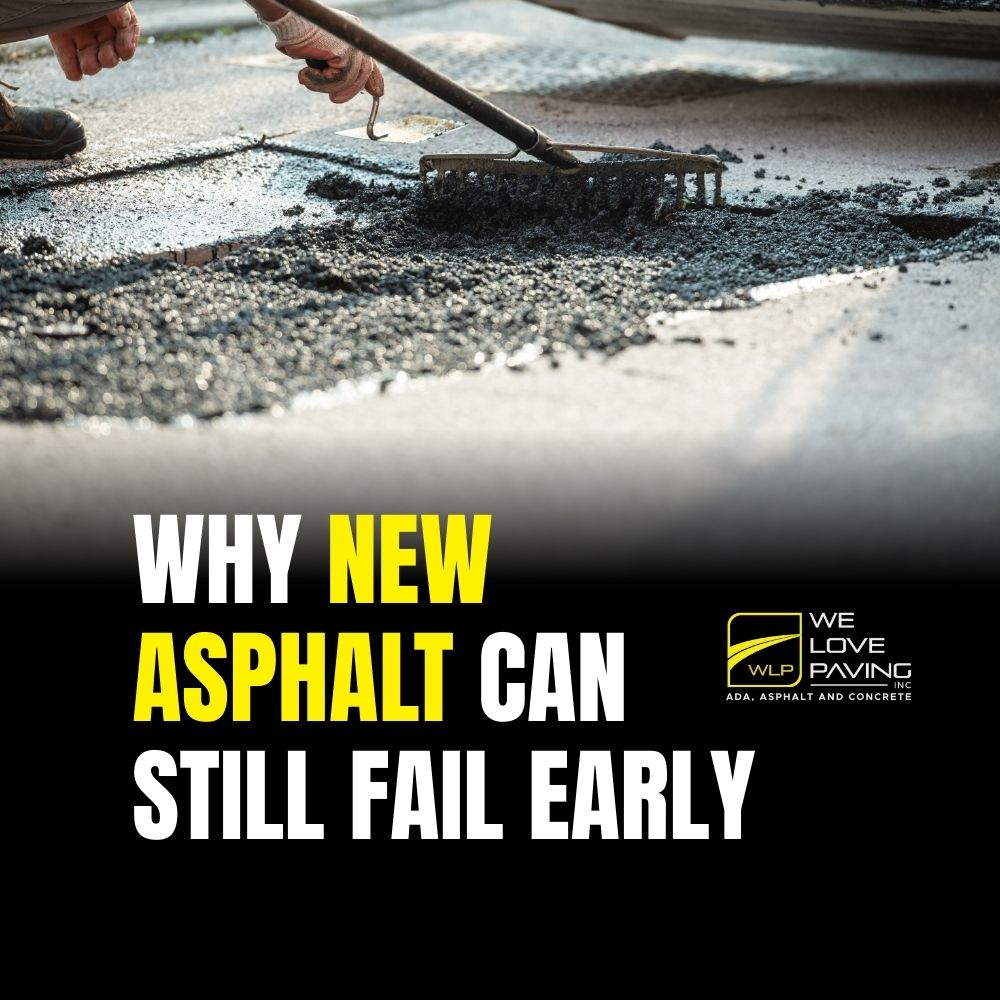
Hot-mix asphalt is then heated and applied onto the prepared surface using specialized machinery. The asphalt is spread evenly and compacted to achieve the desired thickness and density.
Finishing Touches
Once the asphalt is laid, it’s smoothed and leveled using rollers. Markings, such as lane lines and symbols, are then applied as necessary.
Benefits of Asphalt Paving
Durability
Properly constructed asphalt pavements can withstand heavy traffic loads and adverse weather conditions, lasting for decades with minimal maintenance.
Smooth Ride
Asphalt provides a smooth and comfortable driving surface, reducing wear and tear on vehicles and improving fuel efficiency.
Quick Installation
Unlike concrete, which requires time to cure, asphalt pavements can be opened to traffic shortly after construction, minimizing disruption to road users.
Challenges and Considerations
Maintenance
While asphalt is durable, it requires periodic maintenance to prevent deterioration. This may include crack sealing, pothole patching, and periodic resurfacing.
Environmental Impact
Asphalt production and paving operations can have environmental implications, such as air and noise pollution, as well as concerns about resource depletion.
Innovations in Asphalt Technology
Warm Mix Asphalt
This technology allows for asphalt to be mixed and laid at lower temperatures, reducing energy consumption and emissions during production.
Recycled Asphalt
Recycling old asphalt pavements into new mixes not only conserves natural resources but also reduces waste disposal and lowers costs.
Conclusion
Asphalt paving is a vital aspect of modern infrastructure, providing the foundation for our transportation networks. By understanding the science behind asphalt and embracing technological innovations, we can continue to build roads that are safe, durable, and sustainable for generations to come.