Do i Need A Permit For A Driveway?

If you’re considering installing or renovating a driveway, one of the first questions you might ask yourself is, “Do I need a permit for this project?” The short answer is: it depends. Regulations regarding driveway permits vary depending on your location, the scope of the project, and local government requirements. Here, we’ll break down the key factors to help you navigate the process.


Why Permits Matter

Permits are legal authorizations issued by local governments to ensure that construction projects comply with zoning laws, building codes, and safety regulations. Driveway permits, in particular, help maintain public safety, manage water runoff, and preserve property values in the area.

Failing to obtain the necessary permits can result in fines, delays, and even the removal of your newly installed driveway. It’s always better to check and comply with regulations before starting any construction.


Factors That Determine Permit Requirements

Several factors influence whether you need a permit for your driveway project:

1. Location

  • Urban areas and municipalities are more likely to require permits due to stricter zoning laws.

  • Rural areas may have fewer restrictions, but it’s still wise to check with local authorities.

2. Type of Work

  • New Installation: A permit is almost always required when installing a new driveway, especially if it connects to a public road.

  • Resurfacing or Repairs: Minor repairs or resurfacing often don’t require permits, but extensive changes to the size, material, or structure might.

  • Expansion or Relocation: If you’re expanding or relocating your driveway, a permit will likely be necessary.

3. Material Used

  • Different materials (e.g., asphalt, concrete, gravel) may have specific requirements, especially in areas prone to flooding or erosion.

4. Drainage Considerations

  • Driveways can impact local drainage systems. Permits help ensure that your project doesn’t cause water runoff problems for your neighbors or public roads.

5. Connection to Public Infrastructure

  • Any project that alters sidewalks, curbs, or access to public roads usually requires a permit.


How to Check Permit Requirements

1. Contact Your Local Building Department

  • Start by reaching out to your city or county building department. They can provide specific information about permit requirements in your area.

2. Review Zoning Regulations

  • Check local zoning laws to see if your property’s location or classification affects your driveway plans.

3. Consult with Professionals

  • Contractors or paving companies often have experience with local permitting processes and can guide you through the requirements.

4. Search Online

  • Many municipalities provide guidelines and application forms on their websites.


The Permit Application Process

If a permit is required, here’s what you can typically expect:

  1. Submit an Application: Provide details about your project, including plans, dimensions, and materials.

  2. Pay Fees: Permit fees vary by location but usually range from $50 to $200.

  3. Inspection: An inspector may visit the site before, during, or after the project to ensure compliance.

  4. Approval: Once approved, you’ll receive the permit and can begin construction.


Exceptions and Special Cases

In some cases, you may not need a permit. For example:

  • Gravel Driveways: Some municipalities do not require permits for gravel driveways due to their simplicity.

  • Private Property Projects: If the driveway is entirely on private property and doesn’t affect public roads, permits may not be necessary.

However, always double-check local regulations to avoid surprises.


Conclusion

While obtaining a permit for a driveway might seem like a hassle, it’s an essential step to ensure your project complies with local laws and safety standards. By understanding the requirements and working with local authorities or professionals, you can save time, avoid fines, and create a driveway that meets both functional and legal expectations. Before starting your project, take the time to research and plan—your future self (and your neighbors) will thank you!
Share

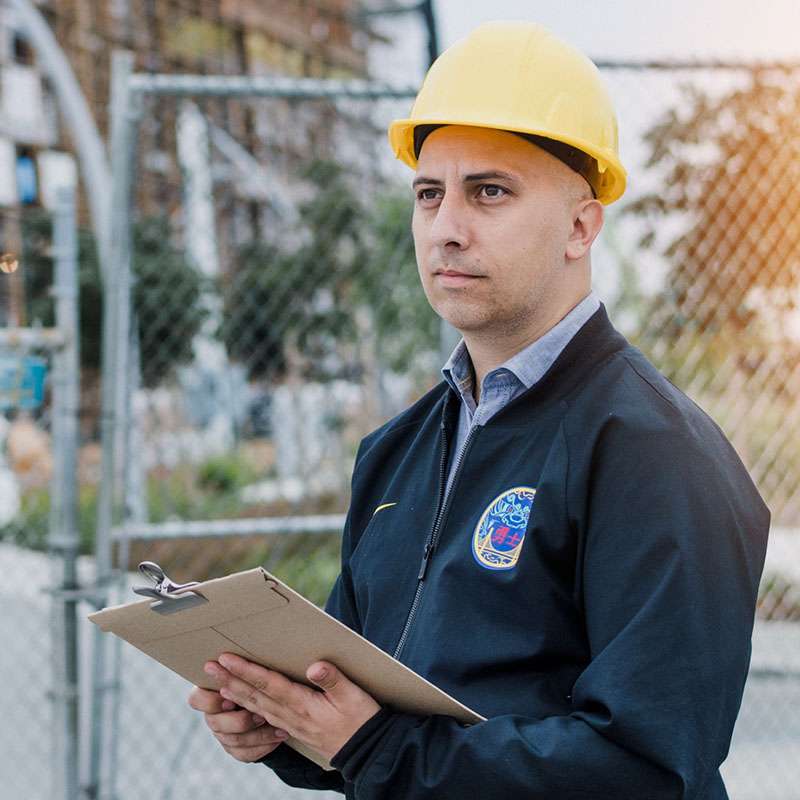
WHO IS FRED?

Fred, Regional Operations Manager, comes from a family of immigrant roots and a story built on sacrifice, discipline, and hard work. Growing up, Fred watched his parents work long hours and weekends to create a better future teaching him the values of perseverance, determination, and doing things the right way every single time.
We Love Paving began with Fred’s father, who started doing what he knew best: paving. Over the years, he built experience alongside respected professionals in the industry, refining his methods and developing a reputation for quality work that speaks for itself. As his clientele grew, so did the vision one built not only on skill, but on integrity and pride in every job.

Posts that might interest you

How Close to My Property Line Can I Pour Concrete?

How Close to My Property Line Can I Pour Concrete?

June 28, 2024

Pouring concrete close to your property line is a common issue for homeowners looking to enhance their outdoor spaces. Whether it’s for a driveway, patio, or walkway, understanding the legal and practical considerations is crucial to avoid disputes with neighbors and comply with local regulations. This guide explores the key factors influencing how close you

How to Fix a Crumbling Concrete Driveway: The Ultimate Repair Guide

How to Fix a Crumbling Concrete Driveway: The Ultimate Repair Guide

June 27, 2024

When a concrete driveway starts to crumble, it’s more than a cosmetic issue—it’s a warning sign that the surface is losing its structural integrity. Left untreated, it can lead to major damage, higher repair costs, and safety hazards. Whether you’re a homeowner or manage a commercial property, this guide will show you how to restore

Do You Need a Permit to Replace a Driveway? A Comprehensive Guide

Do You Need a Permit to Replace a Driveway? A Comprehensive Guide

June 25, 2024

Replacing a driveway is a significant home improvement project that can enhance curb appeal, increase property value, and improve functionality. However, before you start tearing up your old driveway and pouring new concrete or laying pavers, it’s crucial to understand the legal and regulatory requirements involved. One of the most common questions homeowners have is

Steps Involved in Asphalt Paving

Steps Involved in Asphalt Paving

June 25, 2024

Asphalt paving is a necessary part of the construction industry. It’s a versatile material used to build roads, parking lots, and driveways. Understanding the steps involved in asphalt paving will help you choose the right pavement for your needs. Asphalt is an extremely durable material that withstands traffic and the elements. It is also environmentally

The Cost of Asphalt Cutting Per Linear Foot: What to Expect

The Cost of Asphalt Cutting Per Linear Foot: What to Expect

June 24, 2024

When it comes to construction and repair projects, asphalt cutting is often a necessary task, whether for roadworks, driveways, or other paved surfaces. Understanding the cost involved in asphalt cutting per linear foot can help you budget more accurately for your project. This article will break down the factors affecting these costs and provide a

The Best Base for an Asphalt Driveway: A Comprehensive Guide

The Best Base for an Asphalt Driveway: A Comprehensive Guide

June 24, 2024

What Do You Lay Under Asphalt?

What Do You Lay Under Asphalt?

June 24, 2024

The Process of Asphalt Paving

The Process of Asphalt Paving

June 19, 2024

Asphalt Paving is a complex process that involves numerous stages. A good paving contractor will be willing to walk you through their work processes and answer any questions. Inquire about an asphalt paving contractor’s license, worker’s compensation, and liability insurance. Ask them to provide references and project examples. Also, ask about their education and training.

Understanding the Concrete Business: A Comprehensive Overview

Understanding the Concrete Business: A Comprehensive Overview

June 18, 2024

The term “concrete business” encompasses a wide range of activities within the construction industry. From the production and delivery of ready-mixed concrete to the construction of roads, buildings, and other infrastructure projects, businesses involved in concrete play a crucial role in shaping the built environment. This article delves into the definition of a concrete business,

How Much Does it Cost to Pave One Mile of Road in California?

How Much Does it Cost to Pave One Mile of Road in California?

June 17, 2024

Paving a mile of road in California is a complex process influenced by various factors, including materials, labor, equipment, environmental regulations, and the geographical characteristics of the area. Understanding the costs involved requires breaking down these factors and examining them in detail. This blog delves into the intricacies of road paving in California, providing a

Previous Next