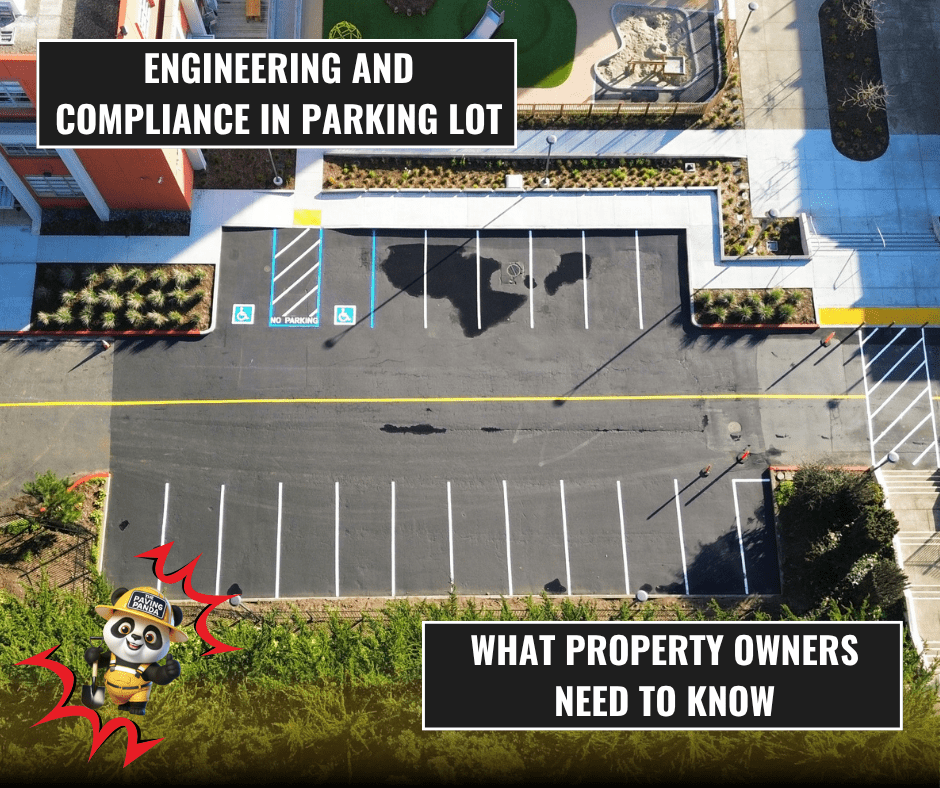
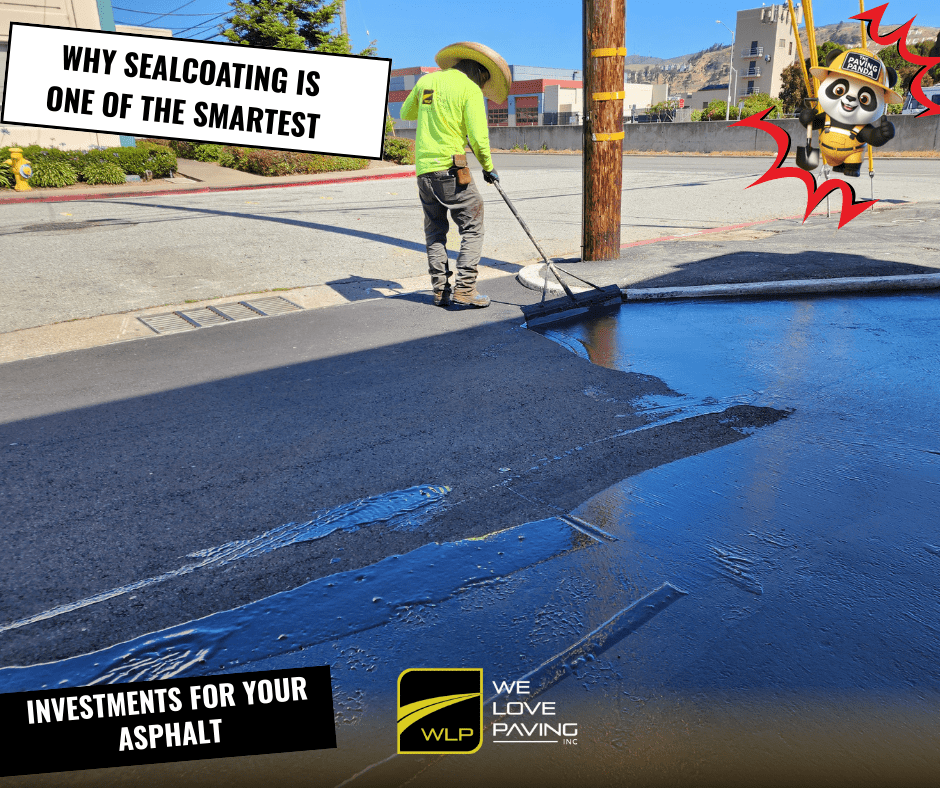
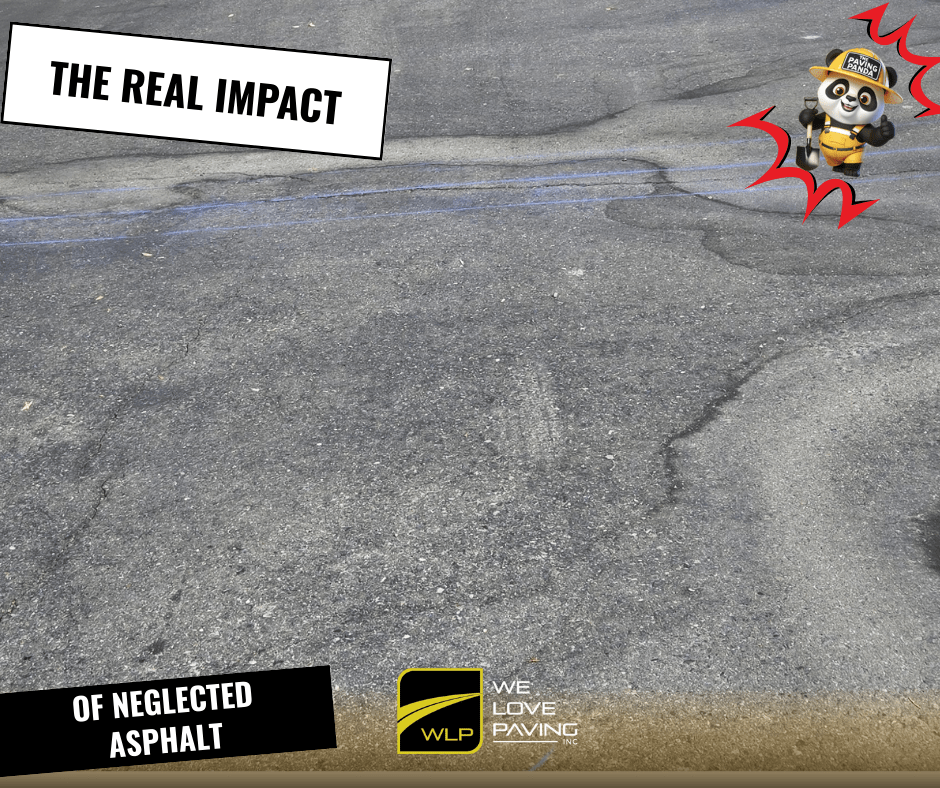
Standing water is often treated as a minor inconvenience.
If the pooling is shallow or disappears after a few hours, it is easy to assume it is harmless. In reality, standing water is one of the most reliable indicators that a parking lot is already under stress.
Water does not need to look severe to cause damage. Even small, recurring pooling can significantly shorten pavement lifespan.
Water Is the Primary Enemy of Asphalt
Asphalt is designed to shed water, not hold it.
When water remains on the surface, it eventually finds a way into the pavement structure through:
-
Microcracks
-
Joints and edges
-
Surface imperfections
Once water penetrates the pavement, it begins weakening the layers below. This process starts quietly and accelerates over time.
Standing Water Signals Drainage or Slope Problems
Pooling water usually points to underlying issues, such as:
-
Improper surface slopes
-
Low spots caused by settlement
-
Inadequate drainage design
-
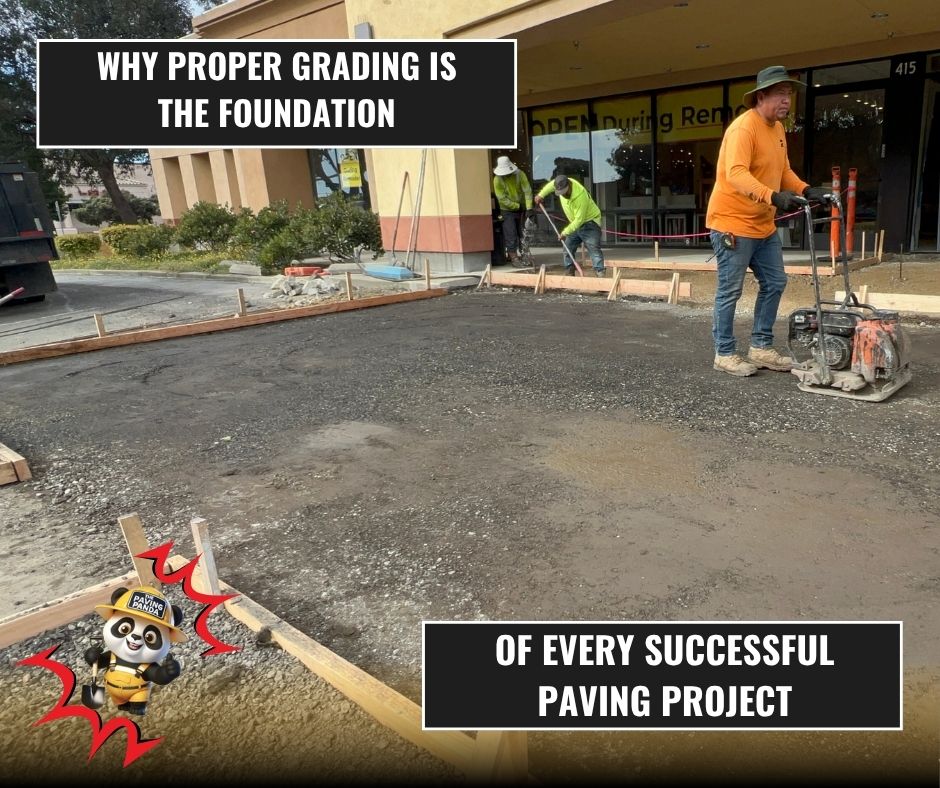
Degraded base materials
Even when the asphalt surface looks intact, standing water often means the pavement is no longer draining as designed.
Water Weakens the Base Layer First
The most critical damage caused by standing water occurs below the surface.
When the base layer becomes saturated:
-
It loses load-bearing strength
-
Pavement begins to flex under traffic
-
Settlement becomes more likely
This movement creates stress in the asphalt above, leading to cracking and deformation.
By the time surface damage becomes visible, base failure is often already underway.
Repeated Traffic Accelerates Damage in Wet Areas
Areas with standing water are subjected to repeated stress.
Each vehicle passing through a pooled area applies pressure that forces water deeper into the pavement structure. Over time, this repeated loading:
-
Enlarges existing weaknesses
-
Expands low spots
-
Increases surface deformation
High-traffic areas with standing water deteriorate significantly faster than dry sections of the same lot.
Standing Water Creates Safety and Compliance Risk
Beyond structural damage, standing water increases risk.
In accessible areas, pooling water can:
-
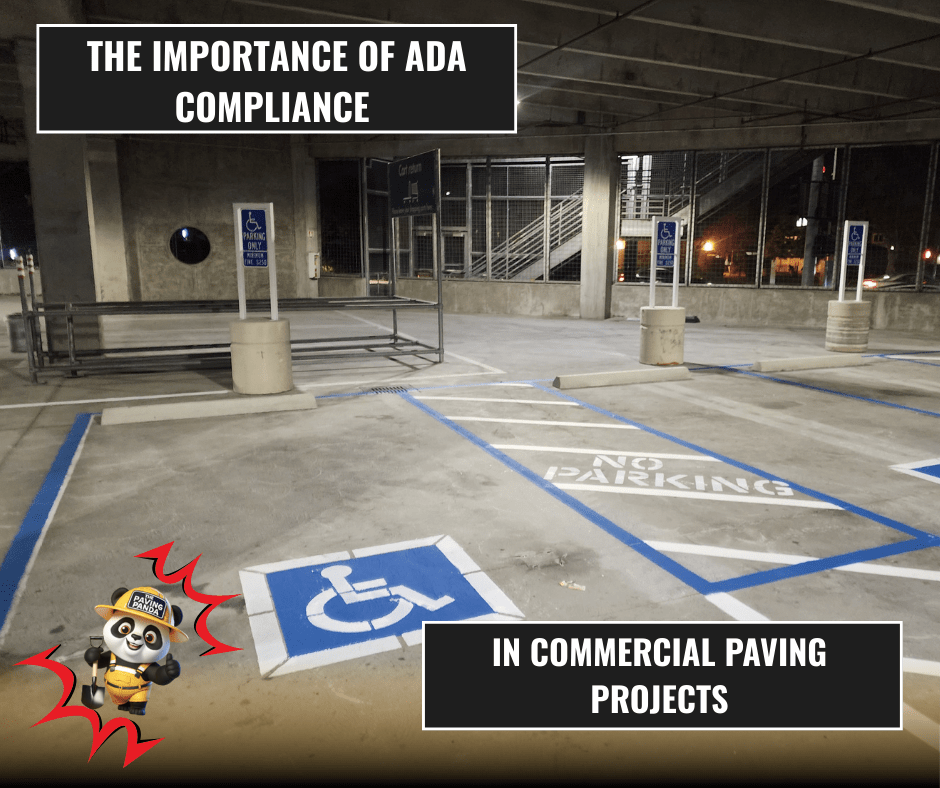
Obstruct accessible routes
-
Create slip hazards
-
Contribute to ADA compliance issues
Even shallow pooling can become enforceable when it interferes with access or proper drainage.
Drainage Issues Rarely Resolve on Their Own
Standing water is not a cosmetic issue that improves with time.
Without intervention, pooling areas tend to:
-
Grow larger
-
Appear more frequently
-
Lead to deeper settlement
What starts as a minor drainage issue often evolves into a structural repair if ignored.
Early Identification Prevents Accelerated Failure
Addressing standing water early allows for:
-
Localized drainage corrections
-
Minor surface adjustments
-
Prevention of base saturation
Early action is far less disruptive and far less costly than waiting for visible pavement failure.
The We Love Paving Perspective
At We Love Paving, standing water is treated as a diagnostic signal — not a surface flaw.
Identifying why water remains on a parking lot allows property owners to:
-
Protect pavement structure
-
Extend service life
-
Reduce long-term repair costs
-
Maintain safer, compliant surfaces
Parking lots rarely fail because of age alone.
They fail because water is allowed to stay where it shouldn’t.