What is the Difference Between Road Asphalt and Driveway Asphalt?

If your driveway is looking cracked, faded, or worn out, you’re likely looking for the most efficient way to restore it. One of the most common questions property owners ask is: Can you put new asphalt over an old asphalt driveway?

The short answer is yes, but it depends heavily on the condition of the existing surface. This process, known as an asphalt overlay, can save you time and money, provided the foundation is solid. To make the best choice for your property, it’s also essential to understand the materials you are working with—including the often-confused difference between cement and concrete.

Is Your Driveway a Candidate for an Asphalt Overlay?

An asphalt overlay involves applying a new layer of hot-mix asphalt (typically 1.5 to 2 inches thick) over your existing driveway. However, this is only a viable solution if:

  1. The Subbase is Stable: If the ground underneath is shifting or sinking, a new layer of asphalt will simply crack in the same spots.
  2. No Major Drainage Issues: An overlay can slightly change the height of your driveway, so water runoff must be managed.
  3. Limited Structural Damage: While an overlay covers surface cracks, it cannot fix “alligator cracking” or deep potholes that reach the foundation.

Understanding Your Materials: Cement vs. Concrete

When discussing resurfacing, many people use the terms “cement” and “concrete” interchangeably, but they are fundamentally different. Knowing the difference helps you understand why asphalt is often a more flexible choice for overlays.

  • What is Cement? Cement is actually an ingredient, not a finished surface. It is a fine powder made of limestone and other minerals that acts as the “glue” or binder.
  • What is Concrete? Concrete is the finished product. It is a mixture of aggregates (sand, gravel, or crushed stone), water, and cement.

Think of it like baking: Cement is the flour, and concrete is the loaf of bread. In the paving world, asphalt acts similarly to concrete, but it uses bitumen (a tar-like petroleum product) as the binder instead of cement.

Why Asphalt Overlay vs. Concrete?

While a concrete surface is extremely durable, it is much harder to “overlay” than asphalt. Concrete is rigid and prone to cracking if the base moves. Asphalt, being more flexible, is better suited for the temperature swings and soil shifts common in California, making it the ideal candidate for a resurfacing project.

The Asphalt Over Asphalt Process

If our experts determine your driveway is suitable for an overlay, the process typically follows these steps:

  • Cleaning and Prep: Removing all debris and weeds from the old surface.
  • Tack Coating: Applying a liquid asphalt binder that acts as “glue” to ensure the new layer bonds perfectly to the old one.
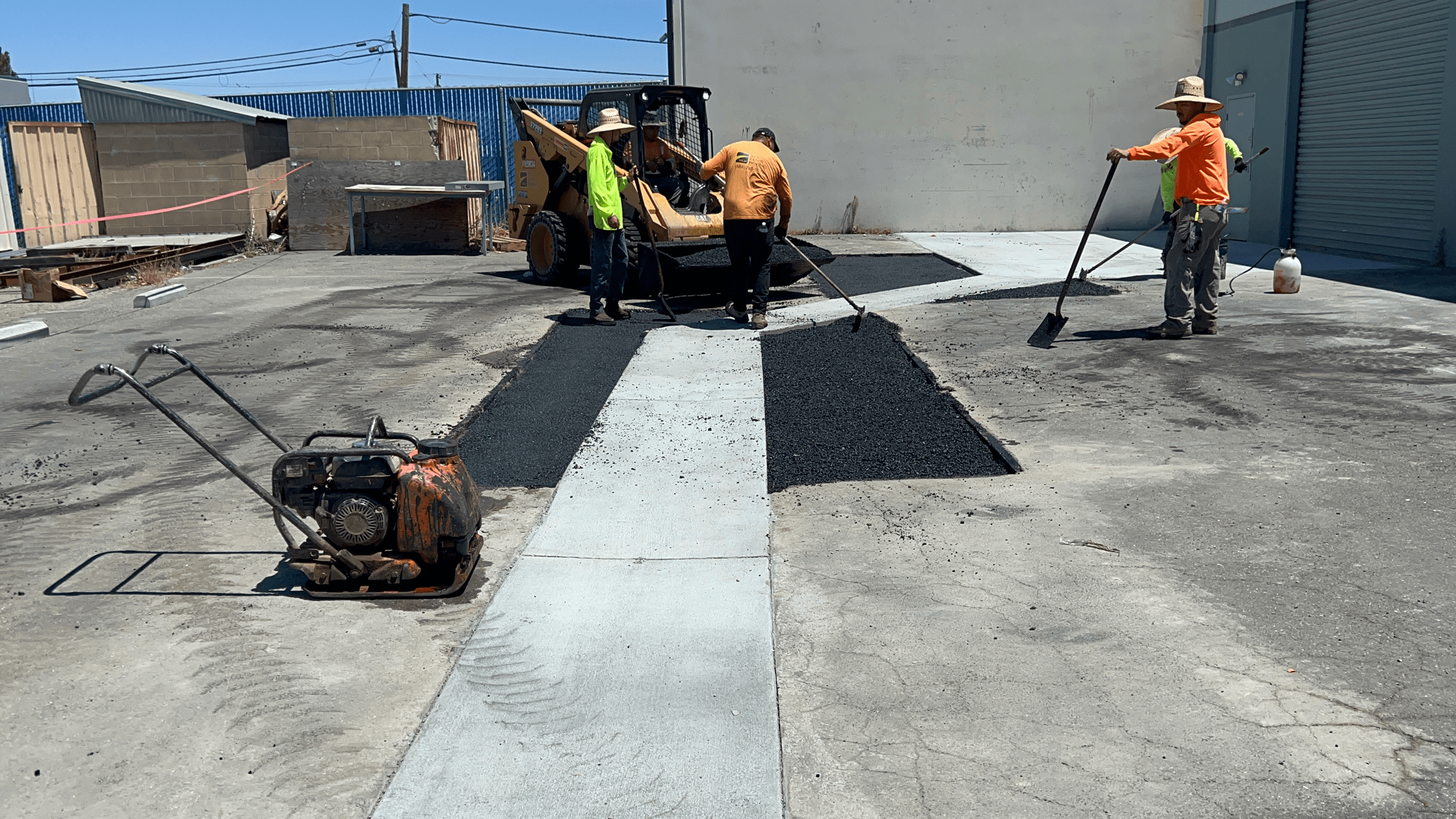
  • Leveling: Filling in low spots or minor depressions to create a smooth base.
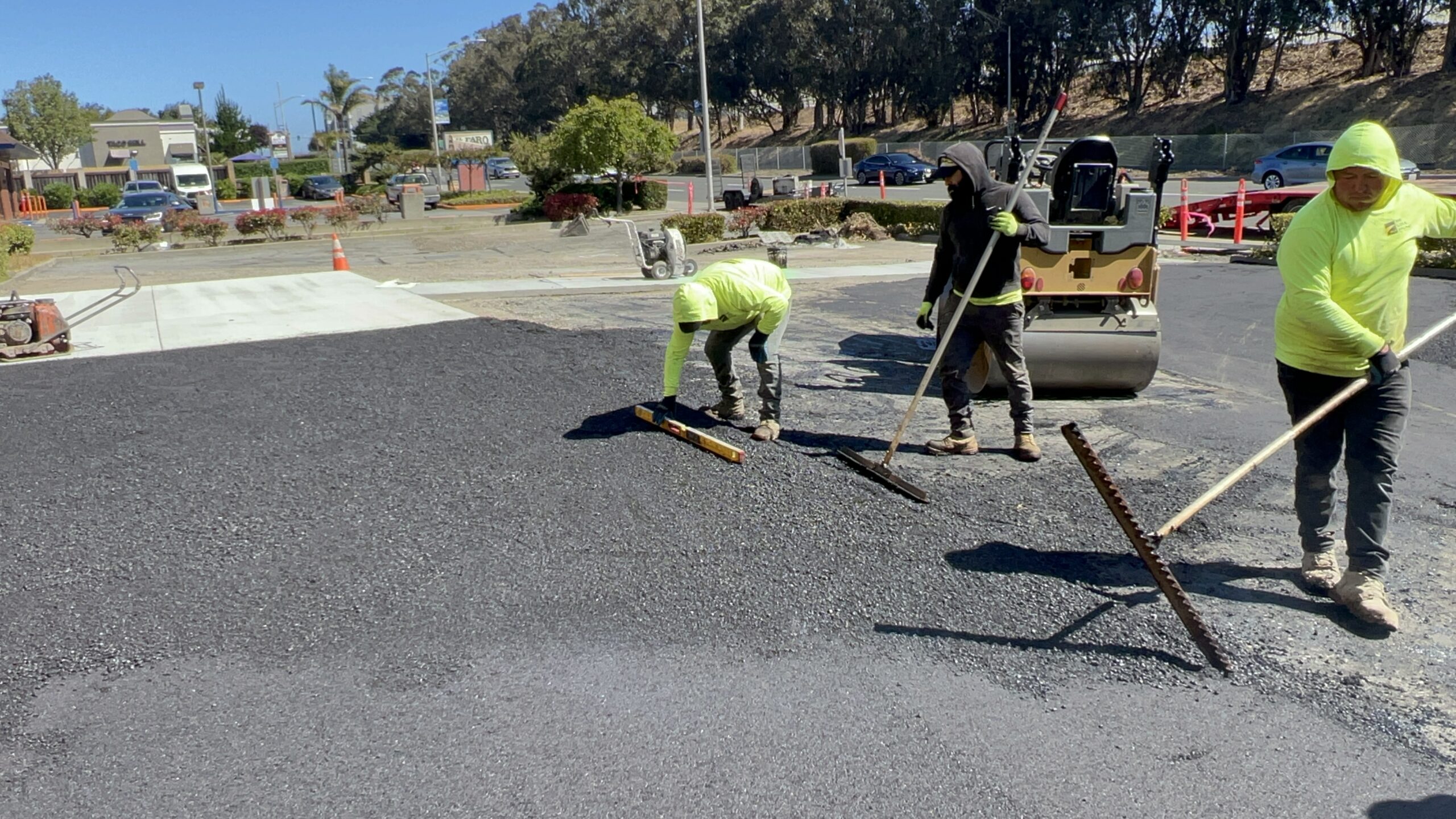
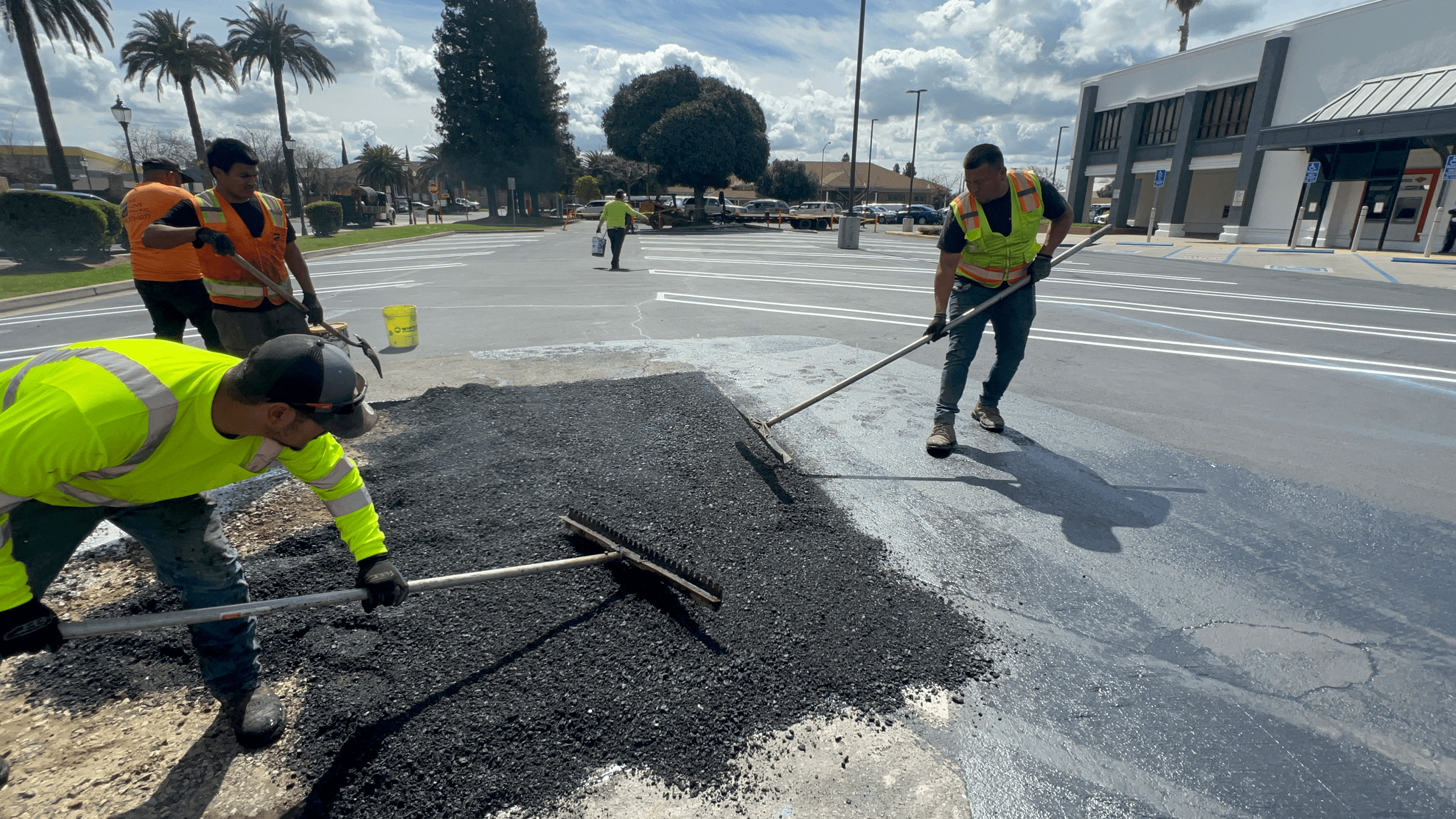
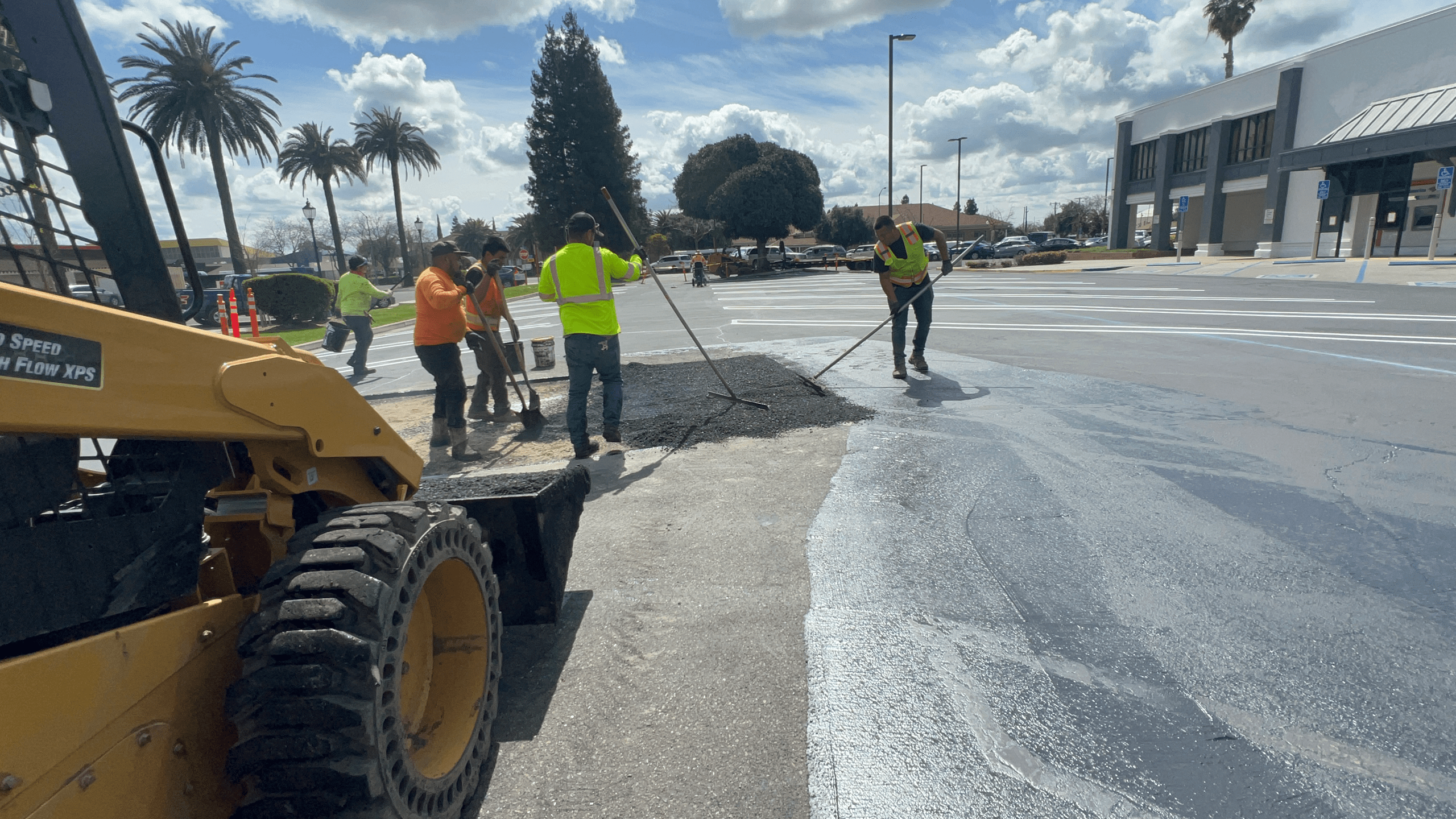
  • The Overlay: Spreading and compacting the new hot-mix asphalt.

When an Overlay Isn’t Enough

If your old asphalt is severely crumbled or the cement-based subbase has failed, a simple overlay will only be a temporary band-aid. In these cases, a full “rip-and-replace” is necessary to ensure your new driveway lasts for the next 20 years.

Conclusion

Asphalting over an old driveway is a smart, cost-effective way to boost curb appeal and functionality. By understanding the difference between your material options—from the binding properties of cement to the durability of finished concrete and asphalt—you can make an informed decision that protects your investment.

Share

WHO IS FRED?

Fred, Regional Operations Manager, comes from a family of immigrant roots and a story built on sacrifice, discipline, and hard work. Growing up, Fred watched his parents work long hours and weekends to create a better future teaching him the values of perseverance, determination, and doing things the right way every single time.
We Love Paving began with Fred’s father, who started doing what he knew best: paving. Over the years, he built experience alongside respected professionals in the industry, refining his methods and developing a reputation for quality work that speaks for itself. As his clientele grew, so did the vision one built not only on skill, but on integrity and pride in every job.

Posts that might interest you

Is Asphalt Good for a Patio?

Is Asphalt Good for a Patio?

August 15, 2024

When it comes to creating outdoor spaces like patios, choosing the right material is crucial for both aesthetics and functionality. While materials like concrete, pavers, and natural stone are often the go-to choices, some homeowners and property owners consider asphalt as an alternative. But is asphalt a good option for a patio? In this blog

How Hot is Asphalt When Poured?

How Hot is Asphalt When Poured?

August 15, 2024

The high temperature of asphalt when poured serves several important purposes: 1. Workability Heating the asphalt to high temperatures makes it pliable and easier to work with. At these temperatures, the bitumen becomes fluid, allowing the mixture to be spread evenly over the surface. This is essential for achieving a smooth, even surface that can

Can I Pour Asphalt Over Concrete?

Can I Pour Asphalt Over Concrete?

July 26, 2024

Asphalt and concrete are two of the most common materials used for paving surfaces like driveways, parking lots, and roadways. Property owners in San Francisco, California, may wonder if it’s possible to pour asphalt over an existing concrete surface and what factors need to be considered. This blog post will delve into the feasibility, benefits,

Is Asphalt Hard to Maintain?

Is Asphalt Hard to Maintain?

July 26, 2024

Asphalt is a popular material for driveways, parking lots, and roadways due to its durability, cost-effectiveness, and ease of installation. However, like any material, it requires maintenance to ensure longevity and optimal performance. In this blog post, we will explore the challenges and best practices of asphalt maintenance to determine whether it is indeed hard

The Rising Cost of Paving: Why 2024 Prices Are Higher Than Ever

The Rising Cost of Paving: Why 2024 Prices Are Higher Than Ever

July 24, 2024

Paving costs have been steadily increasing in recent years, and 2024 has seen a notable spike. This trend has left many property owners scratching their heads and wondering about the factors contributing to the high costs. In this article, we will delve into the main reasons why paving has become so expensive in 2024. Rising

Tips For Maintaining Asphalt Paving

Tips For Maintaining Asphalt Paving

July 23, 2024

Sacramento’s asphalt pavement serves as the backbone of its transportation infrastructure, facilitating mobility and safety. Its smooth surface also reduces noise levels and provides a comfortable driving experience. Choosing the right material for roads, driveways, and parking lots is essential to maintaining safe and efficient road systems. This article explores the specific benefits of asphalt

Do You Need a Permit for a Patio in Sacramento, CA?

Do You Need a Permit for a Patio in Sacramento, CA?

July 22, 2024

Building a patio can be a great addition to your home, providing an outdoor space for relaxation and entertainment. However, before you start planning your patio project in Sacramento, CA, it’s important to understand the local building regulations and permit requirements. This article will guide you through the permit process for building a patio in

What Are the ADA Rights in California?

What Are the ADA Rights in California?

July 19, 2024

The Americans with Disabilities Act (ADA) is a federal law enacted in 1990 to protect the rights of individuals with disabilities. In California, these rights are further reinforced by state laws and regulations, ensuring comprehensive protection and accessibility for all residents. This article explores the ADA rights in California, highlighting the key areas where these

How Do You Fix a Large Crack in an Asphalt Driveway?

How Do You Fix a Large Crack in an Asphalt Driveway?

July 19, 2024

Asphalt driveways are popular due to their durability and aesthetic appeal. However, over time, they can develop cracks due to various factors such as weather conditions, heavy traffic, and underlying soil movement. Large cracks not only detract from the driveway’s appearance but can also lead to more significant damage if left untreated. This article will

The Tax Benefits of Updating Your Parking Lot Pavement: What You Need to Know

The Tax Benefits of Updating Your Parking Lot Pavement: What You Need to Know

July 19, 2024

With the current economic climate, businesses are looking for every possible way to save money and improve their bottom line. One often overlooked avenue for cost savings is the tax benefits of updating your parking lot pavement. Investing in this essential infrastructure can yield significant financial advantages immediately and in the long term. The first

Previous Next