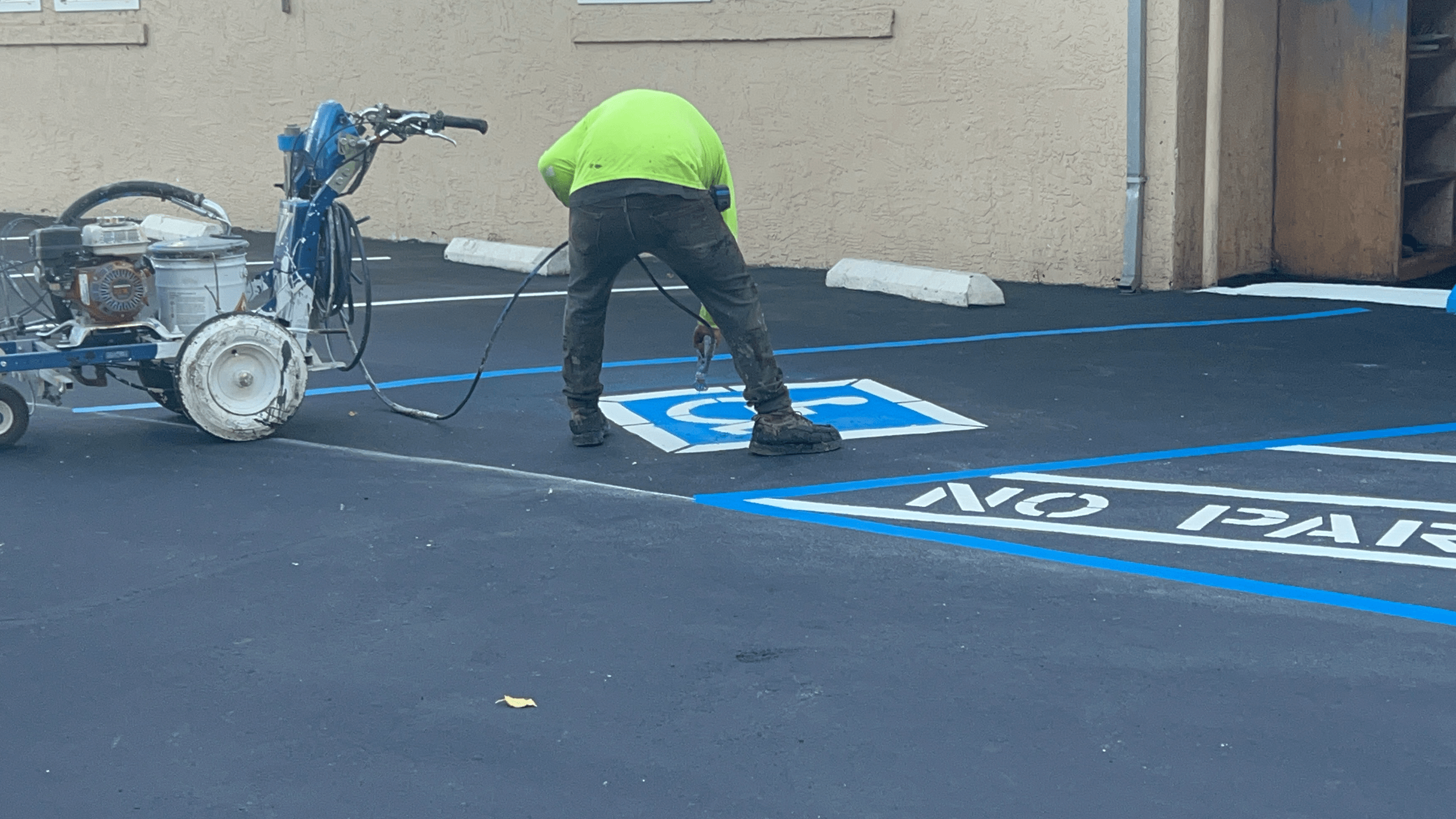
When it comes to enhancing your property with a paved surface, cost is often a major consideration. Whether you’re looking to pave a driveway, patio, walkway, or other outdoor areas, finding a budget-friendly solution that doesn’t compromise on quality is key. While there are numerous paving options available, each with its own set of advantages and drawbacks, some are significantly more affordable than others. In this article, we’ll explore the cheapest forms of paving, discussing their benefits, limitations, and the scenarios in which they are most suitable.
1. Gravel: The Most Cost-Effective Paving Option
Overview:
Gravel is one of the most inexpensive and widely used paving materials. It’s made up of loose stones or pebbles and is often used for driveways, walkways, and even garden paths. Gravel comes in various sizes, colors, and textures, allowing for a degree of customization while still keeping costs low.
Cost:
Gravel is typically priced by the ton, with costs varying depending on the type and size of the stone. On average, gravel costs range from $10 to $50 per ton. For a standard driveway or walkway, the cost per square foot generally falls between $0.50 and $3.00, making it one of the most affordable paving options.
Advantages:
- Low Initial Cost: Gravel is the most affordable paving material, with a low upfront cost for both materials and installation.
- Easy Installation: Gravel is relatively easy to install, and in many cases, it can be a DIY project, further reducing costs.
- Good Drainage: Gravel provides excellent drainage, reducing the risk of water pooling and damage from freeze-thaw cycles.
- Aesthetic Versatility: With various colors and sizes available, gravel can complement a wide range of landscapes and architectural styles.
Limitations:
- Maintenance Requirements: Gravel requires regular maintenance, including replenishing stones that get displaced over time and weeding to keep the surface looking tidy.
- Surface Instability: Gravel can shift and move, especially under heavy traffic, making it less stable than other paving options.
- Not Ideal for High-Traffic Areas: Gravel is not recommended for high-traffic areas or regions where snow removal is necessary, as the stones can get displaced.
Best Uses:
Gravel is ideal for low-traffic driveways, garden paths, and rural properties where a natural, rustic look is desired. It’s also a great choice for areas with good drainage and mild climates.
2. Concrete Pavers: Affordable and Durable
Overview:
Concrete pavers are pre-cast concrete blocks that come in a variety of shapes, sizes, and colors. They can be arranged in different patterns to create attractive and durable paved surfaces. While not as cheap as gravel, concrete pavers offer a good balance between cost, durability, and aesthetics.
Cost:
The cost of concrete pavers typically ranges from $3 to $10 per square foot, depending on the quality, size, and design. Installation costs can vary, especially if professional labor is required, but overall, concrete pavers are a cost-effective option compared to other types of paving.
Advantages:
- Durability: Concrete pavers are strong and long-lasting, capable of withstanding heavy loads and harsh weather conditions.
- Low Maintenance: Once installed, concrete pavers require minimal maintenance. They are resistant to cracking and can be easily replaced if damaged.
- Aesthetic Appeal: Concrete pavers come in a wide range of colors, shapes, and patterns, allowing for creative design possibilities.
- Slip-Resistant: The textured surface of concrete pavers provides good traction, making them a safe choice for walkways and driveways.
Limitations:
- Higher Initial Cost Than Gravel: Although more affordable than many other paving options, concrete pavers are more expensive than gravel.
- Labor-Intensive Installation: Installing concrete pavers can be labor-intensive, particularly if complex patterns are desired. This may increase the overall cost if professional installation is required.
- Weed Growth in Joints: Over time, weeds can grow in the joints between pavers, requiring occasional maintenance.
Best Uses:
Concrete pavers are suitable for driveways, walkways, patios, and pool decks. They are a great choice for homeowners looking for a durable and aesthetically pleasing paving solution without breaking the bank.
3. Asphalt: A Budget-Friendly Option for Driveways
Overview:
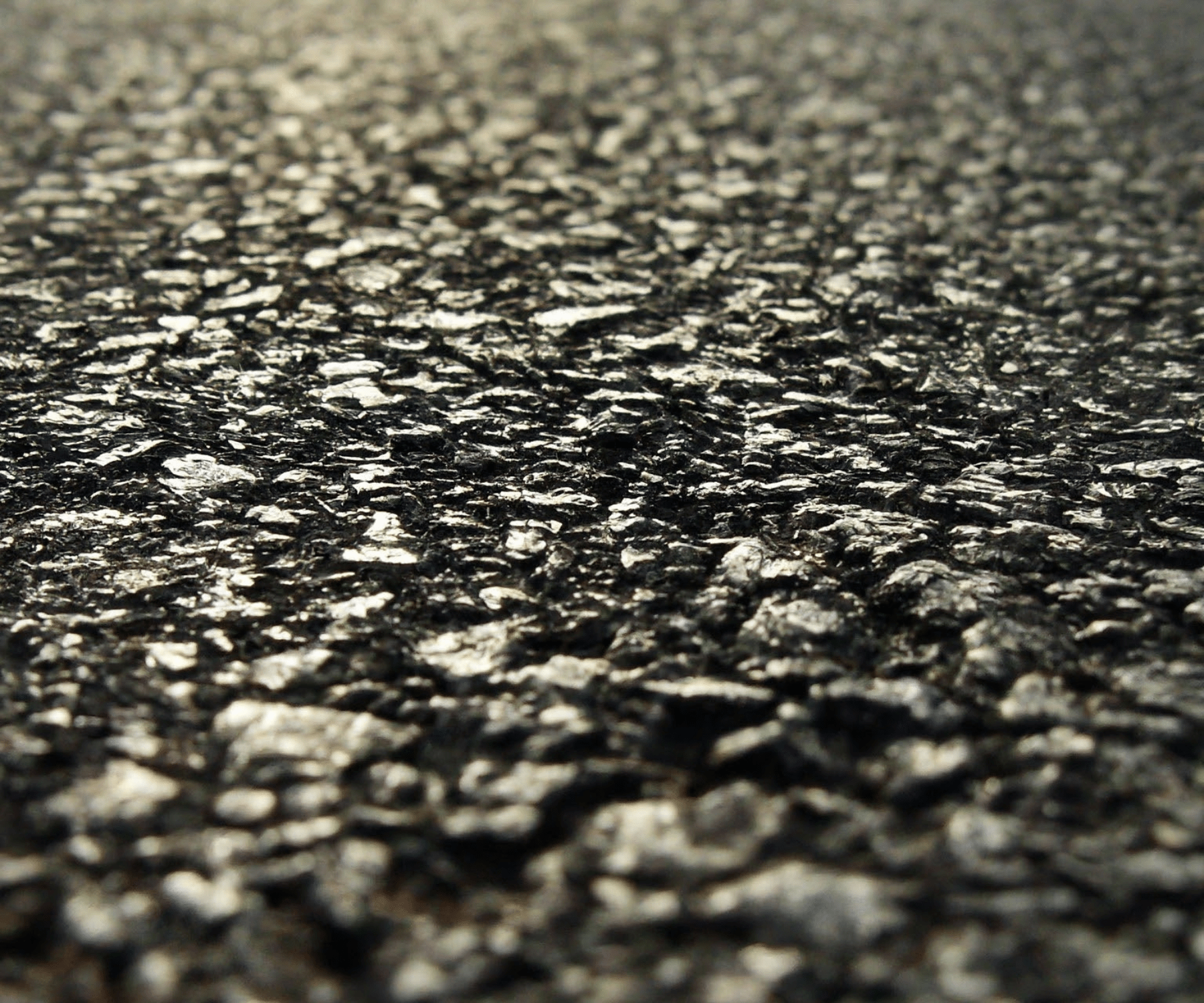
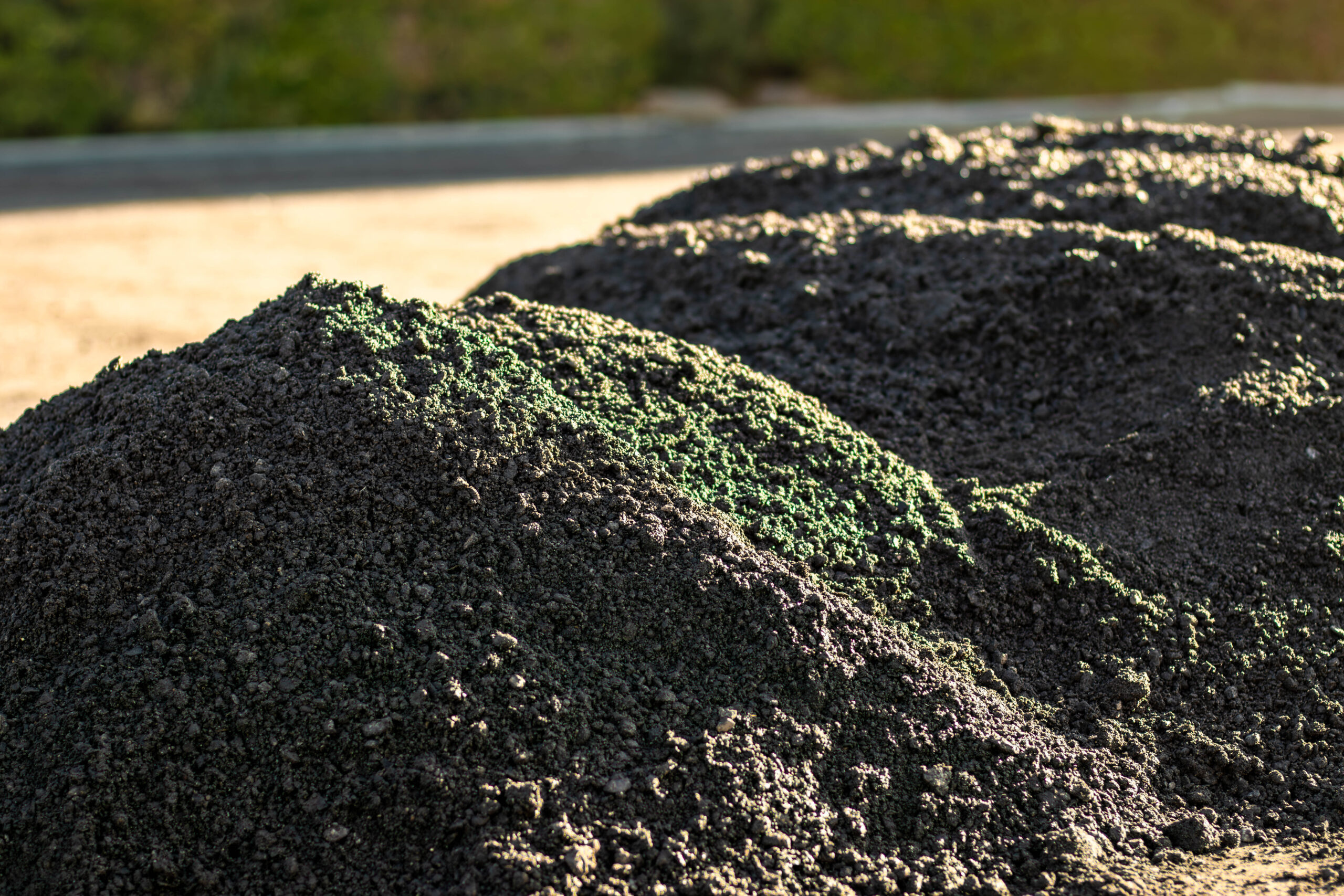
Asphalt is a popular paving material for driveways and roads. It is a mixture of aggregates (such as gravel, sand, and crushed stone) and bitumen, a sticky, black substance that binds the aggregates together. Asphalt is known for its durability and relatively low cost compared to other paving materials like concrete.
Cost:
The cost of asphalt paving varies depending on factors such as the size of the area, local labor rates, and the thickness of the asphalt layer. On average, asphalt costs range from $2 to $5 per square foot. While this is more expensive than gravel, it is still a cost-effective option for larger driveways.
Advantages:
- Affordability: Asphalt is one of the more affordable paving options, especially for larger areas like driveways and parking lots.
- Durability: Asphalt is durable and can withstand heavy loads and harsh weather conditions, making it a long-lasting choice for driveways.
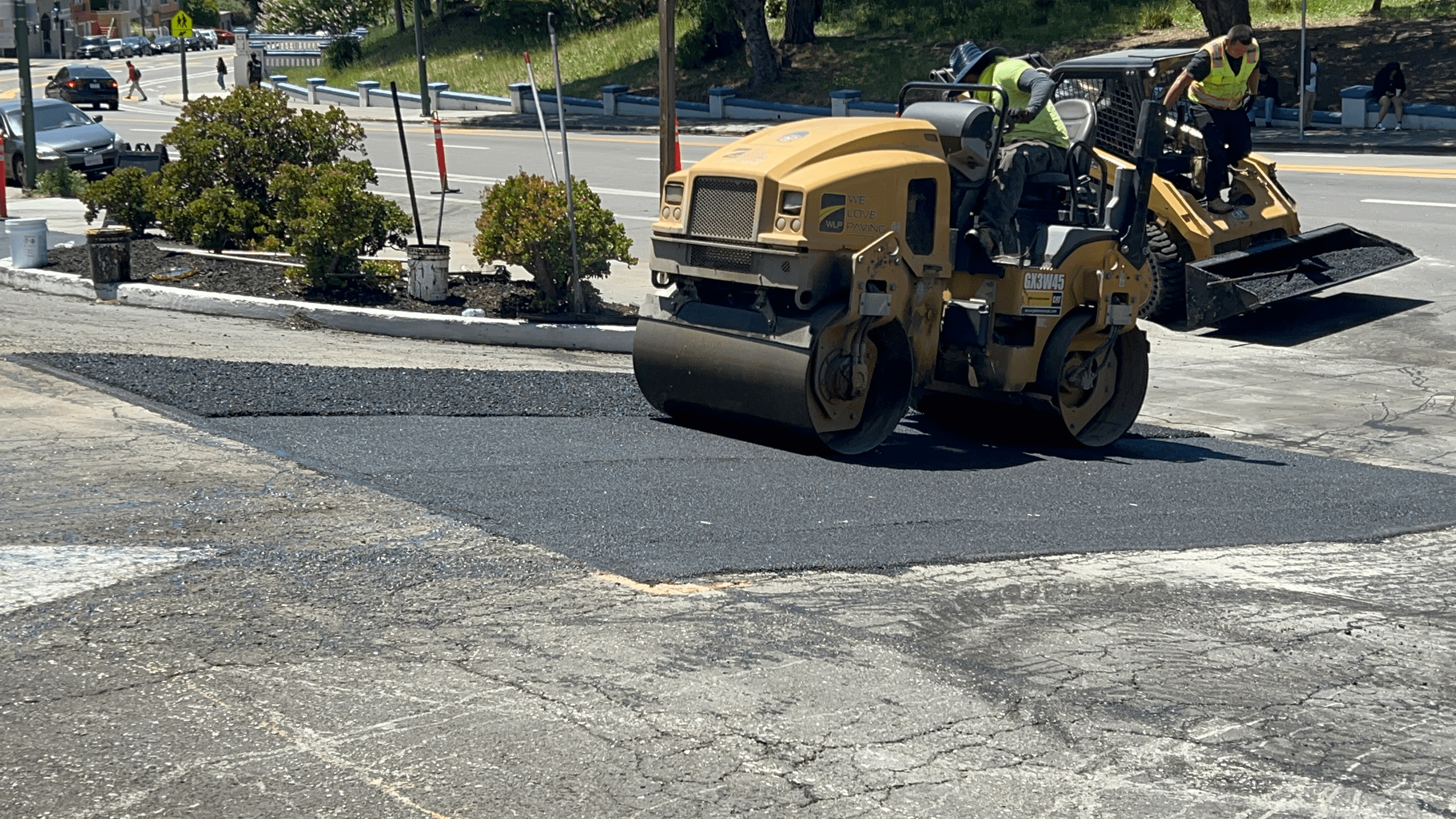
- Quick Installation: Asphalt paving can be installed relatively quickly, reducing labor costs and minimizing disruption to your property.
- Smooth Surface: Asphalt provides a smooth, even surface that is ideal for driving and walking.
Limitations:
- Maintenance Requirements: Asphalt requires periodic maintenance, including sealcoating every few years to protect it from cracking and weather damage.
- Limited Aesthetic Options: Asphalt is typically black or dark gray, with fewer aesthetic options compared to materials like concrete pavers or natural stone.
- Susceptible to Heat: Asphalt can soften and become sticky in hot weather, which may cause issues in warmer climates.
Best Uses:
Asphalt is an excellent choice for residential driveways, especially for homeowners who need a durable and cost-effective solution. It is also suitable for parking areas and roads.
4. Tar and Chip: A Low-Cost Alternative to Asphalt
Overview:
Tar and chip, also known as chip seal, is a paving method that combines hot liquid asphalt with a layer of crushed stone or gravel. The result is a textured surface that provides good traction and an attractive, rustic appearance. Tar and chip is often used for driveways, rural roads, and parking areas.
Cost:
Tar and chip paving typically costs between $2 and $5 per square foot, making it comparable in price to asphalt but more affordable than many other paving options.
Advantages:
- Affordable: Tar and chip is a cost-effective paving solution, offering the durability of asphalt with a more natural appearance.
- Good Traction: The rough texture of tar and chip provides excellent traction, reducing the risk of slipping.
- Low Maintenance: Tar and chip surfaces are relatively low maintenance, with no need for regular sealcoating like asphalt.
Limitations:
- Limited Longevity: While durable, tar and chip surfaces typically have a shorter lifespan than asphalt and may require resurfacing after several years.
- Fewer Aesthetic Options: The appearance of tar and chip is more limited compared to other paving materials, with fewer color and design options.
- Not Ideal for High-Traffic Areas: Tar and chip is best suited for low-traffic areas, as heavy traffic can cause the surface to wear down more quickly.
Best Uses:
Tar and chip is a good choice for rural driveways, private roads, and parking areas where a more natural, rustic look is desired. It’s also suitable for homeowners looking for a low-cost alternative to traditional asphalt.
Conclusion: Choosing the Right Paving Option for Your Budget
When it comes to paving on a budget, several options offer affordability without sacrificing quality. Gravel is the most cost-effective option, making it ideal for rural properties and low-traffic areas. Concrete pavers provide a balance between cost, durability, and aesthetic appeal, while asphalt offers a durable solution for driveways at a reasonable price. Tar and chip is a great alternative to asphalt, offering a rustic look with good traction at a similar cost.