What Is the Best Time of Year to Get Paving Work Done?

What’s the Best Time of Year to Start Your Paving Project?

If you’re planning a paving project—whether it’s a driveway, parking lot, or road—it’s crucial to get the timing right. Weather plays a big role in the success and durability of asphalt and concrete work. So, when is the best time to schedule your paving project?

Let’s break it down:


1. Spring (March–May)

Great for Planning
Spring is when most property owners start thinking about repairs after a long winter. It’s a great time to get quotes, book your contractor early, and get on the schedule before the busy season hits.

🚫 Watch Out for Rain
While temperatures start to rise, spring showers can delay paving jobs or impact curing times, especially for concrete.


2. Summer (June–August)

🔥 Peak Paving Season
Warm, dry conditions are ideal for both asphalt and concrete. Materials cure faster, crews work more efficiently, and the final product lasts longer.

🚧 Book Early!
Summer is paving prime time, which means contractors get booked up fast. If you wait too long, you might be pushed to the end of the line.


3. Fall (September–November)

🍂 Still a Solid Option
Fall offers cooler, stable weather that’s still good for paving. It’s also a great time for last-minute repairs before winter hits.

Shorter Days & Time Sensitivity
As temperatures drop, there’s less daylight and more risk of material setting too slowly—especially late in the season.


4. Winter (December–February)

🥶 Not Recommended (in most areas)
Cold weather makes it hard for asphalt to stay hot enough to compact properly, and concrete takes much longer to cure. Only emergency patchwork is typically done in winter.


So, What’s the Verdict?

If you’re looking for the best results with the least amount of headaches, summer is your best bet, followed closely by early fall. But don’t wait until it’s too late—good paving companies book out months in advance.


Ready to pave the way?
At We Love Paving, we help you plan smart and build strong. Contact us now to lock in your spot before the busy season.

Share

WHO IS FRED?

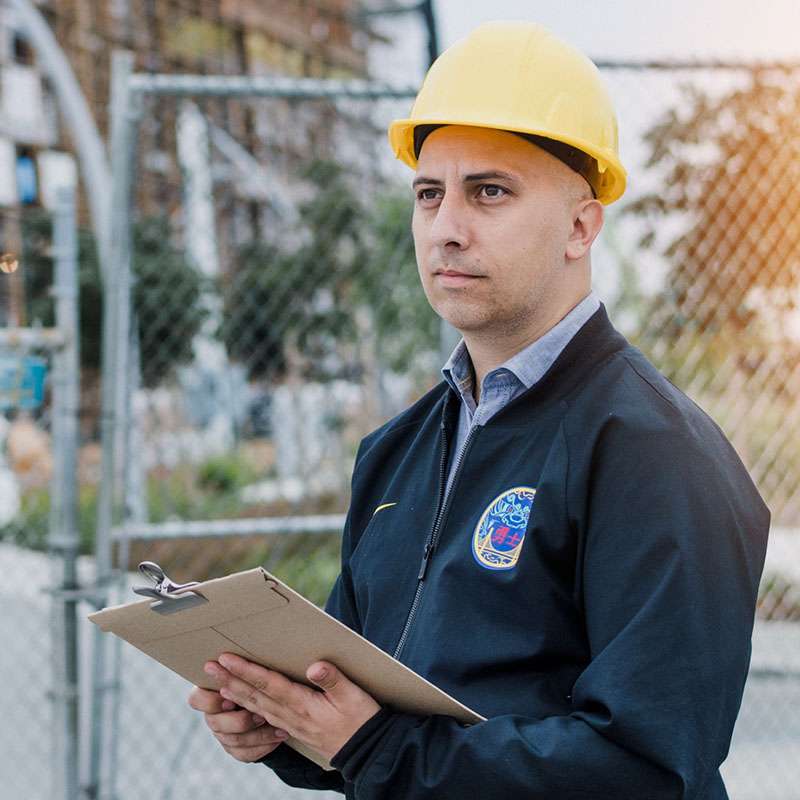
Fred, Regional Operations Manager, comes from a family of immigrant roots and a story built on sacrifice, discipline, and hard work. Growing up, Fred watched his parents work long hours and weekends to create a better future teaching him the values of perseverance, determination, and doing things the right way every single time.
We Love Paving began with Fred’s father, who started doing what he knew best: paving. Over the years, he built experience alongside respected professionals in the industry, refining his methods and developing a reputation for quality work that speaks for itself. As his clientele grew, so did the vision one built not only on skill, but on integrity and pride in every job.

Posts that might interest you

The Importance of Proper Asphalt Driveway Edging

The Importance of Proper Asphalt Driveway Edging

December 23, 2024

What Are the Standard Parking Space Dimensions in CALIFORNIA, USA?

What Are the Standard Parking Space Dimensions in CALIFORNIA, USA?

December 23, 2024

Why Curb Ramps Are Essential for Modern Infrastructure

Why Curb Ramps Are Essential for Modern Infrastructure

December 20, 2024

Top Tips for Maintaining Your Commercial Parking Lot

Top Tips for Maintaining Your Commercial Parking Lot

December 20, 2024

Commercial properties: The Benefits of Professional Paving

Commercial properties: The Benefits of Professional Paving

December 19, 2024

Exploring Types of Concrete Patios for Your Outdoor Space

December 19, 2024

The Importance of Asphalt Thickness for Roads: A Guide to Durability and Performance

December 17, 2024

Why Regular Maintenance is Crucial for Pavement Longevity

December 17, 2024

Average Cost to Blacktop a Driveway

Average Cost to Blacktop a Driveway

December 14, 2024

Which Is the Better Choice for Your Driveway? Concrete vs. Asphalt

Which Is the Better Choice for Your Driveway? Concrete vs. Asphalt

December 12, 2024

Introduction: When it comes to selecting the better material for your driveway, two options dominate the conversation: concrete and asphalt. Both have their strengths and weaknesses, and the choice often comes down to your budget, aesthetic preferences, and the specific needs of your property. Making the better decision requires a thorough understanding of how each

Previous Next