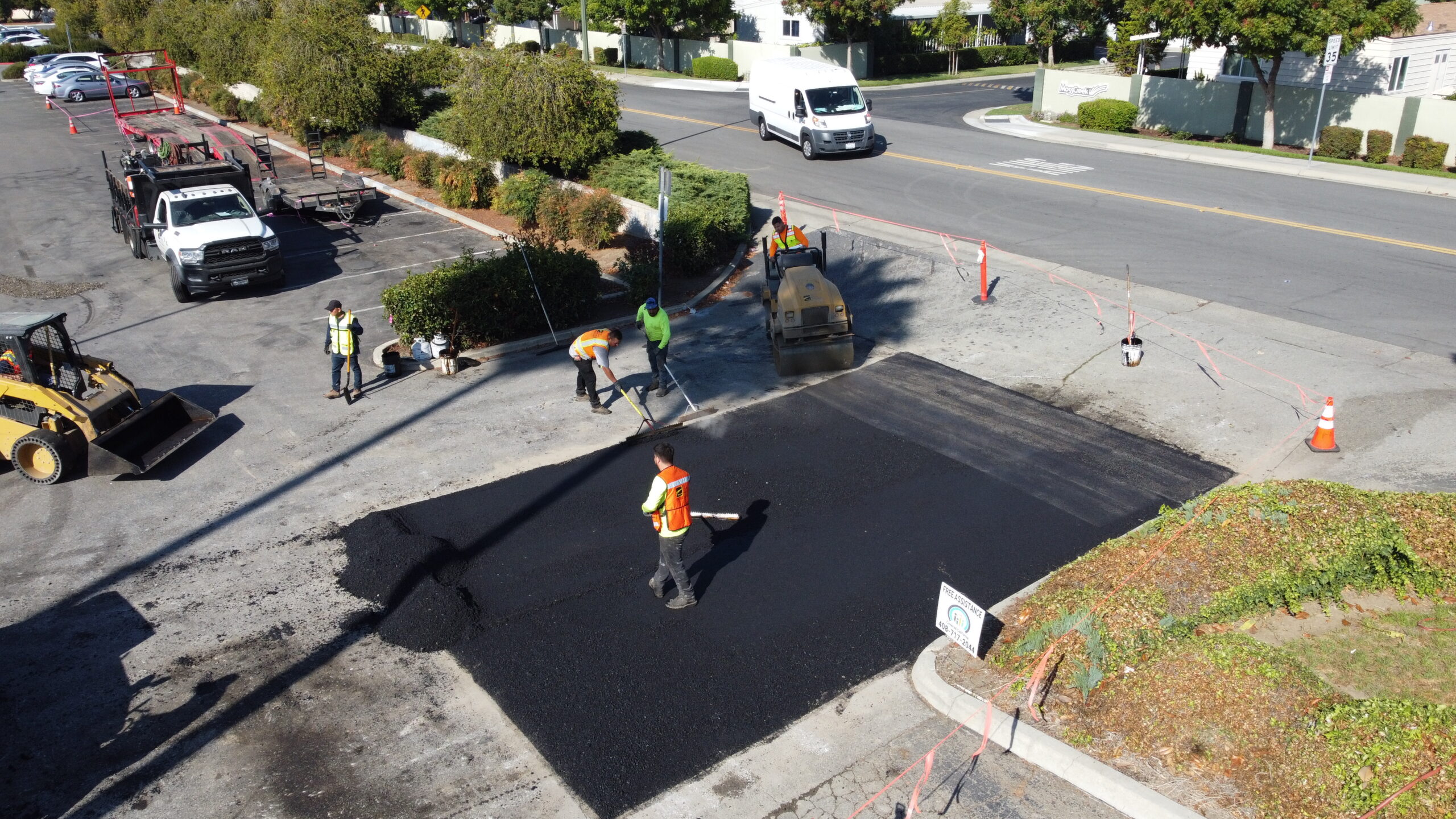
Parking lots serve as vital assets for businesses, offering safe and convenient spaces for customers and employees alike. However, the asphalt surfaces of these lots are subject to wear and tear over time, necessitating proactive maintenance to ensure longevity and safety. One highly effective method of preserving asphalt integrity is sealcoating a process that offers numerous financial and practical benefits for businesses. In this article, we delve into the importance of sealcoating parking lots and its significant advantages.
Surface Engineering & Technical Specifications
Sealcoating is a critical engineering intervention designed to halt Binder Oxidation. Over time, UV radiation breaks down bitumen’s molecular chains, rendering the asphalt brittle. We utilize Cationic Asphalt Emulsions, which carry a positive electrical charge to achieve superior electrochemical bonding with pavement aggregates, displacing moisture more effectively than standard anionic emulsions. Our commitment to a precise Mix Design involves calibrating sealant viscosity with specialized polymer additives for rapid drying and silica sand retention. This ensures the sacrificial layer maintains structural flexibility under heavy traffic loads, measurably extending the road asset’s lifecycle.
Protecting Your Investment
The initial construction of an asphalt parking lot represents a substantial investment for any business. However, without adequate protection, this investment is vulnerable to premature deterioration due to environmental factors such as weather and UV radiation. Sealcoating serves as a proactive measure to safeguard this investment by creating a protective barrier that shields the asphalt from harmful elements. By preventing water infiltration and minimizing damage caused by oxidation, sealcoating significantly extends the lifespan of the parking lot surface, ultimately saving businesses from costly repairs and premature replacements.
California Climate & VOC Compliance
In Northern California, success depends on synchronizing with local microclimates. Sacramento’s thermal oscillations, with heat spikes that can prematurely evaporate solvents, contrast sharply with San Francisco’s persistent humidity, which compromises adhesion. Our formulas strictly adhere to California VOC regulations, prioritizing high-density water-based emulsions that minimize environmental impact. By mastering pavement chemistry under these specific conditions, we ensure complete polymerization and prevent material delamination.
Minimizing Maintenance Expenses
Regular maintenance is essential for preserving the functionality and aesthetics of any parking lot. However, the frequency and extent of maintenance required can vary depending on the condition of the asphalt surface. Sealcoating plays a crucial role in minimizing maintenance expenses by reducing the occurrence of cracks, potholes, and other forms of damage. By providing a durable, waterproof seal, sealcoating prevents moisture from seeping into the asphalt and destabilizing its structural integrity. As a result, businesses can significantly reduce the need for costly repairs and routine maintenance, leading to substantial long-term savings.
Pavement Asset Preservation: Engineering Matrix
Our Asset Preservation protocol transitions from reactive repairs to proactive engineering. By integrating high-density Mix Design with a 4-step stabilization process, we ensure maximum molecular bonding and long-term infrastructure ROI.
| Maintenance Strategy | Estimated Cost | Service Life Extension | Asset Value Impact |
| Reactive (None) | $0.00 (Initial) | 0 Years (Failure) | Critical Depreciation |
| Proactive Sealcoating | Low/Moderate | +10 to 12 Years | High Preservation |
| Structural Overlay | High | +15 Years | Total Asset Renewal |
Sustaining Long-Term Value
Beyond immediate cost savings and aesthetic enhancements, sealcoating contributes to the sustained value of a business property. A well-maintained parking lot adds curb appeal and enhances the marketability of the property, making it more attractive to potential buyers or tenants. Additionally, the extended lifespan of the asphalt surface resulting from regular sealcoating increases the property’s overall asset value, providing businesses with a tangible return on investment. By prioritizing sealcoating as part of their property maintenance strategy, businesses can safeguard their long-term financial interests and position themselves for continued success in the competitive marketplace.
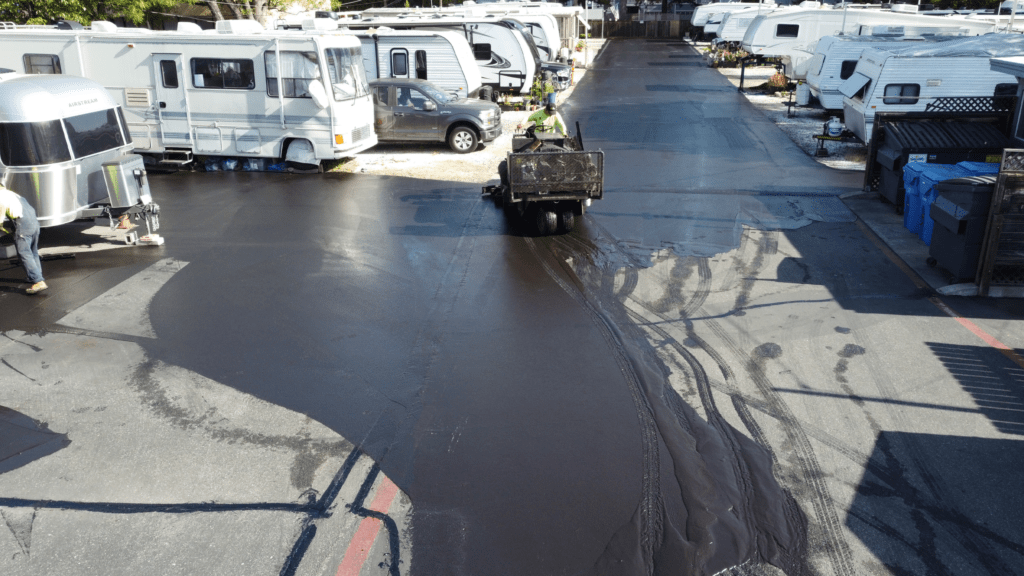
The Bottom Line for Engineering a High-ROI Parking Lot
Sealcoating represents a critical engineering investment for any business aiming to protect infrastructure assets. By proactively neutralizing Binder Oxidation every 3 to 4 years, you effectively halt premature structural failure and minimize long-term maintenance liabilities. We Love Paving delivers more than a black finish because we provide a high-density and VOC-compliant barrier that sustains property value while ensuring safety. Investing in professional sealcoating today stands as the most cost-effective decision for businesses committed to a reliable and durable facility.
Frequently Asked Questions (FAQ)
General Questions About Our Professional Services and Project Execution
Sealcoat should be applied when ambient and surface temperatures are at least 50°F (10°C) and rising. It is critical that temperatures do not drop below freezing within 24 hours of application to ensure proper molecular bonding and curing of the emulsion.
Under ideal conditions (sunny, low humidity), a parking lot requires 24 to 48 hours to cure before allowing vehicular traffic. High-traffic areas or shaded zones may require additional time to prevent scuffing or tracking of the uncured material.
Sand provides essential skid resistance and durability, while polymer additives improve the binder’s flexibility and resistance to oil or chemical spills. A professional mix typically includes 3 to 5 pounds of silica sand per gallon of concentrated sealer.
New asphalt must cure for a minimum of 30 to 90 days to allow “light oils” to evaporate. Premature application can trap these oils, leading to a soft surface and poor adhesion of the sealcoat, ultimately compromising the pavement’s structural integrity.
Asphalt emulsions are eco-friendly, low-VOC options with a deep black finish, ideal for California regulations. Coal tar sealers offer higher resistance to gasoline and chemicals but are more restrictive due to environmental impacts and skin irritation during application.