Top 5 Tips For A Perfect Parking Lot For Your Commercial Building

Let’s face it: a parking lot is the unsung hero of every road trip, shopping spree, or late-night taco run. When done right, it’s a symphony of smooth asphalt, clear markings, and strategically placed spaces. When done wrong? It’s a battlefield where potholes lurk like landmines and faded lines spark territorial disputes worthy of a reality TV show.

So, what exactly makes a parking lot great? Let’s break it down in sections (because, unlike bad parking lots, we’re all about structure).

1. Smooth Asphalt: The Velvet Carpet of Parking Lots

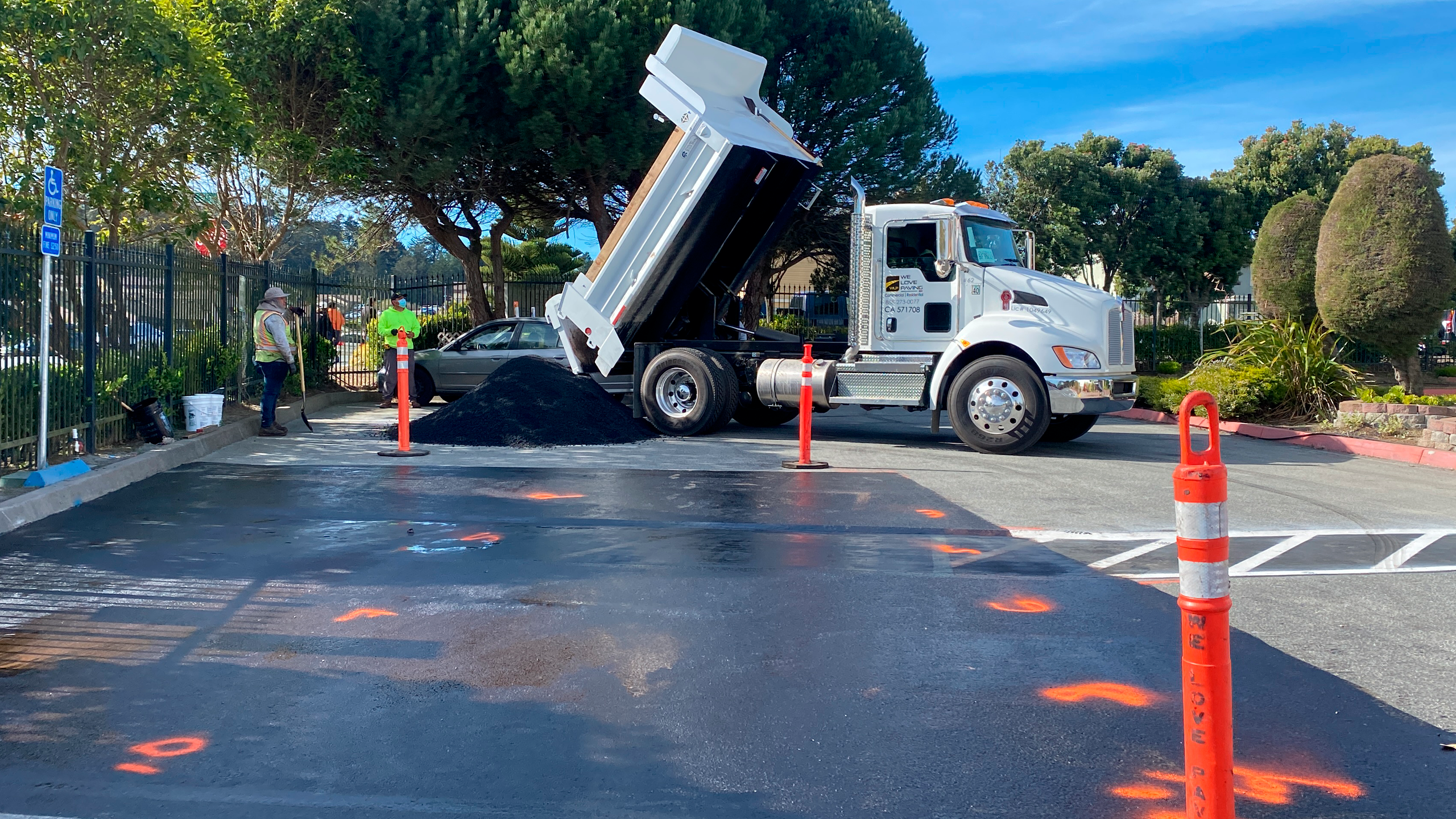
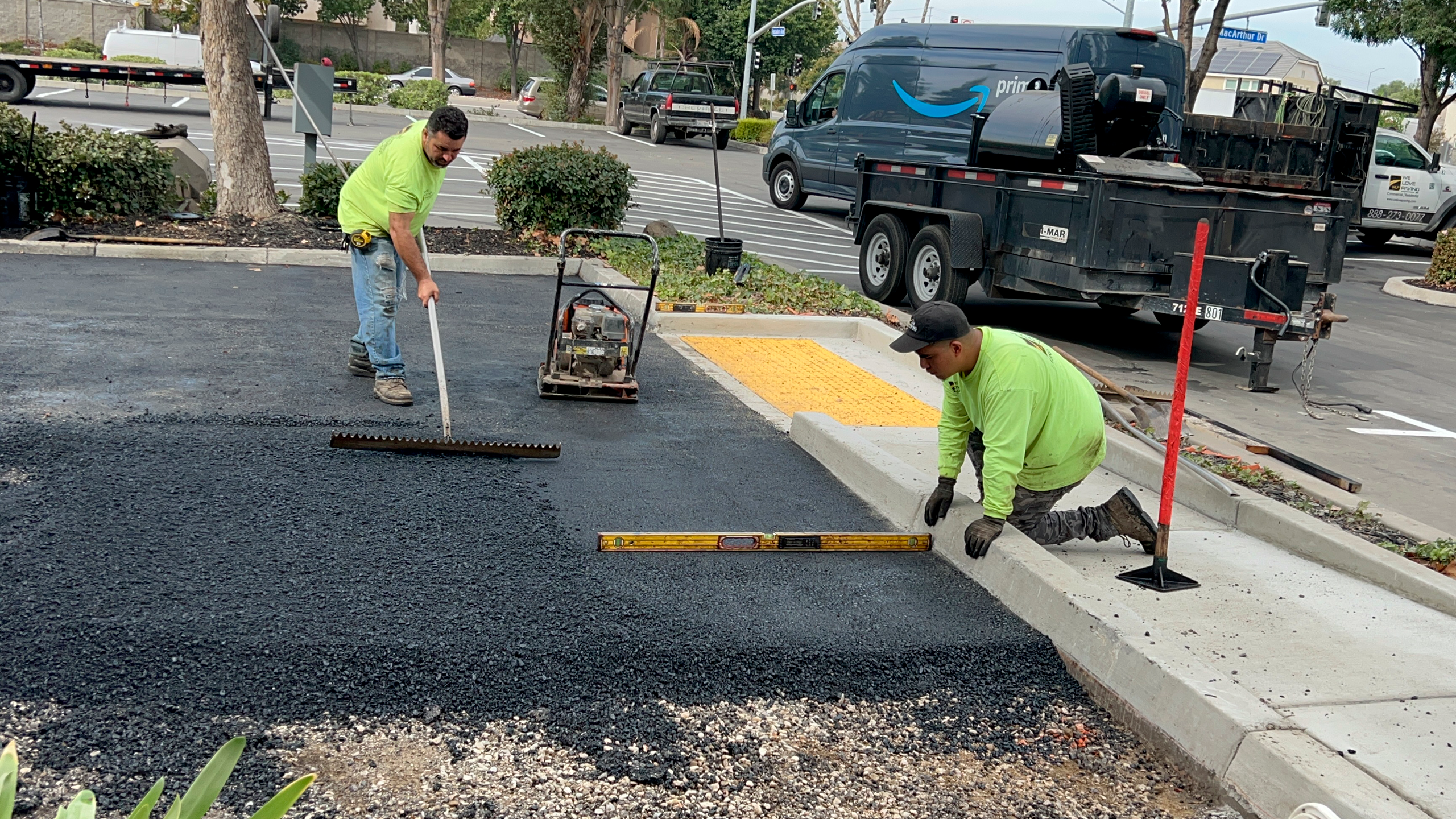
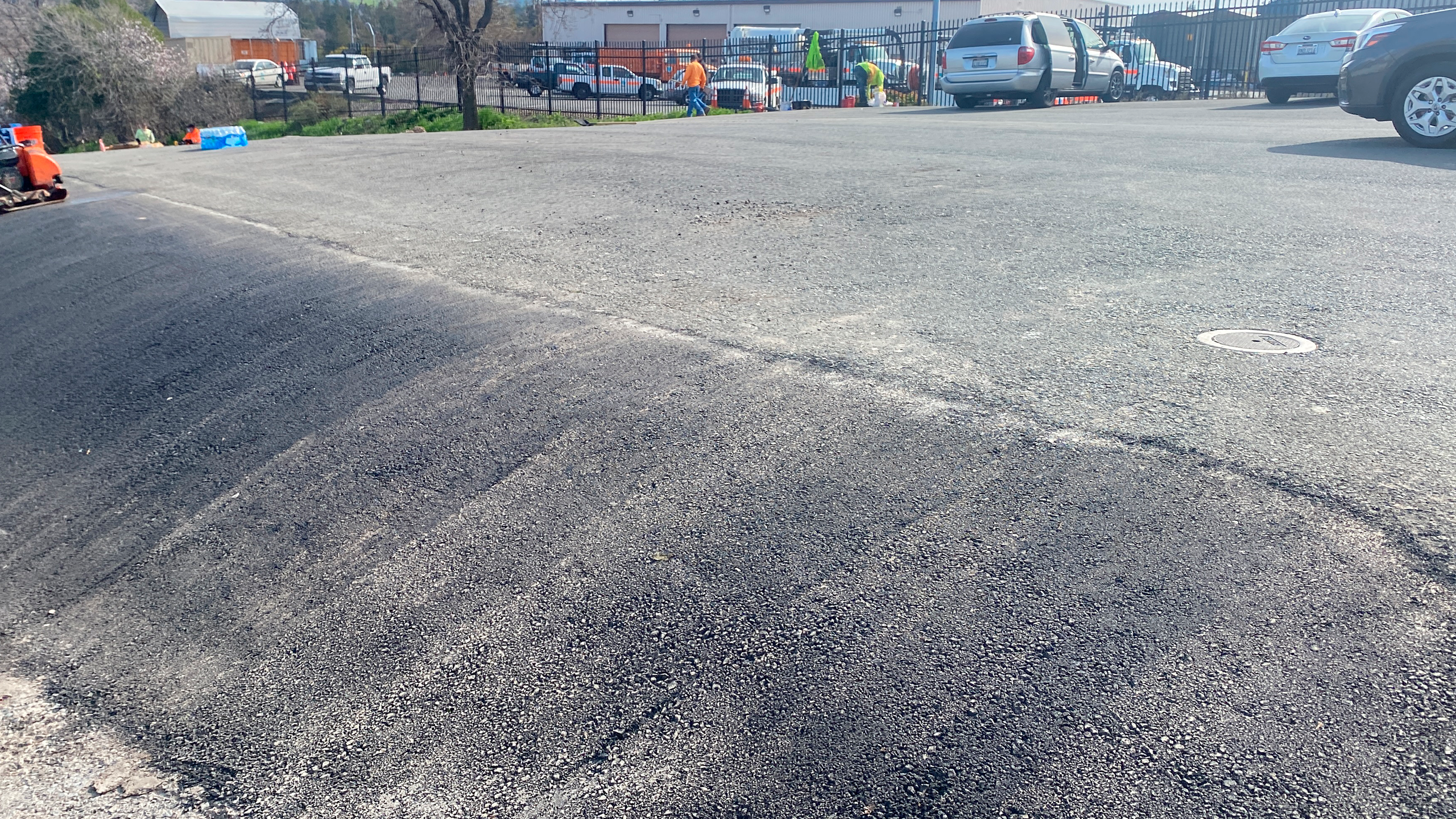
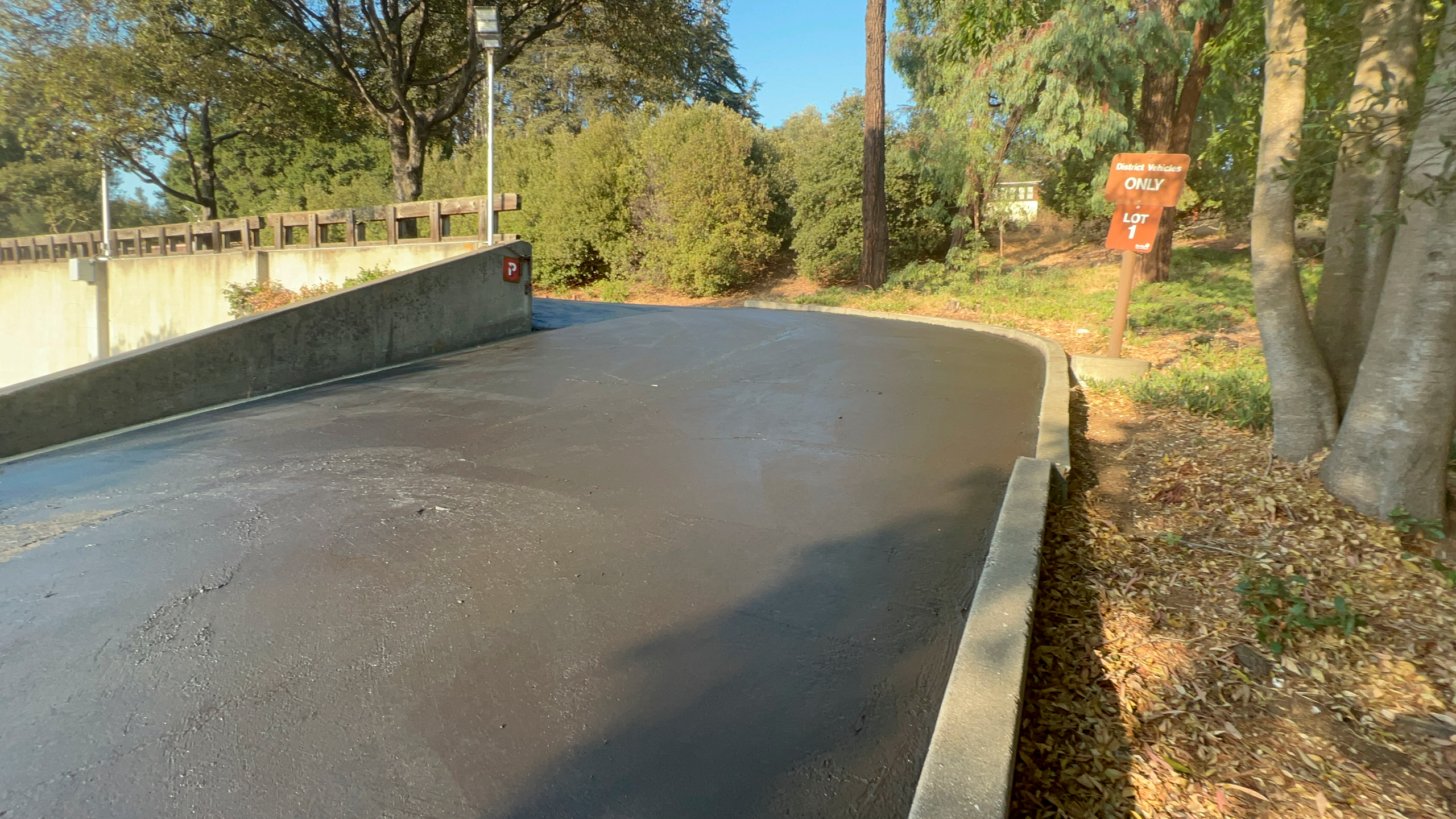
A great parking lot starts with its surface. The asphalt should be smooth, crack-free, and flatter than your uncle’s jokes at Thanksgiving. Think of it like a red carpet—except instead of celebrities, it’s your car’s tires gliding over it in pure bliss.

  • No potholes: These are the parking lot equivalent of surprise sinkholes in a movie plot—unwelcome, destructive, and likely to ruin your day.

  • Even surface: Nobody wants to feel like they’re off-roading in a suburban shopping center.

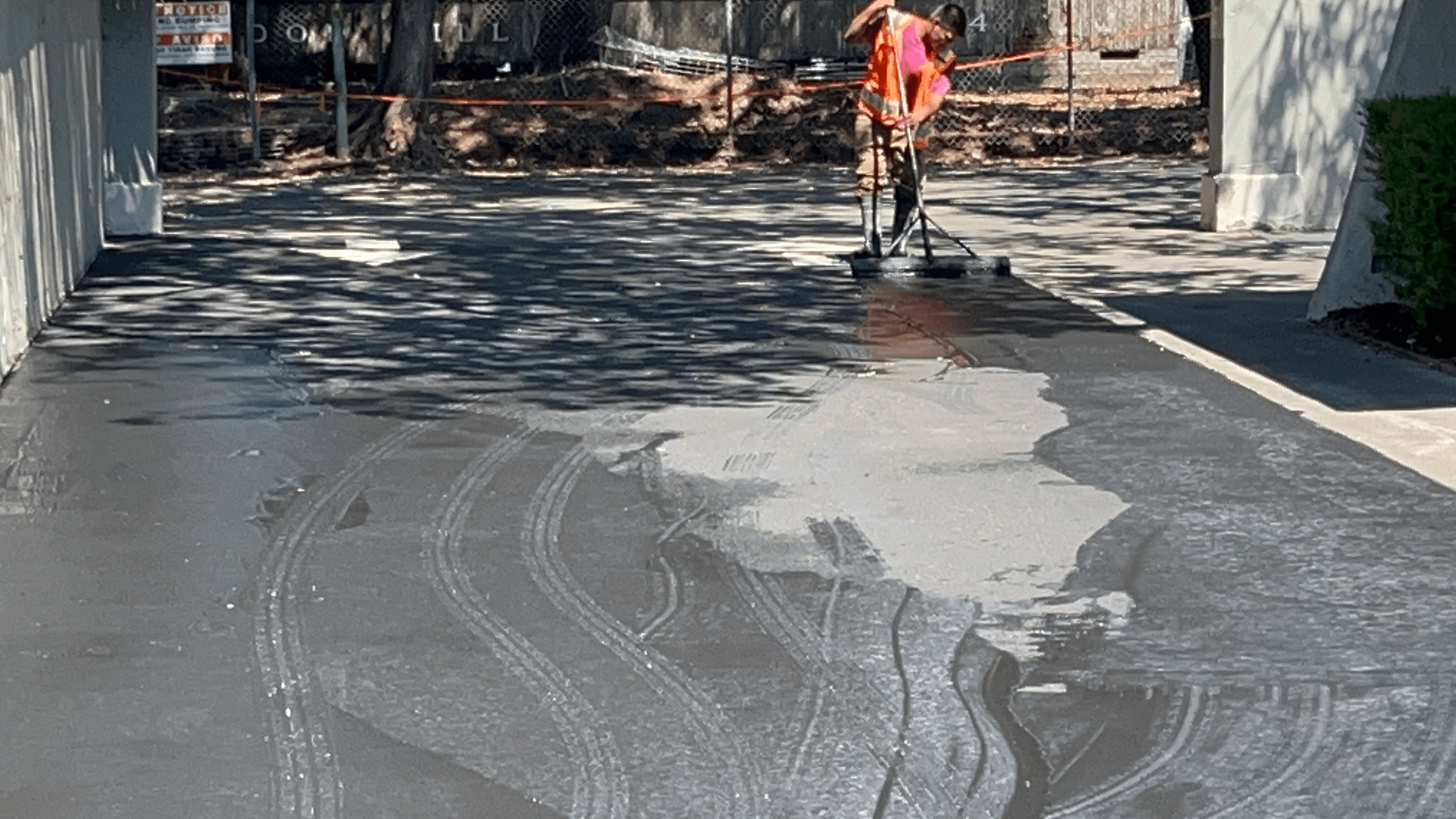
  • Durable seal coating: It’s the sunscreen of parking lots, protecting the asphalt from weather, wear, and the occasional spillage of soda.

2. Clear Markings: The GPS for Parking Spots

A great parking lot doesn’t leave you guessing. The lines are bold, bright, and straighter than your neighbor’s perfectly manicured hedges. Imagine a parking lot as a coloring book: the lines tell you where to stay, and going outside them is just plain chaos.

  • Well-defined spaces: Ever tried squeezing into a spot that could double as a closet? A great parking lot gives everyone enough elbow room.

  • Directional arrows: These are the traffic cops of the parking lot world—without the whistle and attitude.

  • Accessible parking: Spaces for ADA compliance should be clearly marked and conveniently located, because everyone deserves an easy park-and-go experience.

3. Lighting: The Parking Lot’s Hollywood Glow-Up

Nobody wants to park in the set of a horror movie. A well-lit parking lot isn’t just practical; it’s comforting. It’s like your parking lot saying, “Hey, I’ve got your back.”

  • Bright but not blinding: Nobody wants to feel like they’re entering a UFO abduction scene.

  • Strategically placed lights: They should cover all areas, eliminating dark corners where shopping carts go to plot revenge.

4. Traffic Flow: The Ballet of Parking Lots

A great parking lot has traffic flow down to an art form. Think of it as a choreographed ballet where every car knows its role.

  • Clear entrances and exits: No one should feel like they’re solving a maze to escape.

  • One-way lanes where needed: Two-way chaos in a tight lot? Hard pass.

  • Pedestrian crossings: Because dodging shoppers with armloads of bags shouldn’t be a sport.

5. Amenities: The Cherry on Top

The little extras are what take a parking lot from functional to fabulous. A great parking lot goes beyond the basics and adds a sprinkle of delight to your day.

  • Cart corrals: Nothing says “organized” like a place to leave your cart that isn’t the middle of the road.

  • Trash bins: Because nobody likes a parking lot littered with fast-food wrappers and coffee cups.

  • Landscaping: A few trees or shrubs can turn your asphalt jungle into a mini oasis.

Parking Lot Personalities: The Good, The Bad, and The Ugly

Let’s not forget the personalities of parking lots:

  • The Overachiever: Smooth asphalt, crisp lines, and lush greenery. You almost want to tip it for being so perfect.

  • The Procrastinator: Faded lines, a few cracks, but it’s hanging in there—barely.

  • The Hot Mess Express: Potholes, random cart piles, and a lighting system straight out of 1975. You’re not sure if your car or your sanity will make it out intact.

Conclusion: A Great Parking Lot is an Experience

A truly great parking lot is more than just a place to leave your car. It’s a well-oiled machine, a symphony of design and function, and, dare we say, a work of art. So next time you roll into a parking lot that ticks all the boxes, take a moment to appreciate it. And if your parking lot isn’t up to par, you know who to call. After all, life’s too short for bad parking experiences.

Share

WHO IS FRED?

Fred, Regional Operations Manager, comes from a family of immigrant roots and a story built on sacrifice, discipline, and hard work. Growing up, Fred watched his parents work long hours and weekends to create a better future teaching him the values of perseverance, determination, and doing things the right way every single time.
We Love Paving began with Fred’s father, who started doing what he knew best: paving. Over the years, he built experience alongside respected professionals in the industry, refining his methods and developing a reputation for quality work that speaks for itself. As his clientele grew, so did the vision one built not only on skill, but on integrity and pride in every job.

Posts that might interest you

How Long Should an Asphalt Driveway Last Before Cracking?

How Long Should an Asphalt Driveway Last Before Cracking?

July 5, 2024

When investing in an asphalt driveway, homeowners often wonder about its longevity and durability. Asphalt driveways are popular due to their affordability, aesthetic appeal, and resilience. However, like any material, asphalt is not immune to wear and tear, and over time, cracking can occur. This article explores the lifespan of asphalt driveways before cracking, with

What Temperature Should Asphalt Be Between Lifts? Insights from Sacramento, California

What Temperature Should Asphalt Be Between Lifts? Insights from Sacramento, California

July 5, 2024

Asphalt paving is a precise and methodical process where temperature plays a critical role in ensuring the durability and quality of the pavement. This is particularly true for the placement of multiple lifts or layers of asphalt. In Sacramento, California, with its distinctive climate, understanding the optimal temperature for asphalt between lifts is essential for

How Long Does an Asphalt Overlay Last? A Focus on Sacramento, California

How Long Does an Asphalt Overlay Last? A Focus on Sacramento, California

July 4, 2024

Asphalt overlays are a crucial component of road maintenance and construction, offering a cost-effective solution for renewing and extending the life of existing pavements. In Sacramento, California, where urban expansion and infrastructural development are ongoing, understanding the longevity of asphalt overlays is vital for city planners, construction companies, and residents. This article delves into the

How Much Asphalt Can Be Laid in a Day?

How Much Asphalt Can Be Laid in a Day?

July 3, 2024

Asphalt paving is a critical component of many construction projects, from residential driveways to major highways. One of the most important considerations for project managers and homeowners alike is understanding how much asphalt can be laid in a day. This not only impacts the timeline of a project but also its overall cost and logistical

How Steep Can an Asphalt Driveway Be?

How Steep Can an Asphalt Driveway Be?

July 3, 2024

Asphalt driveways are a popular choice for homeowners due to their durability, cost-effectiveness, and ease of installation. However, one critical factor to consider when planning an asphalt driveway is its slope. The steepness of a driveway can significantly impact its functionality, safety, and longevity. In this article, we will explore how steep an asphalt driveway

What is the Life Expectancy of Asphalt Paving in Sacramento, California?

What is the Life Expectancy of Asphalt Paving in Sacramento, California?

July 2, 2024

Asphalt paving is a critical component of urban infrastructure, serving as the backbone of city streets, highways, and parking lots. Its durability, cost-effectiveness, and ease of maintenance make it a popular choice for municipalities worldwide. In Sacramento, California, where urban development and traffic demand are continually increasing, understanding the life expectancy of asphalt paving is

What is the Minimum Thickness of Asphalt Pavement?

What is the Minimum Thickness of Asphalt Pavement?

July 2, 2024

The minimum thickness for asphalt pavement depends on the project: residential driveways require at least 2 inches, while commercial parking lots often start at 4 inches for durability. Factors Influencing Asphalt Pavement Thickness Traffic Load: The volume and weight of traffic that the pavement will support is a primary consideration. Heavier loads, such as those

What is the Tolerance for Asphalt Thickness?

What is the Tolerance for Asphalt Thickness?

July 1, 2024

Asphalt pavement quality is crucial for the longevity and durability of roads, driveways, and parking lots. One key aspect that affects the performance of asphalt surfaces is the thickness tolerance. This detailed guide will explore the importance of asphalt thickness tolerance, the factors that influence it, measurement techniques, and best practices for maintaining accurate thickness

What is the Best Quality Asphalt for Driveways?

What is the Best Quality Asphalt for Driveways?

June 28, 2024

Choosing the best quality asphalt for your driveway is essential to ensure durability, aesthetic appeal, and cost-effectiveness. This guide explores the types of asphalt, their benefits, and how to select the best option for your driveway needs. Understanding Asphalt Factors to Consider When Choosing Asphalt Types of Asphalt for Driveways Comparing Asphalt to Other Materials

How Thick Should Asphalt Paving Be?

How Thick Should Asphalt Paving Be?

June 28, 2024

Choosing the right thickness for asphalt paving is crucial for the longevity and durability of the surface, whether it’s a driveway, parking lot, or roadway. The thickness of asphalt paving affects its ability to withstand traffic loads, weather conditions, and overall wear and tear. This article will explore the factors influencing asphalt thickness and provide

Previous Next