If you manage a commercial property, you’ve probably heard contractors throw around terms like “patching,” “overlaying,” and “repaving.”
Most property managers know these are repair methods — but not the real difference between them.
After more than a decade working on commercial parking lots, here’s what we see:
👉 Choosing the wrong repair type leads to wasted money.
👉 Choosing the right one can extend the life of your pavement by years.
This guide breaks down the differences in simple terms so you can make the best decision for your property and your budget.
1. Patching — Best for Localized Damage
Patching is designed to fix specific problem areas, not the entire parking lot.
When to Use Patching:
-
Potholes
-
Alligator cracks in small sections
-
Soft spots
-
Areas where water has already penetrated
-
Damage under 10–15% of the total lot
Two Types of Patching:
✔ Surface Patch (Temporary Fix)
Adds new asphalt on top of damaged pavement.
Useful for quick improvements, but rarely a long-term solution.
✔ Full-Depth Patch (Permanent Fix)
Removes damaged asphalt and the failed base underneath, then rebuilds the structure.
Most PMs don’t realize this:
👉 If the base is damaged, no surface patch will last.
Full-depth patching is the only true fix.
Cost Range (estimated):
-
$300–$3,000 depending on size and depth
Bottom line:
Patching is perfect for isolated problems — but not for widespread failure.
2. Overlaying — A New Surface on Top of the Old One
Overlaying is also called “resurfacing.”
It adds a fresh layer of asphalt (usually 1.5”–2.5”) on top of existing pavement.
When Overlaying Works:
-
The base is still structurally strong
-
The surface is worn, cracked, or oxidized
-
50–70% of the lot shows aging, but no major base failure
-
Budget doesn’t allow full replacement
What Overlaying CANNOT Fix:
-
Deep structural cracks
-
Alligator cracking
-
Drainage issues
-
Soft sub-base
-
Large potholes
If the structural foundation is bad, an overlay will crack again — sometimes within months.
Benefits of Overlaying:
-
Looks like a brand-new parking lot
-
Faster and cheaper than repaving
-
Extends life by 7–12 years when done correctly
Cost Range (estimated):
-
$1.50–$4.00 per sq ft
Bottom line:
Overlaying is a great middle option — but only if the underlying structure is solid.
3. Repaving — A Full Replacement for Long-Term Performance
Repaving means removing and replacing the entire pavement surface, and sometimes the base too.
This is the most durable and long-lasting solution.
When Repaving Is Needed:
-
Severe cracking across large areas
-
Base failure or sinking
-
Major drainage issues
-
Potholes are appearing in multiple zones
-
The pavement is 20+ years old
-
Previous overlays have failed
What Repaving Fixes:
-
Structural issues
-
Improper thickness
-
Old or weak base
-
Poor drainage
-
Long-term performance requirements
Benefits:
-
Restores the pavement structure
-
Improves drainage design
-
Provides a fresh, long-lasting surface
-
Reduces maintenance costs for years
Cost Range (estimated):
-
$4.50–$10.00+ per sq ft depending on depth and base work
Bottom line:
Choose repaving when you want a long-term solution and the pavement has reached the end of its useful life.
Which Option Is Right for Your Property?
Here’s the simplest breakdown:
| Repair Type | Best For | Worst For |
|---|---|---|
| Patching | Isolated damage | Widespread failure |
| Overlaying | Surface deterioration | Base problems |
| Repaving | Full structural repair | Tight emergency budgets |
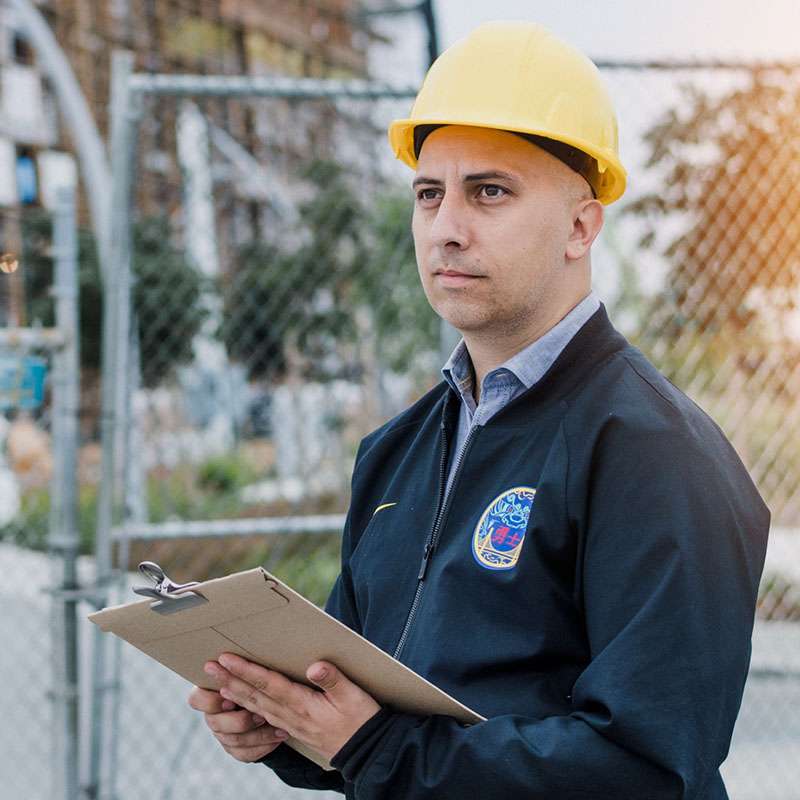
A property manager should never rely on appearance alone — the pavement might look rough on top but be healthy underneath, or look OK but have a failing base.
That’s why inspections matter.
How We Love Paving Helps You Choose the Right Repair Method
We evaluate:
-
Base stability
-
Drainage patterns
-
Traffic load
-
Past repairs
-
Structural vs. surface issues
-
Long-term property plans
-
Budget constraints
Then we recommend the solution that gives you the best return on investment, not just the lowest quote.
Thinking About Repairs? Let’s Walk the Lot Together.
A quick evaluation can save you thousands in unnecessary work.
👉 Request a free assessment from We Love Paving.
We’ll tell you exactly whether your property needs patching, an overlay, or a full repave — with honest recommendations based on real field experience.