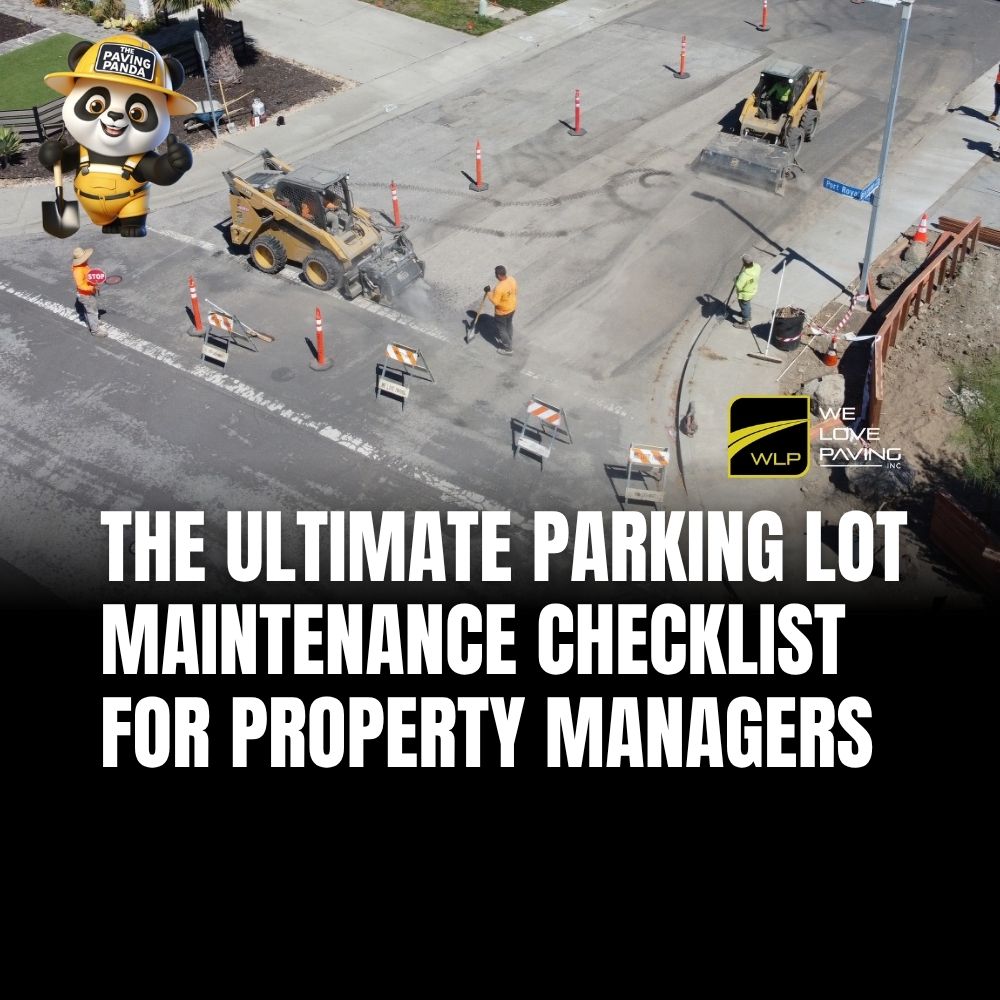
When it comes to property management, the condition of your pavement is often one of the first things visitors notice. A well-maintained parking lot or driveway creates a sense of order, safety, and professionalism. On the other hand, neglected pavement with cracks, potholes, or faded striping sends a very different message—it can make a property look unsafe, poorly managed, and even lower its overall value.
Unfortunately, many property owners treat pavement maintenance as an afterthought, addressing problems only when they become critical. This reactive approach usually leads to higher costs, liability issues, and unnecessary downtime. The truth is that regular pavement maintenance is not just an expense—it is a long-term investment in the safety, functionality, and value of your property.
Why Pavement Deteriorates Over Time
Asphalt and concrete surfaces are constantly exposed to elements that weaken them over time:
-
Weather conditions: Rain, heat, and freezing temperatures cause expansion and contraction, leading to cracks and surface damage.
-
Traffic loads: Heavy vehicles, delivery trucks, and daily traffic put consistent stress on the surface.
-
Water infiltration: When cracks are left untreated, water seeps beneath the pavement, eroding the base and accelerating deterioration.
-
UV rays: Prolonged exposure to sunlight oxidizes asphalt, making it brittle and more likely to crack.
Without intervention, small cracks can evolve into potholes, drainage problems, or structural failures that require full replacement.
The Benefits of Preventive Maintenance
A proactive maintenance strategy has several clear advantages:
-
Cost Savings – Routine services such as crack sealing and sealcoating cost a fraction of what full reconstruction would. Preventive maintenance extends the pavement’s lifespan by up to 10–15 years.
-
Improved Safety – Smooth, properly marked pavement reduces tripping hazards, prevents vehicle damage, and improves traffic flow.
-
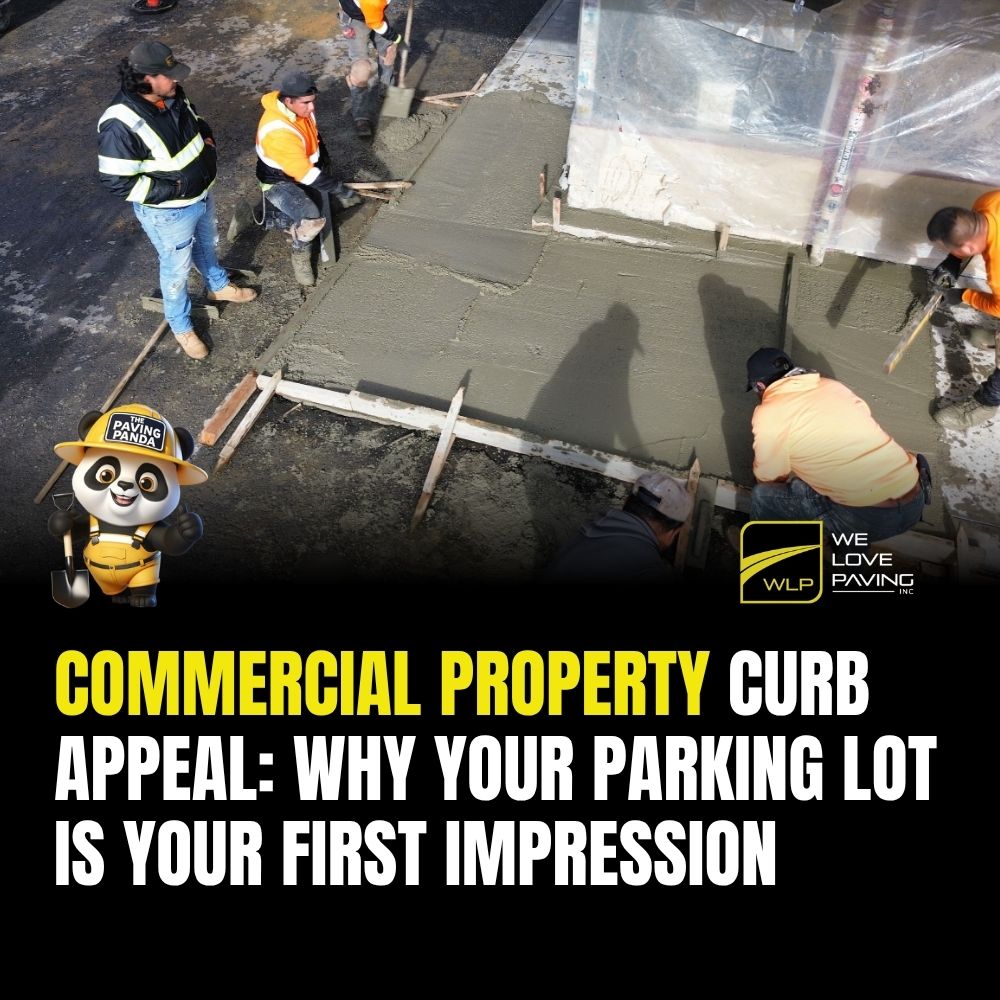
Curb Appeal – A freshly maintained parking lot enhances the overall appearance of your property and creates a positive first impression for customers, tenants, and visitors.
-
Regulatory Compliance – Proper striping and ADA-compliant markings ensure your property meets accessibility and legal standards, helping you avoid fines or lawsuits.
-
Increased Property Value – Buyers and tenants are more likely to invest in a property that demonstrates care and attention to detail.
Key Elements of a Maintenance Program
A comprehensive pavement maintenance plan should include the following:
-
Crack Sealing – Stops water and debris from penetrating the surface and causing further damage.
-
Sealcoating – Protects the pavement from UV rays, weather, and chemicals like oil and gasoline.
-
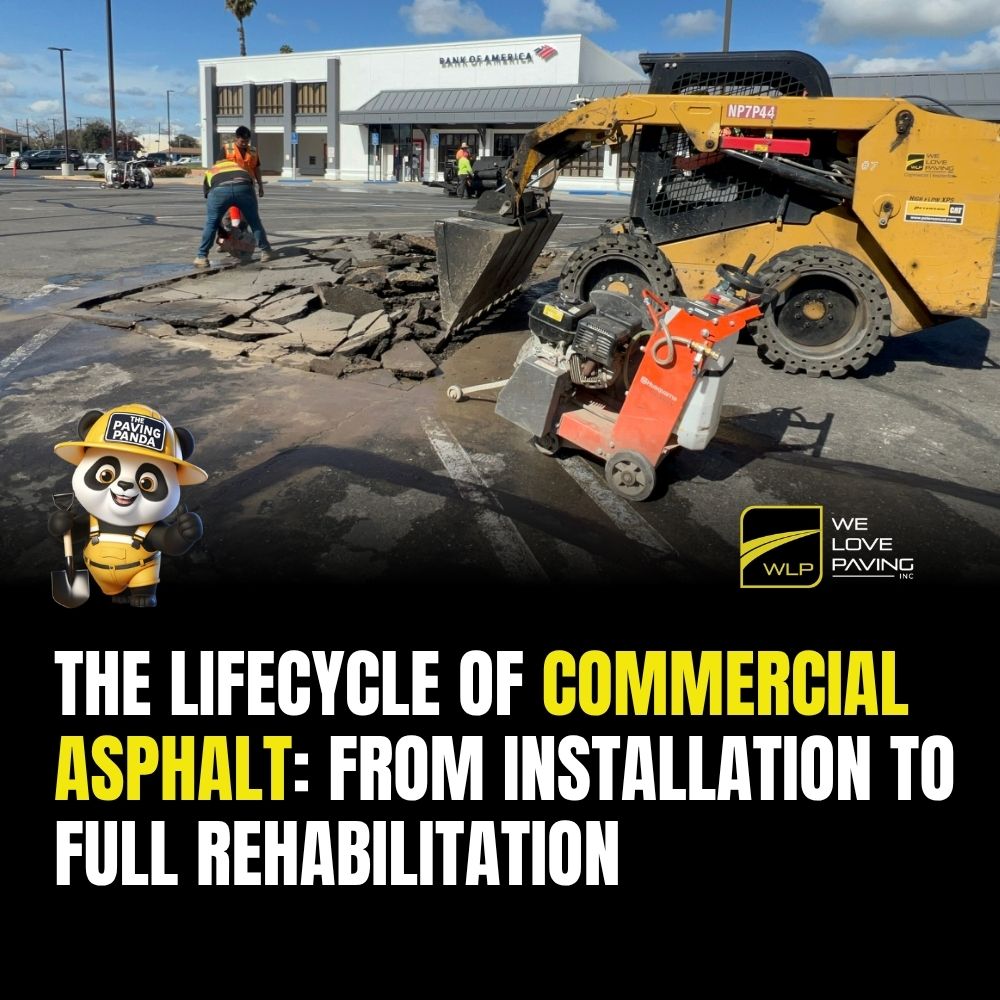
Pothole Repairs – Addresses dangerous surface damage before it worsens.
-
Line Striping & ADA Compliance – Keeps parking areas organized, safe, and legally compliant.
-
Regular Inspections – Identifies minor issues before they escalate into costly repairs.
By scheduling inspections and maintenance every 1–2 years, property owners can ensure long-term durability and avoid surprise expenses.
Why Work With a Professional Team
While some minor repairs may seem manageable in-house, the reality is that proper pavement maintenance requires experience, equipment, and high-quality materials. Choosing the right contractor makes all the difference between short-term fixes and long-lasting results.
At We Love Paving, we understand the unique challenges property managers and owners face. Our experienced team provides personalized assessments, creates customized maintenance plans, and executes projects with minimal disruption to your operations. From small commercial properties to large-scale developments, we deliver reliable, cost-effective solutions that protect your investment.
Conclusion: Maintenance Protects More Than Pavement
Regular pavement maintenance is not only about avoiding cracks and potholes—it’s about protecting your reputation, reducing liability, and ensuring that every visitor to your property feels safe and welcome. Neglecting your pavement may save a little money today, but it will almost always cost significantly more tomorrow.
📞 Contact We Love Paving today to schedule a personalized consultation. Our team is ready to evaluate your property, recommend the right maintenance plan, and keep your pavement in top condition for years to come.