Seal Coating vs. Repaving: When to Choose Each Option

Maintaining asphalt pavement is essential for preserving its longevity, appearance, and functionality. Two of the most common methods for pavement maintenance are seal coating and repaving. While both serve to protect and enhance your pavement, they address different needs and situations. Understanding when to choose seal coating versus re-pave can save you money, time, and frustration. And in some cases increases a property value. Here’s a comprehensive guide to help you decide which option is right for your property.


What Is Seal Coating?

Seal coating involves applying a protective layer of sealant to the surface of asphalt pavement. This process helps shield the pavement from:

  • UV Rays: Prolonged sun exposure can cause asphalt to fade and dry out, leading to cracks.

  • Water Damage: Seal coating prevents water from seeping into small cracks, which can expand in freezing conditions.

  • Chemical Spills: Gasoline, oil, and other chemicals can degrade unprotected asphalt.

Benefits of Seal Coating:

  • Restores the rich black color of asphalt, enhancing curb appeal.

  • Extends the lifespan of pavement by protecting it from the elements.

  • Cost-effective for maintaining asphalt and preventing more extensive damage.

  • Provides a smoother surface for vehicles and pedestrians.


What Is Repaving?

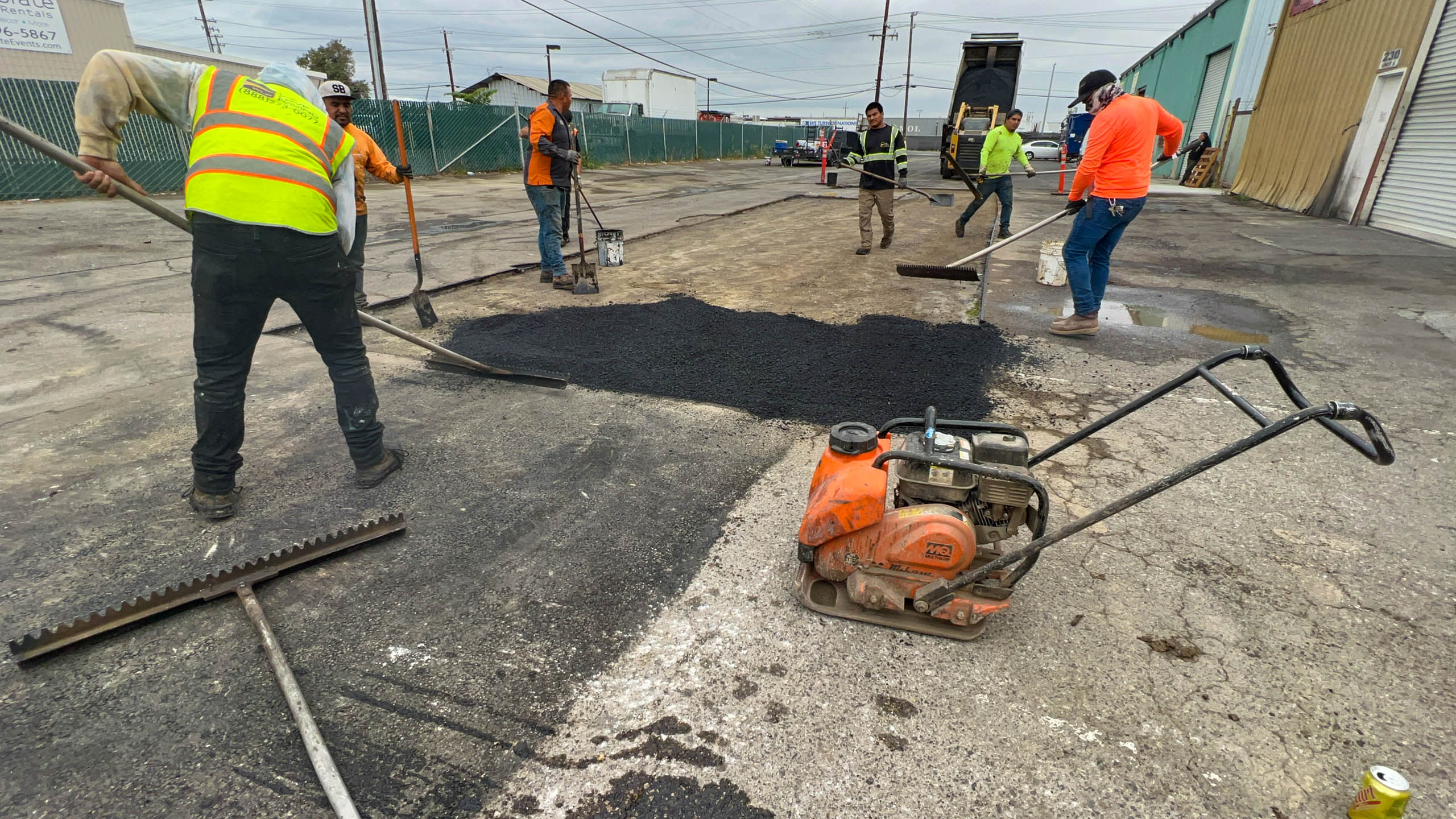
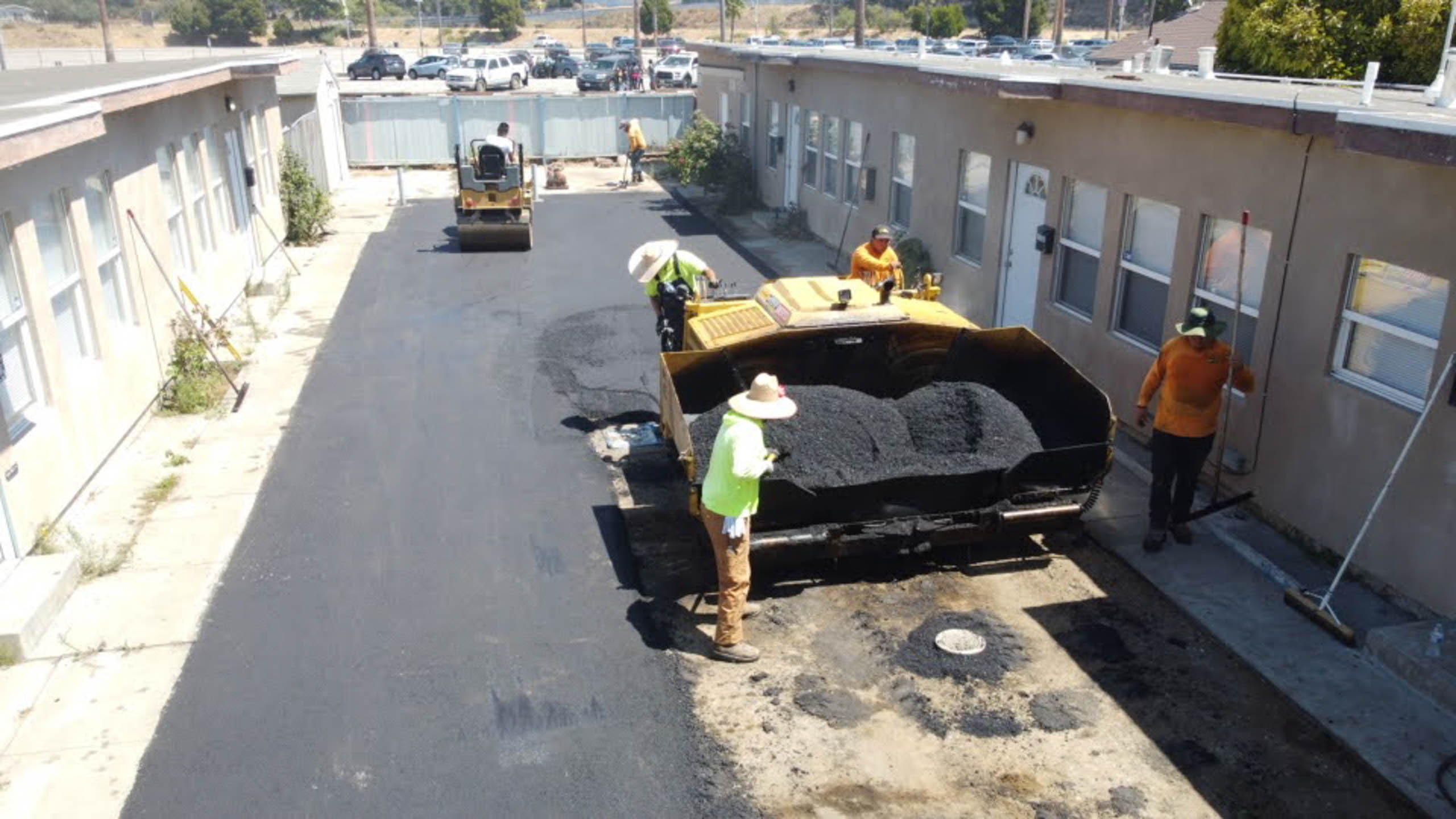
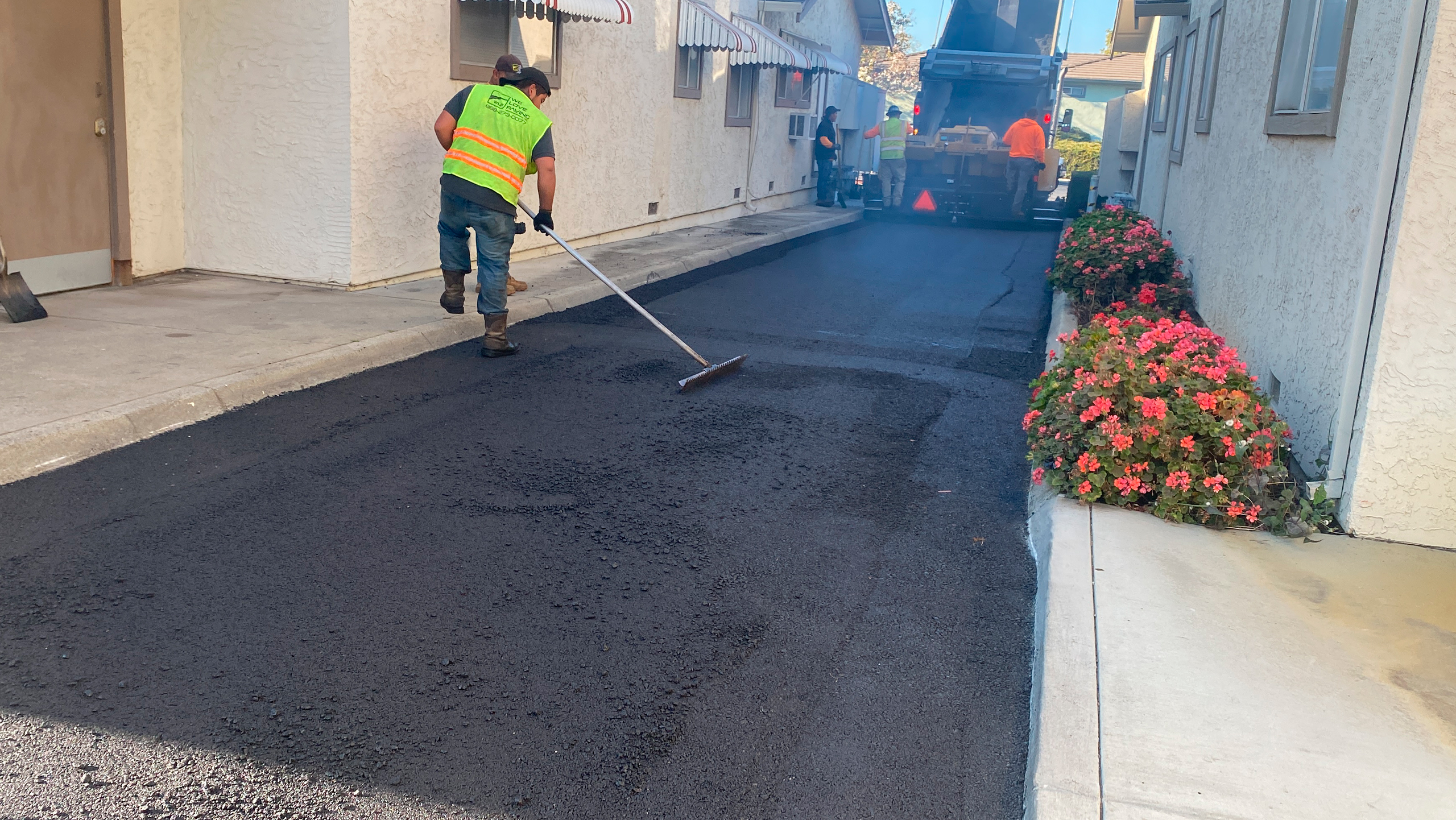
Re-paving, or resurfacing, involves removing and replacing the top layer of asphalt. It’s a more intensive process than seal coating and is typically chosen when the pavement has significant damage or structural issues.

When to Consider Repaving:

  • Extensive Cracking: Large or interconnected cracks (alligator cracking) often indicate underlying structural damage.

  • Potholes: If your pavement has multiple potholes, patching alone may not be sufficient, and repaving could be the best solution.

  • Drainage Issues: Poor grading or drainage problems that lead to standing water can often be corrected during the repaving process.

  • Age: Asphalt pavements older than 15-20 years may require repaving to restore their functionality and appearance.

Benefits of Repaving:

  • Addresses underlying structural problems, not just surface issues.

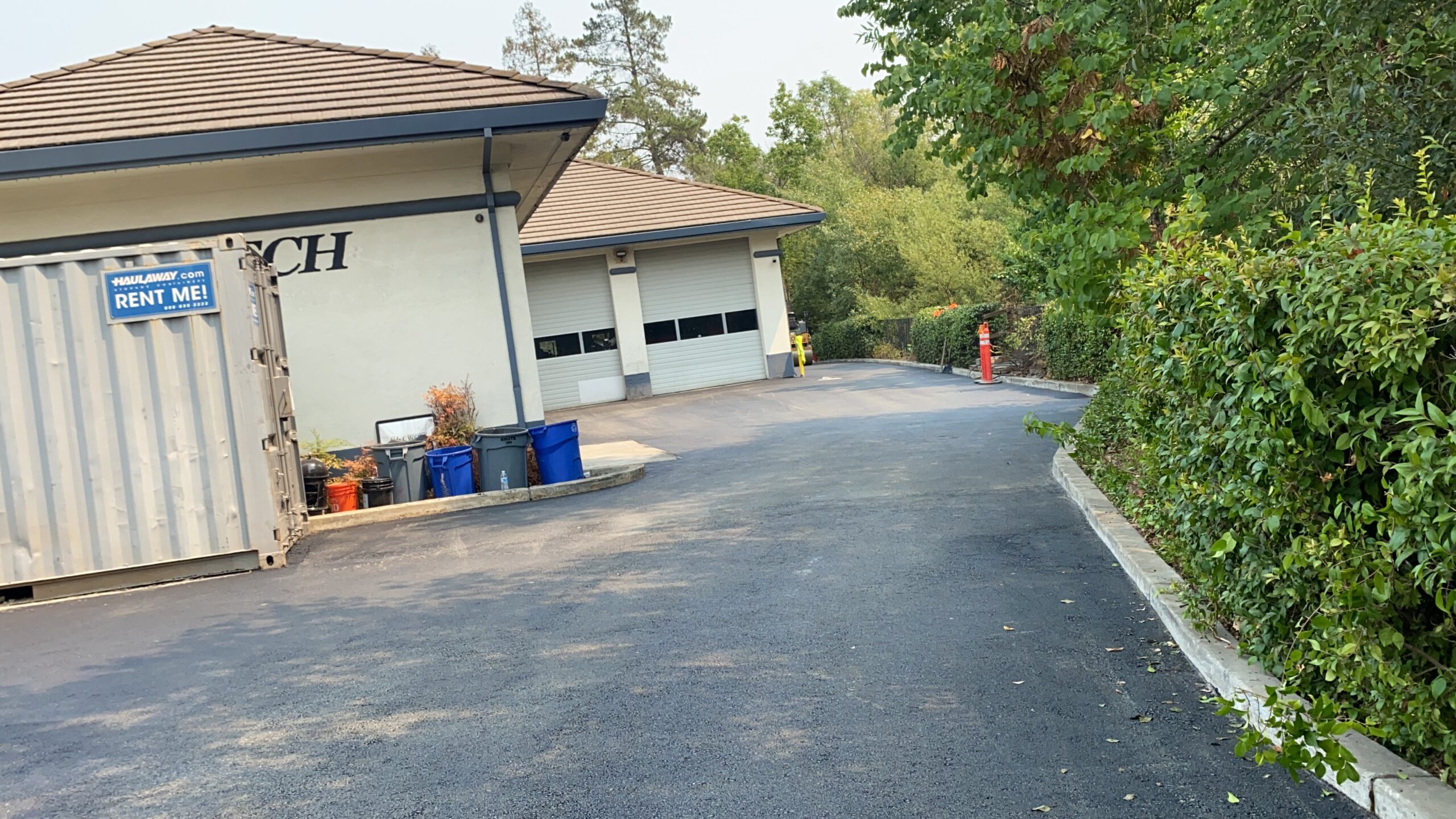
  • Creates a brand-new surface, improving durability and aesthetics.

  • Increases the value of your property by offering a safer, more appealing environment.

How to Decide: Seal Coating or Repaving?

The decision often comes down to the condition of your pavement and your budget. Here’s a breakdown to help you make the right choice:

  1. Inspect the Pavement:

    • Look for visible signs of wear such as cracks, discoloration, and potholes.

    • Assess whether the damage is superficial or structural.

  2. Consider the Age of the Pavement:

    • Pavements under 5 years old generally benefit from seal coating.

    • Pavements older than 15 years often require repaving.

  3. Factor in Your Budget:

    • Seal coating is more affordable and effective for maintaining asphalt that is in relatively good condition.

    • Repaving is a larger investment but addresses long-term problems and extends the lifespan of the pavement.

  4. Evaluate Usage and Traffic:

    • High-traffic areas may require repaving sooner due to accelerated wear and tear.

    • Low-traffic areas can often be maintained with regular seal coating.

  5. Consult a Professional:

    • If you’re unsure about the condition of your pavement, consult a paving expert. They can provide an assessment and recommend the best course of action.


Proactive Maintenance: A Balanced Approach

For optimal pavement health, many property owners adopt a proactive maintenance plan that combines both methods. Here’s how:

  • Regular Seal Coating: Apply seal coating every 2-3 years to protect the surface and delay the need for repaving.

  • Timely Repairs: Address small cracks and potholes as they appear to prevent further deterioration.

  • Periodic Repaving: Schedule repaving every 15-20 years, or as needed, to maintain a safe and attractive surface.


Conclusion

Seal coating and repaving are both essential tools for asphalt pavement maintenance, each serving different purposes. Seal coating is ideal for extending the life of relatively healthy pavement, while repaving is the best solution for addressing significant damage and structural issues. By assessing the condition of your pavement and consulting with professionals like WELOVEPAVING, you can choose the right option and protect your investment for years to come.

Share

WHO IS FRED?

Fred, Regional Operations Manager, comes from a family of immigrant roots and a story built on sacrifice, discipline, and hard work. Growing up, Fred watched his parents work long hours and weekends to create a better future teaching him the values of perseverance, determination, and doing things the right way every single time.
We Love Paving began with Fred’s father, who started doing what he knew best: paving. Over the years, he built experience alongside respected professionals in the industry, refining his methods and developing a reputation for quality work that speaks for itself. As his clientele grew, so did the vision one built not only on skill, but on integrity and pride in every job.

Posts that might interest you

The #1 Asphalt Calculator For Projects

The #1 Asphalt Calculator For Projects

November 21, 2024

How to Tell if Concrete Will Buckle: Expert Tips for California Homeowners

How to Tell if Concrete Will Buckle: Expert Tips for California Homeowners

November 21, 2024

Concrete is known for its strength and durability, but even in the best conditions, cracks can form. In California, the combination of unique environmental factors, soil types, and climate challenges can accelerate this process. Understanding why concrete cracks and how to prevent it is key to maintaining durable surfaces for years to come. Top Causes

Asphalt and What Is the Square Foot Price?

Asphalt and What Is the Square Foot Price?

September 5, 2024

Asphalt Paving FAQs for HOAs: A Comprehensive Guide

Asphalt Paving FAQs for HOAs: A Comprehensive Guide

August 26, 2024

Homeowners’ Associations (HOAs) are responsible for maintaining common areas within communities, ensuring that shared spaces remain safe, attractive, and functional. One of the most significant aspects of this responsibility is the maintenance and management of asphalt-paved areas, such as roads, driveways, and parking lots. Proper asphalt paving and maintenance can extend the lifespan of these

How to Calculate the Price of Asphalt

How to Calculate the Price of Asphalt

August 23, 2024

Asphalt is a popular paving material for driveways, parking lots, and roads due to its durability and cost-effectiveness. If you’re planning to pave an area with asphalt, one of the first things you’ll want to know is how much it will cost. Calculating the price of asphalt involves several factors, including the size of the

What is the Cheapest Form of Paving?

What is the Cheapest Form of Paving?

August 23, 2024

When it comes to enhancing your property with a paved surface, cost is often a major consideration. Whether you’re looking to pave a driveway, patio, walkway, or other outdoor areas, finding a budget-friendly solution that doesn’t compromise on quality is key. While there are numerous paving options available, each with its own set of advantages

Can You Asphalt Over an Old Asphalt Driveway?

Can You Asphalt Over an Old Asphalt Driveway?

August 19, 2024

Yes but only when the existing asphalt is structurally sound. Asphalt overlay works when the base beneath the driveway is stable and damage is limited to surface wear. If deeper issues exist, adding new asphalt will only mask problems temporarily. Asphalt driveways are known for their durability and longevity, but over time, even the best-maintained

What is the Difference Between Road Asphalt and Driveway Asphalt?

What is the Difference Between Road Asphalt and Driveway Asphalt?

August 16, 2024

If your driveway is looking cracked, faded, or worn out, you’re likely looking for the most efficient way to restore it. One of the most common questions property owners ask is: Can you put new asphalt over an old asphalt driveway? The short answer is yes, but it depends heavily on the condition of the

What Should a New Asphalt Driveway Look Like?

What Should a New Asphalt Driveway Look Like?

August 16, 2024

A properly installed asphalt driveway should have a smooth and even surface with no visible bumps, waves, or depressions. The surface should feel consistent when walking or driving over it, without sudden dips or raised areas. When freshly installed, asphalt typically has a deep black, uniform color, indicating the mix was applied and compacted correctly.

Is Asphalt Good for a Patio?

Is Asphalt Good for a Patio?

August 15, 2024

When it comes to creating outdoor spaces like patios, choosing the right material is crucial for both aesthetics and functionality. While materials like concrete, pavers, and natural stone are often the go-to choices, some homeowners and property owners consider asphalt as an alternative. But is asphalt a good option for a patio? In this blog

Previous Next