When constructing an asphalt driveway, the foundation is the most crucial component. A well-prepared base ensures the driveway’s longevity, stability, and resistance to various stresses. In this article, we explore the best base materials and practices for creating a durable and reliable asphalt driveway.
Why a Good Base Matters
The base of an asphalt driveway is essential for several reasons:
- Load Support: The base must support the weight of vehicles without shifting or settling.
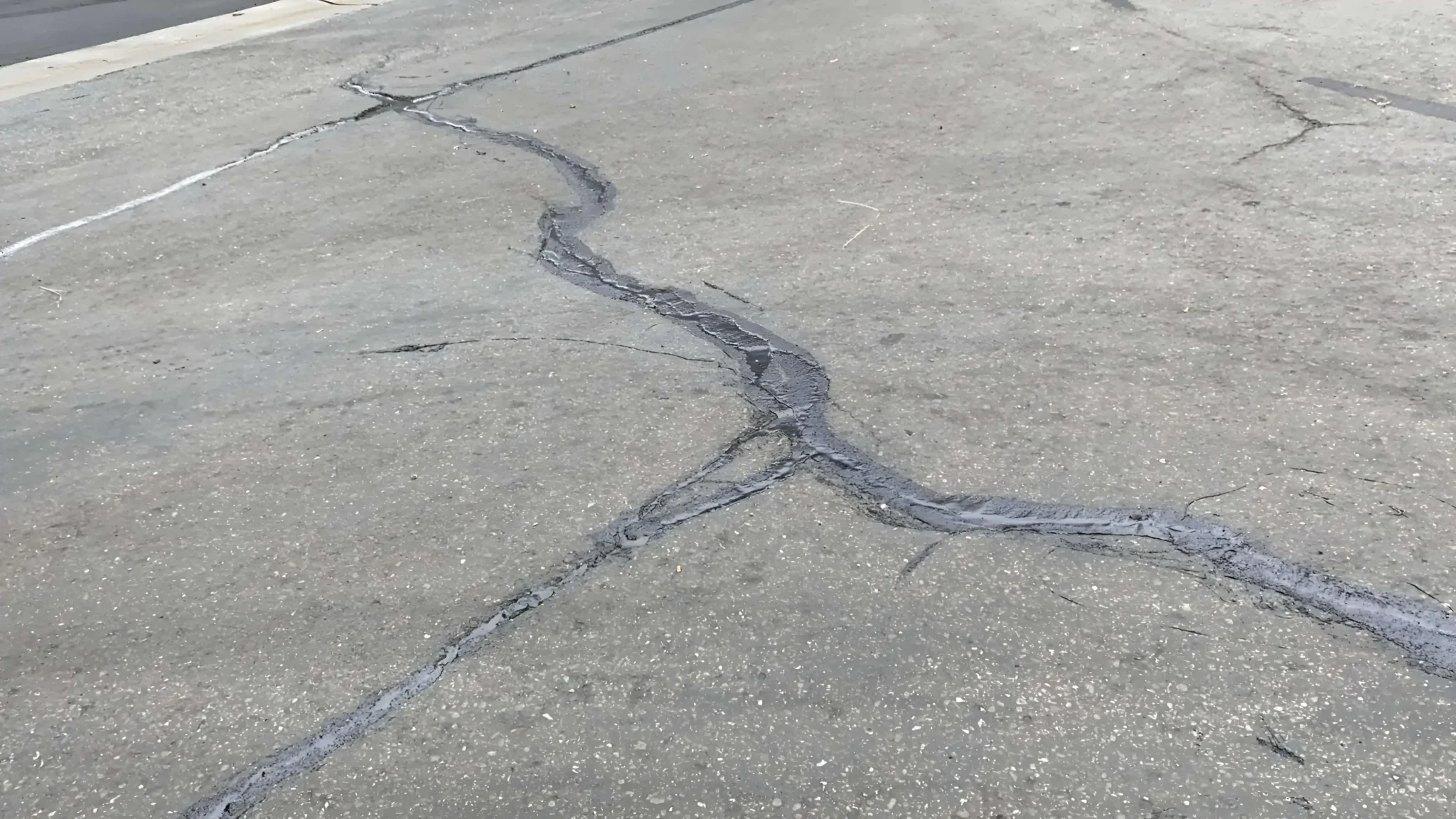
- Drainage: Proper drainage prevents water from weakening the structure, which can lead to cracks and potholes.
- Durability: A strong base extends the life of the driveway by preventing common issues such as rutting and cracking.
Key Components of an Asphalt Driveway Base
A typical asphalt driveway base consists of several layers, each serving a specific function:
- Subgrade
- Subbase
- Base Course
1. Subgrade
Definition: The subgrade is the natural soil on which the driveway is built. It forms the foundation of the entire structure.
Preparation:
- Clearing and Grubbing: Remove all vegetation, roots, and organic matter to create a stable surface.
- Compaction: Use heavy machinery to compact the soil, increasing its density and stability.
- Stabilization: Additives like lime or cement can be mixed with the soil to enhance its load-bearing capacity and resistance to water.
Importance: A well-prepared subgrade is crucial for preventing future settlement and ensuring the driveway’s durability.
2. Subbase
Definition: The subbase is a layer of material placed on top of the subgrade. It provides additional support and aids in load distribution.
Best Materials:
- Granular Aggregate: Crushed stone or gravel, offering excellent drainage and compaction properties.
- Recycled Concrete Aggregate (RCA): Crushed concrete from old structures, providing a cost-effective and environmentally friendly option.
Construction:
- Layering: The subbase is laid in layers, each compacted to the required density.
- Thickness: Typically 4 to 6 inches, depending on the soil conditions and anticipated load.
Importance: The subbase reduces stresses transmitted to the subgrade, enhancing the overall stability of the driveway.
3. Base Course
Definition: The base course is the main load-bearing layer directly beneath the asphalt pavement. It is crucial for the driveway’s structural integrity.
Best Materials:
- Crushed Stone: Often referred to as “crusher run” or “road base,” it offers excellent compaction and drainage properties.
- Gravel: Similar to crushed stone, but with slightly different properties that can vary based on the source material.
Construction:
- Layering and Compaction: The base course is constructed in layers, each compacted to ensure maximum density and strength.
- Thickness: Typically 4 to 6 inches, but may vary based on local conditions and traffic load.
Importance: The base course provides a stable platform for the asphalt layers above, ensuring durability and performance.

Best Practices for Preparing an Asphalt Driveway Base
- Proper Excavation: Excavate to the appropriate depth, accounting for the thickness of all layers.
- Grading: Ensure the subgrade and subbase are properly graded to promote drainage and prevent water accumulation.
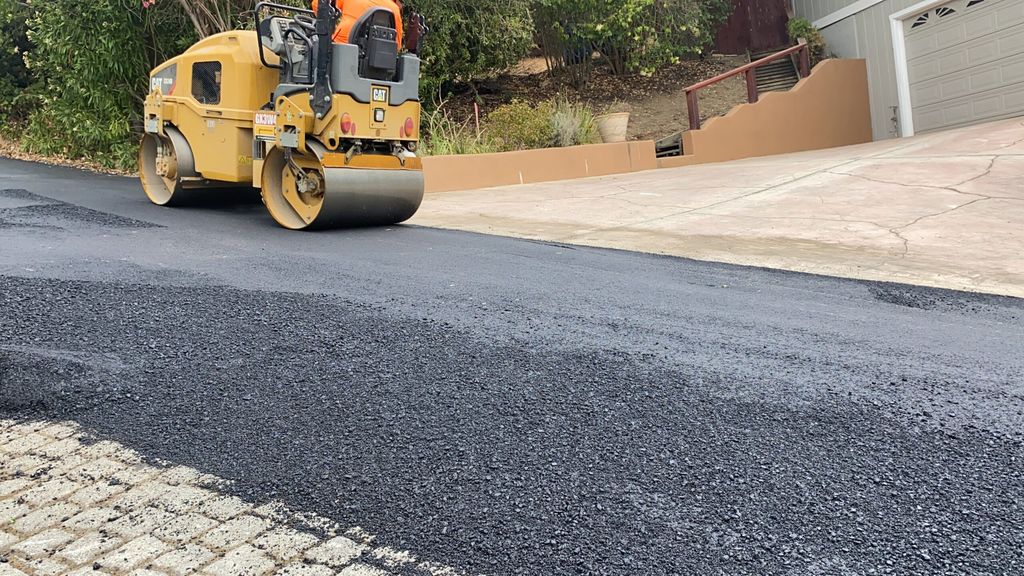
- Compaction: Each layer must be thoroughly compacted using heavy machinery to achieve the desired density and stability.
- Drainage Considerations: Incorporate drainage solutions like geotextiles or French drains to manage water effectively.
Advanced Techniques
Geotextiles and Geogrids: These synthetic fabrics can be placed between the subgrade and subbase to enhance separation, filtration, and drainage. Geogrids can also reinforce the base layers, improving load-bearing capacity.
Recycled Materials: Using reclaimed asphalt pavement (RAP) or recycled concrete aggregate (RCA) can be cost-effective and environmentally friendly. These materials provide similar performance to traditional aggregates when properly processed and compacted.
Conclusion
The best base for an asphalt driveway is a combination of a well-prepared subgrade, a stable subbase, and a robust base course. Using high-quality materials like crushed stone, gravel, and recycled aggregates, along with proper construction practices, ensures a durable and long-lasting driveway. Proper excavation, grading, and compaction are crucial steps in creating a strong foundation that will support the asphalt surface for many years.