Paving vs. Concrete: Unraveling the Debate 2024

In the realm of construction and infrastructure, few debates are as enduring as the one between paving and concrete. Each method has its proponents and detractors, with arguments centered around cost, durability, and environmental impact. But which is truly better? Join us as we delve into the heart of this debate and attempt to unravel the complexities of paving versus concrete.

The Case for Paving

Paving, typically using materials such as asphalt or gravel, has long been a popular choice for roads, driveways, and parking lots. Proponents argue that paving offers several advantages over concrete, including:

  1. Lower Initial Cost: One of the most compelling arguments in favor of paving is its lower initial cost compared to concrete. Paving materials tend to be more affordable upfront, making them an attractive option for budget-conscious projects.
  2. Flexibility and Repairability: Paving is known for its flexibility, which allows it to withstand minor shifting and settling without cracking. Additionally, paving is relatively easy to repair compared to concrete, with patches and resurfacing options readily available.
  3. Quick Installation: Paving projects can often be completed more quickly than concrete projects, thanks to simpler installation processes and shorter curing times. This can be advantageous for minimizing disruption to traffic and business operations.

The Case for Concrete

Concrete, made from a mixture of cement, water, and aggregates, boasts its own set of advantages that make it a preferred choice for many construction projects. Here are some of the arguments in favor of concrete:

  1. Durability and Longevity: Concrete is renowned for its durability and longevity, with properly constructed concrete structures capable of lasting for decades or even centuries. This makes concrete an appealing option for projects where longevity is a priority.
  2. Strength and Load-Bearing Capacity: Concrete offers superior strength and load-bearing capacity compared to paving, making it suitable for heavy traffic areas such as highways, bridges, and industrial facilities. Its rigid nature also helps prevent deformation and rutting over time.
  3. Low Maintenance: While concrete may have a higher initial cost compared to paving, proponents argue that its lower long-term maintenance requirements offset this expense. Properly maintained concrete surfaces can remain functional and aesthetically pleasing with minimal upkeep.

The Verdict

So, which is better: paving or concrete? The answer, as is often the case, depends on the specific needs and priorities of the project. For cost-conscious endeavors with lighter traffic loads and shorter lifespans, paving may offer a more economical solution. However, for projects where durability, longevity, and strength are paramount, concrete emerges as the clear winner.

Ultimately, the key lies in striking a balance between upfront costs and long-term benefits. By carefully weighing the pros and cons of paving versus concrete and considering factors such as traffic volume, climate conditions, and maintenance requirements, project stakeholders can make informed decisions that best serve their objectives.

In the end, whether you pave or concrete, what matters most is ensuring that the chosen material meets the needs of the project while delivering value, durability, and sustainability for years to come.

Share

WHO IS FRED?

Fred, Regional Operations Manager, comes from a family of immigrant roots and a story built on sacrifice, discipline, and hard work. Growing up, Fred watched his parents work long hours and weekends to create a better future teaching him the values of perseverance, determination, and doing things the right way every single time.
We Love Paving began with Fred’s father, who started doing what he knew best: paving. Over the years, he built experience alongside respected professionals in the industry, refining his methods and developing a reputation for quality work that speaks for itself. As his clientele grew, so did the vision one built not only on skill, but on integrity and pride in every job.

Posts that might interest you

What Is Asphalt Patching? Complete Guide for Commercial Property Owners

What Is Asphalt Patching? Complete Guide for Commercial Property Owners

November 11, 2025

Asphalt Backyard Ideas: Affordable, Durable, and Low-Maintenance Outdoor Design

Asphalt Backyard Ideas: Affordable, Durable, and Low-Maintenance Outdoor Design

November 5, 2025

What Is Tandem Parking? Meaning, Rules, and ADA Compliance Tips

What Is Tandem Parking? Meaning, Rules, and ADA Compliance Tips

November 5, 2025

What Is Tandem Parking? Tandem parking refers to two or more vehicles parked end-to-end within a single elongated parking space. In this setup, one car must move to let the other exit, similar to cars sharing a narrow driveway. It’s a design solution often used in space-limited properties, such as multi-family buildings, apartment complexes, or

Commercial Asphalt Thickness Standards in California

Commercial Asphalt Thickness Standards in California

November 4, 2025

Top 5 Safety Hazards in Commercial Parking Lots (and How to Fix Them)

Top 5 Safety Hazards in Commercial Parking Lots (and How to Fix Them)

November 1, 2025

Your parking lot is more than a place to park — it’s the first and last part of your property that every visitor experiences.And if it’s not maintained properly, it can quickly become a liability nightmare. From trip hazards to poor visibility, these seemingly small issues can lead to accidents, lawsuits, and damaged reputations.Here are

Commercial Property Curb Appeal: Why Your Parking Lot Is Your First Impression

Commercial Property Curb Appeal: Why Your Parking Lot Is Your First Impression

November 1, 2025

Why Winter Prep Starts Now: Protecting Your Parking Lot Before the Rain Hits

Why Winter Prep Starts Now: Protecting Your Parking Lot Before the Rain Hits

November 1, 2025

Pavement Density Testing: Why Compaction Is the #1 Factor in Asphalt Longevity

October 30, 2025

The Lifecycle of Commercial Asphalt: From Installation to Full Rehabilitation

The Lifecycle of Commercial Asphalt: From Installation to Full Rehabilitation

October 30, 2025

Why Understanding Pavement Lifecycle Matters Every parking lot and roadway has a lifespan — but how long it lasts depends on how it’s designed, installed, and maintained.For property owners and facility managers, understanding the lifecycle of asphalt pavement is key to planning budgets, extending surface life, and avoiding costly full replacements. At We Love Paving,

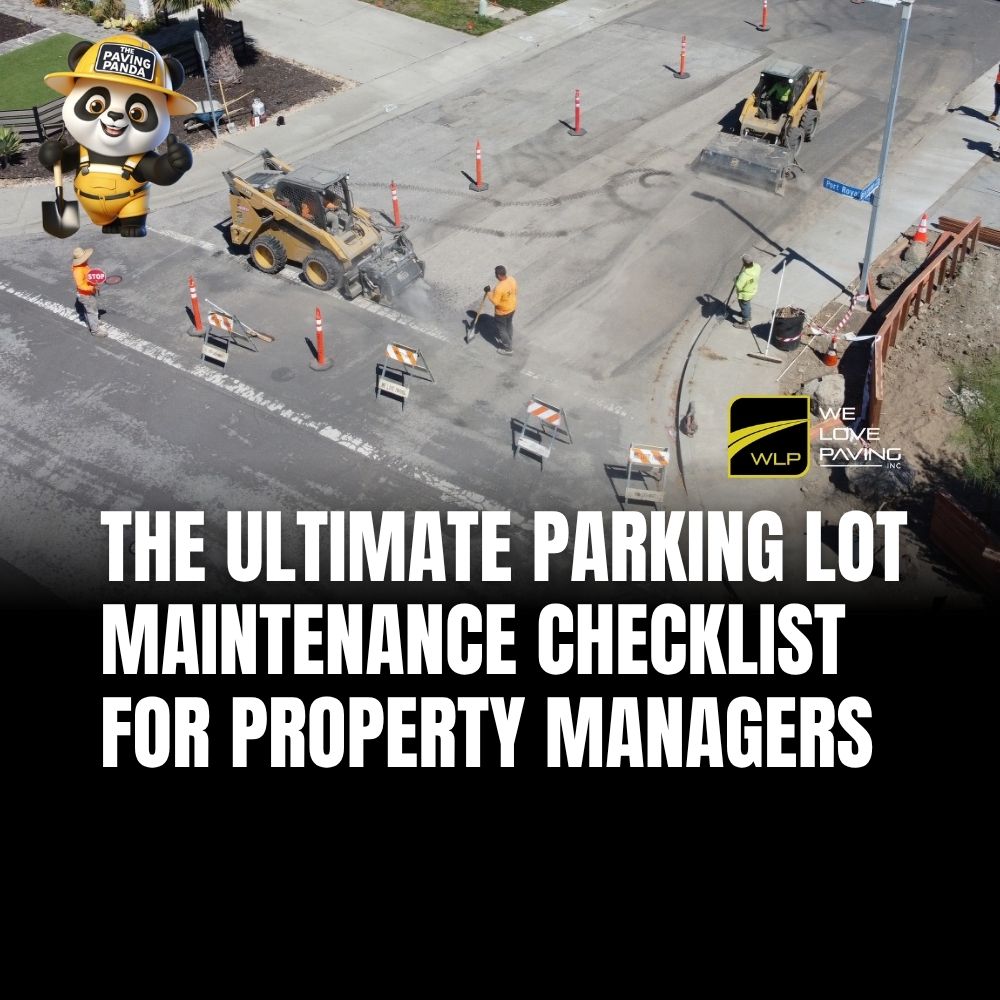
The Ultimate Parking Lot Maintenance Checklist for Northern California Property Managers

The Ultimate Parking Lot Maintenance Checklist for Northern California Property Managers

October 27, 2025

Previous Next