Lifecycle Costing: The Smart Way to Budget for Asphalt Maintenance

When it comes to pavement maintenance, the biggest mistake property managers and HOA boards make isn’t ignoring the asphalt — it’s budgeting the wrong way.

Most budgets focus on reacting to damage instead of preventing it. And that single habit can multiply your long-term costs by 5 to 10 times.

Let’s break down how lifecycle costing helps you protect your budget — and your parking lot — year after year.


🧱 What Is Lifecycle Costing?

Lifecycle costing is the process of planning maintenance and repairs across the entire lifespan of your pavement, not just reacting when it fails.

It’s like routine checkups for your pavement: small, scheduled interventions that save you from major surgeries later.

A typical asphalt surface lasts 20–25 years — if it’s maintained on schedule. Without regular sealcoating and crack filling, that lifespan can drop by half.

📉 The Cost Curve: Preventive vs. Corrective Work

Here’s what the math says:

Type of Work Frequency Cost Impact What Happens If You Skip It
Crack Filling Every 1–2 years 💲 (Lowest cost) Water seeps in, cracks widen
Sealcoating Every 3–5 years 💲💲 Oxidation & surface wear accelerate
Patching & Overlay Every 8–12 years 💲💲💲 Structural damage begins
Full Replacement 15–20+ years 💲💲💲💲💲 Complete failure of pavement

💡 Rule of Thumb:
$1 spent on preventive maintenance saves $5–$10 in future repairs.


🔍 How to Build a Smarter Maintenance Budget

  1. Start with a Pavement Assessment – Have your surface professionally inspected for cracks, drainage, and oxidation.

  2. Create a 5–10 Year Plan – Spread out smaller, predictable expenses instead of facing one major rebuild.

  3. Combine Services Strategically – Crack fill + sealcoat cycles extend life significantly when done together.

  4. Track Aging by Zone – Divide your property into sections with separate maintenance timelines.

  5. Partner with a Contractor Who Thinks Long-Term – At We Love Paving, we don’t just fix — we forecast.


📈 Real Example: The $1 vs $10 Lesson

A property in California skipped crack filling for four years to “save budget.”
Result: cracks widened, water reached the base layer, and the pavement failed.

  • Preventive plan would’ve cost: $7,500 total.

  • Reactive overlay and patching: $68,000.

That’s the price of postponing maintenance.


🧠 Why Boards and Property Managers Love Lifecycle Planning

  • Predictable Budgets – Know what’s coming, avoid surprise expenses.

  • Longer Pavement Lifespan – Each preventive cycle adds 3–7 years.

  • Less Disruption – No emergency repairs or blocked access.

  • Professional Credibility – You look informed and proactive to your board or residents.

Before repaving, make sure you understand what you should lay under asphalt


✅ The Smart Move: Get a Lifecycle Maintenance Plan

If your pavement hasn’t been inspected in the last 12 months, you’re already behind the curve.
Our team can create a custom lifecycle plan for your property — free of charge.

📅 Book your free assessment today and protect your pavement (and your budget) before the next rainy season.


Share

WHO IS FRED?

Fred, Regional Operations Manager, comes from a family of immigrant roots and a story built on sacrifice, discipline, and hard work. Growing up, Fred watched his parents work long hours and weekends to create a better future teaching him the values of perseverance, determination, and doing things the right way every single time.
We Love Paving began with Fred’s father, who started doing what he knew best: paving. Over the years, he built experience alongside respected professionals in the industry, refining his methods and developing a reputation for quality work that speaks for itself. As his clientele grew, so did the vision one built not only on skill, but on integrity and pride in every job.

Posts that might interest you

5 Signs Your Asphalt Needs Professional Attention (Before It Costs You More)

5 Signs Your Asphalt Needs Professional Attention (Before It Costs You More)

June 2, 2025

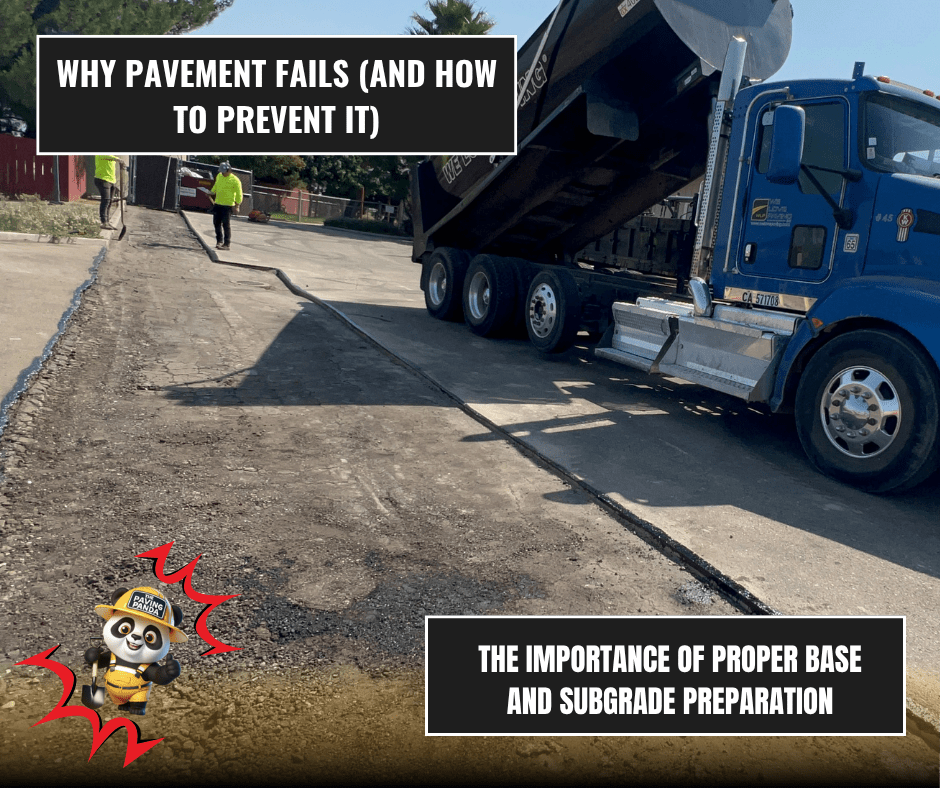
Why Pavement Fails (And How to Prevent It)

Why Pavement Fails (And How to Prevent It)

May 30, 2025

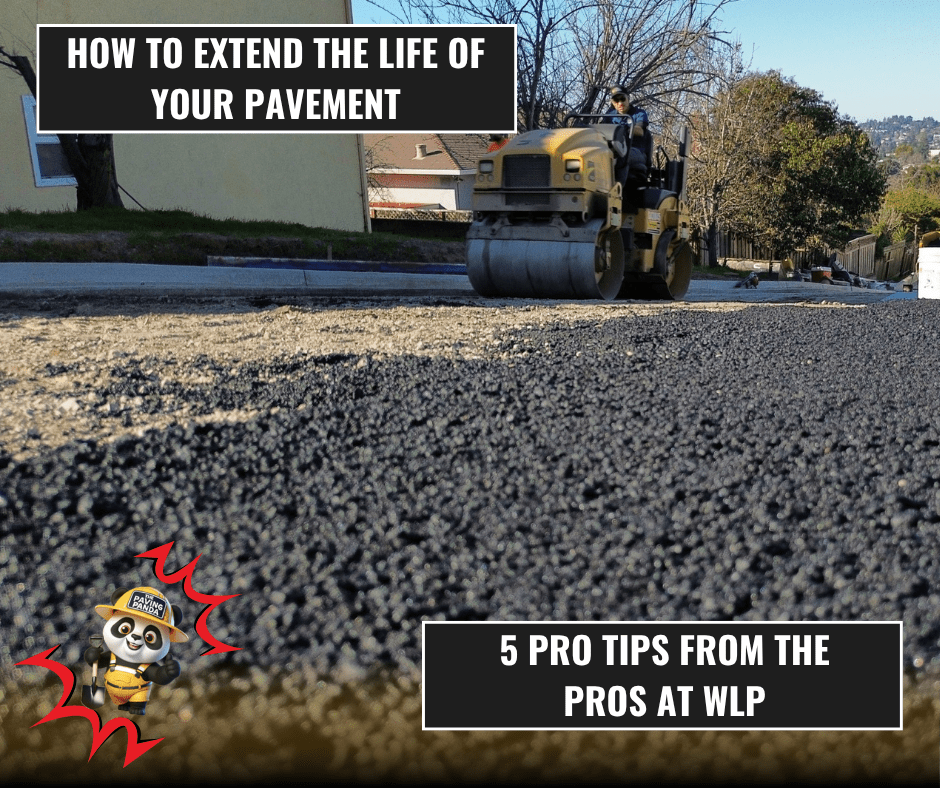
How to Extend the Life of Your Pavement: 5 Pro Tips from the Pros at WLP

How to Extend the Life of Your Pavement: 5 Pro Tips from the Pros at WLP

May 29, 2025

Regular inspections are essential to extending the life of asphalt pavement. Evaluating the surface at least twice a year helps identify early cracking, surface wear, and drainage issues before they escalate into costly repairs. Early detection reduces long-term damage and preserves pavement integrity. Crack sealing and minor asphalt repairs should be addressed as soon as

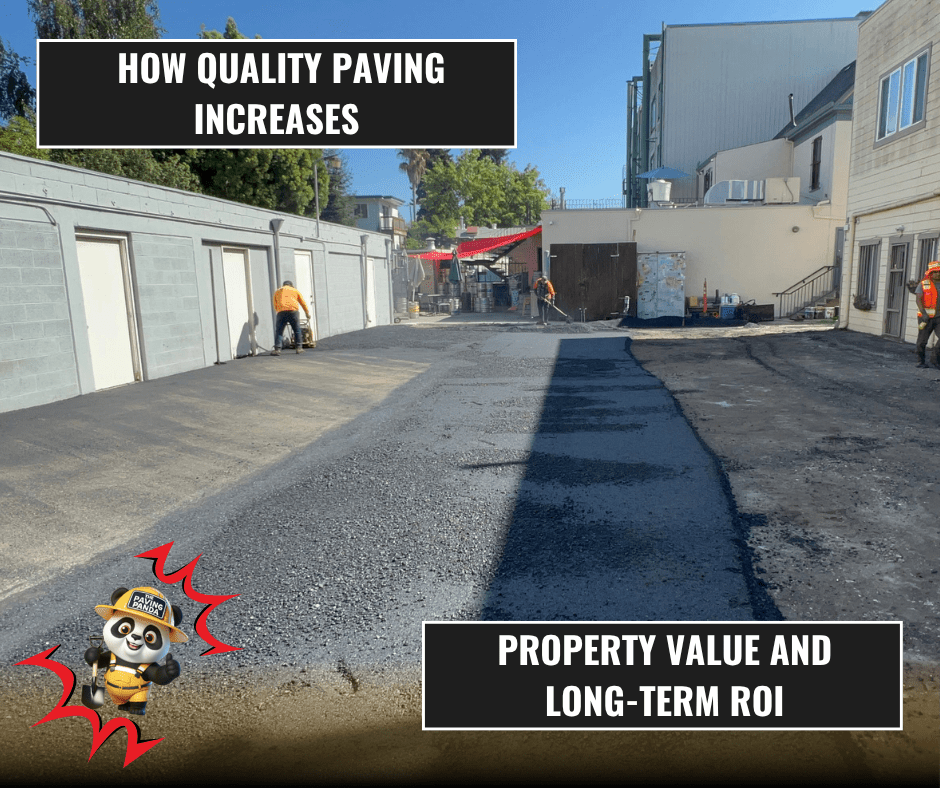
How Quality Paving Increases Property Value and Long-Term ROI

How Quality Paving Increases Property Value and Long-Term ROI

May 23, 2025

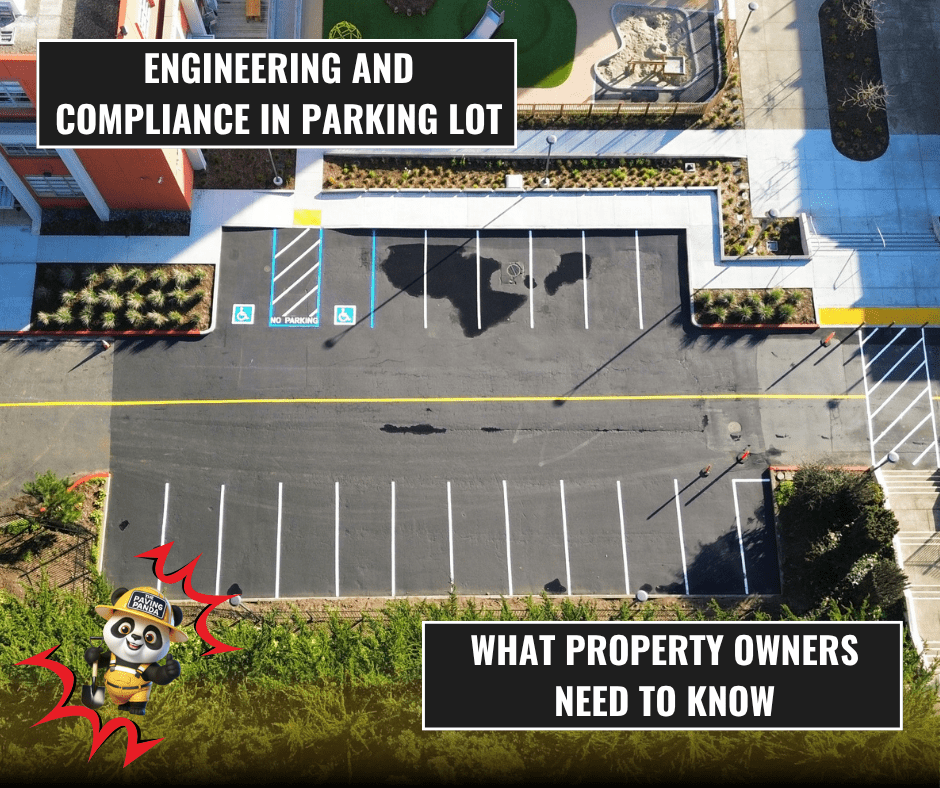
Engineering and Compliance in Parking Lot Design: What Property Owners Need to Know

Engineering and Compliance in Parking Lot Design: What Property Owners Need to Know

May 22, 2025

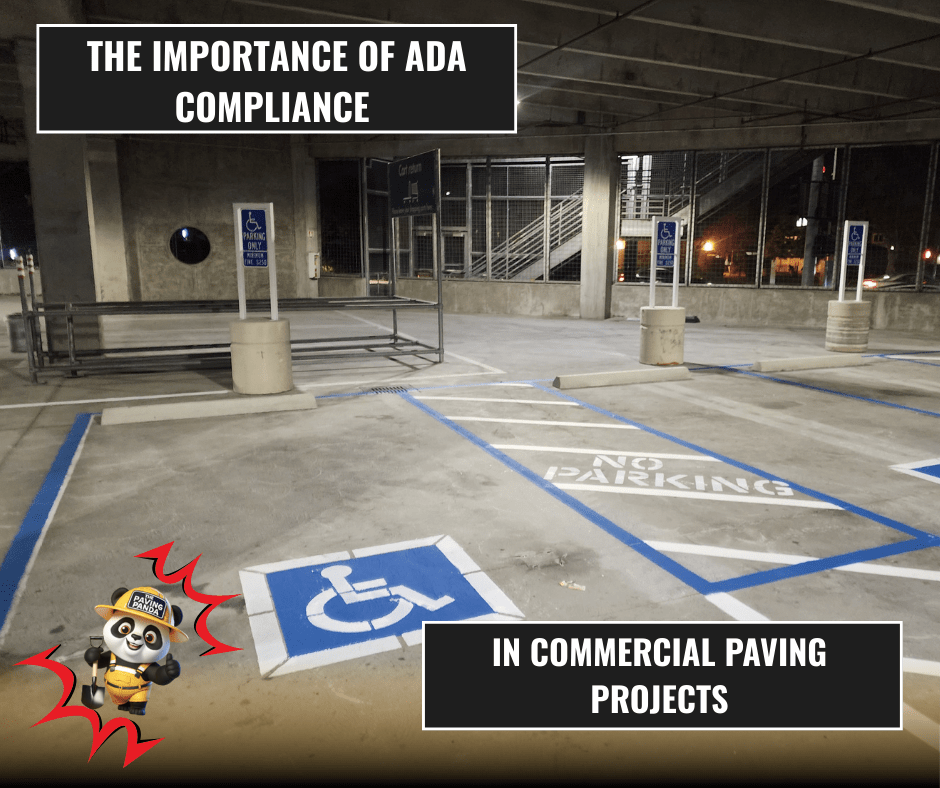
The Importance of ADA Compliance in Commercial Paving Projects

The Importance of ADA Compliance in Commercial Paving Projects

May 21, 2025

When it comes to commercial paving, aesthetics and durability are important—but ADA compliance is non-negotiable. Failure to meet federal accessibility standards doesn’t just lead to fines—it exposes your business to lawsuits, limits customer access, and damages your reputation. At We Love Paving, we specialize in paving solutions that are fully ADA-compliant from the ground up—because

Why Proper Grading Is the Foundation of Every Successful Paving Project

Why Proper Grading Is the Foundation of Every Successful Paving Project

May 20, 2025

Asphalt vs. Concrete: Structural and Lifecycle Considerations for Paving Projects

Asphalt vs. Concrete: Structural and Lifecycle Considerations for Paving Projects

May 19, 2025

Why Sealcoating Is One of the Smartest Investments for Your Asphalt

Why Sealcoating Is One of the Smartest Investments for Your Asphalt

May 16, 2025

The Real Impact of Neglected Asphalt Maintenance

The Real Impact of Neglected Asphalt Maintenance

May 15, 2025

Previous Next