When it comes to creating outdoor spaces like patios, choosing the right material is crucial for both aesthetics and functionality. While materials like concrete, pavers, and natural stone are often the go-to choices, some homeowners and property owners consider asphalt as an alternative. But is asphalt a good option for a patio? In this blog post, we’ll explore the pros and cons of using asphalt for a patio, compare it to other materials, and discuss whether it’s the right choice for your outdoor space.
Benefits of Using Asphalt for a Patio
Asphalt is widely used for driveways, parking lots, and roads, but it also has some unique advantages that can make it an appealing option for patios:
1. Cost-Effectiveness
One of the biggest advantages of using asphalt is its cost-effectiveness. Asphalt is generally less expensive to install than concrete or pavers, making it an attractive option for homeowners on a budget. If you’re looking to create a large patio area without breaking the bank, asphalt could be a viable option.
2. Quick Installation
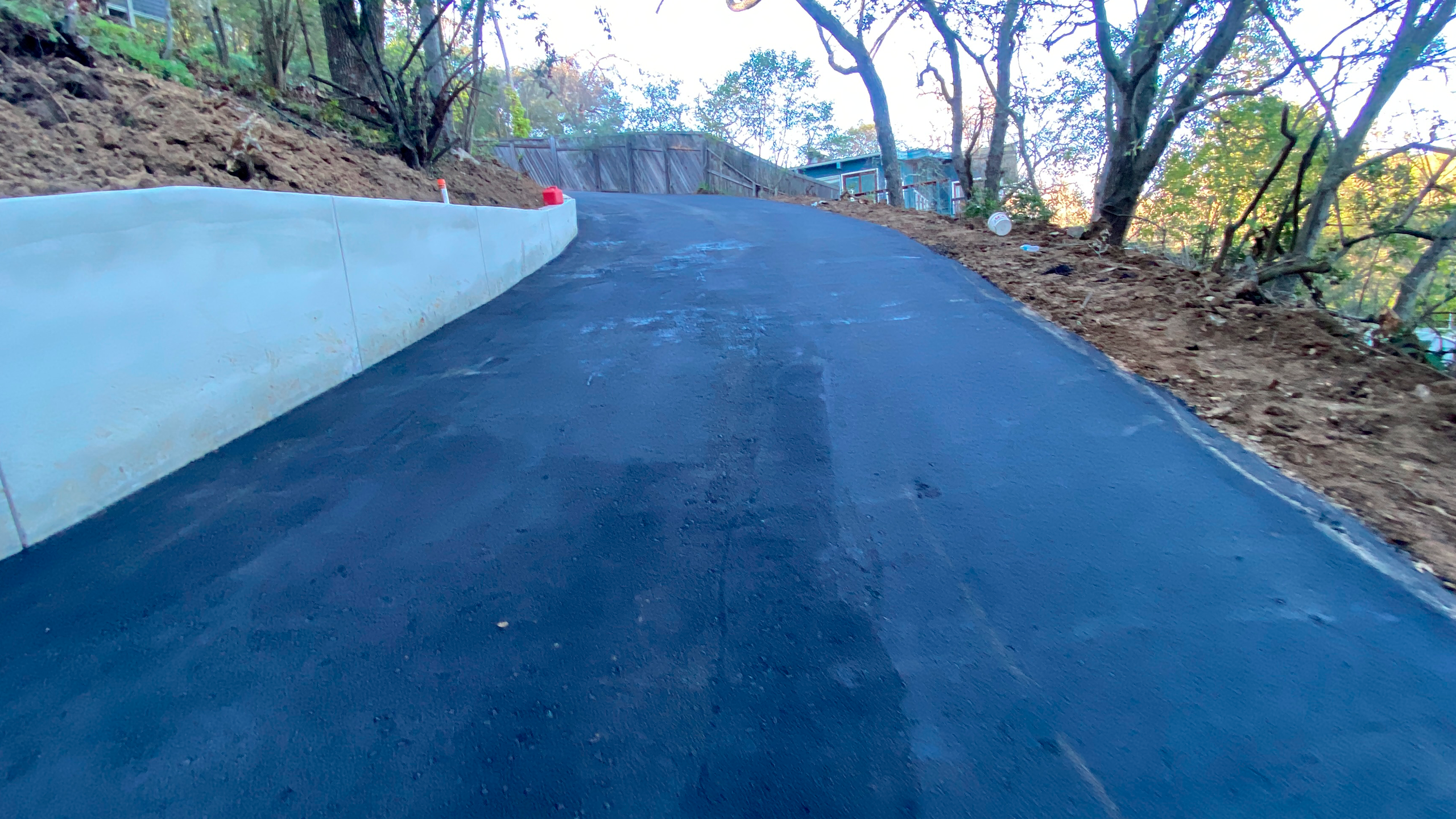
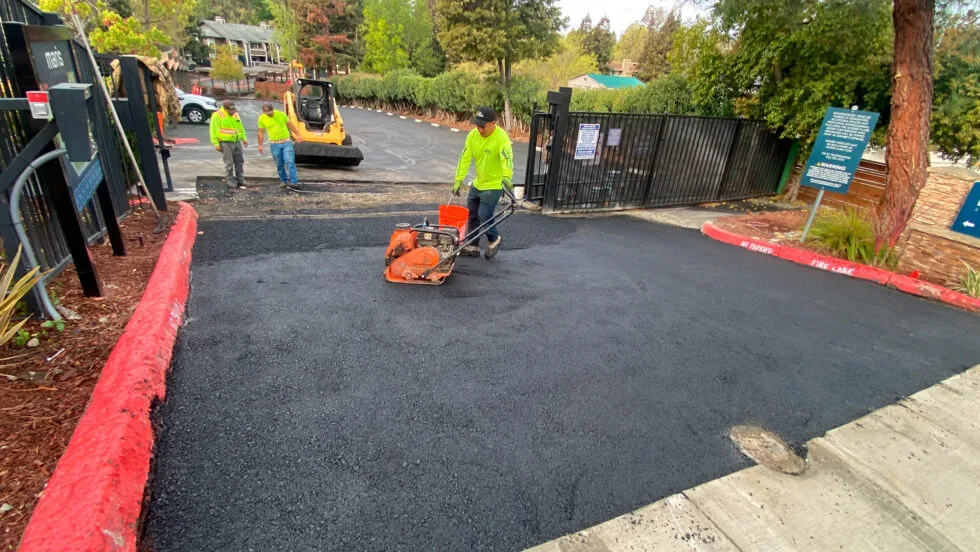
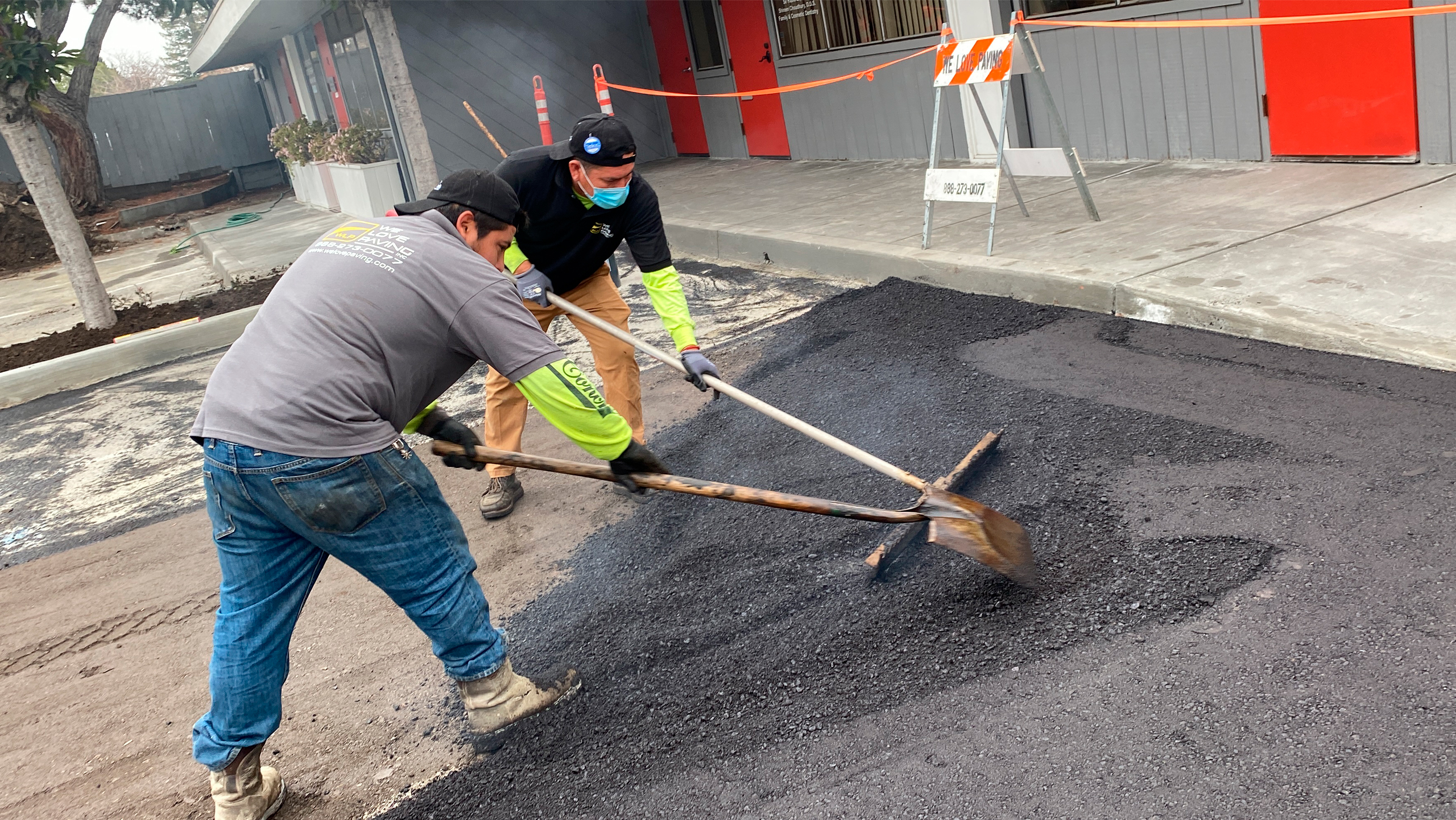
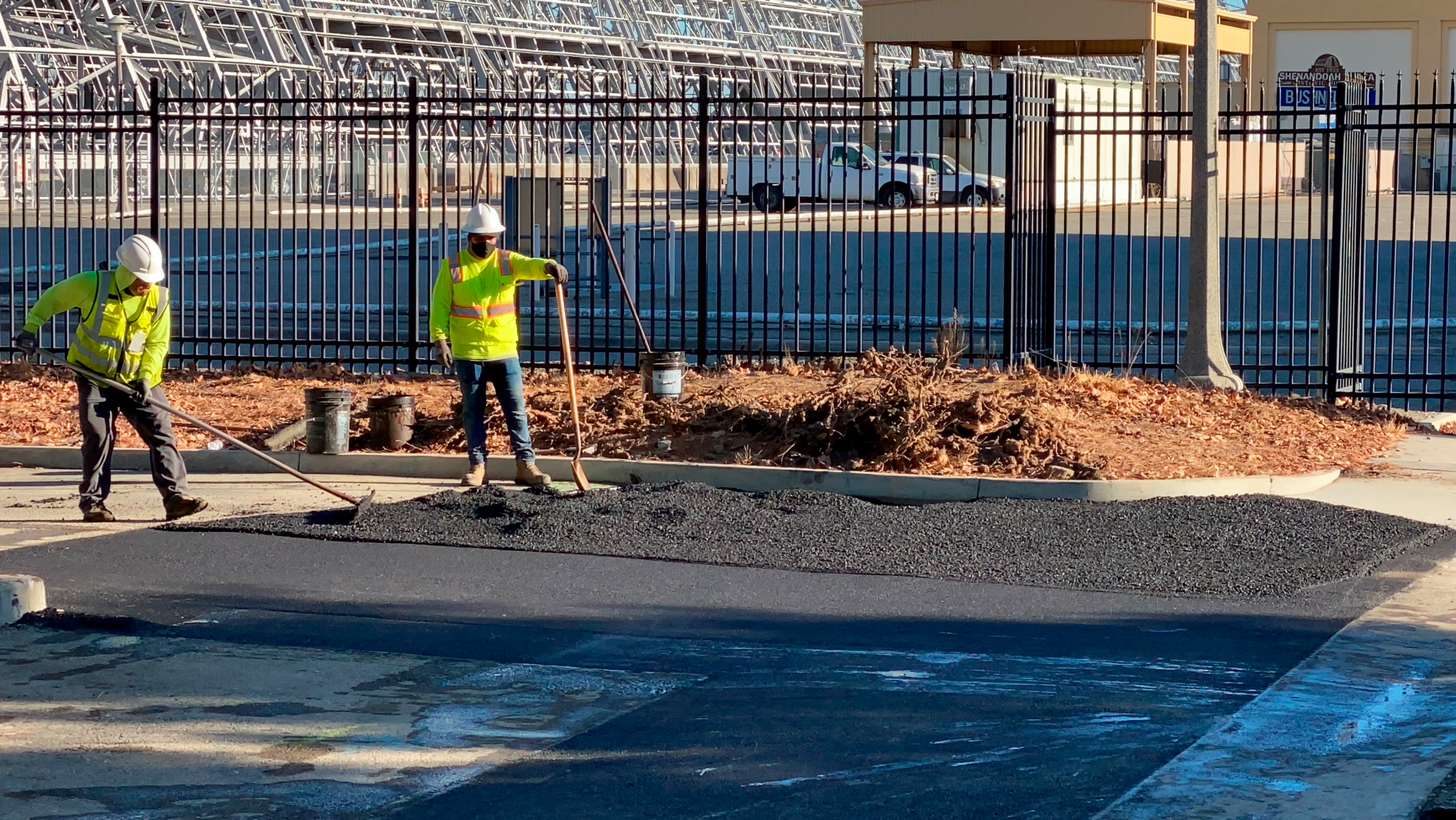
Asphalt can be installed relatively quickly compared to other materials. Once the site is prepared, the asphalt can be poured and compacted in a short amount of time, often in just one day. This makes it a convenient choice if you’re looking to complete your patio project quickly.
3. Durability
Asphalt is known for its durability and ability to withstand heavy traffic and harsh weather conditions. While patios generally don’t experience the same level of stress as driveways or roads, asphalt’s durability can still be a benefit, particularly in regions with extreme temperatures.
4. Low Maintenance
Asphalt requires relatively low maintenance compared to other materials. Regular cleaning and occasional sealcoating can keep an asphalt patio looking good and extend its lifespan. Cracks can be easily repaired with crack sealant, and the surface can be resurfaced if necessary.
5. Smooth Surface
Asphalt provides a smooth, even surface that can be comfortable underfoot. This makes it a good choice for patios where you’ll be walking barefoot, setting up furniture, or playing with children. The smooth surface also makes it easy to move patio furniture around.
Drawbacks of Using Asphalt for a Patio
While asphalt has some advantages, there are also several drawbacks to consider before deciding to use it for a patio:
1. Aesthetic Limitations
One of the main drawbacks of asphalt is its appearance. Asphalt typically comes in a dark black color, which can absorb heat and become uncomfortably hot in direct sunlight. Additionally, asphalt lacks the visual appeal and variety of design options that materials like pavers, natural stone, or stamped concrete offer. If you’re looking to create a visually striking or unique patio, asphalt may not be the best choice.
2. Heat Absorption
Asphalt absorbs and retains heat, which can make it uncomfortable to walk on during hot weather. This could be a significant disadvantage if your patio is in a sunny area and you plan to use it frequently during the summer months.
3. Limited Customization
Unlike pavers or concrete, which can be customized with different colors, patterns, and textures, asphalt offers limited options for personalization. While you can add decorative borders or edges, the overall appearance of an asphalt patio will be fairly uniform.
4. Potential for Softening and Cracking
In extremely hot weather, asphalt can soften, which may cause issues with stability, especially if you have heavy furniture or other items on the patio. Additionally, asphalt is prone to cracking over time, particularly in areas with freeze-thaw cycles.
5. Environmental Concerns
Asphalt is a petroleum-based product, which raises environmental concerns related to its production and disposal. While asphalt can be recycled, the initial production process has a larger carbon footprint compared to more eco-friendly options like permeable pavers or natural stone.
Comparing Asphalt to Other Patio Materials
When deciding whether asphalt is the right choice for your patio, it’s helpful to compare it to other common materials:
1. Concrete
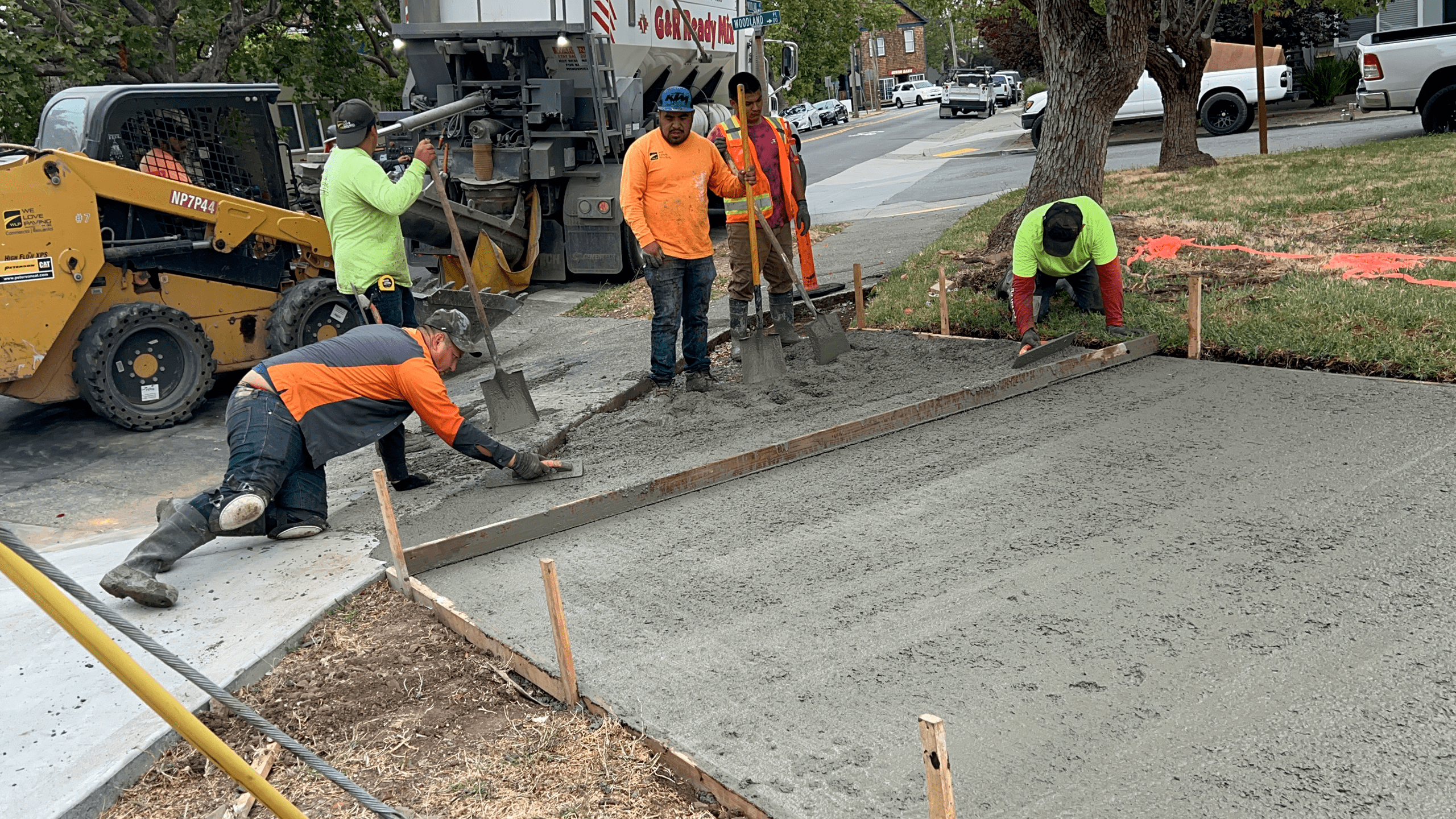
Concrete is a versatile and durable material that can be poured into various shapes and sizes. It can also be stamped or stained to create a wide range of textures and colors. While concrete is more expensive than asphalt, it offers more design flexibility and a more refined appearance.
2. Pavers
Pavers are individual bricks or stones that can be arranged in various patterns. They come in different colors, shapes, and materials, offering a high level of customization. Pavers are generally more expensive and time-consuming to install than asphalt, but they provide a visually appealing and long-lasting surface.
3. Natural Stone
Natural stone, such as flagstone or slate, is prized for its natural beauty and durability. Stone patios have a timeless appeal and can blend seamlessly with the surrounding landscape. However, natural stone is typically the most expensive option and requires professional installation.
4. Gravel
Gravel is a budget-friendly option that provides a rustic look. It’s easy to install and maintain but doesn’t offer the same durability or smooth surface as asphalt. Gravel is also prone to shifting and may require regular replenishment.
Conclusion: Is Asphalt Right for Your Patio?
Asphalt can be a practical and cost-effective option for a patio, particularly if you’re looking for a quick installation and a durable surface. However, its aesthetic limitations, heat absorption, and lack of customization options may make it less appealing compared to other materials like concrete, pavers, or natural stone.