For property managers and business owners, the Americans with Disabilities Act (ADA) is not optional — it is the law. Beyond the legal aspect, ADA compliance ensures accessibility, safety, and inclusivity for everyone who visits your property. Ignoring it can lead to serious consequences, and those consequences often come with a hefty price tag.
The Department of Justice (DOJ) enforces ADA compliance, and the fines are significant. A first violation can cost up to $75,000, while subsequent violations can reach $150,000. That is money that could have been invested in preventive maintenance or property improvements instead of paying penalties.
Real-world examples show just how expensive non-compliance can become. In 2021, a nationwide retailer in California paid more than $100,000 in settlements for not providing proper accessible parking spaces. In Texas, a small restaurant in 2019 had to cover $20,000 in legal fees and damages because its restroom did not meet ADA standards. A property management company in New York faced an even larger challenge in 2020 when tenants filed complaints about inaccessible common areas, forcing the company to spend nearly $200,000 in retrofits.
The financial impact goes beyond fines and lawsuits. Failing to comply with ADA can harm a property’s reputation and drive away tenants or customers. Emergency repairs made under pressure after a violation is flagged often cost two to three times more than planned upgrades. In addition, properties that fail accessibility inspections may face delays in occupancy permits or leasing opportunities, leading to lost revenue.
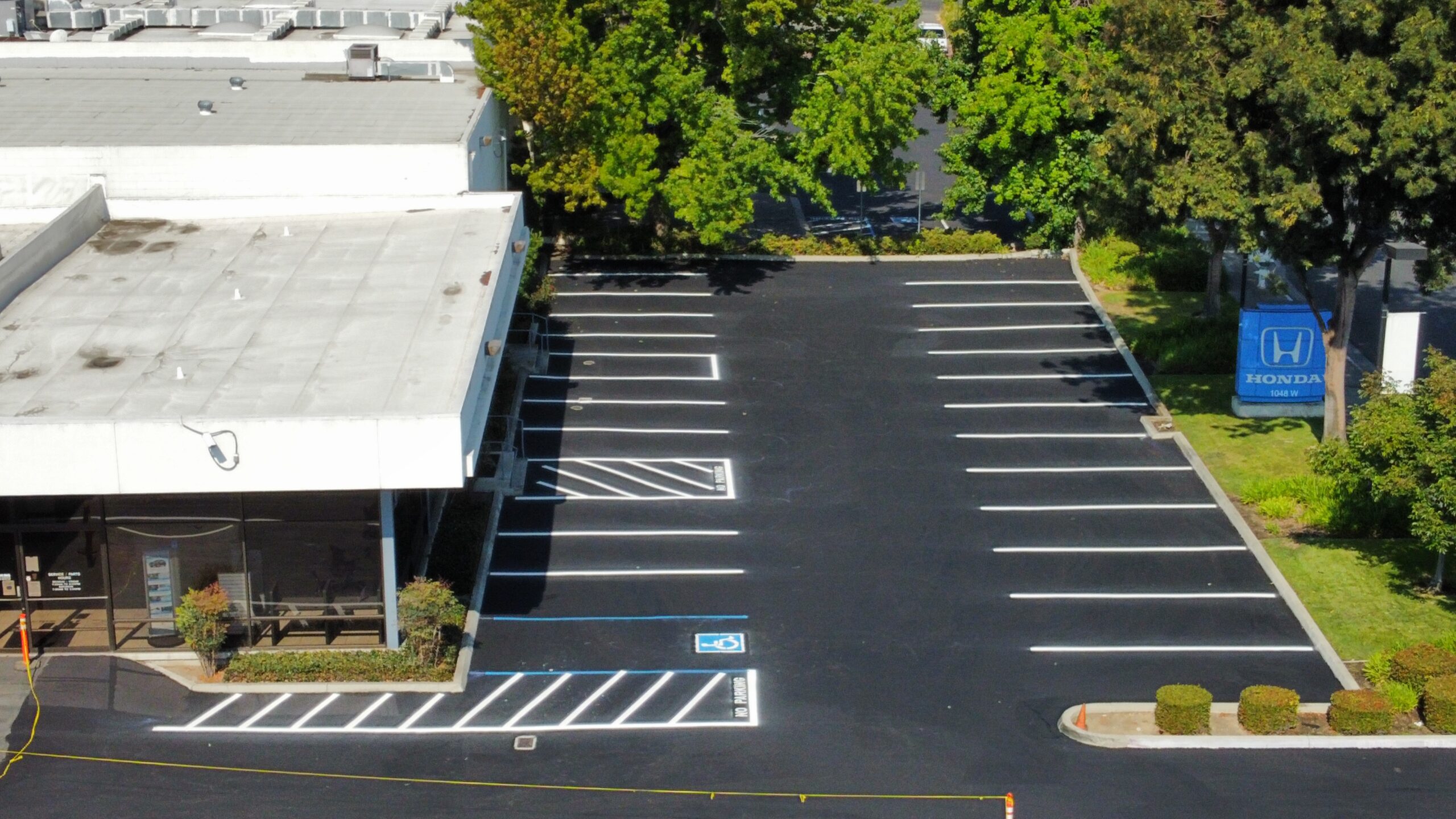
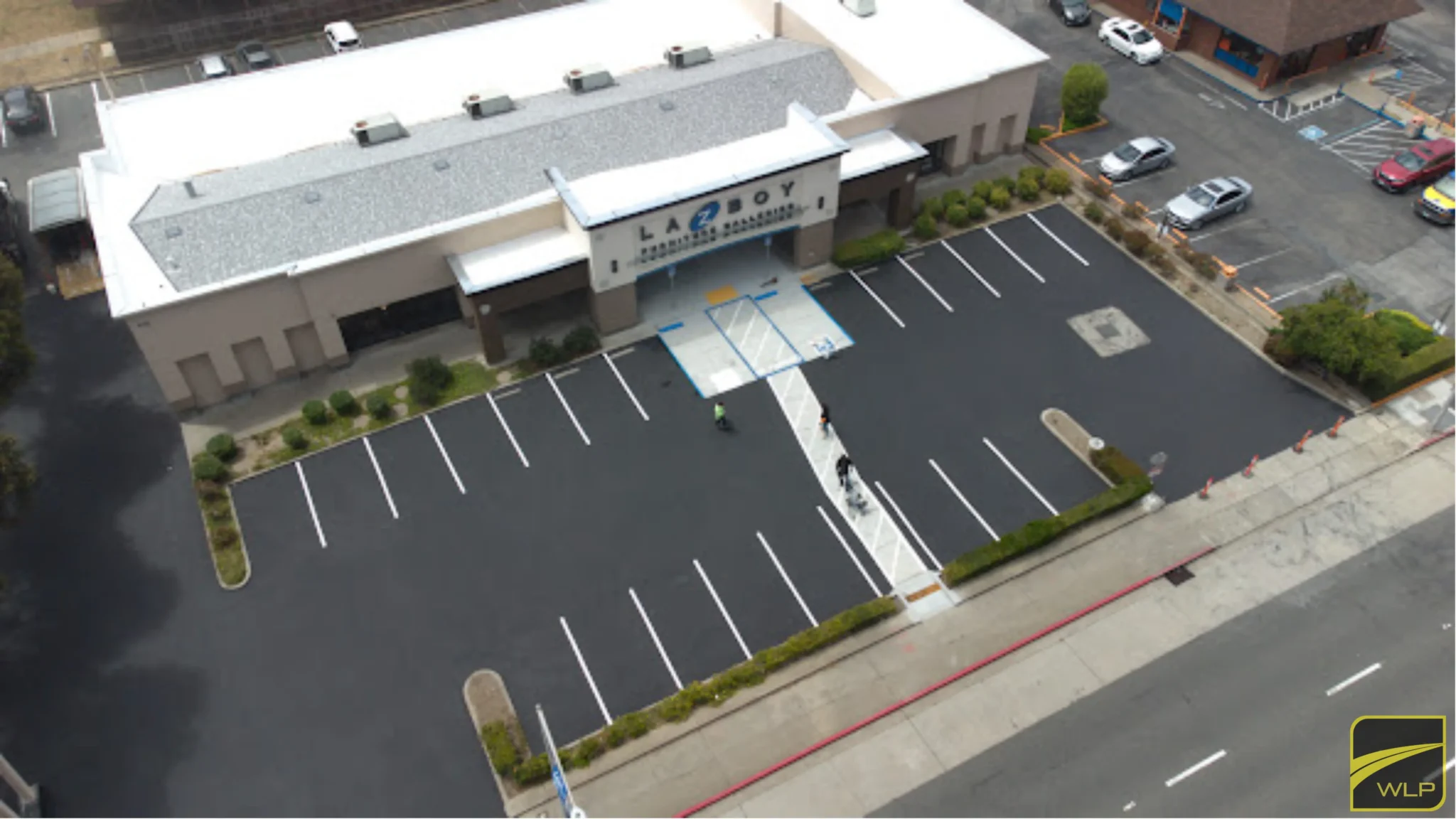
The truth is that preventive maintenance is far less expensive than dealing with violations. Simple updates such as repainting striping, adding proper signage, or installing ramps typically cost only a fraction of what a single lawsuit or fine might demand. Staying proactive not only protects you legally but also increases the value and appeal of your property.
Non-compliance with ADA is not just risky — it is expensive. Property managers who overlook accessibility requirements often face tens of thousands of dollars in fines, lawsuits, and emergency retrofits. On the other hand, those who prioritize compliance save money, reduce liability, and provide safer, more inclusive spaces for everyone.
At We Love Paving, we help property managers like you keep their pavements safe, compliant, and looking their best. Whether you need updated ADA striping, proper signage, or a full parking lot restoration, our team is ready to assist.
📞 Call us today at (888) 273-0077 to schedule a free assessment and get expert recommendations tailored to your property.