Guide to Calculating Asphalt for Projects in San Jose, California

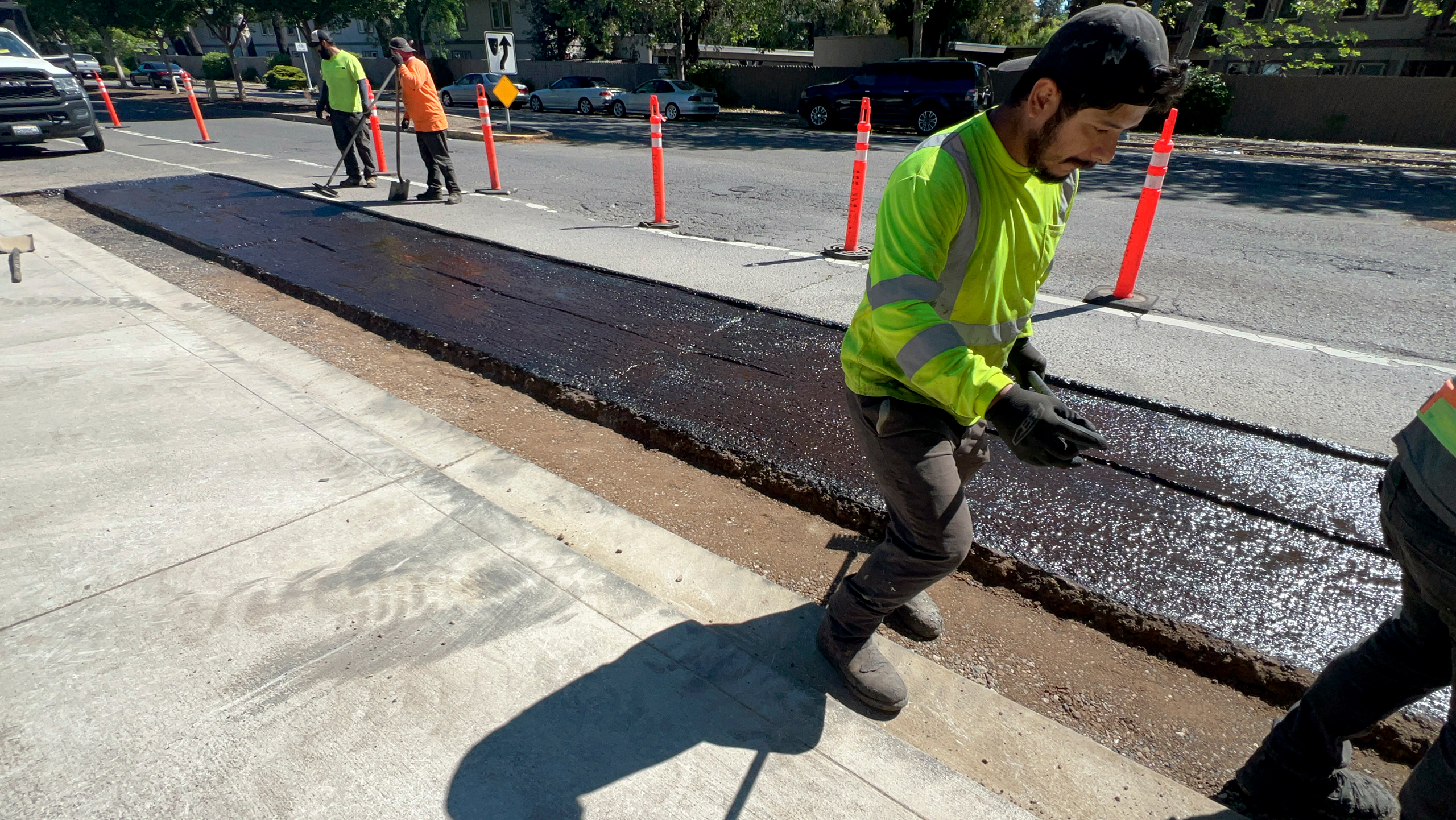
Asphalt is a crucial component in various construction projects, including roadways, driveways, and parking lots. Accurately estimating the amount of asphalt needed for a project is essential to ensure the right materials are ordered and that the project stays within budget. In this guide, we will walk through the process of calculating asphalt requirements specifically tailored for projects in the San Jose, California area.

Understanding Asphalt Types

Before diving into calculations, it’s important to understand the different types of asphalt commonly used in construction projects:

  1. Hot Mix Asphalt (HMA): This is the most commonly used type of asphalt in road construction. It is produced at high temperatures and is known for its durability and ability to withstand heavy traffic.
  2. Warm Mix Asphalt (WMA): Similar to HMA, WMA is produced at lower temperatures, which reduces energy consumption and greenhouse gas emissions. It offers comparable performance to HMA but with added environmental benefits.
  3. Cold Mix Asphalt: This type of asphalt is often used for temporary repairs or in situations where hot mix or warm mix asphalt is not readily available. It can be applied at ambient temperatures and does not require heating.

Steps to Calculate Asphalt Requirements

  1. Measure the Area: Begin by measuring the area where the asphalt will be applied. For a simple rectangular or square area, this can be done by multiplying the length by the width. If the area is irregularly shaped, divide it into smaller, more manageable sections and measure each separately.
  2. Determine Thickness: The thickness of the asphalt layer will depend on the intended use and the local climate. For driveways and parking lots, a thickness of 2 to 3 inches is typical. For roadways, the thickness may vary based on traffic volume and load requirements. Check local regulations and engineering standards for specific thickness recommendations.
  3. Convert Thickness to Feet: Asphalt thickness is commonly expressed in inches, so it’s important to convert this measurement to feet for consistency in calculations. Divide the thickness in inches by 12 to convert it to feet.
  4. Calculate Volume: Multiply the area (in square feet) by the thickness (in feet) to calculate the volume of asphalt needed in cubic feet.
  5. Convert Volume to Tons: Asphalt is typically sold by weight, so the next step is to convert the volume to tons. The density of asphalt can vary, but a commonly used value is around 2,000 pounds per cubic yard. Divide the volume in cubic feet by 27 (the number of cubic feet in a cubic yard) and then multiply by the density to obtain the weight in tons.
  6. Adjust for Compaction: Asphalt is typically compacted during installation, which can reduce its volume by 10% to 20%. To account for compaction, multiply the calculated tonnage by a compaction factor of 1.1 to 1.2.

Example Calculation

Let’s walk through an example to illustrate the calculation process:

  • Area: 1,000 square feet
  • Thickness: 3 inches
  • Thickness in Feet: 3 inches ÷ 12 = 0.25 feet
  • Volume: 1,000 sq ft × 0.25 ft = 250 cubic feet
  • Volume in Tons: (250 cu ft ÷ 27) × 2,000 lbs/cu yd = 18.52 tons
  • Adjusted Volume: 18.52 tons × 1.1 (compaction factor) = 20.37 tons

Conclusion

Accurately calculating asphalt requirements is crucial for the success of any construction project. By following the steps outlined in this guide and adapting them to the specific requirements of your project in the San Jose, California area, you can ensure that you order the right amount of asphalt and avoid unnecessary costs or delays. Remember to consult with local experts and adhere to relevant regulations and standards throughout the process.

In conclusion, proper planning and calculation are essential for asphalt projects in San Jose, California, ensuring they are completed efficiently and effectively.

Share

WHO IS FRED?

Fred, Regional Operations Manager, comes from a family of immigrant roots and a story built on sacrifice, discipline, and hard work. Growing up, Fred watched his parents work long hours and weekends to create a better future teaching him the values of perseverance, determination, and doing things the right way every single time.
We Love Paving began with Fred’s father, who started doing what he knew best: paving. Over the years, he built experience alongside respected professionals in the industry, refining his methods and developing a reputation for quality work that speaks for itself. As his clientele grew, so did the vision one built not only on skill, but on integrity and pride in every job.

Posts that might interest you

How to Save Money on Paving Your Driveway in Sacramento, California.

How to Save Money on Paving Your Driveway in Sacramento, California.

June 14, 2024

Paving a driveway can be a significant investment, but with careful planning and smart choices, you can save money while ensuring a quality result. Sacramento, with its unique climate and soil conditions, requires specific considerations. Here’s a comprehensive guide on how to save money on paving your driveway in Sacramento. Plan and Budget Wisely Before

Seal Coat vs. Slurry Seal: Understanding the Differences and Benefits

Seal Coat vs. Slurry Seal: Understanding the Differences and Benefits

June 13, 2024

When it comes to maintaining and prolonging the life of asphalt pavements, two common treatments often come into play: seal coat and slurry seal. Both methods serve the purpose of protecting and enhancing asphalt surfaces, but they have distinct differences in composition, application, and suitability for various conditions. In this article, we’ll delve deep into

Do You Put Sand or Gravel Under Asphalt Paving? A Guide for Sacramento, California

Do You Put Sand or Gravel Under Asphalt Paving? A Guide for Sacramento, California

June 11, 2024

When it comes to installing asphalt paving in Sacramento, California, one of the most common questions homeowners and builders have is whether to use sand or gravel as a base. Both materials play crucial roles in ensuring a durable, stable, and aesthetically pleasing paved surface. This article explores the importance of using sand and gravel

What is Concreting in Construction? A Focus on Sacramento, California

What is Concreting in Construction? A Focus on Sacramento, California

June 11, 2024

Concreting is a fundamental process in construction, playing a crucial role in creating durable and robust structures. From residential homes to commercial buildings and infrastructure projects, concrete is a versatile and widely used material. In Sacramento, California, concreting is essential for the city’s ongoing growth and development. This article delves into the specifics of concreting

Why Choose Asphalt for Road Construction in San Mateo, California?

Why Choose Asphalt for Road Construction in San Mateo, California?

June 10, 2024

In the picturesque city of San Mateo, California, maintaining and developing infrastructure is vital to support a growing community and enhance the quality of life. When it comes to road construction, asphalt emerges as the material of choice, offering a blend of practicality, sustainability, and performance. This article explores why asphalt is favored in San

The Essential Guide to Road Base Depth in San Mateo, California

The Essential Guide to Road Base Depth in San Mateo, California

June 7, 2024

When it comes to constructing roads, one of the critical factors that influence durability and performance is the depth of the road base. This is particularly important in regions like San Mateo, California, where specific geological and environmental conditions can impact road stability. This article investigates the ideal road base depth for San Mateo, incorporating

An Investigation into Why Paving Slabs Are So Expensive

An Investigation into Why Paving Slabs Are So Expensive

June 6, 2024

Paving slabs, commonly used in patios, walkways, and driveways, are a popular choice for outdoor paving due to their durability and aesthetic appeal. However, one frequently raised concern is their high cost. This investigation explores the factors contributing to the expense of paving slabs, covering material selection, manufacturing processes, transportation, labor, and market dynamics. Understanding

An Investigation into the Two Main Types of Paving: Concrete and Asphalt

An Investigation into the Two Main Types of Paving: Concrete and Asphalt

June 6, 2024

Paving is a crucial aspect of urban development and infrastructure. The choice of paving material significantly impacts the durability, cost, maintenance, and overall aesthetic of roads, driveways, and other paved surfaces. This investigation delves into the two main types of paving: concrete and asphalt. By examining their composition, installation processes, advantages, disadvantages, and applications, we

What is a concrete service?

What is a concrete service?

June 5, 2024

A concrete service typically refers to a service provided by a concrete contractor or company. Concrete services encompass a wide range of offerings related to the installation, repair, and maintenance of concrete structures. These services may include: Concrete Installation This involves pouring and shaping concrete to create various structures such as driveways, sidewalks, foundations, retaining

Unveiling the Power of Concrete: A Masterpiece in Modern Construction

Unveiling the Power of Concrete: A Masterpiece in Modern Construction

June 5, 2024

In the realm of construction, few materials boast the versatility, durability, and sheer impact of concrete. Often regarded as the cornerstone of modern architecture and infrastructure, concrete stands as a testament to human ingenuity and engineering prowess. In this exploration, we delve into the myriad facets of concrete, uncovering its secrets, applications, and enduring significance

Previous Next