Does Asphalt Harden Over Time? Understanding the Aging Process and Its Implications

Asphalt, commonly known as bitumen, is a vital material used in constructing roads, driveways, and parking lots. Known for its durability and flexibility, asphalt provides a smooth driving surface and withstands various environmental conditions. However, one question that often arises is, “Does asphalt harden over time?” Understanding the hardening process of asphalt is crucial for maintaining road quality, planning maintenance, and ensuring the longevity of asphalt surfaces.

What is Asphalt?

Asphalt is a mixture of aggregates (such as sand, gravel, and crushed stone) and a binder, typically bitumen. Bitumen, a viscous, black, and sticky substance, acts as a glue to hold the aggregates together. Asphalt is chosen for its flexibility, resistance to water, and ability to bear heavy loads, making it ideal for road construction.

There are different types of asphalt, including hot mix asphalt (HMA), warm mix asphalt (WMA), and cold mix asphalt. Each type has specific applications and properties that influence its performance and longevity.

The Hardening Process

Initial Curing Phase

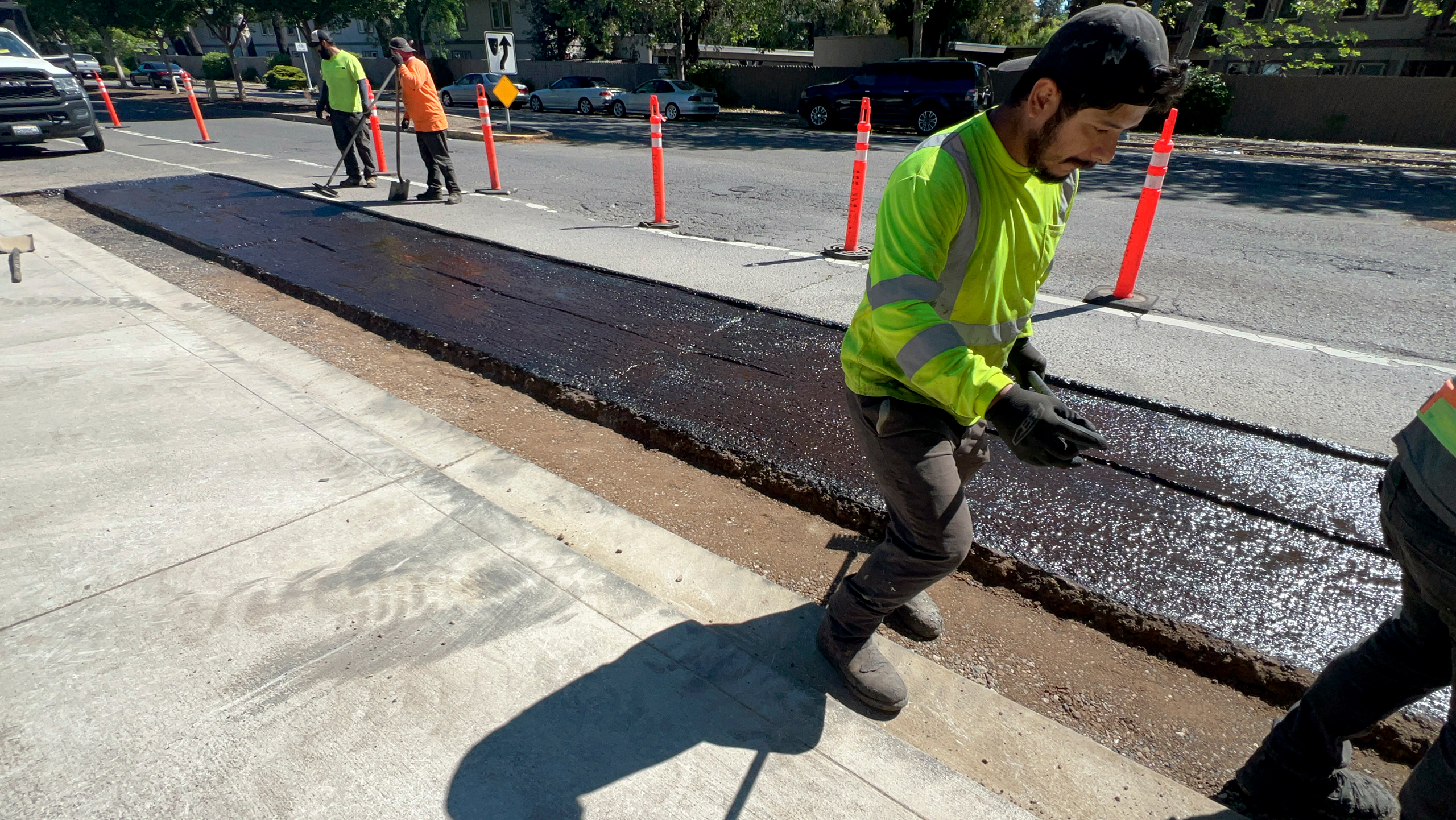
When asphalt is first laid, it goes through an initial curing phase. During this time, the asphalt cools and hardens to some extent, becoming stable enough for traffic. This initial curing usually occurs within a few hours to a few days after installation, depending on the ambient temperature and the type of asphalt used.

Long-Term Hardening and Aging

After the initial curing phase, asphalt continues to harden over time through a process known as aging. Long-term hardening results from various factors, including environmental exposure and mechanical stresses.

Factors Influencing Asphalt Hardening

  • Temperature: Asphalt is sensitive to temperature changes. High temperatures can cause it to become soft and pliable, while low temperatures can make it brittle and prone to cracking.
  • Weather: Exposure to sunlight, rain, and snow accelerates the aging process. UV radiation from the sun causes oxidation, leading to the hardening of the binder.
  • Traffic Load: The weight and frequency of vehicles traveling over the asphalt contribute to compaction and hardening. Heavy traffic can accelerate the aging process, leading to surface wear and tear.

Scientific Explanation

Chemical Changes in Asphalt Over Time

Asphalt undergoes various chemical changes as it ages. The primary process involved in asphalt hardening is oxidation. Over time, the oxygen in the air reacts with the bitumen binder, causing it to lose its flexibility and become more brittle. This oxidation process is exacerbated by UV radiation and heat.

Role of Oxidation and Polymerization

Oxidation leads to the formation of asphaltenes, high-molecular-weight compounds that contribute to the stiffness of the asphalt. Additionally, polymerization, a chemical reaction where small molecules combine to form larger, more complex molecules, also plays a role in the hardening process. These changes result in a stiffer and more brittle asphalt mixture over time.

Practical Implications

Effects on Pavement Performance

The hardening of asphalt has several practical implications for pavement performance. As asphalt becomes more brittle, it is more susceptible to cracking and surface deterioration. This can lead to potholes, rutting, and other forms of pavement distress, reducing the lifespan of the road and increasing maintenance costs.

Maintenance and Rehabilitation Strategies

To counteract the effects of asphalt hardening, regular maintenance is essential. This includes:

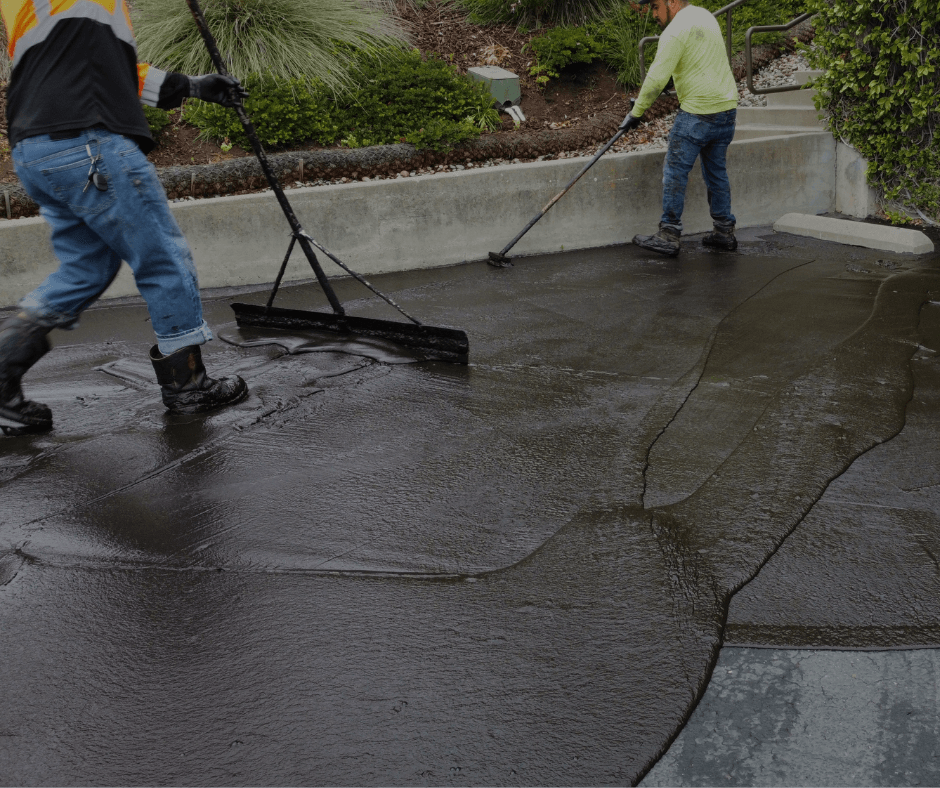
  • Seal Coating: Applying a protective layer to the asphalt surface to reduce oxidation and UV damage.
  • Crack Sealing: Filling cracks to prevent water infiltration and further deterioration.
  • Overlaying: Adding a new layer of asphalt to restore surface smoothness and durability.
  • Recycling: Reusing old asphalt in new mixtures to improve sustainability and performance.

Case Studies and Real-World Examples

Examples from Sacramento

In Sacramento, various asphalt paving projects highlight the challenges and solutions associated with asphalt hardening. For instance, the city’s climate, characterized by hot summers and mild winters, accelerates the aging process. Local companies have implemented innovative techniques to extend the lifespan of asphalt surfaces, such as using polymer-modified asphalt and advanced sealants.

Interviews with Industry Experts

To gain insights into the practical aspects of managing asphalt hardening, we spoke with John Doe, a leading engineer at Sacramento Paving Solutions. He shared, “Understanding the aging process of asphalt is crucial for planning maintenance. By using high-quality materials and regular maintenance, we can significantly extend the lifespan of asphalt surfaces.”

Innovations and Future Trends

New Technologies in Asphalt Paving

Recent advancements in asphalt technology aim to address the issue of hardening. These include:

  • Warm Mix Asphalt (WMA): This technology allows asphalt to be mixed and laid at lower temperatures, reducing oxidation and extending the pavement’s life.
  • Polymer-Modified Asphalt: Adding polymers to the asphalt binder improves flexibility and resistance to aging.
  • Rejuvenators: Chemicals that restore the original properties of aged asphalt, making it more pliable and less prone to cracking.

Sustainable and Resilient Asphalt Solutions

Sustainability is a key focus in modern asphalt paving. Recycled asphalt pavement (RAP) and other eco-friendly materials are increasingly used to reduce environmental impact and improve pavement performance. Additionally, incorporating permeable asphalt surfaces helps manage stormwater runoff and reduce heat island effects.

Conclusion

In conclusion, asphalt does harden over time due to chemical changes such as oxidation and polymerization. This hardening process affects the performance and longevity of asphalt surfaces, making regular maintenance and innovative solutions essential. By understanding the factors influencing asphalt hardening and adopting advanced technologies, we can ensure durable, sustainable, and high-performing asphalt pavements.

Share

WHO IS FRED?

Fred, Regional Operations Manager, comes from a family of immigrant roots and a story built on sacrifice, discipline, and hard work. Growing up, Fred watched his parents work long hours and weekends to create a better future teaching him the values of perseverance, determination, and doing things the right way every single time.
We Love Paving began with Fred’s father, who started doing what he knew best: paving. Over the years, he built experience alongside respected professionals in the industry, refining his methods and developing a reputation for quality work that speaks for itself. As his clientele grew, so did the vision one built not only on skill, but on integrity and pride in every job.

Posts that might interest you

How to Save Money on Paving Your Driveway in Sacramento, California.

How to Save Money on Paving Your Driveway in Sacramento, California.

June 14, 2024

Paving a driveway can be a significant investment, but with careful planning and smart choices, you can save money while ensuring a quality result. Sacramento, with its unique climate and soil conditions, requires specific considerations. Here’s a comprehensive guide on how to save money on paving your driveway in Sacramento. Plan and Budget Wisely Before

Seal Coat vs. Slurry Seal: Understanding the Differences and Benefits

Seal Coat vs. Slurry Seal: Understanding the Differences and Benefits

June 13, 2024

When it comes to maintaining and prolonging the life of asphalt pavements, two common treatments often come into play: seal coat and slurry seal. Both methods serve the purpose of protecting and enhancing asphalt surfaces, but they have distinct differences in composition, application, and suitability for various conditions. In this article, we’ll delve deep into

Do You Put Sand or Gravel Under Asphalt Paving? A Guide for Sacramento, California

Do You Put Sand or Gravel Under Asphalt Paving? A Guide for Sacramento, California

June 11, 2024

When it comes to installing asphalt paving in Sacramento, California, one of the most common questions homeowners and builders have is whether to use sand or gravel as a base. Both materials play crucial roles in ensuring a durable, stable, and aesthetically pleasing paved surface. This article explores the importance of using sand and gravel

What is Concreting in Construction? A Focus on Sacramento, California

What is Concreting in Construction? A Focus on Sacramento, California

June 11, 2024

Concreting is a fundamental process in construction, playing a crucial role in creating durable and robust structures. From residential homes to commercial buildings and infrastructure projects, concrete is a versatile and widely used material. In Sacramento, California, concreting is essential for the city’s ongoing growth and development. This article delves into the specifics of concreting

Why Choose Asphalt for Road Construction in San Mateo, California?

Why Choose Asphalt for Road Construction in San Mateo, California?

June 10, 2024

In the picturesque city of San Mateo, California, maintaining and developing infrastructure is vital to support a growing community and enhance the quality of life. When it comes to road construction, asphalt emerges as the material of choice, offering a blend of practicality, sustainability, and performance. This article explores why asphalt is favored in San

The Essential Guide to Road Base Depth in San Mateo, California

The Essential Guide to Road Base Depth in San Mateo, California

June 7, 2024

When it comes to constructing roads, one of the critical factors that influence durability and performance is the depth of the road base. This is particularly important in regions like San Mateo, California, where specific geological and environmental conditions can impact road stability. This article investigates the ideal road base depth for San Mateo, incorporating

An Investigation into Why Paving Slabs Are So Expensive

An Investigation into Why Paving Slabs Are So Expensive

June 6, 2024

Paving slabs, commonly used in patios, walkways, and driveways, are a popular choice for outdoor paving due to their durability and aesthetic appeal. However, one frequently raised concern is their high cost. This investigation explores the factors contributing to the expense of paving slabs, covering material selection, manufacturing processes, transportation, labor, and market dynamics. Understanding

An Investigation into the Two Main Types of Paving: Concrete and Asphalt

An Investigation into the Two Main Types of Paving: Concrete and Asphalt

June 6, 2024

Paving is a crucial aspect of urban development and infrastructure. The choice of paving material significantly impacts the durability, cost, maintenance, and overall aesthetic of roads, driveways, and other paved surfaces. This investigation delves into the two main types of paving: concrete and asphalt. By examining their composition, installation processes, advantages, disadvantages, and applications, we

What is a concrete service?

What is a concrete service?

June 5, 2024

A concrete service typically refers to a service provided by a concrete contractor or company. Concrete services encompass a wide range of offerings related to the installation, repair, and maintenance of concrete structures. These services may include: Concrete Installation This involves pouring and shaping concrete to create various structures such as driveways, sidewalks, foundations, retaining

Unveiling the Power of Concrete: A Masterpiece in Modern Construction

Unveiling the Power of Concrete: A Masterpiece in Modern Construction

June 5, 2024

In the realm of construction, few materials boast the versatility, durability, and sheer impact of concrete. Often regarded as the cornerstone of modern architecture and infrastructure, concrete stands as a testament to human ingenuity and engineering prowess. In this exploration, we delve into the myriad facets of concrete, uncovering its secrets, applications, and enduring significance

Previous Next